The Green Deal finance scheme officially ended around 2015 due to low uptake and high costs. It was replaced by more direct government grants and schemes like ECO4 and the Boiler Upgrade Scheme, which offer clearer grants and funding for home energy upgrades.
On this page
- Quick recap
- When and why Green Deal finance ended
- What replaced Green Deal finance schemes
- How homeowners can now access funding for energy upgrades
- Timeline of Green Deal finance and its successors
- How to find trustworthy suppliers and installers for home energy grants
- Planning your home energy upgrade after Green Deal: practical steps
- Quick questions
Part of our guide on confirming eligibility checklist
Quick facts
- Green Deal end year
- 2015
- Common funding schemes
- ECO4, Boiler Upgrade
- Typical grant coverage
- 20-50% of upgrade cost
- EPC rating needed
- Usually D or below
- Funding application
- Via certified installers
Quick recap
- Green Deal finance ended mainly because it was unpopular and expensive to run.
- Government now funds home energy upgrades through schemes like ECO4 and Boiler Upgrade Scheme.
- Homeowners must meet scheme criteria and work with certified installers.
- Understanding current grants helps improve EPC ratings and reduces energy bills.
- A precise EPC assessment is needed to access most funding schemes.
When and why Green Deal finance ended
The Green Deal finance scheme officially closed in 2015 after failing to gain traction with homeowners. It aimed to let people pay for home energy improvements via their energy bills over time, but uptake was extremely low: less than 15,000 plans were activated in total.
Several issues caused its downfall: the interest rates were often higher than alternative loans, the repayment mechanism via energy bills deterred buyers, and the overall cost to administer the scheme was high. Most homeowners found it complex, unappealing, or simply costly compared to other options.
The government halted new Green Deal plans to prevent further public spending on an ineffective programme. This closure marked a shift away from finance-based schemes towards more direct grant and subsidy models that lower the upfront cost without complicated repayments.
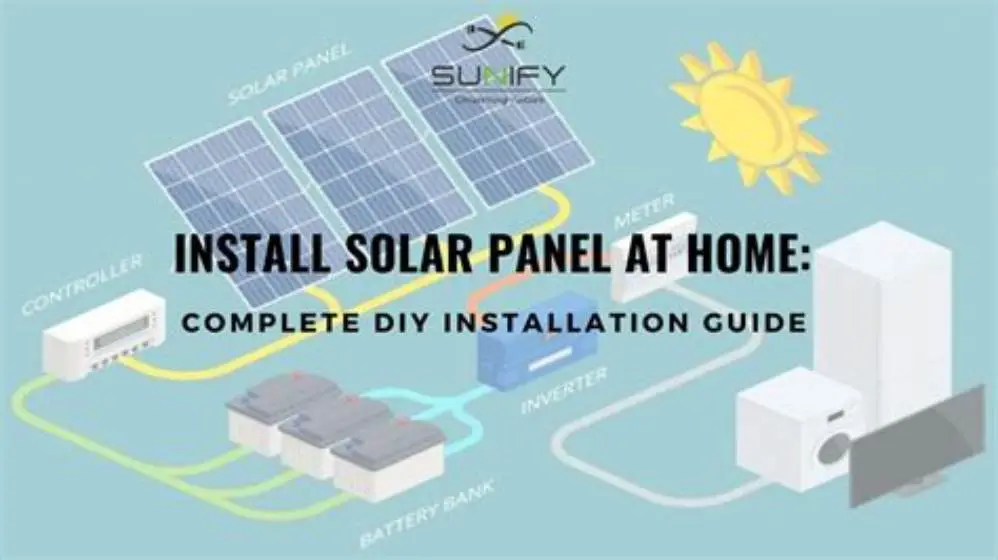
A major consequence was a funding gap for homeowners wanting upgrades, pushing the government to develop alternative schemes focused on grants and rebates. That gap still affects many, especially those on low incomes or with harder-to-improve properties. We go through buy solar panels for home step by step elsewhere on the site.
What replaced Green Deal finance schemes
After the Green Deal ended, the government introduced substitute schemes that provide direct funding or subsidies rather than loans. The main replacements include ECO4 (Energy Company Obligation phase 4) and the Boiler Upgrade Scheme, both designed to reduce costs upfront.
ECO4 targets low-income households or those in fuel poverty, with funding typically covering 20-100% of insulation, heating, and energy efficiency improvements depending on eligibility and project type. This scheme saw changes to improve accessibility and impact compared to ECO3 before it.
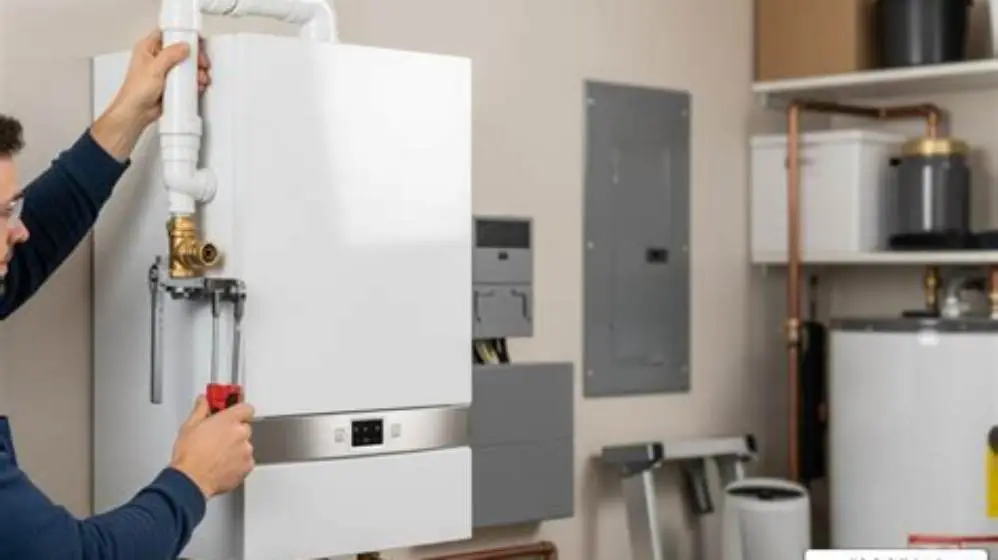
The Boiler Upgrade Scheme offers grant funding specifically for replacing older fossil fuel boilers with low-carbon heating such as heat pumps or biomass boilers. The grants usually cover several thousand pounds, enough to reduce the upfront investment significantly. Before you commit to anything, it is worth looking at upfront energy-efficient heating grants.
Both schemes work via certified suppliers and installers who manage eligibility checks and applications, making it easier for homeowners to access funding without navigating complex government processes.
Eligibility criteria for these replacement schemes can vary notably depending on factors such as income level, property type, and location. For example, ECO4 has a sliding scale of funding support, with households in the lowest income brackets or in the highest fuel poverty categories potentially receiving up to 100% funding for eligible measures, whereas others might receive only partial subsidies. This variability means that homeowners should carefully check their eligibility to understand the potential financial support available.
In terms of scale, ECO4 has set targets to deliver improvements to hundreds of thousands of homes annually across the UK, aiming to alleviate fuel poverty and reduce carbon emissions simultaneously. The program has also introduced streamlined processes to reduce administrative burdens, such as simplified application forms and greater use of digital checks, improving the speed and ease of access compared to the original Green Deal. People in this spot often ask about key criteria for eco4 grant as well.
An example: a household with a low EPC rating in a qualifying income bracket might receive full funding to install cavity wall insulation and loft insulation, which could cost around £4,000 in total. Under ECO4, this could be entirely covered without upfront cost, whereas under the Green Deal, the household would have been responsible for loan repayments plus interest over many years, making the new scheme more attractive and accessible.
How homeowners can now access funding for energy upgrades
Homeowners seeking energy efficiency upgrades should start by getting a current EPC (Energy Performance Certificate) assessment. An EPC rating of D or below often qualifies for ECO4 funding, though some schemes have exceptions or wider criteria based on income or property type.
Once eligibility is confirmed, the next step is to contact certified installers or suppliers registered under the government’s schemes. They will advise on available grants and handle funding applications, reducing paperwork for the homeowner. We cover where to buy condensing boiler units with local installer network in its own article.
Typical upgrades funded include loft and cavity wall insulation, draught proofing, low-carbon heating systems, and solar PV panels. The exact funding amount depends on the improvement’s cost, location, and household circumstances.
In some cases, additional local council or charitable grants may be available, so it’s worth checking with your local authority or energy advice services to supplement national schemes.
In practice, once you have your EPC and have approached certified suppliers, the installer will assess your home's specific needs and eligibility for different measures. For example, a homeowner in a gas-heated semi-detached house with an EPC rating of E might qualify for cavity wall insulation and a heat pump under these schemes, with funding covering up to 80% of the total cost. The other half of this decision is battery and 3 phase solar compatibility.
Homeowners should be aware that while ECO4 and the Boiler Upgrade Scheme reduce upfront costs, some residual expenses might remain if the total project cost exceeds grant limits or if the property does not fully meet eligibility criteria. For instance, a typical heat pump installation costs between £7,000 and £14,000, and the Boiler Upgrade Scheme may offer grants of £5,000, leaving the homeowner responsible for the balance.
To avoid surprises, always obtain a detailed quotation and funding breakdown from your installer before committing. Once installed, a follow-up EPC can confirm improvements, often showing at least one or two rating bands improved, which can be used to verify the success of funded measures and may increase the home's market value.
Timeline of Green Deal finance and its successors
2013: Green Deal launches with aims to fund energy improvements via repayable loans on energy bills.
2015: Green Deal finance ends due to low uptake and cost issues.
2018-2022: ECO3 operates as the government’s main subsidy scheme, focusing on low-income and fuel-poor households.
2022 onwards: ECO4 replaces ECO3 with simplified eligibility and expanded measures.
2022: Boiler Upgrade Scheme introduced to fund low-carbon heating replacements directly.
| Scheme | Operation Period | Funding Type | Target Households | Typical Coverage |
|---|---|---|---|---|
| Green Deal | 2013-2015 | Loan via energy bills | All homeowners | Full cost financed with repayments |
| ECO4 | 2022-present | Direct grants | Low-income, fuel poor | 20-100% of upgrade cost |
| Boiler Upgrade Scheme | 2022-present | Grant | All homeowners | Up to several thousand pounds |
How to find trustworthy suppliers and installers for home energy grants
To use schemes like ECO4 and the Boiler Upgrade Scheme, you must work with certified installers, usually accredited by trusts such as TrustMark or MCS (Microgeneration Certification Scheme). This ensures the work meets technical and legal standards required for funding eligibility.
You can find accredited installers via government websites or industry bodies. Avoid suppliers who do not clearly confirm their accreditation status or who pressure you to sign contracts quickly.
A reliable installer will provide a clear quote, confirm the funding amount and eligibility, and complete all required documentation for the grant application. They should also guarantee the quality of work and provide aftercare.
Beware of scams promising free or low-cost upgrades without paperwork. Only accept offers where you can check their credentials independently.
Planning your home energy upgrade after Green Deal: practical steps
Start with an up-to-date EPC for your home. This costs around £60-120 and shows your current energy rating and recommended improvements. Without it, most schemes will not fund work.
Consult multiple certified installers to compare quotes and funding offers. Make sure quotes detail what is funded by grants and what costs you must cover.
Apply for the relevant scheme funding through your installer. They handle paperwork but you must provide proof of eligibility, such as income statements for ECO4 or property details.
Schedule the upgrade work once funding is approved. Keep all receipts and documentation as proof for future maintenance or selling your home.
Regularly check for new or local grant schemes, as funding rules and opportunities change. Staying informed helps maximise support for your retrofit.
- Obtain a current EPC from a certified assessor.
- Research and contact accredited installers.
- Compare quotes including grant funding details.
- Submit applications via the chosen installer.
- Complete upgrade work and retain all documentation.
Quick questions
Can I still get Green Deal finance today?
No. Green Deal finance officially ended in 2015 and no new plans are available. Current funding comes from schemes like ECO4 and the Boiler Upgrade Scheme.
What is the difference between ECO4 and the old Green Deal?
ECO4 offers direct grants based on eligibility, reducing upfront costs without loans or repayments. Green Deal was a loan repaid via energy bills and was less popular.
Do I need an EPC to apply for current energy grants?
Yes. An EPC rating generally must be D or below to qualify for schemes like ECO4, and it identifies recommended improvements.
How do I find a certified installer for energy upgrades?
Check government or TrustMark websites for accredited installers. Only use these to ensure eligibility for funding and quality work.
Are there any local grants besides national schemes?
Some local councils and charities offer supplementary grants. Check your local authority’s website or energy advice services.
What upgrades do current schemes fund?
Commonly funded upgrades include insulation, draught proofing, low-carbon heating like heat pumps, and solar PV installations.