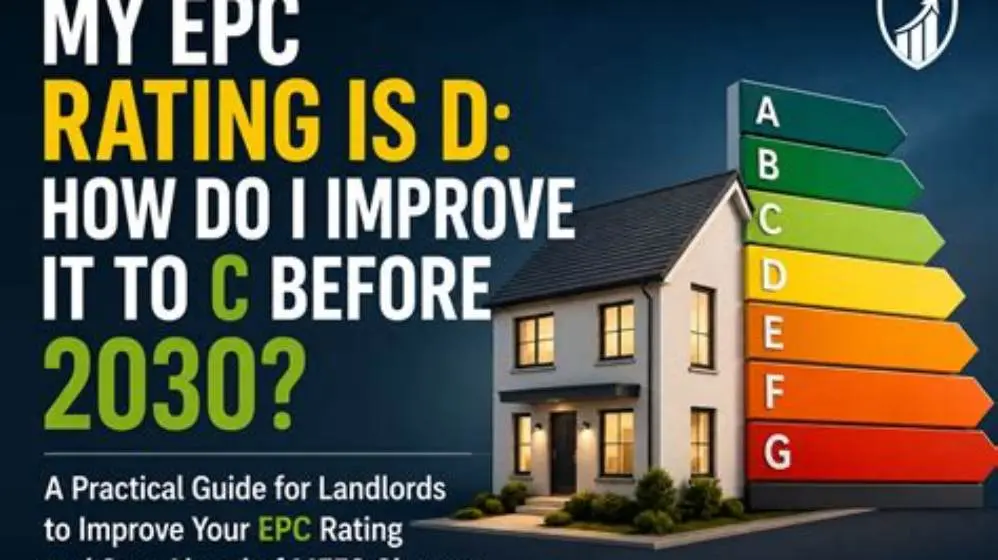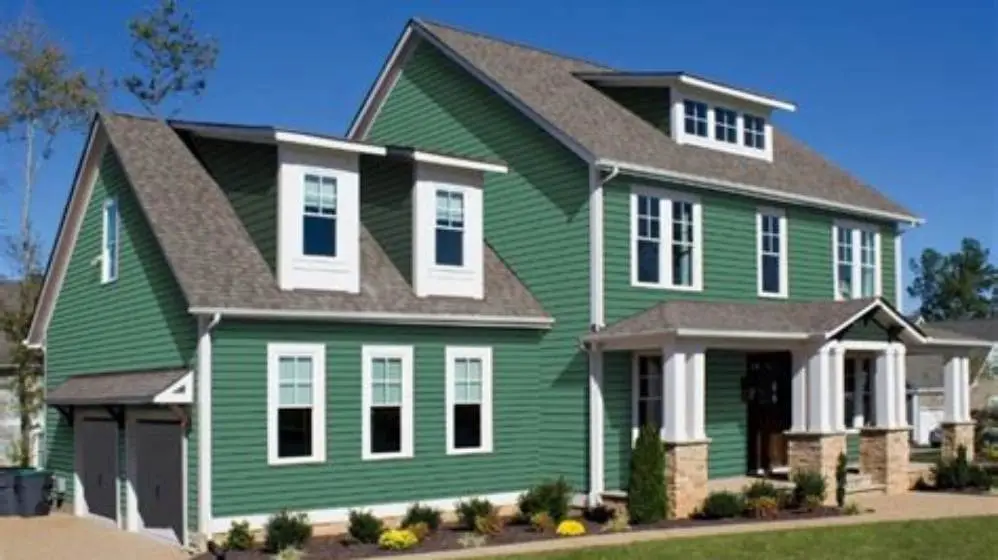
A green home in the UK is a property designed or retrofitted to reduce energy use and carbon emissions, usually achieving an EPC rating of B or higher through insulation, efficient heating, and renewable tech eligible for schemes like ECO4 or Boiler Upgrade Scheme.
On this page
Quick facts
- Typical EPC rating
- B or above
- Standard insulation thickness
- 100-300 mm
- Heat pump efficiency
- COP 3-4
- Boiler Upgrade Scheme grant
- up to £5,000
- ECO4 scheme target
- low-income households
Quick recap
- A green home typically scores EPC B or above in the UK.
- Good insulation, efficient heating, and renewables are essential.
- Grants like Boiler Upgrade Scheme and ECO4 support upgrades.
- Reducing energy use lowers bills and carbon footprint.
- Whole-house retrofit is often needed for older properties.
What defines a green home in the UK
A green home in the UK is defined primarily by its ability to lower carbon emissions and energy consumption. The most tangible marker is the Energy Performance Certificate (EPC) rating, where a green home usually achieves at least a B rating. This means it is around 70-80% more efficient than the average UK home rated D or below.
Key features include robust insulation that typically ranges between 100-300 mm in walls, roofs, and floors depending on the building type, use of low-carbon heating systems such as air source or ground source heat pumps, and often solar photovoltaic panels to generate renewable electricity on-site.
A green home also focuses on airtightness to reduce drafts and heat loss, achieving an average air leakage rate below 5 m³/hr/m² at 50 pascals pressure, compared to typical older homes leaking above 10-15 m³/hr/m². Efficient ventilation systems with heat recovery may be installed to maintain air quality without wasting heat.
A green home balances sustainability with practical comfort and UK-specific regulations, meeting or exceeding the energy standards set out in building codes or retrofit guidelines. Before you commit to anything, it is worth looking at saving energy with EPC improvements.
Key UK energy performance and sustainability features
Insulation is the backbone of a green home’s energy efficiency. Walls should have dense or recycled fibre materials with a thickness of 100 to 300 mm, adjusted by construction type, to reduce heat loss through conduction. Loft insulation is often around 270 mm as recommended by UK Building Regulations.
Heating systems in green homes commonly use heat pumps with a coefficient of performance (COP) between 3 and 4, meaning they produce three to four units of heat per unit of electricity consumed. This is far more efficient than conventional gas boilers, which have efficiencies around 90%.
Windows should be double or triple glazed, with a U-value (thermal transmittance) below 1.4 W/m²K for new builds and ideally below 1.6 W/m²K for retrofits. Airtight construction and ventilation with heat recovery ventilators (HRVs) reduce energy loss while maintaining indoor air quality. It helps to understand apply for boiler upgrade scheme before going further.
Renewable energy like solar PV arrays sized between 3 to 6 kWp is common, often paired with battery storage to maximise self-consumption and reduce grid reliance.
- Insulation: 100-300 mm thick, dense fibre or mineral wool
- Heating: heat pumps with COP 3-4 preferred over gas boilers
- Windows: double/triple glazing, U-value below 1.4 W/m²K
- Ventilation: mechanical with heat recovery to cut heat loss
- Renewables: solar PV 3-6 kWp plus battery storage
How green homes qualify for UK grants and schemes
Green homes in the UK often qualify for grants such as the Boiler Upgrade Scheme (BUS), ECO4, and the Warm Homes Plan. These schemes target homes that improve energy efficiency or install low-carbon heating. For instance, the BUS offers up to £5,000 towards heat pump installations for eligible homeowners replacing fossil fuel boilers.
ECO4 focuses on low-income and vulnerable households, funding insulation, draft-proofing, and heating system upgrades to improve energy poverty outcomes. To qualify, homes typically must have an EPC rating below C before works and show measurable improvement afterwards. For the detail, see our notes on green energy tariff criteria.
The Warm Homes Plan complements ECO4 with targeted support for insulation and heating replacement in off-gas-grid properties or areas with higher fuel poverty risk. Grant eligibility depends heavily on income, property type, and existing energy performance.
To access these schemes, your home usually needs an EPC assessment and may require an assessment by an approved installer or retrofit coordinator. Evidence of carbon reduction or energy savings is essential.
What is a green home in the UK
In clear terms, a green home in the UK is a dwelling purposefully built or improved to meet high energy efficiency and sustainability standards. This means achieving an EPC rating typically in band B or above, which reflects low energy use and carbon emissions. The other half of this decision is epc certificate meaning.
Besides meeting EPC criteria, green homes often include multiple features: substantial insulation upgrades conforming to or exceeding Part L of the Building Regulations, use of renewable technologies like solar PV and heat pumps, and measures to reduce water use and manage indoor air quality sustainably.
These homes contribute to UK climate targets and reduce running costs for occupants. They are also more attractive in the property market, particularly as regulations tighten and financial incentives encourage green investments.
How to measure if your home counts as green
To verify if a home qualifies as green, start with an EPC assessment. An EPC Band B or above indicates strong energy efficiency. This measure considers insulation levels, heating system type, ventilation, and renewable integration. Before you commit to anything, it is worth looking at levels of leed certification.
Next, measure insulation thickness and quality. For example, cavity wall insulation should be well-filled and continuous, while loft insulation at or above 270 mm improves warmth retention significantly.
A heat pump’s COP should be tested or certified for accuracy, typically on manufacturer specs or installer reports, confirming it delivers around three to four units of heat per unit of electricity.
Consider solar PV capacity, which can be measured in kilowatt peak (kWp). A 3-6 kWp system covers average household electricity needs partly and reduces grid dependency. For the detail, see our notes on solar pv explained.
Measuring airtightness requires a blower door test, which should register air leakage rates below 5 m³/hr/m² at 50 Pa for a green home standard.
- Get a professional EPC assessment to find your home's rating.
- Inspect or measure insulation thickness in walls, loft, and floors.
- Check heating system type and efficiency rating (COP for heat pumps).
- Evaluate renewable energy installed capacity (solar PV in kWp).
- Arrange an airtightness blower door test for leakage measurement.
Upgrading to a green home using UK schemes and retrofits
Retrofitting an older home to become green often involves whole-house approaches to insulation, heating, ventilation, and renewables. The process can be costly but grants like ECO4 and the Boiler Upgrade Scheme help reduce upfront expenses.
Begin by upgrading insulation to recommended depths: external wall insulation of at least 100 mm, loft insulation to 270 mm, and solid floor insulation where possible. This reduces heat loss significantly and boosts EPC ratings.
Replacing gas or oil boilers with air or ground source heat pumps qualifies for BUS grants up to £5,000, making efficient heating more affordable. Include controls like thermostatic radiator valves and smart thermostats for better efficiency.
Adding solar PV panels sized from 3 to 6 kWp can offset electricity demand, and pairing with battery storage improves self-consumption, reducing energy bills further. Always use approved installers under government schemes to ensure compliance and receive funding.
A retrofit coordinator can help plan works in phases to maximise grant eligibility and ensure all measures combine effectively to raise EPC Band to B or above.
- Insulation: 100+ mm external walls, 270 mm loft
- Heating: heat pump eligible for Boiler Upgrade Scheme
- Renewables: 3-6 kWp solar PV with battery
- Controls: smart thermostats, radiator valves
- Use approved installers for grant compliance
Quick questions
Can rented homes in the UK be green homes?
Yes, rented properties can be green if landlords upgrade them to meet EPC Band C or above with efficient heating and insulation. Tenants can benefit from lower bills and better comfort but granting schemes often require landlord participation.
Does installing solar panels alone make my home green?
No, solar panels help but a green home requires comprehensive energy efficiency measures including insulation, airtightness, and efficient heating. Solar is part of the overall solution, not the sole factor.
What EPC rating is the government targeting for all homes?
The UK government aims for all homes to reach EPC Band C by 2035 where practical, reflecting a substantial reduction in energy use and emissions from older bands D, E, or below.
How do I know if I qualify for the Boiler Upgrade Scheme?
You qualify if you own a home with an old fossil fuel boiler and plan to replace it with a low-carbon heat pump. Your installer must be registered and the property must meet scheme requirements including energy efficiency standards.
Is a green home always more expensive to build or retrofit?
Initial costs can be higher due to better materials and technologies. However, grants reduce this burden and the lower running costs often provide payback over time. Whole-house retrofits optimise costs and benefits.