To qualify for the Boiler Upgrade Scheme, your property must be in Great Britain, have an EPC rating of D to G, not already use low-carbon heating, and the new system must meet scheme specifications. Apply via the official government portal with proof of ownership and EPC.
On this page
Quick facts
- EPC rating range
- D to G
- Grant value
- £5,000 or £6,000
- Eligible heating types
- Heat pumps and biomass boilers
- Application window
- Until March 2025
- Property location
- Great Britain only
Quick recap
- Eligibility depends on property EPC rating between D and G
- You must not currently have low-carbon heating installed
- The boiler replacement system must meet specific technical standards
- Application requires official EPC and proof of property ownership
- Common application rejections arise from incorrect documentation or ineligible properties
Who qualifies for the scheme
The Boiler Upgrade Scheme is available to homeowners, landlords, and certain tenants in Great Britain. Eligibility focuses heavily on the property's energy performance and heating system.
Your property must have an Energy Performance Certificate (EPC) rating classified between D and G. Properties with ratings A, B, or C do not qualify, as they are already considered energy efficient.
The current heating system must not be a low-carbon technology such as air source or ground source heat pumps. The scheme funds upgrades from fossil fuel boilers to approved low-carbon alternatives.
Both owner-occupiers and private landlords can apply, but tenants must have landlord permission and meet additional criteria under the scheme rules. If that sounds like your situation, read up on apply for biomass boiler grant next.
Properties with certain exemptions, such as those undergoing major renovations or listed building status, may face additional scrutiny to confirm eligibility. For example, if insulation upgrades are planned alongside the heating system replacement, these must not conflict with the scheme's focus on improving low EPC ratings through heating alone. Such cases often require supplementary documentation or a site visit from an assessor.
If the property is a multi-unit building, eligibility checks apply separately to each unit. A landlord managing flats within a building must ensure each unit meets the EPC and current heating system criteria individually. Failure to do so can result in partial approvals or rejections for some units under the same application. To avoid this, detailed EPCs for each unit and evidence of separate heating systems are required.

Specific income, property, or equipment requirements
Income is not a direct eligibility factor for the Boiler Upgrade Scheme, but applicants must prove property ownership or landlord status. Tenants face stricter conditions. For the detail, see our notes on key features of eco-friendly homes.
The property must be located in England, Scotland, or Wales; Northern Ireland is excluded. This geographic limitation is essential to check before proceeding.
Eligible boilers under the scheme are low-carbon heating systems including air source heat pumps, ground source heat pumps, and biomass boilers that meet minimum performance standards.
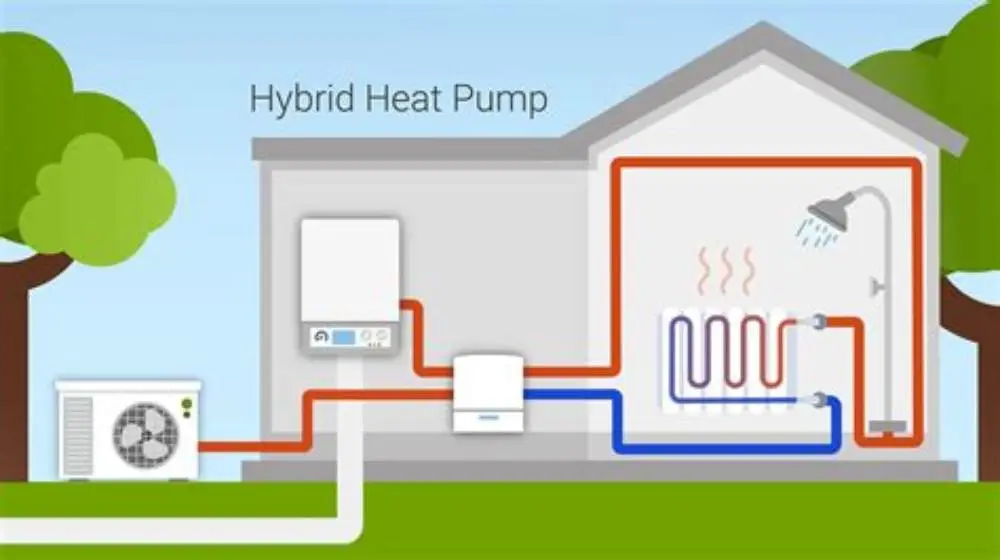
The new equipment must be installed by an MCS-certified installer; the certification is a key requirement to confirm eligibility and ensure quality. We go through how hybrid heat pumps work step by step elsewhere on the site.
While income is not directly assessed, applicants must bear in mind that the upfront costs before grant reimbursement can be substantial. For example, heat pump installations can range from £8,000 to £15,000, depending on property size and system type. This financial aspect is vital for planning, especially for landlords managing multiple properties.
The scheme excludes properties using electric heating systems like storage heaters or direct electric boilers, as these do not fit the upgrade pathway to low-carbon heat pumps or biomass boilers. Applicants should verify their current heating type carefully, as misclassification can cause delays and rejections. A heating engineer’s inspection report is often a useful supporting document to confirm existing systems.
Installers must not only be MCS-certified but also accredited specifically for the chosen technology. For instance, a ground source heat pump installer requires separate certification from an air source heat pump installer. Checking installer credentials through the MCS online directory before obtaining quotes can prevent invalid applications. There is more on replacement for renewable heat incentive in a separate guide.
How and where to apply for the grant
Applications must be submitted through the official government online portal specific to the Boiler Upgrade Scheme. Paper applications are not accepted.
You first register your interest, then complete an application once you have obtained quotations and selected a certified installer.
The application requires you to provide details about your property, current heating system, EPC, and the proposed replacement system. For the detail, see our notes on scottish heat pump grant and loan.
Once your application is approved, the grant is paid to your installer after the installation is complete and verified.
Applicants should note that the government portal opens application windows in batches; missing a window means waiting for the next round, which can be several months later. Keeping track of announcements and registering interest early can improve timing.
Before applying, it is advisable to obtain at least two quotes from different certified installers to ensure competitive pricing and to comply with scheme guidance. Comparing quotes also helps verify that proposed systems meet the scheme’s technical specifications, such as coefficient of performance (COP) ratings of at least 3.0 for heat pumps. There is more on warm homes local grant eligibility england in a separate guide.
The grant amount is fixed at £5,000 for heat pumps and £6,000 for biomass boilers, which means applicants must budget for any additional costs beyond the grant. Understanding this financial split prior to application avoids surprises during installation and payment.
- Check your EPC and confirm eligibility.
- Find a certified installer and get a quote for a qualifying system.
- Register and complete the online application with all required details.
- Wait for approval and then schedule installation.
- After installation, ensure installer submits completion proof for grant payment.
Required documentation for application
You must upload a valid EPC for your property showing a rating between D and G. This EPC must be no more than 10 years old and ideally the most recent one.
Proof of property ownership or landlord status is essential: a recent council tax bill, mortgage statement, or lease agreement can suffice. We go through before december 2026 eco4 criteria step by step elsewhere on the site.
The installer must provide evidence of their MCS certification and a detailed quote for the new heating system.
If you are a tenant, a signed landlord declaration confirming permission for the upgrade is required.
In addition to the standard EPC, a recent surveyor’s report or boiler service record may strengthen the application by confirming the condition and age of the existing heating system. This information can be particularly important if there is any dispute about whether the current boiler qualifies as fossil fuel.
Proof of ownership documents must be current and unambiguous; for example, a recent mortgage statement dated within the last three months is preferred over older paperwork. If ownership is held via a trust or company, additional legal documents demonstrating control or benefit may be required.
Installer quotes need to include full system specifications, installation timelines, warranties, and service agreements. Partial or generic quotes lacking these details are often grounds for rejection. Applicants should request detailed, itemized quotes to avoid delays.
Common reasons for application rejection and how to avoid them
Incorrect or missing documentation is the most frequent cause of rejection. Double-check EPC ratings and property ownership proof before applying.
Applying from outside Great Britain or for an ineligible heating system leads to denial. Confirm location and heating type thoroughly.
Submitting quotes from non-MCS certified installers disqualifies your application. Always choose certified professionals.
Tenants without proper landlord consent often have their applications refused. Obtain written permission first.
Applications submitted after the grant window or without completion of installation by the deadline get rejected.
A common error leading to rejection is uploading an outdated or incorrect EPC file format. The portal requires EPCs in specific digital formats with embedded metadata. Verifying the file format and validity before submission prevents this issue.
Applications sometimes fail when applicants submit quotes for models later found to be non-compliant with the latest scheme standards released after their quote was obtained. Staying updated on approved equipment lists published online helps applicants avoid this pitfall.
Incomplete landlord declarations, such as missing signatures or dates, cause tenant applications to be rejected. Ensuring the landlord’s written consent is fully completed prior to application is critical. Tenants should maintain copies of these permissions for their records.
If installation is not completed within the scheme’s approved timeframe, the grant becomes invalid even if the application was initially accepted. Monitoring installation progress closely and communicating with the installer about deadlines can avoid this problem.
Applications rejected due to expired EPCs can be remedied by ordering a new EPC assessment promptly and reapplying during the next application window.
Boiler Upgrade Scheme eligibility and how to apply
Confirm your property's EPC is rated between D and G and that your existing heating system is not low-carbon. This is the eligibility starting point.
Find an MCS-certified installer and get a quote for a heat pump or biomass boiler that meets the scheme’s technical standards.
Prepare your documents: EPC, proof of ownership or landlord consent, installer certification, and quotes.
Register and submit your application online through the government portal, uploading all required files.
After approval, coordinate installation and ensure your installer claims the grant on your behalf once complete.
| Requirement | What to provide | Why it matters |
|---|---|---|
| EPC rating | Valid EPC D-G | Confirms property energy performance eligibility |
| Ownership proof | Council tax or mortgage documents | Verifies you have rights to upgrade |
| Installer certification | MCS certificate | Ensures equipment meets scheme standards |
| Landlord permission (tenants) | Signed declaration | Legal consent to proceed with works |
Quick questions
Can I apply for the Boiler Upgrade Scheme if I rent my home?
Tenants can apply only if they have written permission from their landlord. Without this, applications are rejected. The landlord must also meet property eligibility requirements.
Does my income affect my eligibility for the Boiler Upgrade Scheme?
No. The scheme eligibility is based on property and heating system criteria, not personal income levels.
What happens if my EPC is more than 10 years old?
EPCs older than 10 years are not valid for the scheme. You must obtain a current EPC before applying.
Can I install the boiler myself and still get the grant?
No. Installation must be completed by an MCS-certified professional for eligibility and grant payment.
How soon after installation will I receive the grant payment?
The grant is paid to your installer after they submit proof the installation meets scheme criteria, typically within weeks but timelines vary.