Use the right lime plaster mix and drying method to avoid blistering on humid bathroom walls while maintaining breathability and durability.
Lime plaster for humid bathroom walls must be a breathable mix with 15-20% hydraulic lime, applied thinly and dried at 50-65% relative humidity to avoid blistering. Proper substrate compatibility and breathable waterproofing finishes are essential.
On this page
- The short version
- How humidity affects lime plaster adhesion and curing
- Types of lime plaster suitable for bathrooms
- Application and drying conditions to avoid blistering
- Compatibility with common bathroom substrates
- Lime plaster for humid bathroom walls that wont blister
- Recommended finishes for lime plaster in humid bathrooms
- Questions people still ask
Part of our guide on how can a building be sustainable
| Hydraulic lime content | 15-20% |
|---|---|
| Ideal drying humidity | 50-65% RH |
| Plaster thickness | 5-15 mm |
| Curing time | 14-28 days |
| Common substrate types | masonry, cement boards |
The short version
- Choose lime plaster with 15-20% hydraulic lime for humidity resistance
- Maintain drying conditions around 50-65% relative humidity to prevent blistering
- Avoid impermeable sealants; use breathable waterproofing finishes
- Ensure substrates are clean, absorbent, and compatible with lime plaster
- Proper curing and ventilation reduce risk of adhesion failure and blisters
How humidity affects lime plaster adhesion and curing
Humidity levels between 50-65% relative humidity (RH) during and after lime plaster application are critical. Too high, above 70% RH, and moisture will interfere with carbonation, the chemical process that hardens lime plaster, slowing curing and risking blistering.
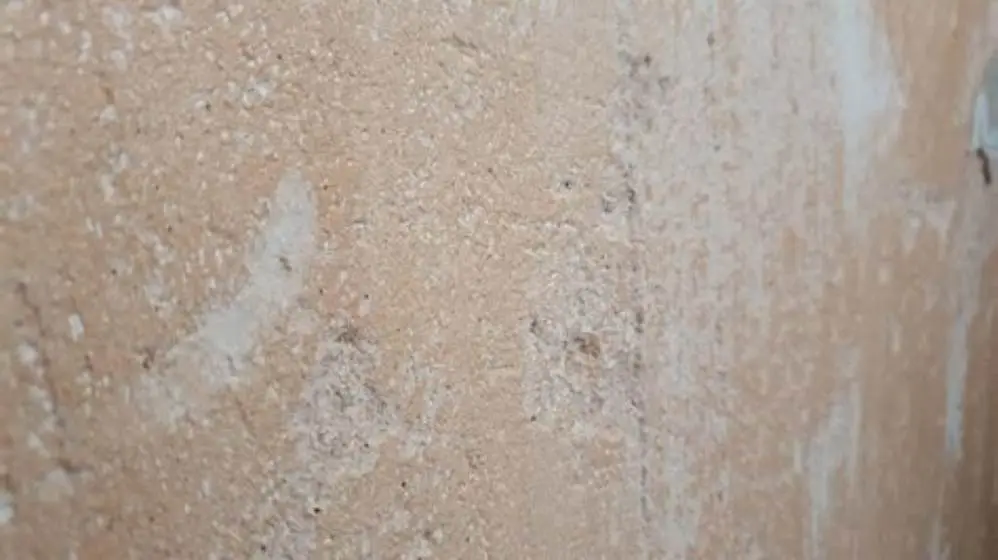
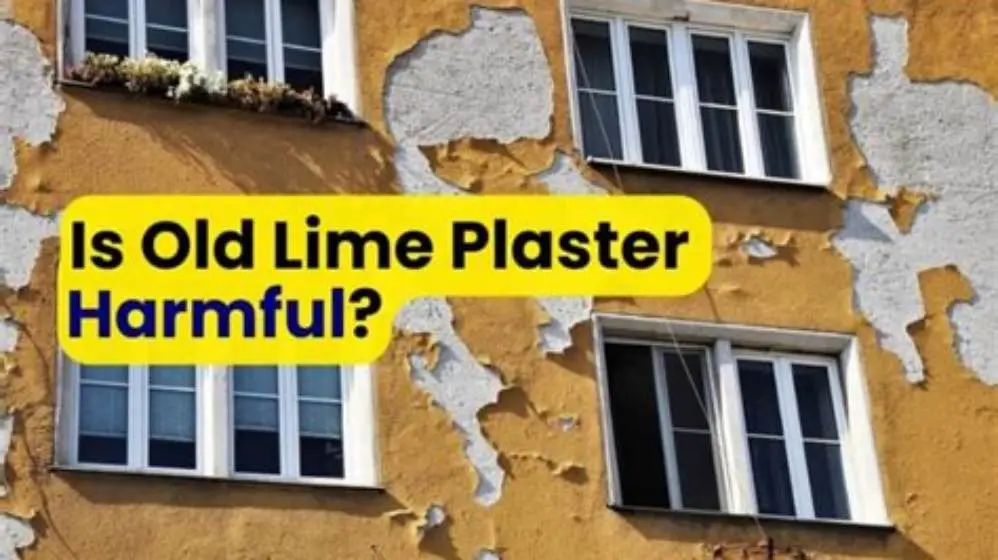
Blistering results from trapped moisture vapor or poor adhesion caused by excessive surface dampness or rapid moisture changes. Lime plaster depends on a slow reaction with atmospheric carbon dioxide; constant high humidity or direct water contact interrupts this.
Rapid fluctuations in humidity or temperature can cause trapped moisture to expand under the plaster surface, forming bubbles or blisters. These effects intensify in bathrooms due to frequent direct water exposure and poor ventilation.
Substrate moisture content also matters. If the wall holds over 5% moisture by weight, lime plaster adhesion weakens, increasing the chance of detachment and blisters. We go through silicate paint and lime plaster step by step elsewhere on the site.

Pinless Moisture Meter for Wall,Floor
Helps verify moisture in walls with pinless sensor detecting up to 0.75 inches depth to avoid plaster blistering.
Types of lime plaster suitable for bathrooms
Hydraulic lime plaster, containing 15-20% hydraulic lime, offers faster setting and water resistance compared to pure non-hydraulic lime plaster. This mix balances breathability with moisture tolerance, crucial in humid bathrooms.
Pure lime plaster (non-hydraulic) is too slow to set and too permeable, allowing moisture to saturate the plaster, increasing blister risk. Conversely, too much hydraulic lime (>25%) reduces breathability, trapping moisture.
Natural pozzolans or fine sand are often added to improve strength and reduce shrinkage, which helps prevent cracks that lead to moisture penetration and blistering. If that sounds like your situation, read up on clay render cracking on old lime plaster walls next.
Pre-mixed lime plaster with a proven formulation for humid environments is preferable to DIY mixes. Look for specifications mentioning breathability (permeability >10 perms) and water resistance.
| Type | Hydraulic Lime Content | Set Time | Breathability | Moisture Resistance |
|---|---|---|---|---|
| Non-hydraulic lime plaster | 0% | Slow (weeks) | High (>15 perms) | Low |
| Hydraulic lime plaster | 15-20% | Medium (days) | Moderate (10-15 perms) | Moderate |
| High-hydraulic lime plaster | >25% | Fast (hours) | Low (<10 perms) | High |
Application and drying conditions to avoid blistering
Apply lime plaster in thin coats, generally between 5 and 15 mm. Thick layers trap moisture and dry slowly, increasing blister risk. Multiple thin coats with proper drying intervals are better.
Maintain drying conditions between 50% and 65% RH and temperatures above 10°C but below 30°C. Avoid rapid drying by hot air or direct sunlight, which causes surface crusting and traps moisture underneath. People in this spot often ask about is brick a sustainable building material as well.
Ventilate the bathroom well during and after application but avoid drafts that dry the surface unevenly. Use humidity sensors to monitor drying progress objectively.
Initial curing should be protected from splashes and condensation for at least 14 days, ideally 28 days, to allow carbonation and strength gain. Improper curing is a primary cause of early blistering.
- Thin coats: 5-15 mm prevent moisture entrapment
- Dry at 50-65% RH and 10-30°C for optimal carbonation
- Avoid direct sunlight and strong airflow during curing
- Ventilate without causing uneven drying or drafts
- Protect plaster from water exposure for at least 14 days
Compatibility with common bathroom substrates
Lime plaster adheres best to clean, absorbent, and rough substrates such as traditional masonry or cementitious boards designed for wet areas. Smooth or painted surfaces must be roughened or keyed to ensure grip. People in this spot often ask about cork flooring durability for kitchen and spill resistance as well.
Non-breathable substrates like gypsum plasterboard typically require a lime plaster base coat combined with a breathable primer or mesh to prevent delamination caused by moisture buildup.
Avoid impermeable waterproof membranes behind lime plaster; they trap moisture and lead to blistering. Instead, choose vapor-permeable membranes compatible with lime's breathability characteristics.
Check substrate moisture before plastering. Cement-based substrates should be dry or slightly damp. Excessive moisture in the substrate is the leading cause of plaster blistering in humid bathrooms. The other half of this decision is is bamboo flooring eco friendly.
- Masonry: best adhesion, naturally absorbent
- Cement boards: good if specified for wet areas
- Gypsum boards: require preparation and vapor-permeable primer
- Avoid impermeable membranes behind plaster
- Measure substrate moisture to keep below 5%
Lime plaster for humid bathroom walls that wont blister
To prevent blistering in humid bathrooms, use a lime plaster with about 15-20% hydraulic lime for balance of moisture resistance and breathability. Apply in 5-15 mm thin coats and maintain drying conditions of 50-65% relative humidity and moderate temperatures.
Ensure substrates are absorbent and clean, with moisture content below 5%. Ventilate the space gently during curing and avoid impermeable waterproof coatings that trap moisture beneath the plaster.
Final waterproofing finishes must be vapor-permeable paints or natural breathable sealers that allow moisture to escape without water ingress. Such finishes reduce blistering risk by preventing moisture accumulation.
A moisture meter is crucial at this stage to check substrate readiness and ongoing drying progress to avoid surprises that cause blistering.
- Use 15-20% hydraulic lime plaster
- Apply in thin coats, 5-15 mm thick
- Dry at 50-65% RH, 10-30°C
- Ensure substrate moisture <5%
- Use breathable waterproofing finishes
Recommended finishes for lime plaster in humid bathrooms
Breathable finishes such as natural silicate paints, breathable mineral paints, or lime washes are recommended. They protect the plaster surface without sealing it shut, allowing moisture vapor to escape and minimizing blister formation.
Avoid acrylic or latex paints and impervious sealants; these trap moisture behind the plaster, leading to blistering or peeling.
Natural waterproofing coatings with added natural oils or waxes can offer additional water resistance while maintaining vapor permeability, but they must be tested for compatibility with the lime plaster mix.
Regular maintenance is necessary in bathrooms. Check for cracks or pinholes in the finish, as these allow water infiltration and raise blister risk, especially in high splash zones.
- Use silicate or mineral-based breathable paints
- Avoid acrylic or impermeable coatings
- Consider natural waterproofing oils or waxes compatible with lime
- Maintain and repair finishes regularly
- Prioritize vapor permeability in finish selection
Questions people still ask
Can lime plaster be applied directly over painted bathroom walls?
No. Painted surfaces reduce adhesion and trap moisture. Remove paint or roughen the surface before application to ensure proper bond and avoid blistering.
How long does lime plaster take to cure in a humid bathroom?
Curing typically takes 14-28 days under steady humidity (50-65% RH). High humidity extends curing time and increases blister risk.
Is it necessary to ventilate the bathroom during lime plaster drying?
Yes, gentle ventilation prevents moisture buildup without causing rapid drying. Balanced airflow reduces blister risk.
Can I use waterproof membranes behind lime plaster in bathrooms?
No. Impermeable membranes trap moisture and cause blistering. Use breathable vapor-permeable membranes compatible with lime plaster.
What finishes best protect lime plaster in humid bathrooms?
Breathable mineral silicate paints or lime washes protect and allow moisture escape, preventing blistering better than acrylic or impermeable finishes.