A building is sustainable when its materials have low environmental impact, long durability, and reduce waste; brick qualifies due to its lifespan and recyclability, with finishes chosen to avoid toxins and enhance longevity.
On this page
Part of our guide on voc emission standards for flooring
Quick facts
- Brick lifespan
- 60-100 years
- Embodied carbon
- varies widely
- Typical wall finish types
- paint, render, sealant
- Recyclability
- high for brick
- Local sourcing impact
- reduces transport emissions
Quick recap
- Sustainable materials last long and reduce environmental harm
- Brick is durable, recyclable, and energy-efficient
- Eco finishes avoid toxic chemicals and protect materials
- Choosing local materials cuts transport emissions
- Check embodied carbon and life cycle when selecting materials
What is sustainable construction material
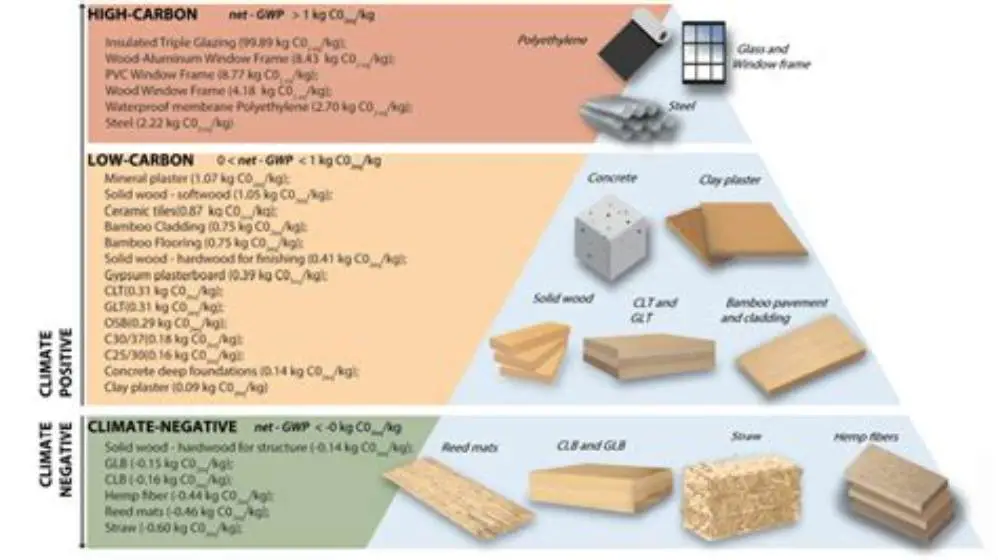
Sustainable construction materials must have low embodied energy, be durable, and come from renewable or recycled sources where possible. The embodied energy typically includes extraction, production, and transportation energy. A material that lasts at least 60 years under expected conditions generally improves sustainability by avoiding early replacement.
Besides longevity, sustainable materials should minimize harmful emissions during manufacture and use. This includes avoiding toxic chemicals that affect indoor air quality or contaminate soil when disposed of. Biodegradability or recyclability at end of life also factors heavily.
Another key condition is local availability. Materials sourced within 100-200 miles reduce transport carbon significantly compared to imported ones. This also supports local economies and reduces delays or damage from long shipping.
Choosing sustainable materials thus requires weighing embodied carbon, durability, toxicity, and local sourcing. These factors together define if a material truly supports sustainable building rather than just shifting impacts. There is more on affordable sustainable tiny home materials in a separate guide.
Environmental impact assessment of materials is complex: some bricks, for example, may have high initial embodied energy but offset this over their long service life. A brick wall lasting 80 years divides its embodied carbon by those years, possibly outperforming materials replaced every 20 years. This amortization effect is key to evaluating sustainability properly.
In some regions, clay extraction for brickmaking can cause habitat disruption or soil loss, so certifications or responsible quarrying practices improve sustainability credentials. Checking the origin and extraction methods helps avoid unintended ecological damage. The kiln fuel source (natural gas, coal, or biomass) strongly affects the carbon footprint. Transitioning to lower-carbon fuels is ongoing but uneven globally.
Is brick a sustainable building material
Brick's reputation as sustainable relies on its very long lifespan, often 60-100 years or more, which spreads its environmental impact over many decades. It is highly durable against weather and requires minimal upkeep compared to other materials. We cover environmental impact of materials in its own article.
Manufacturing brick involves firing clay at high temperatures, which can be energy-intensive, but improvements such as using waste fuels and optimizing kiln efficiency help reduce this. Bricks' embodied carbon varies widely depending on the production method and transport distance.
Bricks are often recyclable or reusable. When a building is demolished, bricks can be crushed for aggregate or reused whole, cutting landfill waste. This recyclability is a strong sustainability plus.
Their thermal mass also contributes to energy efficiency by moderating indoor temperatures, reducing heating and cooling needs when combined with proper insulation. This reduces building operational emissions over time. For the detail, see our notes on wood environmental impact.
- extremely durable
- high recyclability
- thermal mass benefits
- energy-intensive firing
- weight increases transport emissions
What finishes are available for brick
Brick finishes include breathable paints, mineral renders, limewash, and sealants. The preferred eco options are breathable mineral-based products that avoid trapping moisture and prevent mold growth.
Breathable paints and limewash allow water vapor to escape, reducing damp problems that shorten building lifespan. These finishes contain low or zero volatile organic compounds (VOCs), improving indoor air quality.
Sealants provide water repellency but can trap moisture if the brick or mortar is not fully cured or if they are not permeable. Selecting a water-repellent, vapor-permeable sealant is crucial to avoid damage. Before you commit to anything, it is worth looking at eco friendly bamboo flooring.
Natural finishes like limewash also have mild antiseptic properties and can be reapplied cheaply, extending the life of brickwork without chemical buildup.
Some finishes offer additional benefits beyond protection. For instance, limewash reacts with carbon dioxide in the air, gradually hardening and sequestering small amounts of carbon over time. While modest, this contributes a minor carbon sink effect to brick facades.
Water-repellent sealants containing silanes or siloxanes can extend brick life by preventing freeze-thaw damage in cold climates, where moisture freeze cycles cause surface spalling. However, improper application or non-breathable types risk damage, so climate and brick condition must guide finish choice. Before you commit to anything, it is worth looking at sustainable insulation materials with low embodied carbon.
Pigmented mineral paints can also improve aesthetic durability by resisting UV degradation better than organic paints, reducing repaint frequency and associated resource use. Choosing color and finish based on local climate and exposure optimizes lifespan and sustainability.
| Finish Type | Breathability | VOC Level | Durability (years) | Eco Friendliness |
|---|---|---|---|---|
| Mineral paint | High | Low | 8-12 | High |
| Limewash | High | Very low | 5-10 | Very High |
| Acrylic paint | Low | Medium | 10-15 | Medium |
| Silicone sealant | Medium | Low | 12-20 | Medium |
Why should we use sustainable materials for building
Sustainable materials reduce carbon emissions associated with the built environment, which accounts for roughly 30-40% of global CO2 output when including construction and operation. Cutting emissions here directly impacts climate goals.
They also help keep buildings healthier by avoiding toxic chemicals that cause respiratory or skin issues. This is especially important in homes where people spend most of their time.
Longevity saves money and resources long term. Durable materials lower maintenance and replacement cycles, reducing waste and consumption. That means less landfill and fewer embodied emissions per year of use.
Using sustainable materials also means supporting responsible resource use and often local economies, preserving natural capital for future generations.
What are eco friendly materials
Eco friendly building materials come from renewable, recycled, or low-impact sources. Examples include FSC-certified timber, recycled steel, hempcrete, straw bale, reclaimed brick, and natural plasters.
They must avoid harmful additives like formaldehyde, heavy metals, or synthetic fungicides that off-gas or pollute soil. Natural fiber insulation such as wool or cellulose usually fits this requirement well.
Low embodied carbon is a key target for eco materials. This means both sourcing and processing steps have minimal fossil fuel use. Local availability often improves this by reducing transport emissions.
Certification schemes like Cradle to Cradle, Declare, or Environmental Product Declarations (EPDs) help verify eco credentials, but checking ingredient transparency and durability remains essential.
How can a building be sustainable
A building becomes sustainable by integrating long-lasting, low-impact materials like brick with eco-friendly finishes that protect and extend their life. Design for energy efficiency, waste reduction, and local sourcing completes the approach.
Use brick for walls due to its durability and thermal mass, then apply breathable limewash or mineral paint to avoid moisture issues and maintain indoor air quality. These choices cut maintenance and emissions over decades.
Incorporate local materials within 100-200 miles to minimize transport carbon. Pair with insulation and design features that reduce heating and cooling demand to lower operational emissions.
Plan for end-of-life reuse or recycling. Use materials easy to dismantle or repurpose. This circular thinking prevents waste and preserves embodied energy invested in the building.
Thermal mass benefits vary by climate. In temperate zones with significant day-night temperature swings, brick's ability to absorb heat during the day and release it at night reduces heating and cooling loads effectively. In very cold or very hot climates, combining brick with insulation is critical to achieve energy savings.
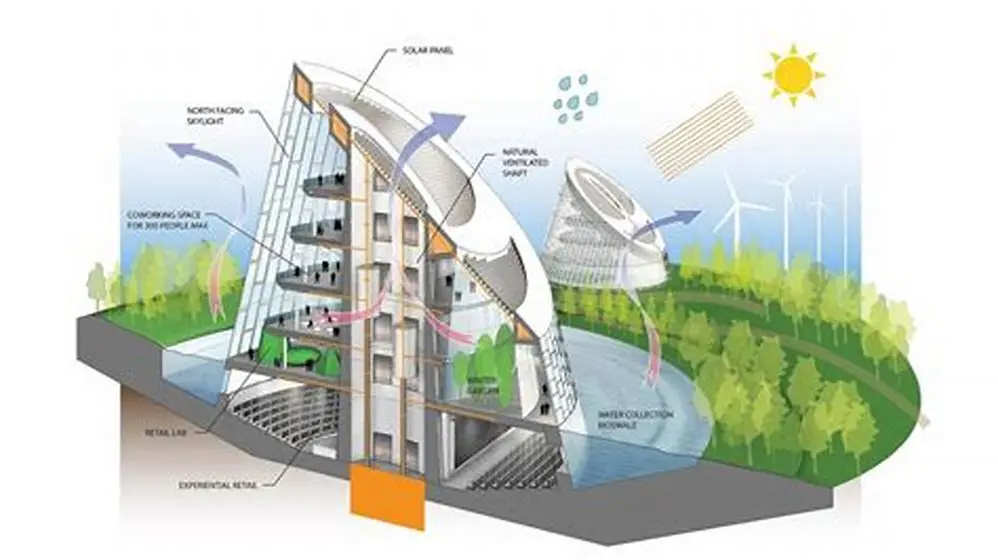
A sustainable building design also integrates water management systems, such as rainwater harvesting and permeable paving, reducing stormwater runoff and supporting onsite water reuse. Using bricks with permeable mortar joints or porous finishes can aid breathability and moisture control.
In retrofit projects, reusing existing brickwork rather than demolishing and replacing further lowers embodied carbon. Careful cleaning and repairing brick walls, then applying suitable finishes, preserves material and extends building life with minimal new resource use.
- Select durable materials like brick with a lifespan over 60 years
- Apply low-VOC, breathable finishes such as limewash or mineral paint
- Source materials locally to cut transport emissions
- Incorporate energy-efficient design and insulation
- Plan for future reuse or recycling of materials
Brick combined with eco-friendly finishes ranks highly for sustainable building, balancing durability and environmental impact effectively.
Quick questions
Can all bricks be considered sustainable?
Not all bricks are equally sustainable. Those fired using renewable energy, produced locally, and with recycled content have lower embodied carbon. Check kiln type and transport distance.
Are painted brick finishes less sustainable?
Some paints trap moisture or contain VOCs, reducing sustainability. Use breathable, mineral-based or limewash paints with low VOC content to maintain brick health.
What makes a finish eco-friendly?
Eco finishes are low in volatile organic compounds, breathable to allow moisture escape, and made from natural or mineral ingredients that do not harm indoor air or the environment.
How long does brick typically last in buildings?
Well-made brickwork lasts 60-100 years or more, making it one of the most durable building materials available.
Is local sourcing always better for sustainability?
Generally yes, but if local materials require more energy to produce or cause other impacts, they may not be better. Assess total embodied carbon including production plus transport.