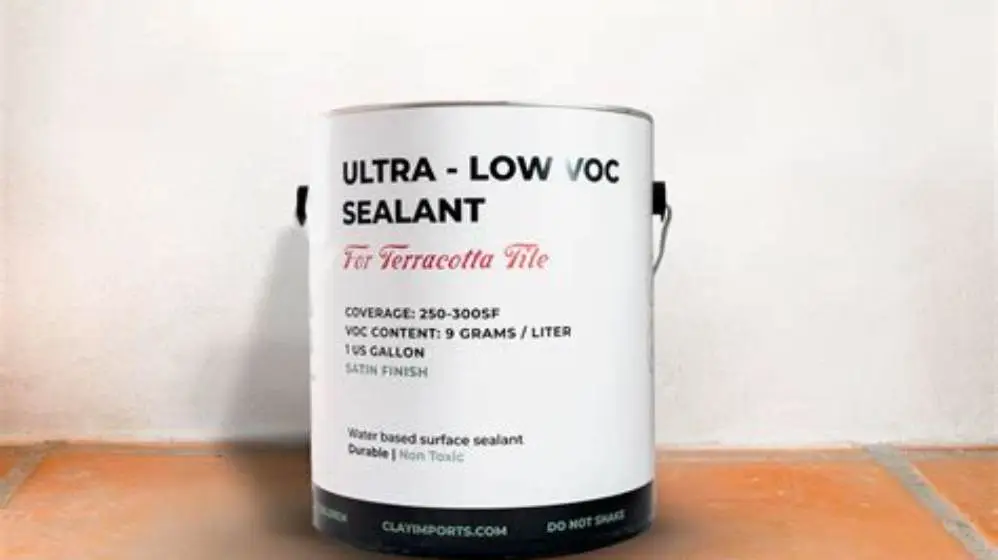
Does voc-free paint require voc-free undercoat
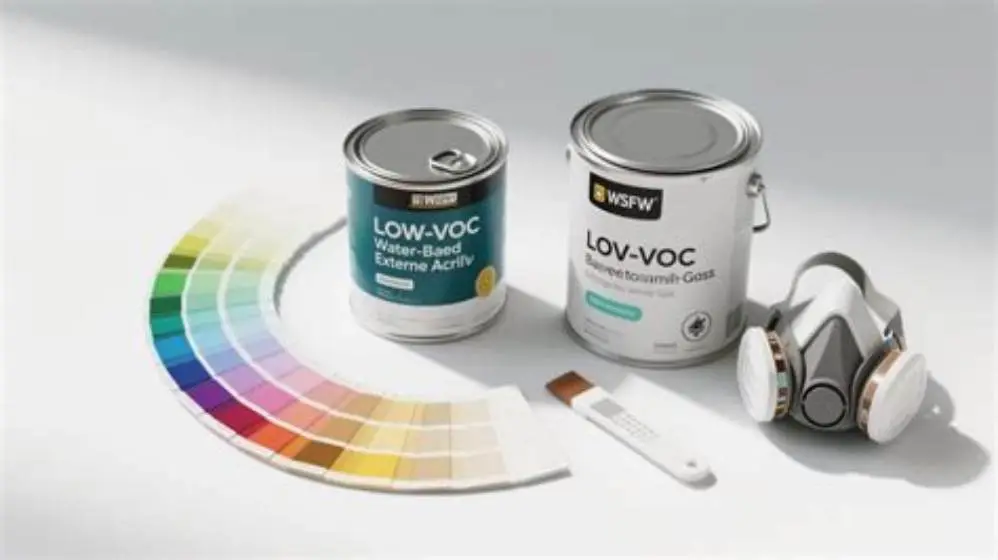
A VOC-free topcoat over solvent primer still off-gasses. Pair the system correctly for cleaner air and a lasting finish.
8 min
Low-carbon insulation, lime, timber, natural paints and the materials that let old walls breathe.
23 guides What makes a product low-VOC? The g/L numbers behind the labelA low-VOC label needs context. Learn what the number means, how tint changes paint content, and why emissions matter too.7 min read
 Hot lime in frost: the overnight temperature that stops the setFree water in fresh hot lime mortar freezes below 0C and ruins the bond; cold alone just stalls the set. Here is the overnight line that decides it.6 min read
 Casein paint on porous lime plaster: what the first litre coversBare lime plaster drinks 3-5 m² per litre of casein paint on the first coat. The same wall gives 8-12 m² per litre on coat two.7 min read
A VOC-free topcoat over solvent primer still off-gasses. Pair the system correctly for cleaner air and a lasting finish.
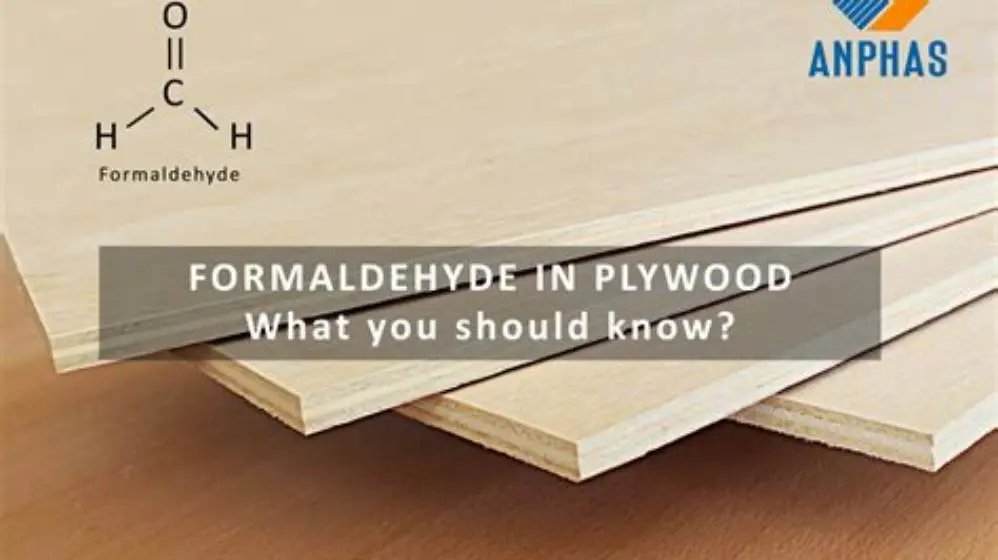
8 minSealing reduces formaldehyde emissions from plywood by 30-70%, but offgassing continues for months or years depending on grade and ventilation.
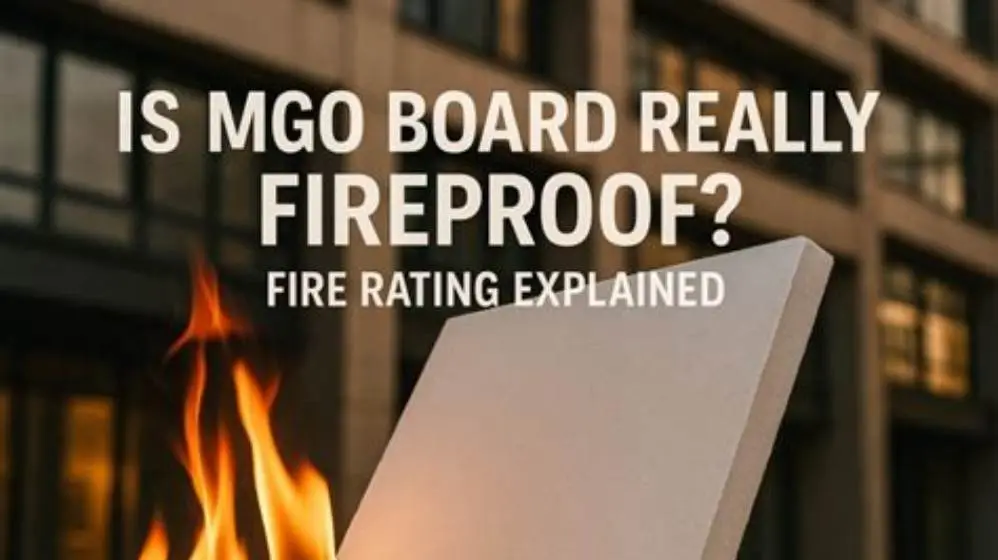
11 minMGO board fire ratings for internal linings, what reduces performance in practice, and how to confirm compliance for UK builds.
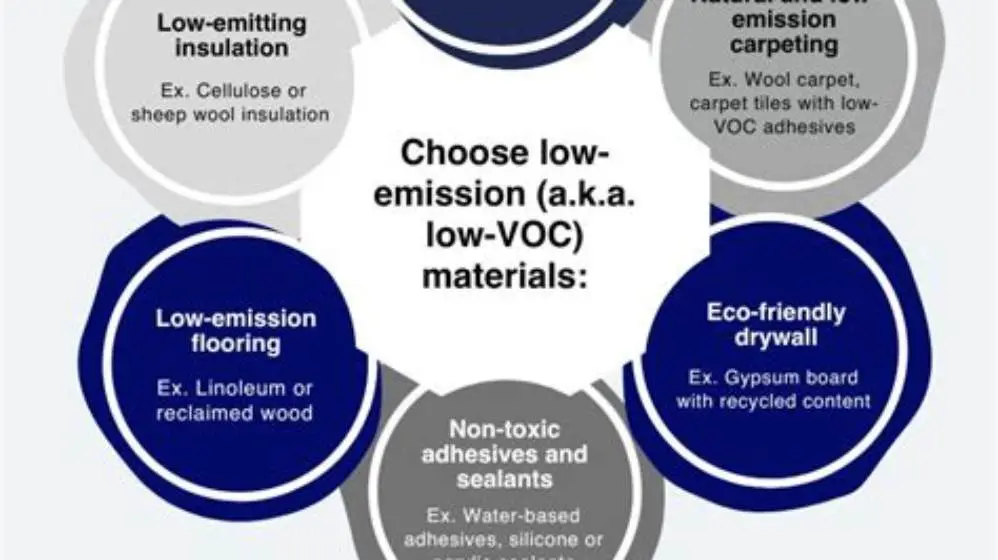
10 minThe VOC emission limits that formally qualify materials as low VOC, the certification marks that prove it, and what to check before you buy.
11 minSilicate paint chemically bonds and breathes well on lime plaster when prepared properly, ensuring durability and eco-friendly performance without trapping moisture.
4 minCeramic tiles typically contribute very little to indoor VOCs. This guide covers what affects emissions, what to watch for in installation, and how to verify low VOC claims.
6 minUnderstand linoleum flooring spill resistance levels and VOC emission standards critical for UK kitchens and healthy eco-friendly home choices.
5 minLearn to spot clay render cracks on lime plaster walls, diagnose their cause, and choose breathable repair approaches that last.
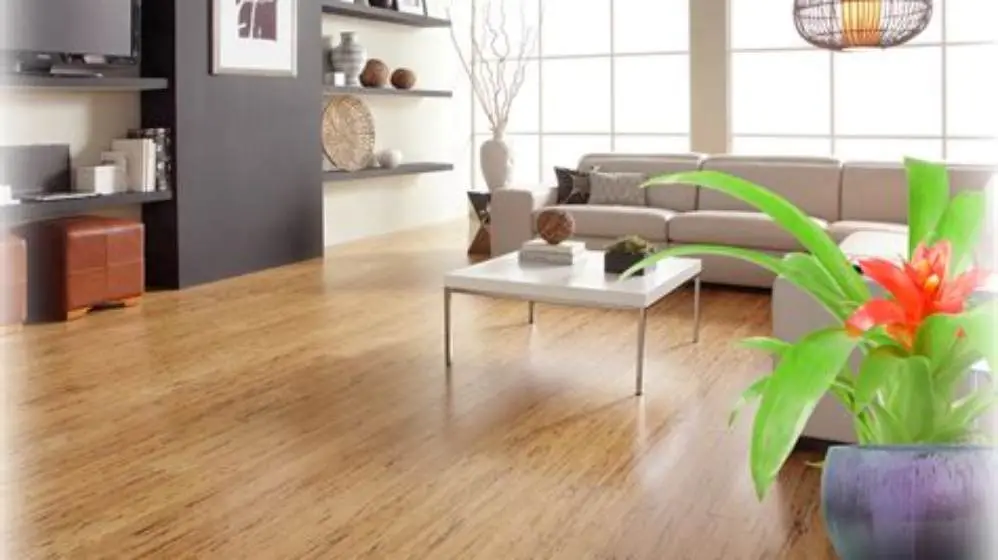
4 minBamboo flooring meets key eco criteria but watch for chemical use and durability tradeoffs that affect its green benefits.
5 minGet a precise definition of low VOC paint by its VOC content limits and examples of how it differs from no VOC and regular paint.
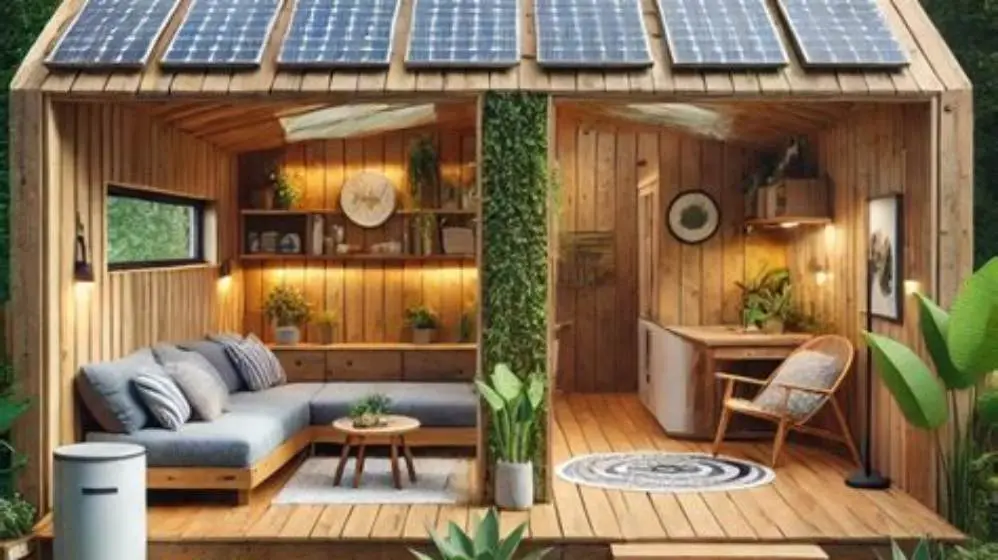
6 minLearn which sustainable materials for tiny homes combine low upfront cost with long-term savings and local availability.
5 minFind natural insulation materials suitable for 50mm retrofit gaps that balance thermal efficiency and low embodied carbon for sustainable home retrofit.
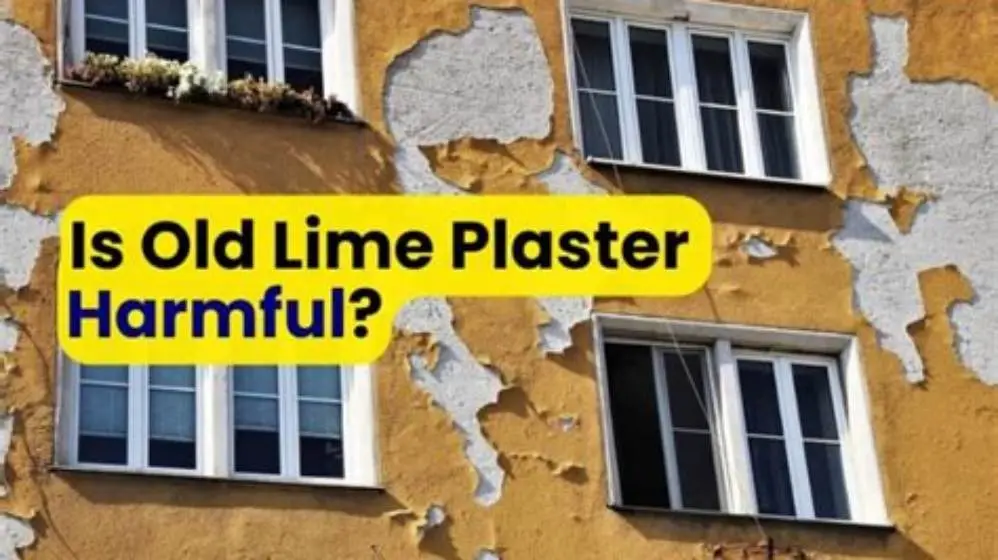
5 minUse the right lime plaster mix and drying method to avoid blistering on humid bathroom walls while maintaining breathability and durability.
4 minWool insulation offers a lower environmental impact and good thermal performance that can justify extra cost, especially in cold climates.
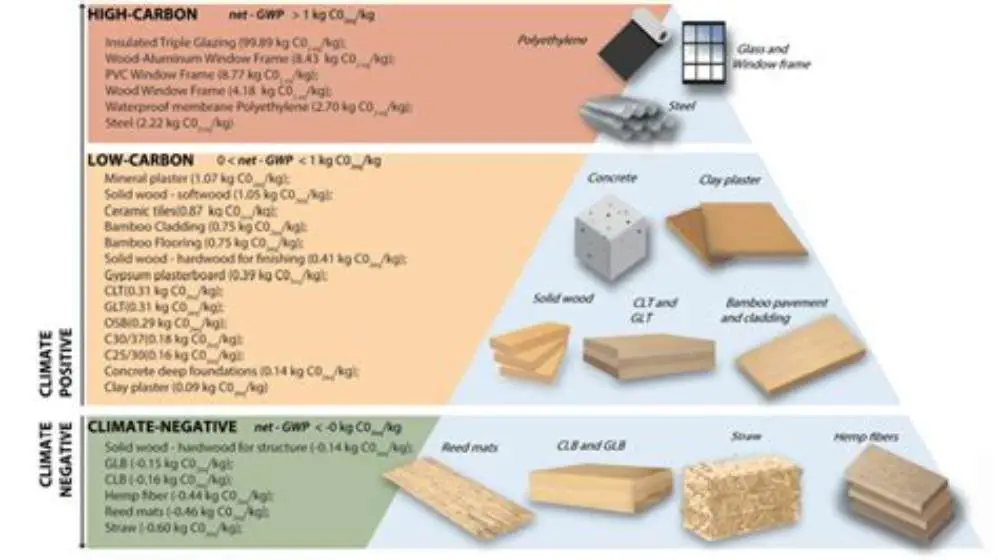
5 minCompare embodied carbon of brick walls and timber frames, plus find low-impact timber siding and finishes for common building materials.
5 minUnderstand wood’s true environmental impact by comparing its carbon footprint, renewability, and material conditions in building projects.
5 minLook at how to pick sustainable materials for building, why brick stands out, and the most eco-friendly finishes to use.
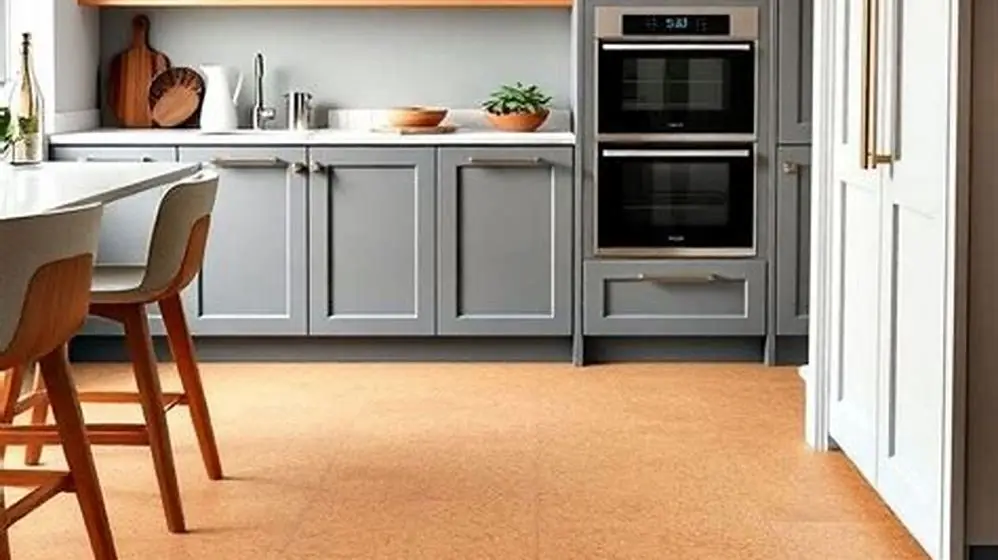
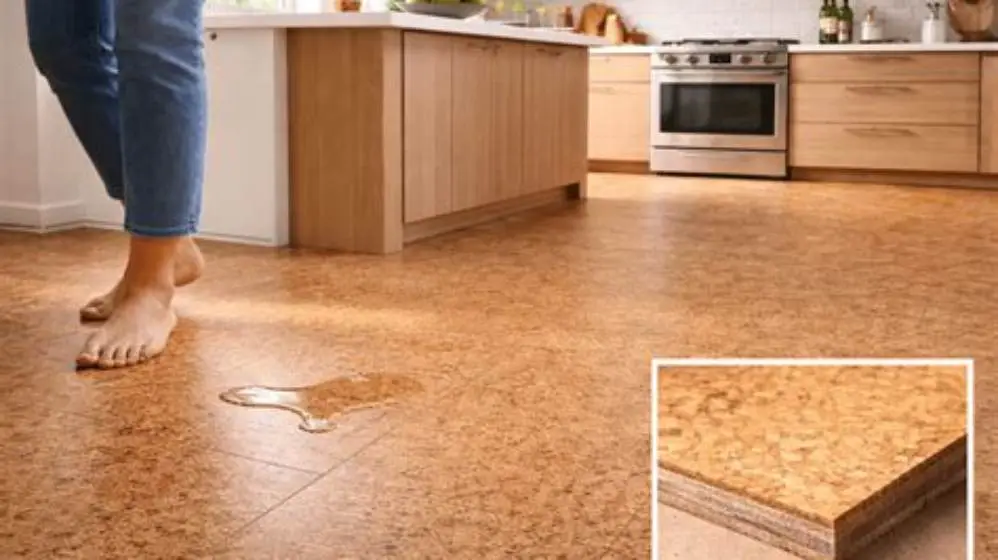
6 minKey durability and spill resistance facts about cork flooring help you decide if it works in kitchens and basements with occasional moisture.
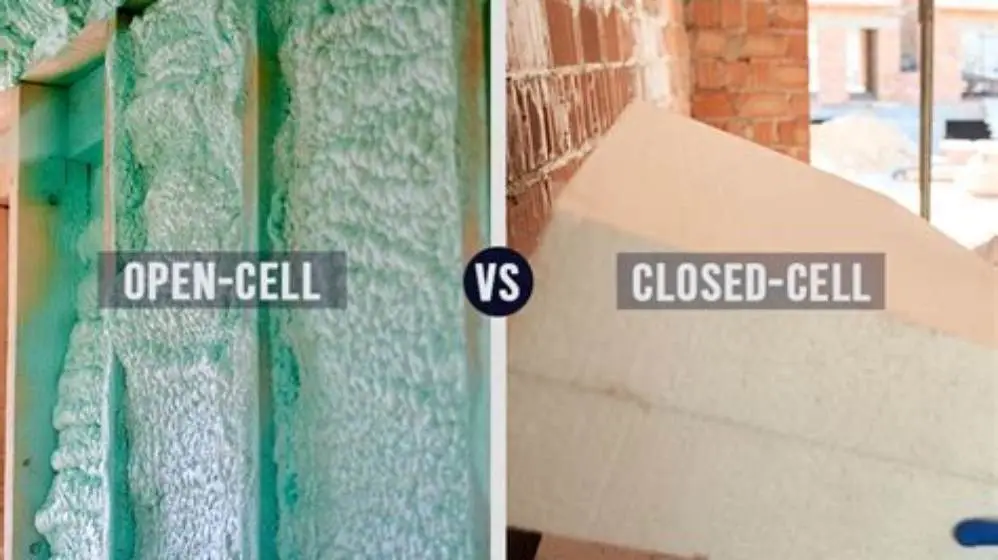
5 minA clear comparison of closed cell and cellulose insulation at 50mm thickness for retrofit gaps focusing on thermal, moisture, and installation factors.
6 minLearn how to check cellulose insulation settling in old lofts, what rates are reported in guidance and studies, how environmental factors influence settling, and when depth loss indicates
8 min