Your S Plan zone stays cold because the motorised valve is not opening, the thermostat is not calling for heat, or the programmer has not recovered. Check the controls and valve position first. Isolate power before touching wiring, and use a qualified heating engineer for mains work, system draining or valve replacement.
On this page
- Quick recap
- Isolate power before opening anything
- Gather the right tools and identify the controls
- Confirm the thermostat type first
- S plan heating zone stays cold after power cut
- Test low-voltage control only with the correct information
- Reset the programmer and receiver safely
- Choose the right repair route
- Use manufacturer information to confirm the diagnosis
- Quick questions
Part of our guide on steam boiler system maintenance
Quick facts
- Safe valve position
- Many valves close without power, but check the manufacturer instructions
- Control signal
- Often low-voltage AC, commonly around 24VAC; verify your system
- Restart time
- Use the device-specific boot or pairing time in its manual
- Manual check
- Move the lever gently; never force it
Quick recap
- Isolate mains power before opening a programmer, boiler or wiring enclosure.
- Most S Plan systems use a low-voltage control signal, commonly around 24VAC, but your equipment may differ.
- Confirm whether the thermostat uses batteries, wired control or wireless RF communication.
- A manual valve check can show whether water reaches the zone, but it does not prove the controls work.
- Use the manufacturer manual for terminal labels, voltage, boot time and pairing instructions.
- Call a qualified engineer for mains testing, rewiring inside live equipment, draining or replacing a valve.
Isolate power before opening anything
Switch off the heating system at its local isolation switch before removing covers or touching terminals. Isolate the programmer, boiler controls and any separate low-voltage supply shown in the installation manual.
Do not rely on the programmer display being dark. A terminal enclosure can still contain mains voltage. A qualified heating engineer should handle mains testing, live fault-finding, rewiring inside control boxes, system draining and valve replacement.
A competent DIYer can read the display, replace thermostat batteries and inspect an accessible valve without removing electrical covers. Stop when a check requires exposed terminals, unfamiliar wiring or pipework changes.
Gather the right tools and identify the controls
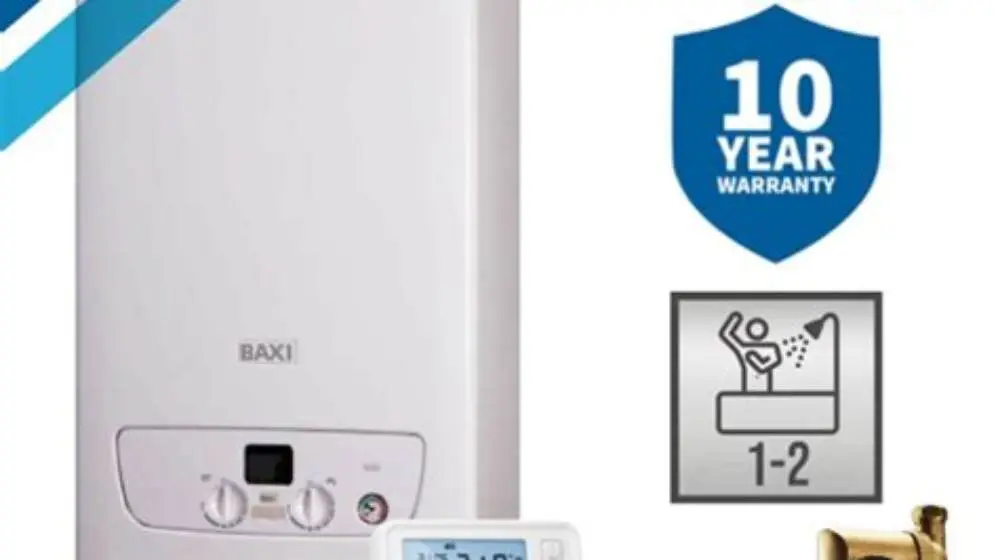
Use a torch, screwdriver for the correct screws, fresh thermostat batteries and the equipment manuals. A two-pole voltage tester or suitable multimeter can help a qualified person confirm isolation. Before you commit to anything, it is worth looking at matching Baxi 800 boiler to hot water demand.
Insulating gloves are useful near electrical equipment, but they do not make live testing safe for an untrained person. Wear eye protection when working near pipework, and keep water away from electrical parts.
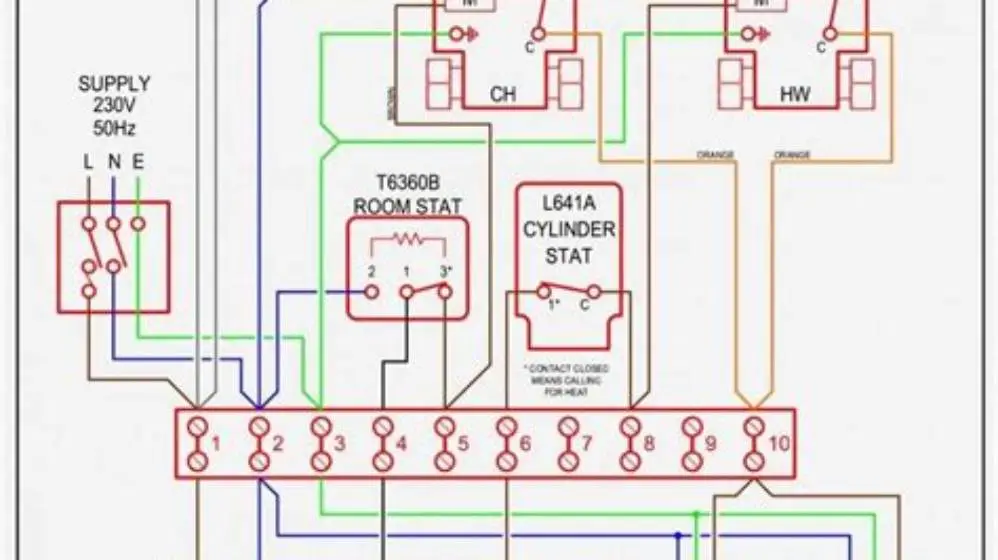
Find the programmer, room thermostat and motorised valve serving the cold zone. The programmer may be a timer, a channel programmer or a smart receiver. Labels can include CH, HW, Zone 1, Zone 2, COM, NO and CALL, but terminals differ between models.
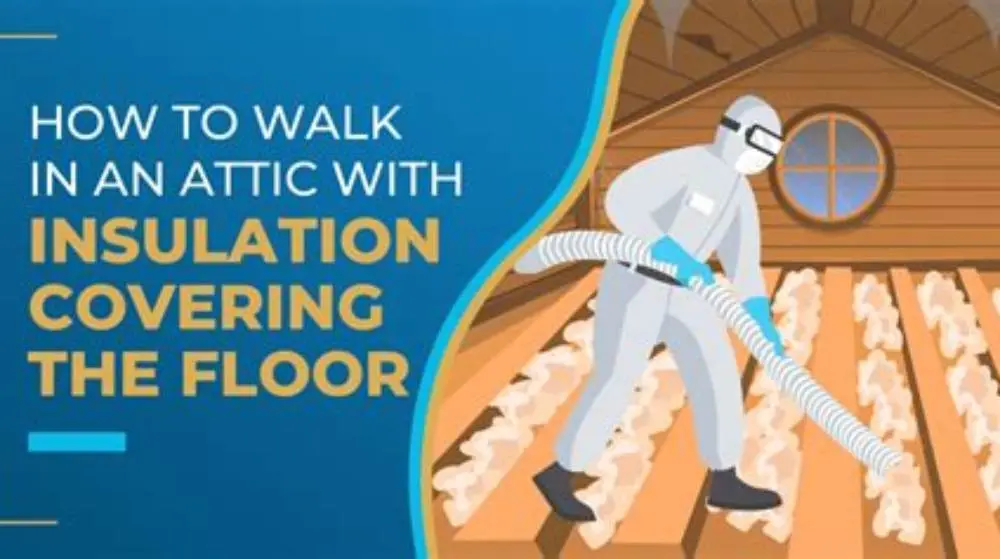
Read the wiring diagram inside the programmer cover or in its manual. Never move a wire because its colour looks familiar. Take a clear photograph after power isolation, then follow the documented terminal numbers. People in this spot often ask about materials for walkable attic as well.

Coast G20 Inspection Beam LED Penlight with Adjustable Pocket Clip and
Provides a focused inspection beam for reading labels and tracing pipework with 54 lumens of output to illuminate small areas.
Confirm the thermostat type first
Battery thermostats usually show a display and have a removable battery cover. Replace weak batteries with the specified type, then check the heat setting and schedule.
Wired thermostats connect through control cable. Their display may remain active during a programmer fault, so a lit screen does not prove the heating call reaches the valve.
Wireless RF thermostats communicate with a receiver near the programmer or boiler. Check the receiver lights, battery condition and pairing instructions. A power cut can leave some devices needing manual re-pairing.
Write down the thermostat model before resetting anything. The manual gives the correct pairing method, reset sequence and time needed for the device to restart.
- Read the thermostat model and locate its manual
- Check batteries if the thermostat uses them
- Raise the set temperature above the room temperature
- Check the receiver indicator for a wireless thermostat
- Follow the manual if pairing has been lost

2026 Upgraded FS899L Digital Multimeter & 20 pcs Silicone Test Leads Kit
Covers higher-energy control circuits and lets you measure AC voltage with a CAT.III 1000V (and CAT.IV 600V) safety rating for comparing control signals safely.
S plan heating zone stays cold after power cut
Restore power only after all covers are fitted and nobody is touching wiring. Set the affected thermostat above room temperature, then check whether the programmer shows a heating demand.
Give the programmer, thermostat and receiver the boot or pairing time stated in their manuals. Some devices restart quickly, while others take longer or need manual re-pairing. Do not use a fixed waiting time as proof of a fault.
Check the boiler display and any fault code. Confirm another heating zone works, if your system has one. A working boiler with one cold zone points towards that zone's thermostat, valve or control circuit.
Look at the motorised valve without removing its cover. It normally sits on the pipe serving the zone and has a small manual lever. The lever should move gently through its intended travel. Do not force it or hold it open as a permanent repair.
A valve may close, open or remain in its last position when power fails, depending on its design. Check the valve label and manual rather than assuming one fail-safe position.
Test low-voltage control only with the correct information
Most S Plan systems use a low-voltage control signal, commonly around 24VAC. Some installations use a different voltage or control method, so verify the voltage for your specific system or consult the boiler and programmer manual before testing.
A correct open-call will typically show low-voltage AC in the expected nominal range for your system. Consult the equipment documentation. If uncertain, treat any reading significantly below the nominal value as suspect rather than applying a universal pass or fail threshold.
This test belongs with a qualified engineer when terminals are exposed or the circuit voltage is unknown. The engineer should isolate mains sections, identify the correct low-voltage pair and use a meter rated for the installation.
The meter must be set to AC volts before contact. Keep the probes separated, use insulated probe tips and avoid slipping onto neighbouring terminals. Never bridge a low-voltage terminal to a mains terminal.
A missing call can come from the thermostat, receiver, programmer, cable or valve actuator. A correct voltage at the actuator with no movement suggests an actuator or valve fault, but the manufacturer test procedure should confirm it.
- Check the system voltage in the manufacturer documentation
- Isolate mains power before opening any control enclosure
- Use a correctly rated meter and AC-voltage setting
- Test only the documented low-voltage points
- Compare the result with the equipment's nominal range
- Stop and call an engineer if the reading or terminals are unclear
Reset the programmer and receiver safely
A restart can restore a programmer or receiver after a brief outage. Use the reset or power-cycle procedure printed in the manual, rather than switching random supplies on and off.
Battery thermostats can usually be restarted by removing their batteries for the period stated by the manufacturer. Wired thermostats normally restart with the control supply. Wireless devices may need a pairing button or receiver reset.
Observe the device for its stated boot time. Some programmers restore schedules immediately, while smart controls may take longer to reconnect. A receiver light can show power without proving the thermostat is paired.
Resetting does not repair a stuck valve, damaged cable or failed actuator. Stop repeating resets once the manual procedure has failed, then arrange a diagnosis.
Choose the right repair route
A competent DIYer can replace batteries, read manuals, check schedules and inspect an accessible valve lever. Keep electrical covers closed during these checks.
A qualified heating engineer should test exposed terminals, trace control wiring, replace a programmer or receiver, and diagnose a valve actuator. Valve replacement often requires draining the heating system and changing pipework connections.
Do not drain a sealed system, disconnect boiler wiring or solder pipework unless you have the training, tools and correct procedure. A leak or incorrect connection can damage the boiler or create an electrical hazard.
Ask for a written diagnosis and a local quote. Repair prices vary with region, access, valve type, system design and the date of the work. Published manufacturer or local trade price lists are more useful than a universal figure.
Tell the engineer the outage time, affected zone, thermostat type, valve model and any display codes. This shortens the diagnosis and helps avoid replacing a working part.
Use manufacturer information to confirm the diagnosis
Valve behaviour, control voltage, terminal labels and restart times vary between manufacturers. Check the valve data sheet, programmer manual, thermostat instructions and the boiler installation guide.
Look for sections named wiring diagram, actuator operation, frost protection, pairing, reset and electrical specifications. The valve label often includes the model number needed for the correct document.
Trade bodies, manufacturer support lines and qualified heating engineers can confirm an unfamiliar arrangement. Do not rely on a generic diagram when your system has been modified.
Keep the manuals with a photo of the controls and valve. That record helps with future outages and gives an engineer accurate information.
Quick questions
Will the zone stay cold permanently after a power cut?
Not necessarily. A thermostat may need batteries, a receiver may need pairing, or a valve actuator may need repair. The power cut can expose an existing fault without causing permanent damage.
Can I leave the manual override open?
Use it only as a temporary diagnostic or emergency measure permitted by the valve manual. It can bypass thermostat control and overheat the room. Arrange a proper repair instead of leaving it unattended.
Do I need to bleed radiators after a power cut?
Usually not. A power cut does not normally add air to the heating circuit. Check the zone controls first, then investigate air only if the radiator symptoms support it.
Why did the programmer lose its schedule?
The backup battery or memory supply may be failing. Check the manual for the battery type and replacement method. A qualified person should replace a battery inside a mains-powered programmer.
Can I test the thermostat myself?
You can check its mode, set temperature, batteries and wireless status. Exposed-terminal tests require training, correct isolation and the equipment instructions. Call an engineer when the thermostat type or wiring is unclear.
What information should I give the heating engineer?
Give the affected zone, outage time, thermostat type, programmer model, valve model, display codes and any checks already completed. Mention whether other zones and the boiler still work.