Compare triple glazing and argon double glazing on south-facing retrofit windows for overheating reduction and compatibility with period frames.
Triple glazing reduces overheating on south-facing retrofit windows less than expected; argon-filled double glazing usually cuts heat gain adequately. Argon benefits insulation but check seal life and frame compatibility, especially with Victorian windows.
On this page
- The short version
- Will triple glazing reduce overheating on south-facing windows
- Argon filled double glazing good for retrofit Victorian windows
- Seal life considerations for triple and argon double glazing
- Benefits of argon gas in double glazing for retrofit projects
- Finding grants and trustworthy suppliers for south-facing window glazing retrofit
- Will triple glazing reduce overheating on south-facing windows in retrofit
- Questions people still ask
Part of our guide on boiler upgrade scheme eligibility
Explore how triple glazing and argon-filled double glazing differ in cutting overheating on south-facing retrofit windows with period frame challenges.
| Argon benefit | 15-20% better insulation |
|---|---|
| Typical seal life | 10-15 years triple glazing |
| South-facing overheating | Reduced more by shading |
| Victorian frame risk | Possible warping with heavy triple glazing |
| Glazing thickness | 28-36 mm triple, 20-24 mm double |
| EPC impact | Improves by 1-2 bands typical |
The short version
- Argon gas improves double glazing insulation by up to 15-20%.
- Triple glazing adds insulation but can trap more heat in summer.
- Victorian period frames may limit triple glazing retrofit options.
- Seal life is shorter on triple glazing seals, affecting performance.
- Check grants that support suitable glazing for your home type.
Will triple glazing reduce overheating on south-facing windows
Triple glazing improves insulation with a U-value of around 0.8-1.0 W/m²K, compared to 1.2-1.6 W/m²K for argon-filled double glazing. However, this extra insulation can trap solar heat inside during summer, sometimes raising indoor temperature more than double glazing.
South-facing windows gain the most solar heat. Triple glazing transmits less solar radiation but also reduces heat loss at night and in cooler periods. This can lead to overheating if no shading or ventilation is applied.
Argon-filled double glazing balances insulation and solar gain better. Argon gas conducts heat 15-20% less than air, markedly improving thermal performance without the thicker glass unit of triple glazing.
Retrofitting triple glazing without external shading risks overheating despite its insulation. Consider external blinds or roof overhangs to manage solar gain effectively. The other half of this decision is cost differences in glazing types.
Triple glazing's solar heat gain coefficient (SHGC) typically ranges from 0.2 to 0.5, depending on glass coatings. Lower SHGC means less solar heat passes through but also less natural warmth in winter.
For example, a triple glazed unit with SHGC 0.3 lets through 30% of solar radiation. If a south-facing window receives 500 W/m² solar power, 150 W/m² enters indoors. In contrast, argon double glazing with SHGC 0.6 transmits 300 W/m², doubling solar gain but risking more heat loss at night.
Check the glass manufacturer's SHGC and U-value data when selecting triple glazing. Combining low SHGC glass with external shading can prevent overheating regardless of glazing type. Measuring room temperature changes post-installation confirms effectiveness.
Argon filled double glazing good for retrofit Victorian windows
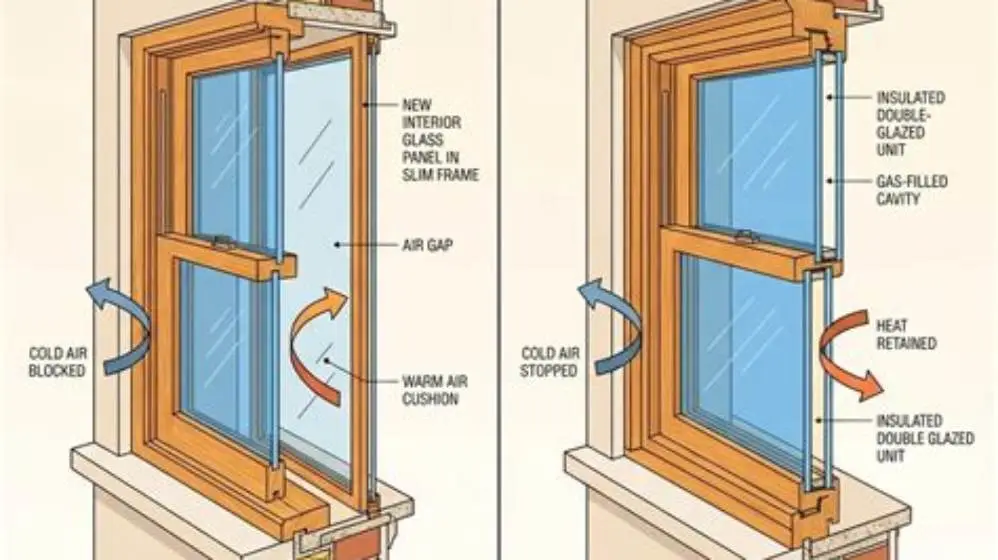
Argon-filled double glazing often suits Victorian and period windows better than triple glazing. Typical double glazing units are 20-24 mm thick, compatible with historic timber frames without major modification.
Victorian frames can warp or stress under the extra weight and depth of triple glazing, which is usually 28-36 mm thick. Argon double glazed units keep weight and size down.
Sealing and maintaining airtightness is easier on double glazing retrofits. Most period frames respond better to careful refurbishment than to heavy glazing changes.
Argon double glazing can be combined with slimline profiles to maintain the period look. This retention of original aesthetics is often crucial for listed buildings or conservation areas, making argon double glazing preferable.
Victorian windows often have historic glass or leaded designs sensitive to pressure and installation methods. Argon double glazing units, being thinner and lighter, reduce frame distortion risk during retrofit.
Weight difference matters: a standard argon double glazed unit weighs about 15 kg/m², while triple glazed units exceed 25 kg/m². Heavier glazing can cause hinges and sashes to sag, affecting operation and seal tightness.
Some retrofit projects use slim-profile argon double glazing with laminated glass to improve security and sound insulation while preserving original frames. This approach avoids extensive structural alterations often needed for triple glazing.

LS162 Digital Window Tint Meter Solar Film Meter IR Rejection Tester
Cannot assess reduction of overheating as no solar heat gain coefficient measurement is published
Seal life considerations for triple and argon double glazing
Triple glazing units use more seals and spacers, with an average lifespan of 10-15 years before failure risks rise. Argon-filled double glazing seals typically last slightly longer, around 15-20 years, due to simpler construction.
Seal failure leads to fogging, condensation inside the unit, and reduced insulation performance. In retrofit situations, seal repair or unit replacement can be costly and disruptive.
Choosing reputable suppliers with proven seal technology extends unit life. Look for warranties of at least 10 years on sealed units.
Regular inspection of glazing seals is advised, especially in harsh climates. This maintenance supports long-term performance and helps avoid premature overheating or heat loss problems.
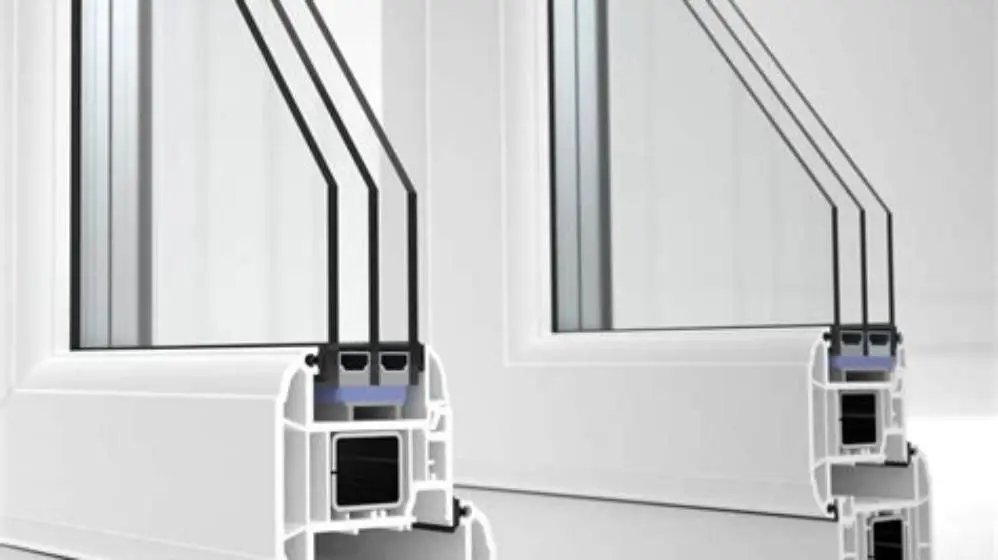
Triple glazing uses two sealed cavities with three glass panes, increasing the number of spacer bars and sealant joints. This complexity raises failure risk due to seal degradation from thermal cycling and moisture ingress.
Argon double glazing has one cavity and fewer seals, simplifying manufacture and reducing potential leak points. This contributes to longer functional seal life and lower maintenance costs.
When seals fail, condensation appears between panes, causing visual fogging and performance loss. For triple glazing, repairs are more expensive and may require full unit replacement, which is disruptive in retrofit situations.
Benefits of argon gas in double glazing for retrofit projects
Argon gas has a thermal conductivity roughly 67% less than air, improving U-values of double glazed windows by 15-20%. This means better insulation without thicker glass units.
Argon filling reduces heat loss by conduction between panes, enhancing comfort and lowering heating bills.
In retrofits, argon gas offers a cost-effective upgrade with minimal changes to window thickness or frame strength requirements.
Argon double glazing still allows good solar gain control with appropriate coatings, balancing winter warmth and summer overheating risks better than triple glazing in many cases.
Argon gas has a density around 1.38 kg/m³, heavier than air (1.2 kg/m³), which helps reduce convective heat transfer inside the glazing cavity.
Argon is inert and non-toxic, posing no health risk if a seal fails. Its thermal conductivity is roughly 0.016 W/mK, compared to air's 0.026 W/mK, accounting for the 15-20% improvement in insulation performance.
In retrofit projects, argon gas filling allows window manufacturers to maintain slim unit thickness, preserving frame compatibility and reducing installation complexity and cost.
Finding grants and trustworthy suppliers for south-facing window glazing retrofit
Several UK grants support energy-efficient glazing retrofits, including the Boiler Upgrade Scheme and ECO4. Eligibility depends on property type, EPC rating, and income criteria.
Trustworthy suppliers demonstrate compliance with BS EN standards for windows and glazing. Ask for certifications and examples of previous retrofit projects on period homes.
Always request detailed quotes specifying glass type, gas fill, frame compatibility, and warranty terms to avoid surprises.
Check whether the supplier can install external shading or ventilation controls to mitigate overheating risks on south-facing windows.
Grants like the Boiler Upgrade Scheme offer up to £5,000 for energy efficiency improvements, including glazing upgrades, but often exclude full triple glazing replacements unless part of a larger renovation.
Look for suppliers certified under the British Fenestration Rating Council (BFRC), which verifies energy performance and installation quality. BFRC ratings help compare products objectively.
Demand a written warranty covering seal integrity and glass breakage for at least 10 years. Some suppliers include service visits to check seal performance and glazing condition, which helps avoid overheating caused by failing units.
Will triple glazing reduce overheating on south-facing windows in retrofit
Triple glazing alone does not reliably reduce overheating on south-facing retrofit windows. Its superior insulation traps more solar heat indoors during summer.
Argon-filled double glazing often provides a better balance of heat retention and solar gain control, especially if combined with external shading.
Retrofitting triple glazing requires considering frame strength, sealing durability, and shading options to avoid overheating.
Measure solar heat gain coefficient (SHGC) and U-values from suppliers to compare glazing options objectively for your property.
You may need to add shading or ventilation improvements alongside triple glazing to effectively reduce overheating.
Measuring SHGC and U-value from manufacturers helps decide glazing suitability. For instance, a triple glazed unit with U-value 0.8 W/m²K but SHGC 0.3 may perform worse for summer overheating than argon double glazing with U-value 1.2 W/m²K and SHGC 0.5.
In retrofit, frame strength limits triple glazing use. Overloading frames causes warping or cracking, worsening air leaks and heat gain. Argon double glazing avoids these issues in many cases.
Post-installation, monitor internal temperatures during sunny days to verify overheating reduction. Using data loggers or simple thermometers can confirm if glazing choice meets expectations. If overheating persists, adding shading or ventilation is necessary.
| Feature | Argon double glazing | Triple glazing |
|---|---|---|
| U-value (W/m²K) | 1.2-1.6 | 0.8-1.0 |
| Typical thickness (mm) | 20-24 | 28-36 |
| Seal life (years) | 15-20 | 10-15 |
| Weight (kg/m²) | approx. 25 | approx. 35 |
| Overheating risk | Lower with shading | Higher without shading |
| Suitability for Victorian frames | Good | Risky due to weight |
| Cost (relative) | Lower | Higher |
Questions people still ask
Can triple glazing retrofit improve a home's EPC rating?
Yes, triple glazing can improve EPC ratings by lowering U-values and heat loss. However, the improvement may be offset if overheating issues arise and ventilation is inadequate.
Is argon gas safe and permanent inside double glazing?
Argon gas is inert and safe. Over time, small amounts may escape if seals degrade, but good quality units retain argon for 10-20 years before performance drops noticeably.
How do I check if my Victorian windows suit triple glazing retrofit?
Check frame depth and strength with a qualified surveyor. Frames must support the extra weight and thickness of triple glazing without warping.
What shading options work best with triple glazing to reduce overheating?
External shading like blinds, shutters, or roof overhangs reduce solar gain effectively. Internal blinds help but do not prevent heat entering the glazing itself.
Are there grants covering triple glazing retrofit projects?
Some UK schemes like ECO4 and the Boiler Upgrade Scheme may fund glazing improvements if part of broader energy efficiency works. Eligibility depends on property and income.