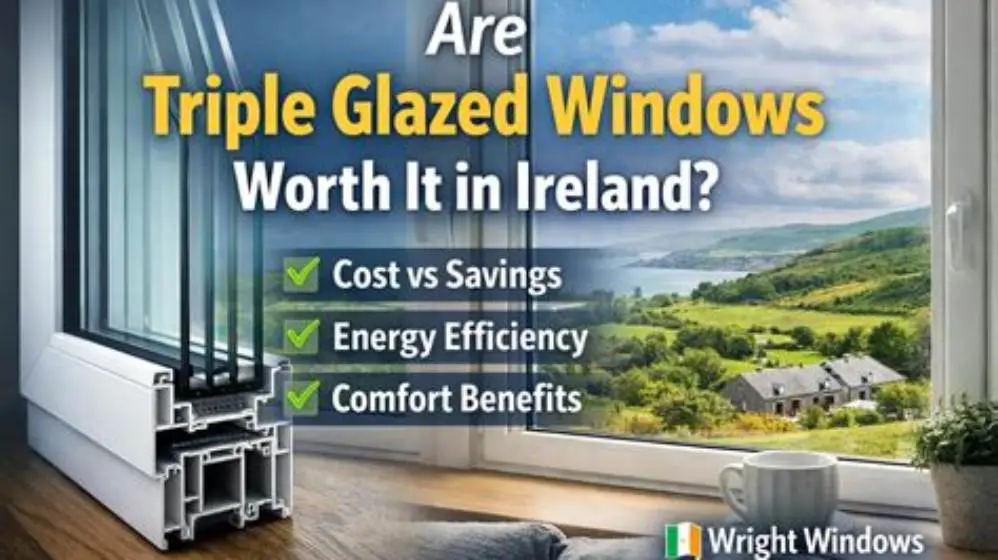
Triple glazed windows typically cost £250-£400 per m² and cut heat loss by an extra 15-25% compared to double glazing. They’re worth it if you live in a cold region, want a higher EPC rating, or need noise reduction, but double glazing usually suffices otherwise.
On this page
- Quick recap
- Compare double vs triple glazing energy efficiency
- How much is triple glazing windows in the UK
- When are triple glazed windows worth it
- Pick the right triple glazed window specification
- How to check if your home benefits from triple glazing
- How triple glazing fits with UK grants and retrofit schemes
- Quick questions
Quick facts
- Cost window glazing
- £250-£400/m²
- U-value triple glazing
- 0.8-1.0 W/m²K
- U-value double glazing
- 1.2-1.4 W/m²K
- Heat loss reduction
- 15-25% extra
- Typical glass thickness
- 28-36 mm
Quick recap
- Triple glazing adds 15-25% better heat retention than double glazing.
- Costs range £250-£400 per square metre, higher than double glazing.
- Best for cold UK areas, homes with poor insulation, or noise issues.
- Check for grants like ECO4 or Boiler Upgrade Scheme to offset costs.
- Upgrade only if your windows are old or your home is draughty.
Compare double vs triple glazing energy efficiency
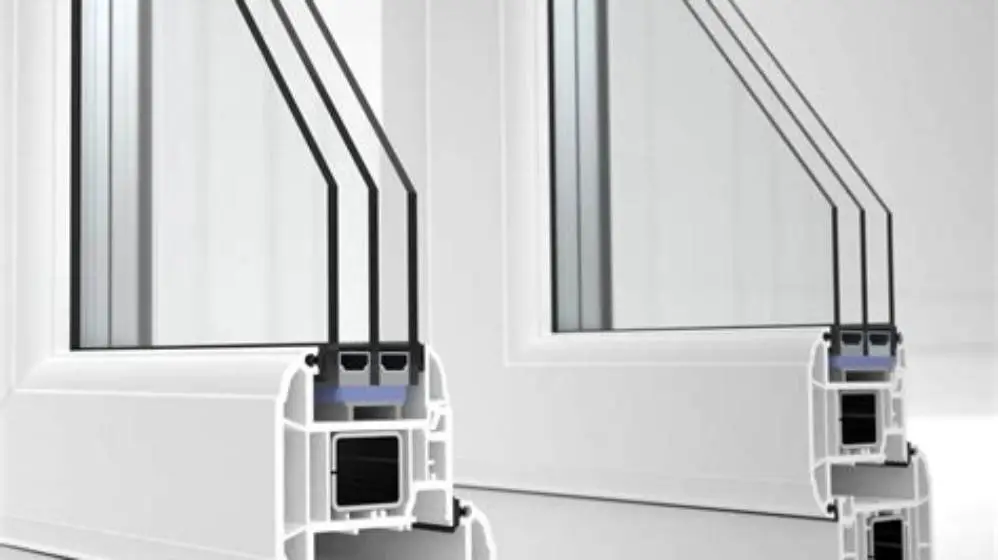
Triple glazed windows reduce heat loss by approximately 15-25% more than double glazed ones, thanks to an extra pane and usually thicker glass layers. This improvement depends on the overall window construction, including frame materials and gas fills like argon or krypton.
Typical U-values for triple glazing range from 0.8 to 1.0 W/m²K, compared to 1.2 to 1.4 W/m²K for modern double glazing. A lower U-value means better insulation and less heat escaping through your windows.
This difference matters most in colder UK regions or poorly insulated homes, where every watt saved significantly lowers heating costs and improves comfort. However, in mild climates or highly insulated buildings, the energy saving may not justify the higher upfront cost.
| Type | Typical U-value (W/m²K) | Heat loss reduction % | Glass thickness (mm) |
|---|---|---|---|
| Double glazing | 1.2-1.4 | Baseline | 20-28 |
| Triple glazing | 0.8-1.0 | 15-25% better | 28-36 |
How much is triple glazing windows in the UK
Expect triple glazed windows to cost between £250 and £400 per square metre installed. The price depends on the window size, style, frame material, and any additional features like low-emissivity coatings or specialist gases. If that sounds like your situation, read up on reducing retrofit window overheating next.
By contrast, double glazed windows typically cost £150 to £250 per square metre installed, making triple glazing about 50-70% more expensive upfront.
Installation complexity and whether your existing frames can be reused also influence cost. Full replacement with new triple glazed units costs more but achieves better airtightness and thermal performance.
The cost of triple glazing varies with frame materials. uPVC frames tend to be cheaper, while timber and aluminium frames increase the price. For example, a 1.2 m x 1.2 m triple glazed casement window with uPVC frames might cost around £320 installed, while the same size in aluminium could reach £400. People in this spot often ask about retrofitting a house guide as well.
Additional features affect pricing. Low-E coatings and krypton gas fill add up to £50 per square metre. Toughened or laminated safety glass raises costs too. Getting multiple quotes helps you find the best deal for your specifications.
When are triple glazed windows worth it
Buy triple glazed windows if your home suffers from cold drafts, has single or old double glazing, or you need to raise your EPC rating. They also benefit those near busy roads or airports who want noise reduction.
Consider local climate: UK regions with colder winters, such as northern England and Scotland, gain more from triple glazing’s extra insulation. In southern England, the marginal savings may not cover the higher costs. It helps to understand defining a green home before going further.
If your home already has good insulation and modern double glazing with U-values near 1.2 W/m²K, the upgrade yields small financial gains but may improve comfort and reduce condensation.
Triple glazing is most worth it in homes with poor wall insulation where window heat loss is a bigger share of total loss. In well-insulated homes, the relative gain shrinks. For instance, if your walls have an R-value of 3.5 or higher, the benefit of triple glazing decreases.
If your home has south-facing windows, solar heat gain during winter can reduce the need for triple glazing. However, if windows face north or east, triple glazing can help retain heat better. Noise reduction is another factor; in urban or high-traffic areas, triple glazing can cut noise by up to 50% more than double glazing, making it worth the cost regardless of energy savings.
- Cold UK climates: larger savings on heating bills
- Poorly insulated homes: more heat retention
- Noise-sensitive locations: triple glazing cuts sound better
- Planning higher EPC ratings: triple glazing helps
Pick the right triple glazed window specification
Look for triple glazed windows with a U-value of 0.8 W/m²K or better to ensure meaningful energy savings. Check the glass thickness, typically 28-36 mm, and the gas fill: krypton offers better insulation than argon but costs more.
Low-emissivity (Low-E) coatings on the glass reflect heat back inside, boosting performance further. Frames made from uPVC, wood, or aluminium with thermal breaks affect overall insulation, so choose accordingly.
A well-installed triple glazed window must also be airtight and draught-proof to reach its rated energy efficiency.
Check the spacer bars between panes. Warm edge spacers reduce heat loss around the glass edges and condensation risk. Aluminium spacers are common but less efficient than silicone foam spacers.
Glass thickness varies but generally ranges between 4 mm and 6 mm per pane. Thicker glass provides better insulation and noise reduction but adds weight. Ensure your frames and hinges can support the weight to avoid sagging or damage.
A worked example: a triple glazed window 1.5 m wide by 1.2 m high (1.8 m²) with a U-value of 0.8 W/m²K loses 1.44 W per degree of temperature difference (0.8 x 1.8). A double glazed window at 1.3 W/m²K would lose 2.34 W. The difference of 0.9 W per degree may save significant heating energy over months.
How to check if your home benefits from triple glazing
Measure your current windows’ U-value using a thermal camera or hire a professional survey. Homes with U-values above 2.0 W/m²K gain the most from triple glazing.
Check for draughts by holding a lit candle near window edges on a windy day; flickering flame means air leaks. Draughty homes lose more heat and benefit more from upgraded glazing.
Use your energy bills to see if heating costs are high relative to similar homes. Large savings on heating bills justify triple glazing investment over time.
- Inspect existing window frames for damage or rot.
- Test for draughts with candle or smoke pen.
- Review recent energy bills for unusually high heating use.
- Request an EPC or professional window survey to identify heat loss.
How triple glazing fits with UK grants and retrofit schemes
Triple glazed windows often qualify for government-backed grants like ECO4 for low-income households or the Boiler Upgrade Scheme combined with whole-house retrofit.
Check your eligibility because these schemes usually require your windows to meet specific energy performance targets and be part of a broader insulation or heating upgrade.
Installing triple glazing without meeting grant criteria may be costly but can improve your home’s comfort and value. Always verify current schemes before committing.
Triple glazing is a worthwhile investment primarily in colder regions or poorly insulated homes, but its higher cost offers diminishing returns elsewhere.
Quick questions
Do triple glazed windows really cut heating bills in the UK?
Yes, triple glazing reduces heat loss by 15-25% more than double glazing, which can lower heating bills, especially in colder UK regions and older homes.
Can I install triple glazed units in my existing double glazed frames?
Usually not. Triple glazed units are thicker and need deeper frames, so full window replacement is often required.
Are there noise reduction benefits with triple glazing?
Yes, triple glazing typically offers better noise insulation due to an extra glass pane and wider gaps, which suits homes in noisy areas.
What maintenance do triple glazed windows need?
Triple glazed windows require standard upkeep: clean frames and glass, check seals annually, and handle hinges or locks to prevent draughts.
Will triple glazing improve my home’s EPC rating?
Upgrading to triple glazed windows can improve your EPC rating by lowering your overall heat loss, especially if your current windows are old or single glazed.