Biomass boiler grants in the UK depend on your property's EPC rating, heating system, and region; mainly available via the Boiler Upgrade Scheme for homes with an EPC of D or below. You must meet specific installation and fuel sustainability criteria.
On this page
- Quick recap
- Differences between Boiler Upgrade Scheme and other biomass grants
- Differences between Boiler Upgrade Scheme and other biomass grants
- Application process steps and required documentation
- Common reasons biomass boiler grant applications are rejected
- Biomass boiler grant application checklist
- How to measure if biomass boilers suit your home and grant eligibility
- Quick questions
Part of our guide on optimizing home heating costs
Quick facts
- EPC rating requirement
- D or below
- Grant scheme
- Boiler Upgrade Scheme
- Typical grant value
- £5,000 to £6,000
- Installation deadline
- Varies by scheme
- Installer accreditation
- Required
- Fuel sustainability
- Must meet standards
Quick recap
- Only homes with EPC rating D or below usually qualify.
- The Boiler Upgrade Scheme is the main biomass grant currently active.
- Applications require proof of property eligibility and installer accreditation.
- Common rejections stem from incorrect EPC or non-approved installers.
- Some regional variations exist across England, Scotland, Wales, and Northern Ireland.
Differences between Boiler Upgrade Scheme and other biomass grants
The Boiler Upgrade Scheme (BUS) is the UK Government’s primary, nationwide support route for domestic low-carbon heating as of 2024. The scheme offers approximate grants of £5,000 to £6,000 per installation, depending on the technology and when the claim is made; this figure is reported on GOV.UK’s BUS pages (see sources below). BUS replaced the domestic Renewable Heat Incentive (RHI) and is focused on getting households off fossil-fuel boilers. BUS has nationally standardised rules on eligible technologies, installer accreditation and fuel sustainability that apply across England, Wales and Scotland.
Regional or local programmes still operate alongside BUS and they differ in form, eligibility and in whether they give grants or loans. Wales’s Nest scheme is a means-tested support programme for low-income or vulnerable households and can fund low-carbon heating where appropriate; Nest prioritises household income, vulnerability and property tenure and is administered through the Nest portal (links below). In Scotland, Home Energy Scotland provides advice and a range of support including low-interest loans and boiler grants run by local councils; Scottish funding often prioritises fuel-poor households and uses different application portals from BUS.
Key practical differences: BUS sets mandatory installer accreditation (MCS or equivalent) and fuel sustainability standards for biomass units; regional schemes may require different proof (for example proof of income for Nest) and sometimes accept locally accredited installers. BUS applications are made through the government portal administered by Ofgem (details below), whereas Nest and Home Energy Scotland use their own application systems or local council portals. Northern Ireland does not currently operate a central, UK-wide biomass boiler grant equivalent to BUS; householders there should check nidirect.gov.uk and local council energy grant pages for any local schemes or one-off funding rounds.
| Feature | Boiler Upgrade Scheme (BUS) — England, Wales, Scotland | Nest (Wales) | Home Energy Scotland / Scottish local programmes | Northern Ireland (current status) |
|---|---|---|---|---|
| Type of support | Grant (capital) — BUS voucher system; application via GOV.UK/Ofgem | Grant (means-tested) — apply via Nest portal | Low-interest loans and targeted grants — apply via Home Energy Scotland or local council portals | No dedicated, UK-wide biomass grant; local schemes only |
| Typical funding | Approx. £5,000–£6,000 per installation (BUS—see GOV.UK) [1] | Varies; awarded based on household income and need (Nest) [2] | Loan amounts and grant levels vary by local authority; not a standard BUS rate [3] | Varies by council if available; no standard national grant |
| Eligibility (common) | Owner-occupied or suitable tenancy; property energy performance and technology criteria; accredited installer required [1] | Low-income or vulnerable households; means-tested; tenure and income conditions [2] | Focus on fuel-poor households; local rules on EPCs and proof of income may apply [3] | Depends on any local scheme; check council pages or nidirect.gov.uk |
| Installer accreditation | MCS or equivalent mandatory for BUS claims [1] | Often recommended; Nest may specify approved installers for funded work [2] | Local requirements; Home Energy Scotland gives lists of recommended installers [3] | Local councils set their own installer requirements |
| Fuel sustainability rules | Mandatory sustainability and emissions criteria for biomass fuels to qualify [1] | Encouraged and sometimes specified in award conditions [2] | Encouraged; local schemes may set conditions on fuel source and emissions [3] | Varies by scheme; often considered in local grant rules |
| Application portal / contact | GOV.UK BUS pages and Ofgem reporting portal: https://www.gov.uk/guidance/boiler-upgrade-scheme and Ofgem links [1] | Nest portal: https://nest.gov.wales and Nest helpline (details on site) [2] | Home Energy Scotland: https://www.homeenergyscotland.org and local council websites [3] | NI central information: https://www.nidirect.gov.uk/services/energy-efficiency-grants; contact local council energy teams |
Differences between Boiler Upgrade Scheme and other biomass grants
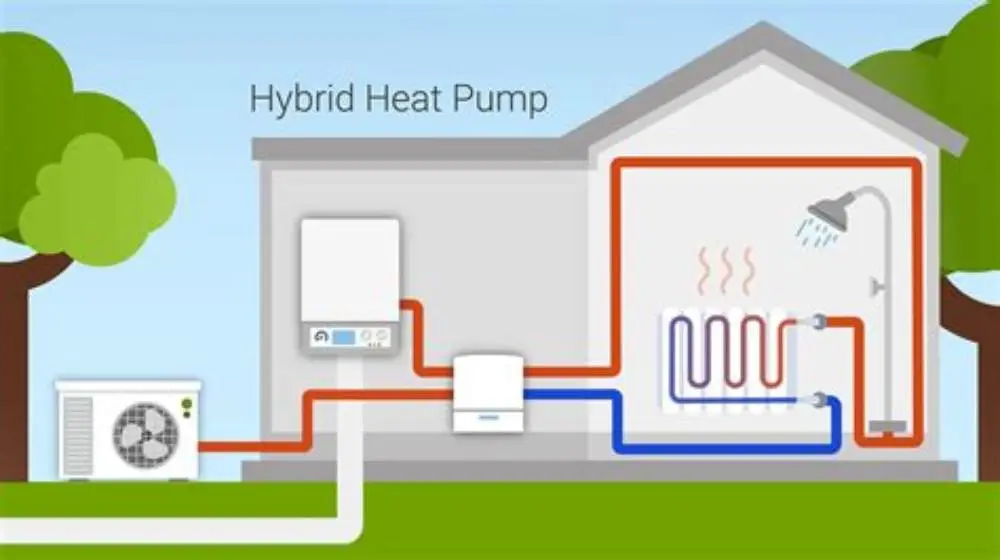
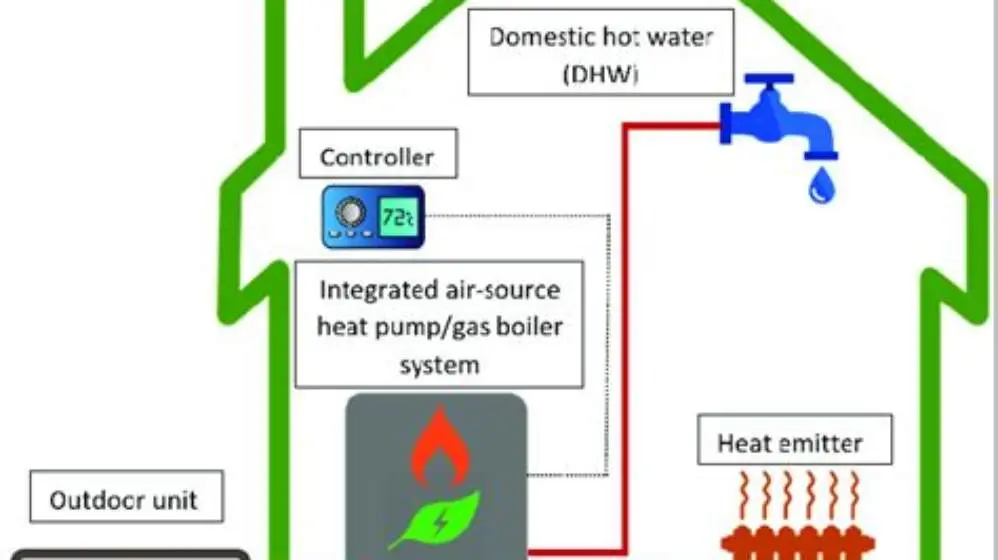
The Boiler Upgrade Scheme (BUS) is the UK Government’s primary nationwide biomass boiler grant as of now, offering around £5,000 to £6,000 per installation. It replaces earlier schemes like the Renewable Heat Incentive and focuses on helping homeowners ditch fossil fuel boilers. Before you commit to anything, it is worth looking at hybrid system with gas boiler.
Other grants appear regionally or apply to specific housing types. For example, the Nest scheme in Wales helps low-income households with biomass heating, but with stricter income or property ownership criteria. Scotland’s Home Energy Scotland uses loans rather than direct grants but supports biomass under low-interest terms.
BUS requires installations to meet strict emission and sustainability standards for fuels used, whereas some older or regional grants may have looser rules. Also, BUS features tighter rules about installer certification and proof of fuel supply to avoid scams or non-compliant systems.
| Feature | Boiler Upgrade Scheme (BUS) | Nest scheme (Wales) | Home Energy Scotland Loans |
|---|---|---|---|
| Grant type | Grant | Grant | Loan |
| Typical funding | £5,000-£6,000 | Varies, means-tested | Low-interest loan |
| Eligibility EPC | D or below | Depends on income and property | D or below |
| Installer certification | MCS required | Recommended | Recommended |
| Fuel sustainability | Mandatory | Encouraged | Encouraged |
| Geographical coverage | England, Wales, Scotland | Wales only | Scotland only |
- Nationwide availability
- Standardised eligibility
- Strong fuel sustainability rules
- Strict installer accreditation
- Limited to EPC D or worse
- Fewer options outside BUS
Application process steps and required documentation
Applying for a biomass boiler grant under the Boiler Upgrade Scheme involves a few clear steps you must follow precisely. First, confirm your EPC rating is D or below and that your existing heating system is fossil fuel based. It helps to understand step-by-step application process before going further.
Next, get a quote from an MCS-accredited installer who will also help with the paperwork. You must ensure the biomass boiler meets emission and efficiency standards and that the fuel supply is sustainable.
Then, you submit an application through the official BUS portal or your scheme’s relevant website before starting installation. This application will require your EPC, installer details, property and personal information, and a breakdown of costs and products.
After approval, the installation occurs. Once complete, you provide evidence such as an installation certificate and proof of purchase to receive the grant payment. For the detail, see our notes on uk installed cost of air source heat pumps.
Missing or incorrect documents, unaccredited installers, or ineligible EPC ratings are common reasons for application rejection.
- Confirm property EPC rating and heating system type.
- Get quotes from MCS-certified installers.
- Check boiler and fuel meet sustainability criteria.
- Submit application with EPC, installer details, and quotes.
- Wait for approval before installation.
- Complete installation and submit proof for grant payment.
Common reasons biomass boiler grant applications are rejected
One of the most frequent causes for rejection is an EPC rating above D, which immediately disqualifies the property in most cases. Some applicants misread or use outdated EPCs, so obtaining a current certificate is vital.
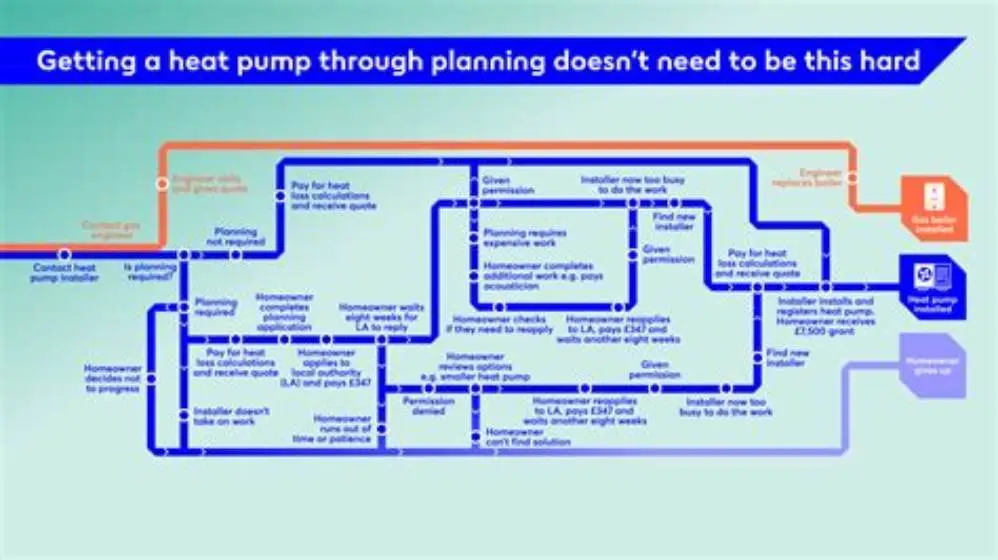
Installer accreditation is another sticking point. Only biomass boilers installed by MCS-certified professionals qualify, and applications citing unaccredited installers are dismissed. We cover key uk rules for heat pump permissions in its own article.
Non-compliance with fuel sustainability requirements also causes refusals. Biomass fuel must meet specific moisture content and origin standards to prevent environmental harm and meet grant rules.
Incomplete or incorrect application forms, missing quotes or evidence, and starting installation before approval are other key reasons grants are denied.
Some regional schemes have income or ownership restrictions that catch applicants unaware. Before you commit to anything, it is worth looking at will a heat pump fit my house with old radiators.
- EPC rating above D– disqualifies immediately
- Non-MCS installer– automatic rejection
- Non-compliant biomass fuel– fails sustainability tests
- Incomplete or late application– delays or refusal
- Installation started pre-approval– loses funding
Biomass boiler grant application checklist
To avoid common pitfalls and ensure your biomass boiler grant application succeeds, follow this detailed checklist:
1. Obtain a current EPC with rating D or below for your property.
2. Confirm your current heating system uses fossil fuels like oil or gas. We go through choosing the best system for UK homes step by step elsewhere on the site.
3. Verify that your chosen biomass boiler and fuel meet all emission and sustainability standards required by the grant.
4. Select an MCS-certified installer experienced with biomass systems.
5. Collect all documentation: EPC, installer certification, quotes, and fuel specifications.
6. Complete the application form fully and submit before installation begins.
7. After installation, gather proof such as installation certificates and purchase receipts.
8. Submit all post-installation documents on time to receive the grant.
Following these eight steps reduces the risk of rejection and speeds the grant award process.
- Get EPC certificate showing rating D or worse.
- Confirm fossil fuel heating currently installed.
- Choose compliant biomass boiler and fuel.
- Contract an MCS-accredited installer.
- Gather EPC, installer details, quotes, fuel info.
- Submit application form before installation.
- Complete installation as approved.
- Provide installation proof for grant payment.
How to measure if biomass boilers suit your home and grant eligibility
Assessing if a biomass boiler fits your home requires considering heat demand, fuel storage, and grant eligibility. These boilers typically suit standalone homes with sufficient space for a hopper or log store, often needing 1-3 tonnes of fuel storage depending on household size.
Calculate heating demand from your EPC or recent heating bills. Biomass boilers come in typical capacities from 10 kW up to 50 kW for domestic use, but sizing must match your home's heat loss profile to avoid inefficiency.
Grant eligibility requires your EPC rating be D or below and that your existing boiler runs on fossil fuels. If your home is new or highly insulated (EPC C or above), grants will likely not apply.
Space for fuel delivery and ash disposal is also critical. Biomass boilers produce approximately 1-3 kg of ash per day depending on fuel and usage, so plan for regular maintenance.
If you pass these suitability checks, confirm your estate's access to sustainable biomass fuel suppliers who meet grant criteria.
| Boiler capacity | Suitable house size | Fuel storage needed | Ash production |
|---|---|---|---|
| 10-15 kW | Small to medium houses | 1 tonne | 1 kg/day |
| 16-30 kW | Medium to large houses | 2 tonnes | 2 kg/day |
| 31-50 kW | Large houses or small commercial | 3 tonnes | 3 kg/day |
Quick questions
Can renters apply for biomass boiler grants?
Renters usually cannot apply directly, since grants target property owners or landlords. Landlords can apply on behalf of tenants if the property meets eligibility.
Does the biomass fuel supplier need certification?
Yes, fuel must meet sustainability and emission standards. Suppliers should provide documentation proving the biomass origin and quality for grant compliance.
Are biomass boilers eligible under the ECO4 scheme?
ECO4 focuses mostly on insulation and heat pumps. Biomass boilers are typically outside ECO4 but covered by the Boiler Upgrade Scheme and some regional grants.
Is grant funding available for replacing an existing biomass boiler?
Generally, grants target fossil fuel boiler replacements, not biomass-to-biomass swaps. Confirm specific scheme rules to be sure.
How long does the grant application process usually take?
Approval often takes 2-6 weeks depending on scheme and documentation quality. Delays happen if paperwork is incomplete or incorrect.