Expect to pay around £15 to £30 per UPVC door for draught proofing, with whole-house jobs costing £50 to £150 or more depending on size and method. Costs depend on materials, door types, and if professional fitting is needed.
On this page
Part of our guide on internal insulation price per m²
Quick facts
- UPVC door cost
- £15-£30 each
- Whole house cost
- £50-£150+
- DIY materials
- £5-£20 per door
- Professional fitting
- Adds £10-£30 per opening
- Typical seal length
- 2-6 metres
- Seal thickness
- 3-9 mm
- Seal lifespan
- 5-10 years
Quick recap
- Draught proofing a UPVC door usually costs £15–£30 in materials and fitting.
- For a whole house, expect £50–£150 or more depending on the number and type of openings.
- Self-fit options cost less but need precise measuring and the right materials.
- Professional fitting adds to cost but ensures airtight seals and longer-lasting results.
- Grants like ECO4 can sometimes help cover draught proofing costs for eligible households.
What is draught proofing and why does it matter
Draught proofing means sealing gaps around doors and windows to block cold air and keep heat inside. This stops heat from escaping and makes your home warmer. Heat loss from gaps varies widely depending on your home's condition and construction.
Leaks can range from tiny cracks to several centimetres around window or door frames. Sealing gaps reduces heat loss and lowers heating bills, but savings depend on your home's size, insulation, and heating system.
You can use foam strips, brush seals, rubber gaskets, or other materials. The best choice depends on the size of the gaps, the location, and whether it's a door or window.
Older houses usually have more gaps due to settling and less precise building methods. These homes often benefit most from draught proofing, but costs and savings vary by property. Before you commit to anything, it is worth looking at annual boiler service cost.
Draught proofing also cuts dust and reduces outside noise. These extras improve comfort and often make the upfront cost worth it for many.
Draught proofing cost per UPVC door
Sealing one UPVC door typically costs £15 to £30 including both materials and fitting. Material kits alone usually retail for £5 to £20 depending on length and seal type.
UPVC doors need flexible, compressible seals around 3 to 5 millimetres thick to form a tight barrier without affecting door operation. We cover what does it cost to build an eco home uk in its own article.
Professional fitting costs add £10 to £15 extra per door. Fitting takes about 30-60 minutes to cut, position, and fix the strips properly.
Self-fitting saves money but requires accurate measuring; a small error leaves gaps or causes door jamming.
If the door has an irregular frame or warped edges, you may need custom-cut seals or multiple seal types, increasing costs to £30-£40.
For example, a 2-metre perimeter UPVC door requiring a 5 mm thick foam strip might cost £12 for materials plus £12 for fitting, totaling £24.
Check the final fit by feeling for air leaks with your hand or a lit candle flame moving near edges after installation.
| Item | Cost range (£) | Notes |
|---|---|---|
| Materials | 5 - 20 | Seal strip length 2-4 metres |
| Professional fitting | 10 - 15 | Per door, includes labour |
| Total cost per door | 15 - 30 | Materials plus fitting |

How is draught proofing fitted
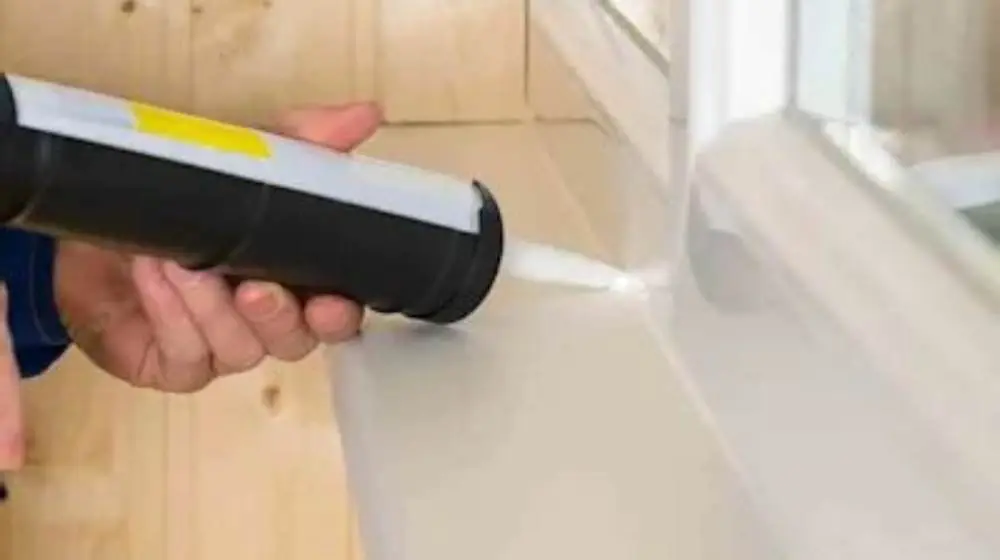
Fitting draught proofing involves cleaning the area, measuring gaps, cutting strips to length, and attaching them with adhesive or screws. Check that the door still closes fully without sticking.
For doors, seals go along the sides and bottom. For windows, all four edges may need sealing.
Different materials require different fixes: foam strips often have self-adhesive backing, brush seals need screws, and rubber gaskets may clip in.
Wear and tear means seals last 5 to 10 years before replacement is needed to maintain performance.
Seals on doors sometimes need trimming after initial fitting to prevent sticking, which adds 10-15 minutes per door for adjustments.
For external doors, weather-resistant adhesives or mechanical fixings ensure seals last through rain and temperature changes.
Test the door over several days to observe any gaps reopening as materials settle or compress.
- Clean surfaces thoroughly to ensure adhesion.
- Measure the perimeter of door or window gaps.
- Cut draught proofing strips to measured lengths.
- Attach strips securely with adhesive or fixings.
- Test closure and adjust if the door or window sticks.
Draught proofing for doors and windows: materials and methods
Doors and windows vary in materials and gap sizes, so choose seals accordingly. Foam strips suit larger gaps over 3 mm, brush seals fit uneven or angled gaps better, and rubber gaskets give a neat finish on UPVC or timber frames.
Weatherproofing strips designed for UPVC doors combine flexibility and durability, often rated to resist cold and heat fluctuations.
For older timber windows, consider combining draught proofing with secondary glazing to improve thermal performance further.
The cost difference between foam, brush, and rubber seals ranges from about £2 to £10 per metre, depending on quality and thickness.
For windows, thin self-adhesive foam tape typically costs £3-£8 per metre and suits narrow, even gaps up to 3 mm wide.
Brush seals cost around £7-£12 per metre and work well on uneven or larger gaps, often used on sash or older timber windows.
Rubber gaskets can cost £8-£15 per metre and sometimes clip into grooves in UPVC frames for neat, durable sealing.
| Material | Best for | Gap size range (mm) | Cost per metre (£) |
|---|---|---|---|
| Foam strip | Large gaps, doors | 3-9 | 2-5 |
| Brush seal | Irregular gaps, windows | 5-15 | 5-10 |
| Rubber gasket | UPVC/timber frames | 2-6 | 4-8 |
How much does draught proofing cost for a whole house
Costs depend on the number and size of doors and windows, plus the materials and fitting choice. For an average 3-bedroom UK home with 10-15 doors and windows, expect £50 to £150 or higher for professional draught proofing.
DIY jobs can reduce this to £30-£70 in materials but require time and care to measure and fit properly.
Adding draught proofing to a new or retrofit insulation project often bundles costs and saves on labour.
Check eligibility for government grants like the ECO4 scheme, which sometimes fund draught proofing for low-income or vulnerable households.
A 4-bedroom home with 20 doors and windows might spend £100-£200 professionally. Larger properties or those with conservatories need more materials and time.
Seasonal checks help spot worn seals. Replacing a worn strip early costs under £10 and prevents bigger heat loss.
Professional installers often offer guarantees of 1-3 years on their work, adding peace of mind.
How much does draught proofing cost
The cost of draught proofing varies from £5 for a simple DIY kit to £150 or more for a full professional job on a typical UK home.
Factors influencing price include the number of doors and windows, the type of seals used, whether you fit them yourself, and how old or unusual the frames are.
UPVC doors usually cost £15-£30 each to draught proof properly due to their distinct frame profiles needing specific flexible seals.
Buying seal kits online or from hardware stores lets you compare prices and materials. Choose strips with thickness matching your specific gaps.
DIY kits under £10 usually cover one door or one window effectively but might lack durability.
Older houses with uneven frames may see costs rise by 20-30% due to extra prep and specialized materials.
Check product reviews and specifications for seal thickness and durability to match your home's needs and budget.
Quick questions
Can I draught proof a UPVC door myself?
Yes, many UPVC door draught proofing kits are designed for self-fit with adhesive strips and easy-cut lengths. Measure gaps carefully to avoid door sticking.
How long does draught proofing last?
Typical seal materials last 5 to 10 years before becoming brittle or compressed and needing replacement to maintain airtightness.
Are there grants for draught proofing in the UK?
Yes, schemes like ECO4 may fund draught proofing for eligible households, especially those on low incomes or with specific vulnerabilities.
Does draught proofing improve my EPC rating?
Yes, reducing air leaks can improve energy efficiency and help raise an EPC rating by lowering heat loss and energy use.
What tools do I need to fit draught proofing?
Basic tools include a tape measure, scissors or a craft knife to cut seals, and a cleaning cloth to prepare surfaces.