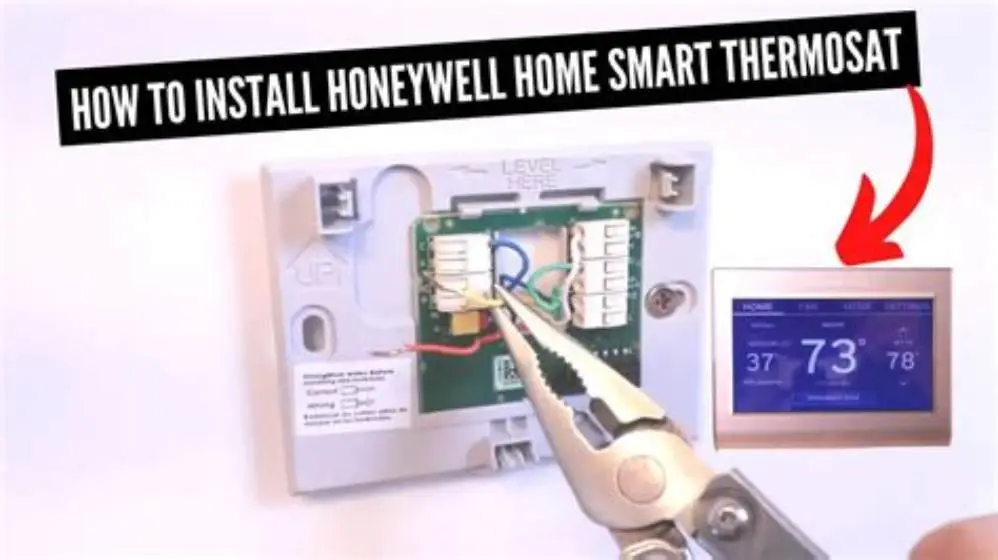
Smart thermostats are easy to install if your heating system has a standard 3-wire wiring setup and uses a 24-volt or 230-volt control signal. Check five wiring points and system compatibility to confirm. Otherwise, professional help is needed.
On this page
- Quick recap
- Check the 5 wiring points that decide if your smart thermostat fits
- What tools and skills do you need to install a smart thermostat
- Which heating systems work with smart thermostats in UK homes
- How to tell if your current wiring fits smart thermostat needs
- When is professional help recommended for smart thermostat installation
- Typical installation time and step-by-step process for smart thermostats
- Quick questions
Part of our guide on UK installed battery system prices
Quick facts
- Standard wires
- 3 wires
- Voltage range
- 24-230V
- Installation time
- 30-90 mins
- Common boiler types
- combi, system, conventional
- Professional help
- when wiring unclear
Quick recap
- Check your thermostat wiring: standard 3-wire setups fit most smart thermostats.
- Confirm heating system type: combi, system, or conventional boilers work differently.
- Tools needed include a screwdriver and a multimeter to test voltage and wires.
- Installation usually takes 30-90 minutes depending on wiring complexity.
- Professional help is recommended if you have old, complex, or unknown wiring.
Check the 5 wiring points that decide if your smart thermostat fits
Measure if your current thermostat wiring has three wires: live (L), neutral (N), and switched live (SL). Smart thermostats usually replace a conventional thermostat connected through these wires.
Use a multimeter to test voltage between live and neutral; it should register around 230 volts in UK homes. Some smart thermostats require a 24-volt control signal instead, common in systems with a separate boiler control box.
Confirm the presence of a common wire (C) for power. If missing, some smart thermostats need a power extender or professional rewiring.
Check if your thermostat wires connect to a room thermostat or boiler relay. Smart thermostats that control heating directly need compatible wiring at the boiler’s zone valve or relay. The other half of this decision is price for draught proofing.
Look for any extra wires related to hot water control, especially for system or conventional boilers, since smart thermostats may not control hot water directly.
- Live wire (L): supplies 230V power
- Neutral wire (N): completes the circuit
- Switched Live (SL): controls boiler firing
- Common wire (C): powers the thermostat
- Extra wires: sometimes for hot water zones
| Wiring check | Typical reading | Compatible outcome |
|---|---|---|
| Number of wires | 3 wires | Easy fit |
| Voltage | 230V AC | Standard thermostat fit |
| Common wire present | Yes | No power extenders needed |
| Switched Live connection | Present | Controls boiler correctly |
| Extra hot water wires | Present | May need separate control |

Klein Tools MM325 Digital Manual-Ranging Multimeter
Confirms wiring voltage live, neutral, and switched live by measuring AC voltage up to 600V, exceeding the 250V requirement.
What tools and skills do you need to install a smart thermostat
You need a screwdriver set, wire strippers, and a multimeter to test voltage and confirm wiring connections before installation.
Basic electrical skills include switching off the boiler and mains power, reading wiring diagrams, and safely connecting wires to terminals. For the detail, see our notes on smart thermostat compatible with heat pump and immersion.
If you don’t feel confident with electricity, or your wiring looks complex with many cables, call a professional electrician or heating engineer.
A simple test you can do at home is to measure voltage on each wire while the boiler is on. This confirms live and common wires are present.
Some smart thermostats include a voltage tester feature in their app or device, letting you check wiring status without a separate multimeter. This helps confirm that the thermostat receives power during installation. There is more on combi boiler lifespan in a separate guide.
Skill with wiring diagrams is handy. Thermostat manuals often show wiring schematics. Matching these to your wires avoids mistakes that cause no heating or system faults.
If you have a wireless smart thermostat, installation may only require mounting the unit and pairing it with a hub. This cuts out wiring but still demands power for the hub, usually via mains.
- Screwdriver: for terminal screws
- Wire strippers: prepare wire ends
- Multimeter: test voltage and continuity
- Basic electrical knowledge: safety first
- Turn off mains power before work
Which heating systems work with smart thermostats in UK homes
Smart thermostats are compatible with combi boilers, system boilers, and conventional boilers that use conventional thermostat wiring. We cover how much does internal insulation cost in its own article.
Combi boilers usually have the simplest wiring: one switched live wire to control the boiler firing.
System and conventional boilers often have separate controls for heating and domestic hot water requiring additional wiring or smart controls.
Underfloor heating and heat pumps may need special thermostats or additional modules to work correctly.
Electric storage heaters and certain older heating systems may not be compatible or need specialized controls.
Smart thermostats often support modulating boilers, too, which adjust heat output continuously rather than on/off. Check if your thermostat can handle modulation signals.
Some smart thermostats have compatibility lists for popular UK boiler models and heating systems. Confirming your boiler in these lists saves time and prevents compatibility issues.
If you have an open-vented heating system, wiring might differ from sealed systems. This can affect which smart thermostat models fit and how they control valves or pumps.
- Combi boilers: standard 3-wire fits most smart thermostats
- System boilers: check hot water control wiring
- Conventional boilers: may need extra wiring for water control
- Underfloor heating: may require special thermostat models
- Heat pumps: use compatible smart controls
How to tell if your current wiring fits smart thermostat needs
Locate your existing thermostat wiring at the wall or boiler. Count wires and note their colours: common colours are red (live), black or blue (neutral), and yellow/green (earth).
Use a multimeter to verify which wires carry voltage and which act as switched live. Smart thermostats normally need a live, neutral, and switched live wire to work.
Look for a wiring label or boiler manual showing thermostat wiring details. Some boilers rely on dry contacts instead of voltage wiring, which smart thermostats may not directly support.
If you find only two wires, you likely have a simple switched live system that’s usually compatible but may lack a common wire for powering smart features.
If wiring looks old, damaged, or non-standard, professional advice is safer before buying a smart thermostat.
If your wiring has only two wires, you can test for a common wire by measuring voltage between each wire and earth. A common wire usually shows a stable voltage, while switched live varies with heating calls.
Some older thermostats rely on volt-free contacts instead of power wires. Smart thermostats usually need powered connections, so a relay or adaptor might be necessary to interface.
Check your boiler manual or contact the manufacturer if you find unusual wiring colours or arrangements. This helps identify if your system uses proprietary controls that smart thermostats cannot replace directly.
When is professional help recommended for smart thermostat installation
Call a qualified heating engineer or electrician if your wiring is unclear or uses unusual colour codes or connections.
If you have multi-zone heating or complex hot water controls, professionals can integrate smart devices safely and correctly.
Professional help is crucial if you lack tools, confidence, or knowledge of electrical safety to avoid damage or injury.
Some smart thermostats require boiler interlock or extended wiring that only a professional should fit.
UK building regulations may require certified installers for certain heating controls to keep your home insurance valid.
- Unclear or old wiring
- Multi-zone heating systems
- Lack of electrical skills
- Boiler interlock wiring needed
- Local regulations requiring certification
Typical installation time and step-by-step process for smart thermostats
Installing a smart thermostat usually takes between 30 and 90 minutes. Time depends on wiring complexity and system type.
First, turn off the power at the mains and isolate the boiler electrical supply to work safely.
Next, remove the old thermostat and label wires to avoid confusion during reconnection.
Test wiring with a multimeter to confirm live, neutral, and switched live connections.
Connect wires to the new smart thermostat terminals following the manufacturer’s wiring diagram.
Mount the thermostat on the wall or its baseplate and restore mains power.
Configure the thermostat on its app and test boiler response to heating calls.
- Turn off mains and boiler power
- Remove old thermostat and label wires
- Test wires with multimeter for voltage and function
- Connect wires to new smart thermostat terminals
- Mount thermostat securely
- Turn power back on and test system
- Configure thermostat via app or controls
Quick questions
Can I install a smart thermostat myself without electrical experience?
You can if your wiring is simple and you follow safety steps carefully. Otherwise, hire a professional to avoid risks.
Do all smart thermostats need a neutral wire?
Most UK smart thermostats need a neutral wire to power their electronics. Some offer workarounds like power extenders if neutral is missing.
Will a smart thermostat work with my combi boiler?
Yes, as most combi boilers have standard 3-wire controls compatible with smart thermostats, but always check wiring first.
How do I know if my thermostat wiring is 24V or 230V?
Use a multimeter to measure voltage across live and neutral wires. 230V is typical for UK mains supply; 24V indicates low-voltage control.
Can a smart thermostat control hot water in my system boiler?
Not usually. Most smart thermostats control heating only. Separate smart controls or timers often manage hot water.
Is it worth installing a smart thermostat for energy savings?
Yes, especially if you can control heating schedules efficiently. Proper installation and compatibility ensure these savings.