Internal wall insulation costs £65 to £110 per m² installed in most UK homes, with insulated plasterboard at the low end and stud or metal frame systems higher. External wall insulation costs £110 to £170 per m² including scaffolding for a typical two-storey house.
On this page
- Quick recap
- How much does internal insulation cost per m² in the UK right now?
- Check what drives your internal cost up or down
- Add up external wall insulation cost per m² including scaffolding
- Compare internal versus external on cost, space and hassle
- Work out payback and EPC gain before you commit
- Get a quote you can trust and avoid the damp trap
- Quick questions
Quick facts
- Internal cost
- £65-£110 per m² fitted
- External cost inc. scaffold
- £110-£170 per m² fitted
- Scaffold share
- £12-£28 per m² typical
- Thickness internal
- 62-107 mm system
- EPC gain typical
- 5-12 points solid wall
- Disruption
- 1-2 days per room internal
Quick recap
- Measure your wall area in m² first, then apply the per-m² range for your system choice.
- Scaffolding adds £12 to £28 per m² on a typical semi, more if access is tight.
- Internal saves upfront cost but loses floor area and needs careful moisture detailing.
- Payback depends on gas price and heat loss, not just the headline m² rate.
How much does internal insulation cost per m² in the UK right now?
Internal wall insulation costs £65 to £110 per m² installed for most UK solid-wall homes when you ask how much does internal insulation cost and want a like-for-like figure. That range is for labour and materials on a straightforward wall, finished and decorated, with £ per m² changing with system choice and access. A small box room with lots of reveals costs more per m² than a long plain gable.
Expect £50 to £75 per m² for insulated plasterboard (62.5 mm to 82.5 mm board) bonded or mechanically fixed direct to masonry, and £80 to £110 per m² for a stud or metal frame with 50 mm to 90 mm rigid phenolic or PIR between and over the frame. Prices rise when you add a separate vapour control layer, new skirting and extended window boards. Electrical sockets, radiators and coving moved or refitted also push the £ per m² up.
Quotes usually bundle boarding, taping and skimming but not always paint, radiator refit or floor trim. Typical UK market prices in 2024-2025 put a £7,000 to £12,000 job for 80 m² of net wall area at the centre of the range for insulated plasterboard, and £9,500 to £14,500 for a framed system on the same area. That is the installed cost you compare, not the board price alone.
Typical UK terraces and semis need 60 m² to 120 m² of net external wall after windows and doors are taken off. Use your own net m² to test a quote. Multiply the quoted £ per m² by your net area and you will see if extras have been slipped in. There is more on solid wall internal vs external insulation in a separate guide.
- Insulated plasterboard: cheapest per m², fastest, loses least space, needs flat walls.
- Timber or metal stud with rigid boards: deals with uneven walls, hides services, costs more.
- Lime and wood fibre internal: higher material cost, good for moisture buffering in older brick.
Check what drives your internal cost up or down
Rigid phenolic board at 60 mm gives about the same thermal resistance as 90 mm of mineral wool, so your chosen thickness sets both cost and space loss. A 62.5 mm insulated plasterboard loses about 65 mm with adhesive, a 92.5 mm board loses close to 95 mm. Thicker is warmer but you lose floor area and you pay more per m². That trade-off decides the system.
Labour swings the £ per m² more than the board does. Plain gables go fast. Bay windows, alcoves, high ceilings and many sockets slow the job and lift the rate. Moving radiators, extending sills and refitting kitchens or built-ins is often priced as daywork on top. Ask for those items as separate lines so you can compare apples to apples.
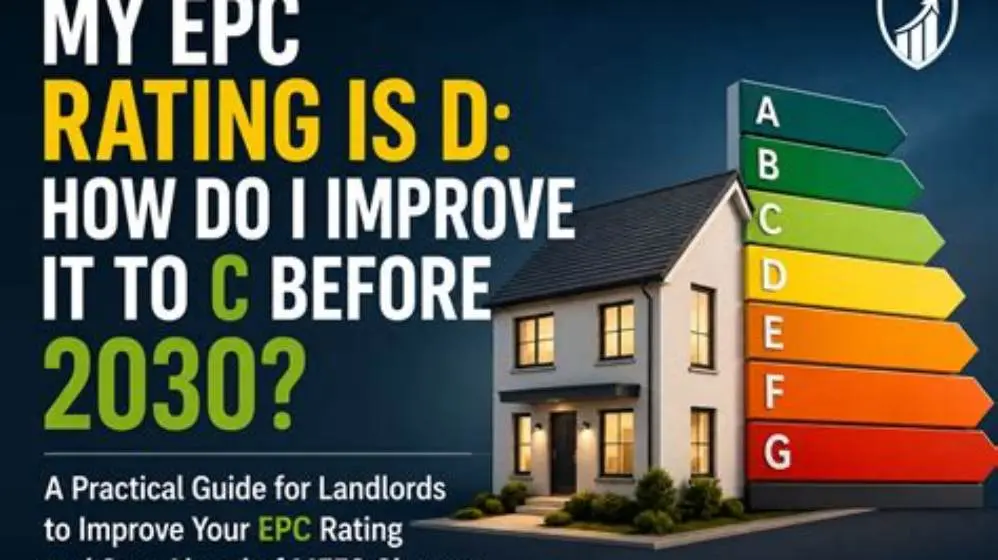
Damp and ventilation decide if internal is even wise at your price. Solid walls that already show penetrating damp, or rooms with poor extract, need repair and airflow first. A cheap per-m² price means little if you trap moisture behind a vapour control layer that is badly taped. Budget for a humidity check and for keeping a 50 mm to 100 mm ventilation gap where the system needs it. The other half of this decision is how to improve epc rating from d to c.
- Wall condition: flat and dry walls take bonded board, uneven or damp walls need a frame.
- Finish: skimming and decoration is often half a day per room extra.
- Access: upper floors add handling time but no scaffolding, unlike external.
Add up external wall insulation cost per m² including scaffolding
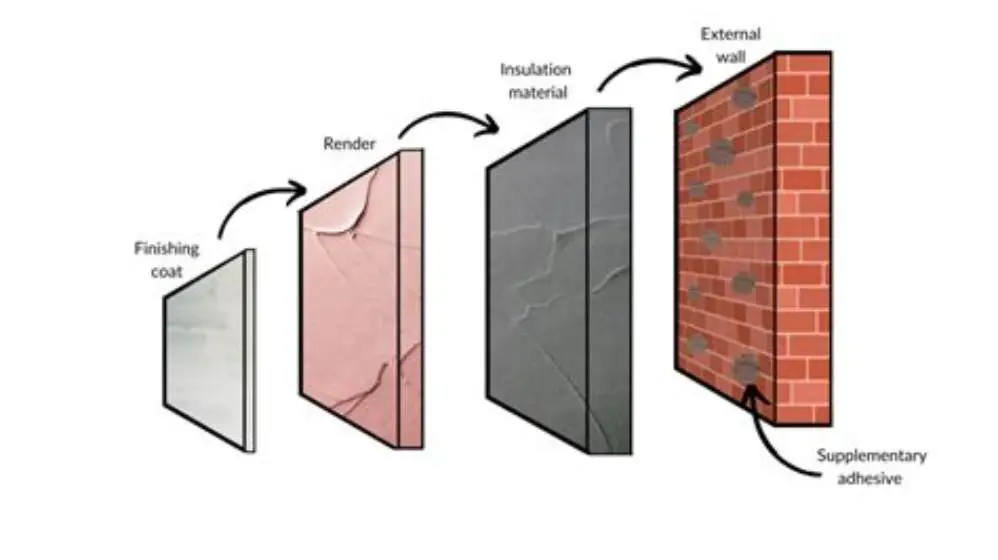
External wall insulation costs £110 to £170 per m² including scaffolding for a typical two-storey semi or terrace with decent access. That figure is for 90 mm to 120 mm mineral wool or EPS, basecoat, mesh and a silicone or brick-slip finish, plus scaffold hire and lift. Complex houses with many corners sit at the top. Plain gables with straight runs sit at the bottom.
Scaffolding usually adds £12 to £28 per m² when spread over the insulated area. A full wrap scaffold for a three-bed semi often hires for £2,500 to £4,500 for two to three weeks, more in London or where pavement licences and alarms are needed. Detached houses need more lifts and cost more per m² even though the £ per m² for the insulation itself is similar. Bungalows often cost less for scaffold but more per m² for details like verges.
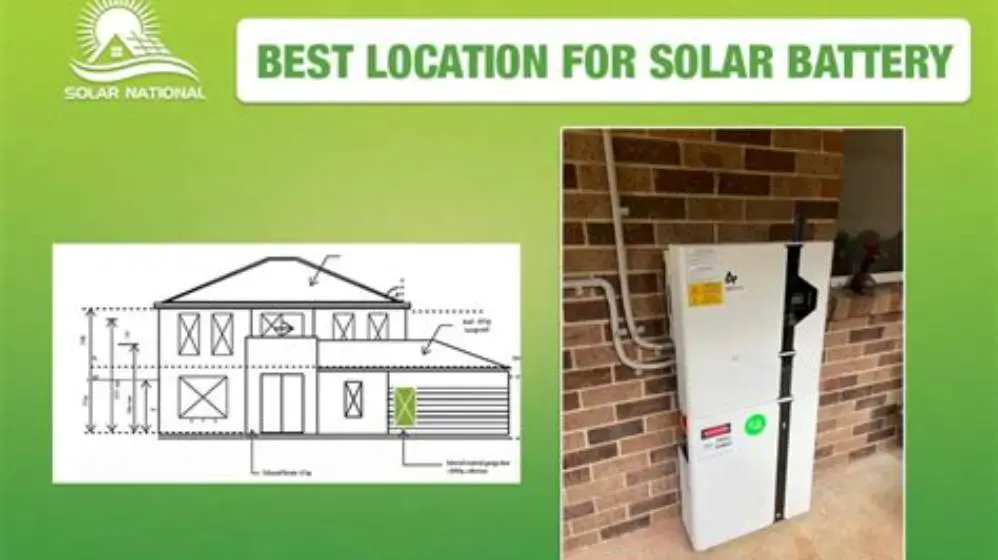
For a 80 m² net wall area, expect £9,000 to £13,500 all-in at the middle of the market, scaffolding included. Mineral wool systems run a bit higher than EPS for the same thickness because the board and fixings cost more. Brick slips, silicone render and extra beading add £8 to £20 per m² over a plain render. Get the scaffold as a separate line so you can see the true insulation rate. The other half of this decision is solar battery setup steps.
Always check what the per-m² price includes. Some quotes include scaffold, others list it as provisional. Some include moving soil pipes, extending sills and new verges, others do not. Those extras can shift the total by £800 to £2,000 on a normal house. That is why two quotes with the same £ per m² can differ by thousands.
| Item | Typical cost per m² | Notes |
|---|---|---|
| Insulation + render system | £85 to £130 | Mineral wool higher than EPS |
| Scaffolding spread | £12 to £28 | Depends on storeys and access |
| Finish upgrade (brick slip) | £8 to £20 extra | Heavier, more fixings |
Compare internal versus external on cost, space and hassle
You pay less per m² inside, but you pay in space and disruption. Internal at £65 to £110 per m² beats external at £110 to £170 per m² on headline cost, yet internal steals 70 mm to 100 mm from each treated wall and forces you to move sockets, radiators and skirting. External keeps floor area and gives a fresh weather skin, but needs scaffold and good detailing around roofs and sills.
Space loss matters in small rooms. A 3.5 m wide bedroom loses 140 mm to 200 mm if you treat both long walls. That can stop furniture fitting. External avoids that, but it changes the look of the house and needs planning care in conservation areas. Both need vents and extracts to stay working, or you swap cold walls for damp ones.
Disruption is different in kind. Internal is dusty, room by room, with electrics off for short spells. External is noisy outside, with scaffold up for weeks and paths blocked. If you rent out the home, external lets tenants stay more easily. If you live in it, internal lets you phase one room at a time and spread cost.
| Measure | Internal | External inc. scaffold |
|---|---|---|
| Cost per m² fitted | £65 to £110 | £110 to £170 |
| Space impact | Loses 65-100 mm per wall | No internal loss |
| Scaffolding needed | No | Yes, 2-3 weeks |
| Best for | Phased, budget jobs | Whole-house weather wrap |
- internal: lower £ per m², no scaffold, can phase room by room
- external: keeps floor area, wraps thermal bridges, fresh finish
- internal: loses space, many junctions to detail, socket and radiator moves
- external: higher £ per m², scaffold and access costs, planning limits
Work out payback and EPC gain before you commit
Payback rests on heat loss, not just the £ per m². A solid 225 mm brick wall at about 2.1 W/m²K loses roughly 45 kWh per m² per year in a typical UK heating season. Insulate it to 0.30 W/m²K and you save about 38 kWh per m² per year. At 7p per kWh for gas, that is about £2.65 per m² per year. At 24p per kWh for electric heating, it is about £9 per m² per year.
Add your real wall area and boiler efficiency. An 80 m² net wall at 85% boiler efficiency saves about £250 to £300 per year on gas, more if you keep rooms warmer before. Internal at £7,500 then pays back in 25 to 30 years on gas alone, faster if energy prices rise. External at £11,000 pays back slower on gas, but it also cuts drafts and may let you run a heat pump at lower flow temperatures.
Grants change the maths. ECO4 and the Great British Insulation Scheme can fully fund solid-wall insulation for eligible low-income homes, while the Warm Homes Plan is rolling out through local authorities with different rules by area. Check your council and energy supplier for current routes, and get the grant decision in writing before you sign a contract. An EPC lift of 5 to 12 points is common for solid-wall homes, often moving E to D or D to C, which helps landlords meet minimum standards and helps sellers, but it rarely pays for the job on its own.
- Gas-heated home: payback is long, comfort and EPC are the main wins.
- Electrically heated home: payback is much shorter per m² saved.
- Whole-house plan: combine walls with loft, floor and ventilation for real bill cuts.
Get a quote you can trust and avoid the damp trap
Get three like-for-like quotes with the same net m² and finish. Ask each installer to price scaffold separately for external, and to list board type, thickness in mm, fixings and finish by name. A quote that just says £95 per m² tells you nothing. One that says 90 mm mineral wool, full scaffold, silicone finish tells you what you buy.
Walk the house with the surveyor and agree the details that cause damp. Check trickle vents, kitchen and bath extracts, and whether window sills and roof verges need extending. On internal jobs, ask how the vapour control layer is taped at sockets, joist ends and window reveals. Gaps there cause the black spots people blame on the insulation.
Ask for a condensation risk note and a ventilation plan in writing. Good installers include it without fuss. If they wave it away, get another quote. That one page saves more money than haggling £5 per m² off the price.
- Measure net wall area: length × height minus windows and doors, in m².
- Note system and thickness: board type, mm, and finish, plus scaffold line for external.
- Check moisture and ventilation: fix leaks, confirm extracts run at 30-60 l/s in wet rooms.
- Compare totals: (rate per m² × net m²) + extras = true job cost.
- Lock the scope: written schedule of sills, verges, pipes and making good.
For most solid-wall UK homes on gas, internal gives the lowest cost per m² and a phased route, external wins when you want no space loss and a full weather wrap and can fund scaffolding.
Quick questions
Is internal wall insulation cheaper than external per m²?
Yes in most cases. Internal is £65 to £110 per m² fitted, external is £110 to £170 per m² including scaffolding. Internal saves scaffold cost but you lose 65 mm to 100 mm of room depth on each treated wall.
How much does scaffolding add to external wall insulation?
About £12 to £28 per m² when spread over the insulated area. A full scaffold for a two-storey semi often costs £2,500 to £4,500 for two to three weeks, more with pavement licences or tight access.
How thick does internal insulation need to be?
Most systems use 62.5 mm to 92.5 mm insulated plasterboard or 50 mm to 90 mm rigid board in a frame. Thicker cuts heat loss more but costs more and takes more floor space.
Will wall insulation improve my EPC a lot?
Solid-wall insulation often lifts the EPC by 5 to 12 points, sometimes a full band. The exact gain depends on starting rating, floor and loft insulation, and heating system.
Do I need planning permission for external insulation?
Most homes do not, but conservation areas, listed buildings and some estates do. External changes the appearance and thickness at eaves and sills, so check with your council before you book scaffold.