Step-by-step methods to loosen plumbing fittings by type and condition, including tools and damage signs to help you fix leaks and avoid costly replacements.
Loosen plumbing fittings by using a penetrating lubricant, applying heat for metal fittings, and turning with the correct wrench size. Brass and metal need care to avoid damage; PVC requires gentle twisting after softening. Avoid excessive force or you risk breaking the fitting.
On this page
Part of our guide on repairing freeze damage
| Penetrating oil soak time | 10-30 minutes |
|---|---|
| Heat temperature for brass | up to 250°C |
| PVC softening temperature | warm water ~50°C |
| Torque risk threshold | above hand-tighten level |
| Compression fitting parts | nut, ferrule, body |
Key takeaways
- Use penetrating oil on stuck metal or brass fittings before forcing.
- Heat metal fittings to expand them but avoid direct flame on PVC.
- PVC fittings soften with warm water, then twist gently to loosen.
- Match wrench size precisely to avoid rounding nuts or fittings.
- Replace damaged or corroded fittings instead of forcing removal.
How to loosen brass plumbing fittings
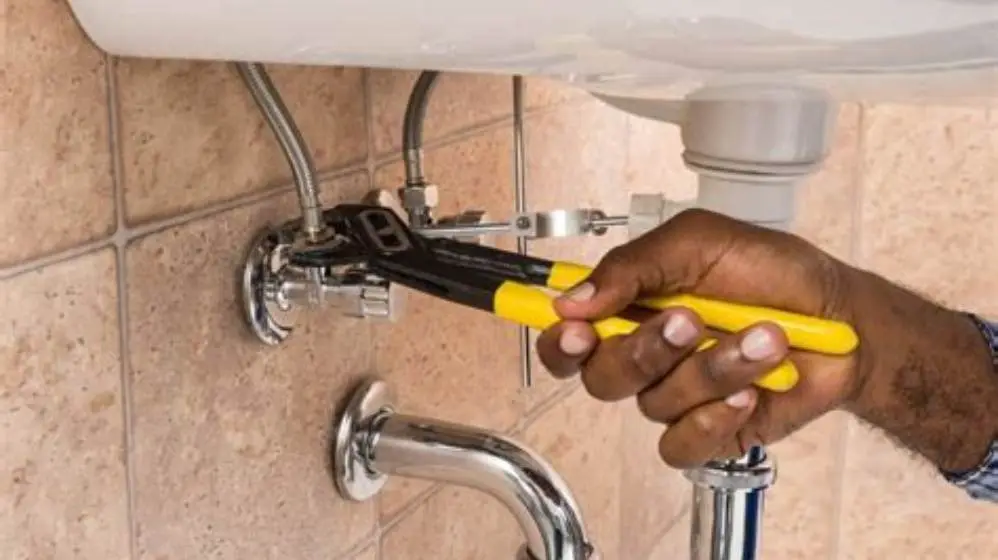
Brass fittings often seize due to corrosion or overtightening. Start by applying a penetrating lubricant to the threads and let it soak for 10-30 minutes to ease rust and mineral deposits. Use a correctly sized adjustable wrench or basin wrench to prevent rounding off the nut.
If the fit remains stuck, apply indirect heat with a heat gun or propane torch carefully, aiming for up to 250°C. Brass expands slightly with heat, breaking the bond. Avoid direct flame contact on nearby seals or plastic parts to prevent melting.
Always turn counterclockwise to loosen. If resistance is very high, tap gently with a hammer on the fitting body to help the lubricant penetrate further. Avoid excessive force or you risk cracking the fitting or twisting pipes.
- Penetrating oil: soak 10-30 minutes before attempt
- Wrench size: use adjustable or basin wrench matching nut
- Heat application: indirect heat up to 250°C to expand brass
- Avoid direct flame on seals and plastic parts
- Gentle hammer tapping may aid lubricant penetration

Free All Rust Eater Deep Penetrating Oil
Loosens rusted pipe connections and metal fittings safely without damage, using an 11 oz aerosol penetrating oil.
How to loosen PVC pipe fittings
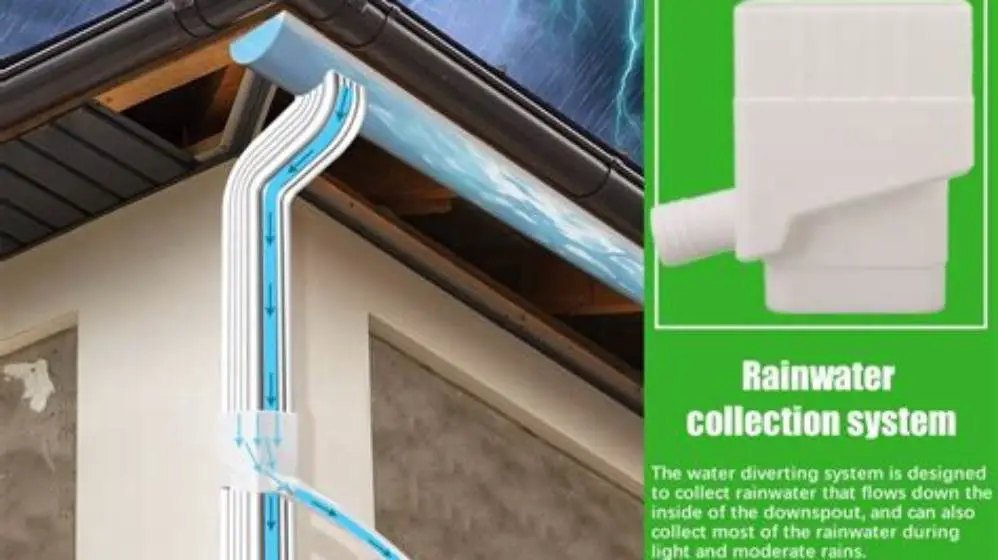
PVC fittings seize mainly from chemical bonding or debris inside. Unlike metal, use warm water (about 50°C) to soften the plastic rather than heat directly. Soak the fitting area for 15-20 minutes to help soften the joint. People in this spot often ask about rainwater diverter installation guide as well.
Avoid using metal tools that can crack or damage PVC. Instead, use strap wrenches designed for plastic parts or grip the fitting with rubber gloves and twist gently counterclockwise. Applying moderate steady force works better than sudden jerks.
If the fitting still resists, check for visible cracks or brittleness. Old PVC might become fragile, so forcing it risks breaking the joint and pipes, requiring a full replacement.
- Warm water soak: 50°C for 15-20 minutes to soften PVC
- Tools: use strap wrenches or rubber gloves for grip
- Avoid metal tools that may crack PVC
- Gentle twisting preferred over forceful jerks
- Inspect for brittleness before attempting removal
How to loosen metal pipe fittings
Metal pipe fittings, including galvanized steel or stainless steel, commonly seize from rust or mineral buildup. Start by spraying penetrating oil and waiting 10-30 minutes to allow it to break down corrosion.
Use two wrenches: one to hold the pipe steady and one to turn the fitting. This prevents twisting the pipe itself, avoiding leaks or breaks. For extra grip, use impact or adjustable wrenches sized exactly to the fitting nut.
If the fitting remains stuck, applying heat up to 250°C helps expand the metal and loosen rust bonds, but avoid heating near plastic or rubber seals. Never apply sudden hammer strikes directly on pipe threads, which damages them.
- Penetrating oil soak 10-30 minutes to loosen rust
- Use two wrenches for pipe stabilization and turning
- Match wrench size exactly on the fitting nut
- Heat application: indirect, max 250°C; avoid seals
- Avoid hammer strikes on pipe threads
How to remove plumbing compression fittings
Compression fittings consist of a nut, ferrule (ring), and fitting body. These seize when the ferrule grips tightly or the nut corrodes. Spray penetrating oil on the nut and wait 15-30 minutes to ease the joints.
Use two wrenches: one on the compression nut and one holding the fitting body. Turn the nut counterclockwise to loosen, but do not force beyond hand-tight levels to avoid deforming the ferrule.
If stuck, gently tap the nut with a hammer to help the lubricant penetrate. In some cases, heating the nut mildly can expand it and assist loosening. After removal, inspect the ferrule for wear or deformation and replace if necessary.
- Apply penetrating oil on the compression nut; wait 15-30 minutes.
- Stabilize the fitting body with one wrench.
- Loosen the compression nut counterclockwise with a second wrench.
- If stuck, tap gently on the nut to aid lubricant penetration.
- Remove and inspect the ferrule; replace if damaged.
How to recognize and handle stuck or old fittings
Stuck fittings often show physical signs: rust or mineral crusts on metal, brittleness or cracking in PVC, or distortion of nuts and threads. If the fitting turns only slightly with great force, it is likely seized or damaged.
Older fittings can be brittle or corroded, making forceful removal risky. Always inspect for cracks or swelling. Use penetrating lubricants liberally and give time to act before attempting removal.
If the fitting cannot be loosened after lubricant and heat or warm water treatments, replacement may be safer. Forcing can shear threads, crack pipes, or damage valves, leading to costly repairs.
- Rust, mineral buildup, or corrosion indicates likely seizure
- PVC cracking or brittleness warns against forcing
- Tiny turns with high force suggest damage risk
- Use penetrating lubricants and warm preparations patiently
- Replace fittings if loosening attempts fail
How to loosen a plumbing fitting
To loosen a plumbing fitting, start by identifying its material: brass, PVC, or metal. Apply an appropriate penetrating oil for metal or brass, or warm water for PVC, and let it sit for 10-30 minutes.
Use the right tool: an adjustable wrench for brass and metal, or a strap wrench for PVC. Stabilize the pipe to prevent twisting. Turn the fitting counterclockwise with steady, moderate force.
If stuck, apply indirect heat to brass or metal fittings (up to 250°C) or soak PVC in warm water (around 50°C). Avoid forcing to prevent damage. Repeat lubricant application and gentle tapping if needed until the fitting loosens.
- Identify fitting material: brass, PVC, or metal.
- Apply penetrating oil on metal/brass or warm water on PVC; wait 10-30 minutes.
- Use correct wrench; stabilize pipe to avoid twisting.
- Turn fitting counterclockwise with steady force.
- Apply heat or warm soak if stuck (up to 250°C or 50°C respectively).
- Repeat lubricant and gentle tapping until fitting loosens.
Questions people still ask
Can I use a hammer to loosen a stuck plumbing fitting?
Only gentle tapping on the fitting body can help lubricant penetrate. Direct hammer strikes on threads or nuts risk damaging them, which can cause leaks or break the pipe.
Is it safe to apply heat to PVC pipe fittings?
No. PVC softens and deforms at relatively low temperatures. Instead, use warm water (around 50°C) to gently soften PVC fittings before twisting.
What if a fitting won’t budge after using penetrating oil and heat?
Repeated attempts risk damage. Consider cutting out and replacing the fitting safely, especially if it shows signs of corrosion or brittleness.
How do I avoid stripping a fitting’s nut while loosening?
Use the correct wrench size that fits snugly. Avoid adjustable wrenches left loose or pliers that can round edges. Apply steady force rather than jerks.
What are signs a compression fitting should be replaced rather than loosened?
Visible cracks, deformed ferrules, or persistent leaks despite tightening indicate replacement is safer than forcing removal.