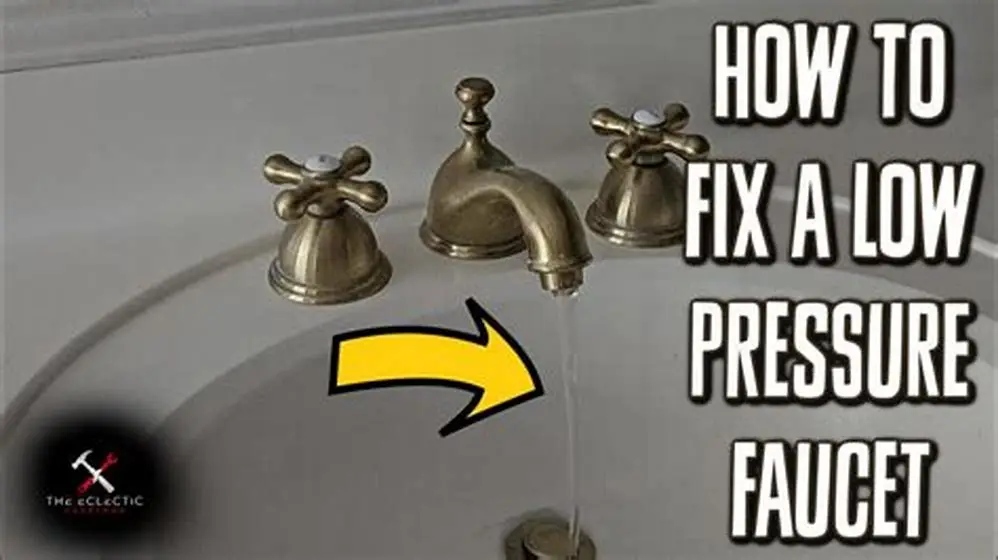
Step-by-step tests reveal whether clogs, pressure drops, or winter damage reduce your faucet’s water flow and how to fix each issue.
Fix low flow faucets by running three tests: check aerator clogging by unscrewing the tip, measure water pressure at the supply with a gauge, and inspect for freeze damage after winter, especially if flow dropped suddenly.
On this page
- Key takeaways
- How to fix low flow faucet by isolating the cause
- Test #1: Clean or replace clogged faucet aerators
- Test #2: Measure water pressure at faucet supply
- Test #3: Check for freeze damage after winter
- How to fix low flow kitchen faucet sudden low pressure
- Low water flow in bathroom faucet after winter
- Questions people still ask
Three straightforward tests isolate the exact cause of low flow faucets, helping you fix clogs, low pressure, or freeze damage quickly.
| Typical faucet pressure | 40-60 psi |
|---|---|
| Low flow threshold | < 2 gpm |
| Aerator cleaning interval | 6-12 months |
| Freeze risk period | Winter months |
| Pressure gauge range | 0-100 psi |
Key takeaways
- Unscrew and clean faucet aerators to clear common clogs
- Use a pressure gauge to verify if water pressure is below 30 psi
- Look for freeze damage signs after winter if flow dropped suddenly
- Replace damaged parts or flush lines if tests indicate problems
- Clear steps help cut water waste and avoid costly plumbing
How to fix low flow faucet by isolating the cause
Low flow faucets often result from three main issues: clogged aerators, low water pressure, or freeze damage in winter. Pinpointing the cause quickly saves time and money. You start by visually inspecting the faucet, then proceed with simple tests.
Unscrew the faucet aerator — the mesh screen on the spout tip — and check whether mineral deposits or sediment have blocked water. Cleaning or replacing the aerator restores flow if this is the issue.
Next, measure water pressure at the faucet supply using a pressure gauge. Typical household water pressure ranges between 40 and 60 psi. If your gauge reads below 30 psi, low pressure causes slow flow, and the problem lies in plumbing or supply.
Finally, if winter recently passed and flow suddenly dropped, suspect freeze damage. Frozen pipes crack or partially block water paths. Visual inspection for leaks and replacing damaged parts are necessary steps. We go through what size heat pump for 1500 square foot house step by step elsewhere on the site.
| Cause | Typical symptom | Diagnostic test | Common fix |
|---|---|---|---|
| Clogged aerator | Weak, sputtering spray | Remove & clean aerator | Clean or replace aerator |
| Low water pressure | Flow weak everywhere | Pressure gauge <30 psi | Plumbing check or pressure booster |
| Freeze damage | Sudden drop post-winter | Visual pipe damage check | Pipe repair or replacement |
Test #1: Clean or replace clogged faucet aerators
Faucet aerators accumulate minerals and sediment, reducing water flow to under 2 gallons per minute (gpm). This is the easiest problem to fix. Unscrew the aerator with adjustable pliers if needed, then inspect for buildup.
Soaking the aerator in vinegar for 30 minutes dissolves most mineral deposits. Rinse thoroughly before reinstalling. If damage or clogging persists, replace the aerator. Aerators cost between 0.5 and 2 inches diameter and match faucet models.
Ideal aerator flow rates range 1.0 to 2.2 gpm depending on water conservation goals. Installing low-flow aerators can cut water use but expect visibly slower flow. Cleaning aerators every 6-12 months prevents buildup and keeps flow optimal. There is more on mvhr unit operation explained in a separate guide.
In some cases, an aerator may appear clean but still restrict flow due to internal mesh damage or clogging not visible at a glance. Testing flow after cleaning confirms effectiveness; if flow remains below 1 gpm on a faucet rated for 2 gpm, replacement is necessary.
For example, a kitchen faucet with a clogged aerator may deliver only 0.5 gpm. Cleaning it raises flow to 1.8 gpm, close to the ideal 2 gpm. If cleaning fails, a new aerator costing under $10 restores normal flow. Regular maintenance avoids such drops, especially in areas with hard water where mineral buildup is faster.
- Turn off faucet and unscrew the aerator from the spout tip
- Inspect for visible mineral deposits or blockage
- Soak aerator in vinegar or descaling solution for 30 minutes
- Rinse and reinstall; test water flow
- Replace aerator if flow remains low or device is damaged

SENCTRL 0-200 Psi Lead-Free Water Pressure Gauge Test with Lazy Hand
Confirms your faucet water pressure with a 0-200 psi range gauge, covering typical household pressures.
Test #2: Measure water pressure at faucet supply
A pressure gauge attached to the faucet supply line reveals if pressure is the reason for low flow. Normal household water pressure ranges 40-60 psi; below 30 psi indicates a supply or internal pipe restriction. For the detail, see our notes on how grey water reuse works.
Attach a pressure gauge at the faucet’s supply valve by removing the hose or connecting to a test fitting. Open the valve fully and read the gauge. Note that pressure varies by time of day and distance from mains. Check at peak and off-peak hours.
If pressure is low, fixes include clearing blocked pipes, repairing leaks, or installing a pressure booster. A pressure gauge with a 0-100 psi range and 1 psi resolution is suitable for home use and costs under $30.
Water pressure can also fluctuate seasonally or due to municipal maintenance. Checking pressure at different times of day reveals patterns; for example, pressure might be 50 psi in the morning but drop to 25 psi during peak usage hours, explaining intermittent low flow. The other half of this decision is how to loosen a plumbing fitting.
If pressure tests show borderline readings around 30 psi, consider that pipe diameter and faucet design affect perceived flow. A faucet with a 1/2 inch supply pipe may feel sluggish below 35 psi, while larger pipes maintain flow. Comparing pressure readings with manufacturer flow specifications helps diagnose if pressure is truly the limiting factor.
- Turn off faucet and disconnect supply hose if present
- Attach pressure gauge securely to supply valve or fitting
- Open valve fully and note pressure reading
- Repeat check at different times for consistency
- Investigate supply plumbing if pressure is below 30 psi
Test #3: Check for freeze damage after winter
Sudden drops in faucet flow following cold months often signal freeze damage. Pipes exposed to freezing temperatures develop cracks or blockages from ice expansion. These cause partial or full stoppages in water flow and may leak later.
Visually inspect pipes under sinks and accessible supply lines for cracks, bulges, or signs of leaking. Feel for cold spots along pipes indicating poor insulation. If damage is suspected, a professional plumber should assess and repair or replace the affected sections. We go through installing rainwater diverter step by step elsewhere on the site.
Prevent freeze damage by insulating exposed pipes with foam sleeves or heat tape. After winter, test faucet flow early to catch damage before leaks cause water damage and higher repair costs.
- Inspect under-sink pipes for cracks or leaks after winter
- Check for cold, brittle, or bulging sections in visible pipes
- Use pipe insulation or heat tape to prevent future freezes
- Engage professional help for pipe repair or replacement
How to fix low flow kitchen faucet sudden low pressure
Sudden low pressure in a kitchen faucet is most often caused by clogging in the aerator or supply line, or by a drop in municipal water pressure. Start by removing and cleaning the aerator as blockages here are frequent and easy to fix.
If cleaning doesn’t restore flow, measure water pressure using a gauge. A sudden drop below 30 psi indicates supply issues or internal pipe blockage. Check with your water supplier for known interruptions or pressure issues in your area.
If pressure is normal, check the faucet cartridge or valve for damage or sediment buildup that restricts flow internally. Replacing worn cartridge parts often restores pressure without plumbing overhaul.
Low water flow in bathroom faucet after winter
Bathroom faucets commonly suffer freeze damage in vulnerable pipes during winter. If flow drops sharply as temperatures rise, suspect cracks or ice blockages inside supply lines. These reduce flow to under 2 gpm despite normal external pressure.
Remove faucet aerators first to clean or replace. Then inspect visible supply pipes for freeze signs. If flow remains low, open the valve fully and listen for unusual sounds indicating internal pipe damage.
Repair or replace damaged pipes as necessary. To avoid recurrences, insulate bathroom pipes especially those near exterior walls or unheated spaces.
Sometimes after winter, low bathroom faucet flow results not only from frozen pipes but also from sediment stirred loose during thawing. This sediment can deposit inside faucet cartridges or supply lines, causing blockages even when pipes are intact.
A practical check is to remove and inspect the faucet cartridge if accessible. If sediment is present, soak or clean the cartridge before reinstalling. If flow improves, sediment buildup was the culprit. If not, freeze damage or pipe corrosion may be responsible, warranting professional inspection.
Questions people still ask
Can low flow faucets be fixed by just cleaning the aerator?
Cleaning the aerator often restores flow if clogging is the cause. However, if low flow persists, check water pressure and inspect for freeze damage, which require different fixes.
How do I know if low water pressure is the government supply problem?
Check pressure with a gauge and contact your water supplier to ask about outages or pressure drops. Consistent low pressure across the home, not just one faucet, signals supply issues.
What signs show freeze damage in faucet pipes?
Cracks, bulges, leaks, and cold pipe sections after winter indicate freeze damage. A sudden flow drop combined with these signs confirms damage requiring pipe repair.
How often should faucet aerators be cleaned?
Aerators should be cleaned about every 6-12 months to prevent mineral buildup that reduces flow, especially in hard water areas.
When is it necessary to call a plumber for low flow issues?
If tests show low pressure not fixed by cleaning or you detect freeze damage, professional plumbing repair is advised to avoid leaks and water damage.