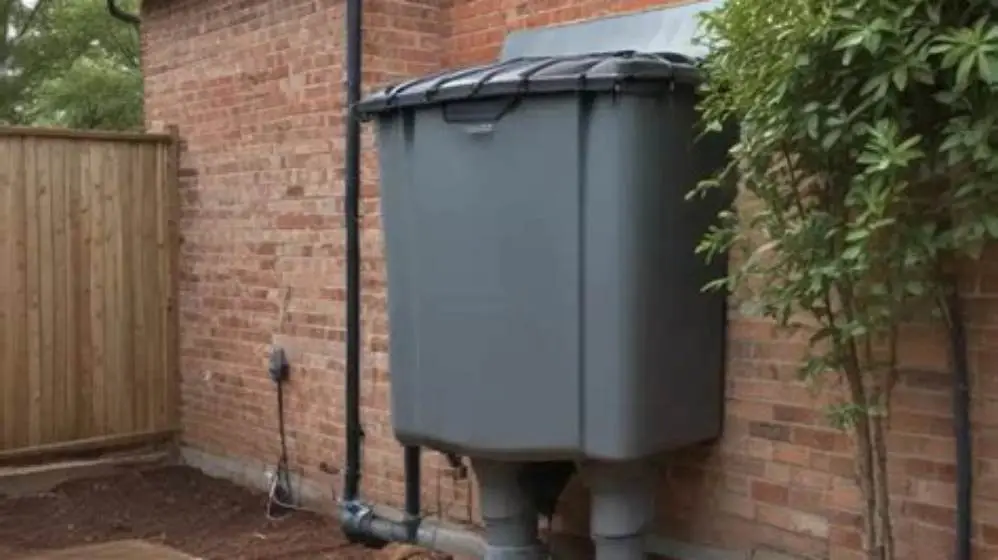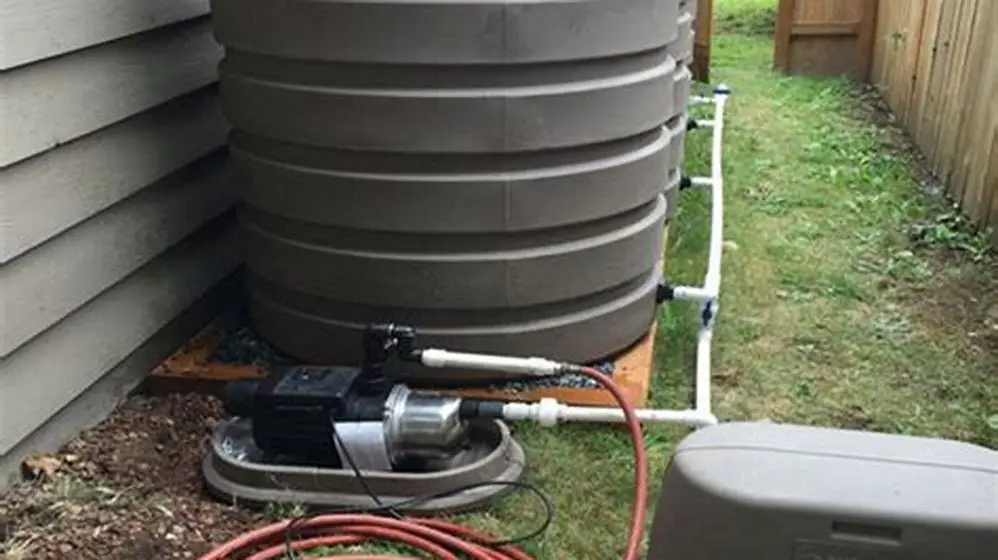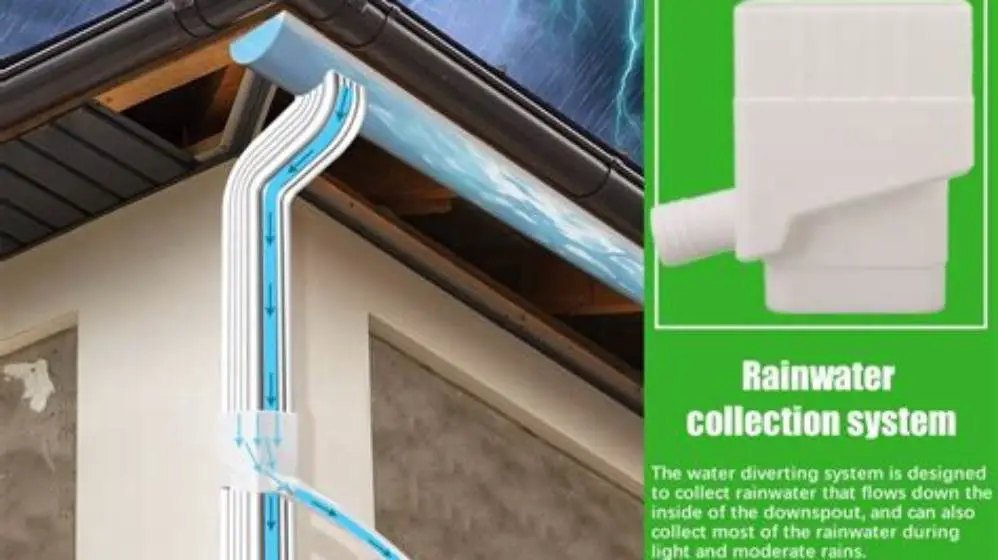
To fit a rainwater diverter kit, cut your downpipe 20-30 cm above the rainwater tank inlet, install the diverter with a seal and brackets, then connect the outlet hose to direct first flush water away. Secure and test for leaks.
On this page
Part of our guide on identifying causes of low flow
Quick facts
- Downpipe cut length
- 20-30 cm
- First flush volume
- 10-20 liters typical
- Filter change interval
- 6-12 months
- Rainwater pH
- usually 5.5-7
- Red filter cause
- iron oxide buildup
Quick recap
- Cut downpipe 20-30 cm above tank inlet for diverter fitting.
- Install seal and brackets tightly to avoid leaks.
- Flush first rainwater (first flush) away to improve water quality.
- Clean or replace filters regularly to prevent blockages and water color changes.
- Treat rainwater for plants but avoid ingesting untreated water due to possible irritants.
How to fit rainwater diverter kit
Begin by selecting a section of your downpipe approximately 20-30 cm above the rainwater storage tank inlet for cutting. The exact height depends on the diverter model's instructions, but this range fits most kits.
Remove the cut section of downpipe carefully, ensuring the cut edges are clean and level to create a proper seal with the diverter kit. Install the rubber seals or gaskets supplied with the kit on each cut pipe end.
Fit the diverter between these cut pipe ends, securing it with the provided brackets or clamps. Tighten fittings firmly to prevent leaks but avoid overtightening, which can damage components.
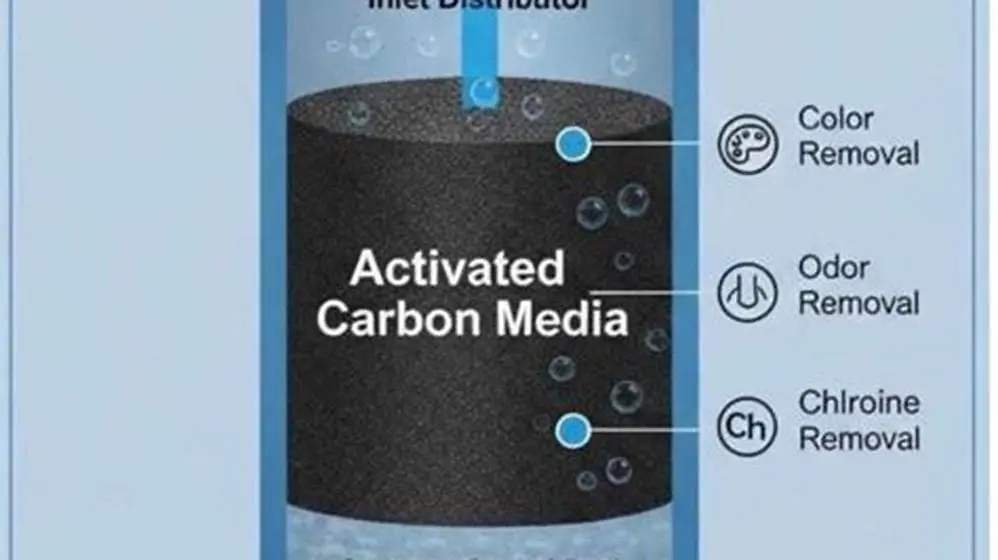
Attach the outlet hose to the diverter's first flush outlet, directing runoff away from the tank and foundation. Check all connections for stability. For the detail, see our notes on activated carbon water filter for rainwater tank.
Once installed, test the diverter by running water through the downpipe to confirm the diverter channels the initial water away and then allows clean flow into the tank.
- Measure and mark 20-30 cm above tank inlet on downpipe.
- Cut downpipe at marked point using a hacksaw or pipe cutter.
- Clean and deburr cut ends for a snug fit.
- Place rubber seals on pipe ends and position the diverter between them.
- Secure diverter with brackets and tighten clamps.
- Connect outlet hose to divert first flush water.
- Test for leaks and proper operation by simulating rain.

Rain Harvesting First Flush Downspout Diverter Kit
Fits your 3 inch round downspout pipe exactly, ensuring proper first flush diversion and leak prevention.
Rainwater diverter not working after first flush
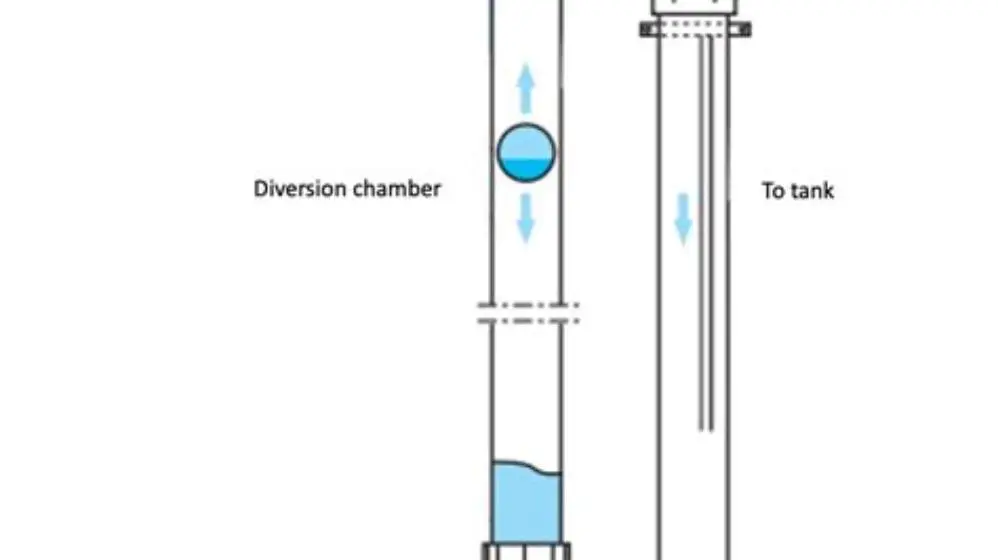
If your diverter fails to operate correctly after the first flush, check for blockages at the outlet hose or inside the diverter chamber. Debris or insect nests can clog the system and prevent water diversion.
Inspect the diverter valve or flap mechanism to ensure it moves freely. Sometimes paint, rust, or sediment buildup jams moving parts, stopping correct function. Before you commit to anything, it is worth looking at rainwater diverter issues after rain.
An incorrectly sized or kinked outlet hose reduces flow, causing water to back up and overflow the diverter. Replace hoses that are smaller than the diverter outlet diameter or that have sharp bends.
Ensure the diverter is level and aligned with the downpipe. Tilted installation can cause water to bypass the diverter or stall inside the first flush chamber, which defeats its purpose.
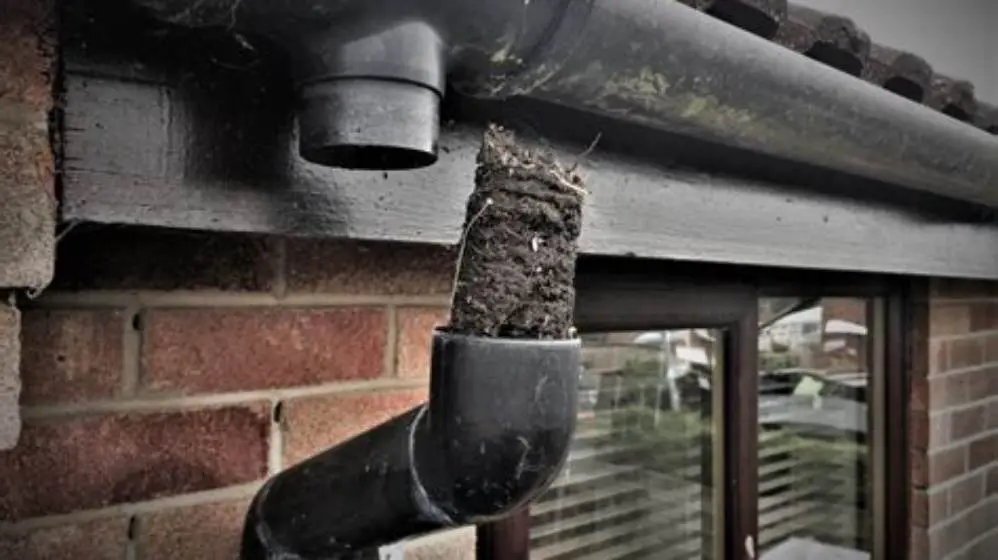
Regular inspection and cleaning after heavy storms help maintain smooth operation and avoid costly repairs. There is more on rainwater downpipe blocked at gutter outlet in a separate guide.
- Check outlet hose for clogs or kinks.
- Clean valve or flap to free movement.
- Confirm diverter alignment and level.
- Replace damaged or undersized parts promptly.
Rainwater filter turns red after first rain
A filter that turns red soon after the first rain usually indicates iron oxide deposits accumulating on the filtering media. This is common when rainwater passes over metal roofing or gutters containing iron particles.
The iron reacts with oxygen and moisture, forming rust-colored particles which stain the filter and sometimes the collected water.
While not harmful to plants, red staining signals the need for filter cleaning or replacement to maintain flow rates and avoid clogging. The other half of this decision is cost to install rainwater harvesting.
To reduce iron oxide buildup, install a pre-filter or clean the roofing and gutters regularly. Some filters come with replaceable cartridges designed specifically for iron removal.
If red staining persists despite cleaning, test the water for total iron concentration using a water test kit to decide if advanced filtration is needed.
How to treat rainwater for plants
Rainwater is largely suitable for most garden plants but can contain contaminants like dust, bird droppings, and organic matter picked up from roofs and gutters. People in this spot often ask about rainwater pump keeps running full tank as well.
Filtering rainwater through a diverter kit and mesh filter removes many particulates, but additional care is needed for sensitive plants.
Simple treatment methods include letting collected rainwater stand for 24-48 hours in an open container to allow sediments to settle before use.
Avoid using untreated rainwater on edible plants without further filtration or disinfection, as pathogens may be present. For lawn and ornamental plants, untreated rainwater is generally safe.
If the water develops odors or changes color, change filters or flush the storage tank, as stagnant water can promote algae growth and reduce plant health.
- Use filtered rainwater for irrigation.
- Allow water to settle before watering sensitive plants.
- Avoid untreated use on edible plants.
- Flush tank and change filters regularly to prevent odors.
Why does rainwater make me itchy
Some people experience skin itchiness or mild irritation after contact with rainwater collected from roofs due to naturally occurring contaminants or chemical residues.
Common irritants include pollen, molds, algae, and traces of roofing materials such as bitumen or lead in older buildings.
Rainwater acidity, which can range from pH 5.5 to 7, might also contribute to skin sensitivity in some individuals.
Washing skin promptly after exposure and using gloves when handling garden water reduces irritation risks.
If persistent itching occurs, consult a dermatologist, as allergic reactions or other skin conditions may be involved.
How to care for filters in rainwater diverter kits
Filter media in diverter kits usually require cleaning or replacement every 6 to 12 months depending on roof area, surrounding vegetation, and local dust levels.
Rinse filters under running water to remove debris or soak in mild detergent solution if clogged with organic matter.
Avoid harsh chemicals that can degrade filter materials or leach into stored water.
Monitor filter color changes like reddening or darkening, which signal iron buildup or organic staining and the need for replacement.
Keep gutters and downpipes clean to reduce filter load and extend their lifespan, reducing maintenance frequency.
- Clean filters every 6-12 months or after heavy storms.
- Use gentle rinsing or soaking to remove debris.
- Replace filters if discoloration or damage occurs.
- Maintain gutters to minimize filter contamination.
Quick questions
Can I fit a rainwater diverter kit myself or should I hire a professional?
Many homeowners can fit a diverter with basic tools and careful measuring. If your downpipe is metal and hard to cut or you lack plumbing skills, a professional helps avoid leaks and ensures warranty compliance.
How much rainwater is diverted during the first flush?
Typically, between 10 and 20 liters of water is diverted depending on roof size and diverter capacity. This volume captures initial contaminants to improve overall water quality.
What causes the rainwater filter to turn red?
Red coloring usually comes from iron oxide deposits from metal roofing or rust in gutters. Regular cleaning and occasional filter replacement prevent clogging and staining.
Is rainwater safe for drinking after diverter and filter installation?
Generally, no. Rainwater can contain microbes and chemicals not removed by basic filters. For potable use, advanced treatment including UV sterilization or chlorination is needed.
Why does rainwater cause skin itchiness in some people?
Skin irritation usually results from organic matter, molds, or chemical residues in the water. Sensitive individuals should avoid prolonged contact and use protective measures.