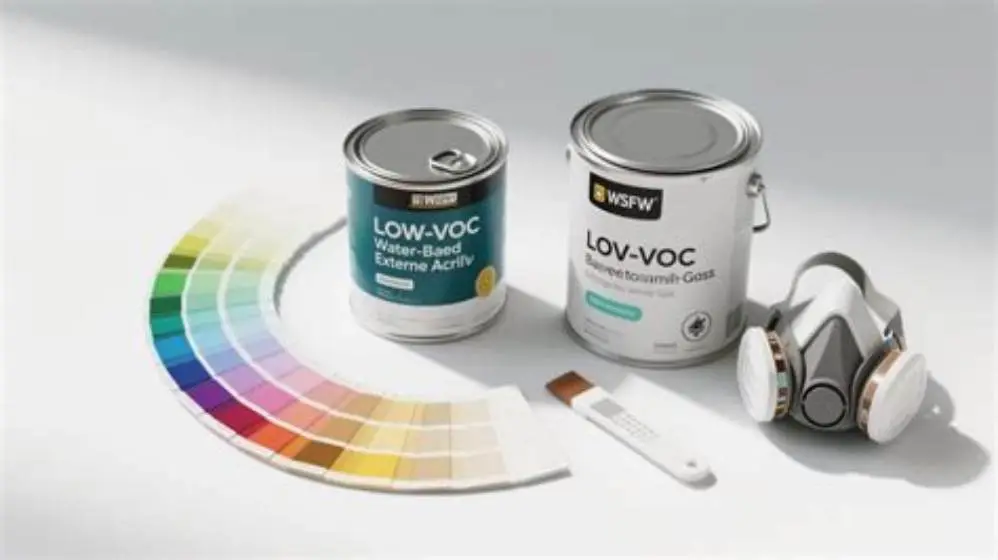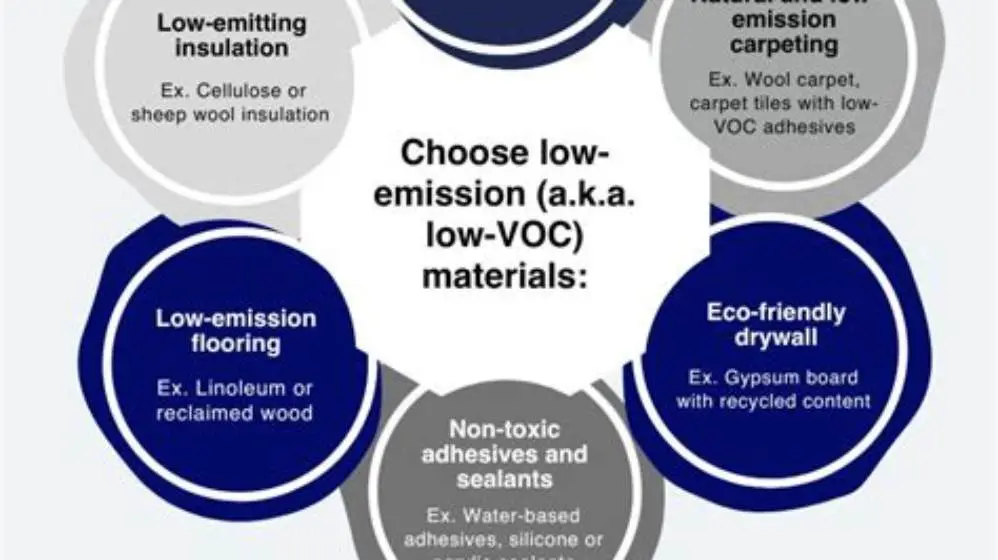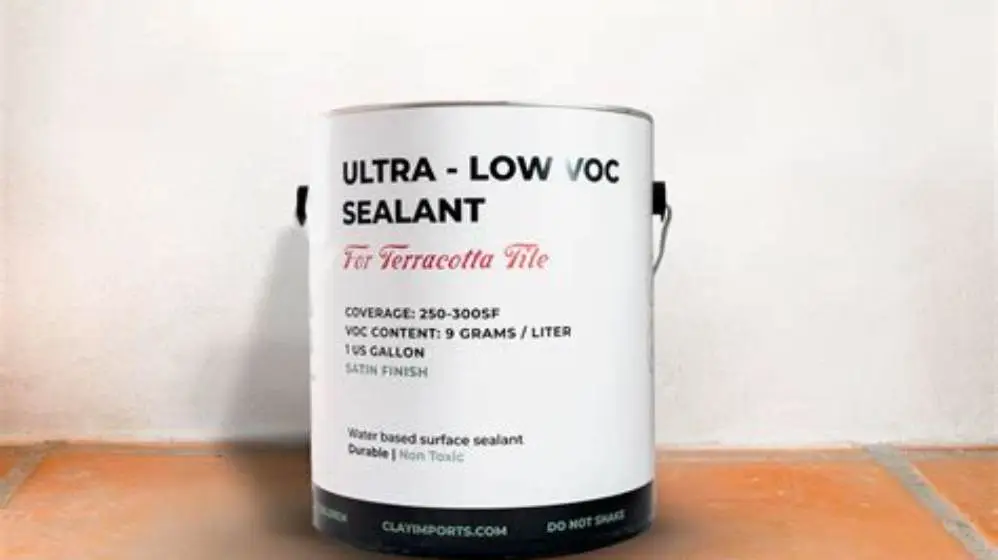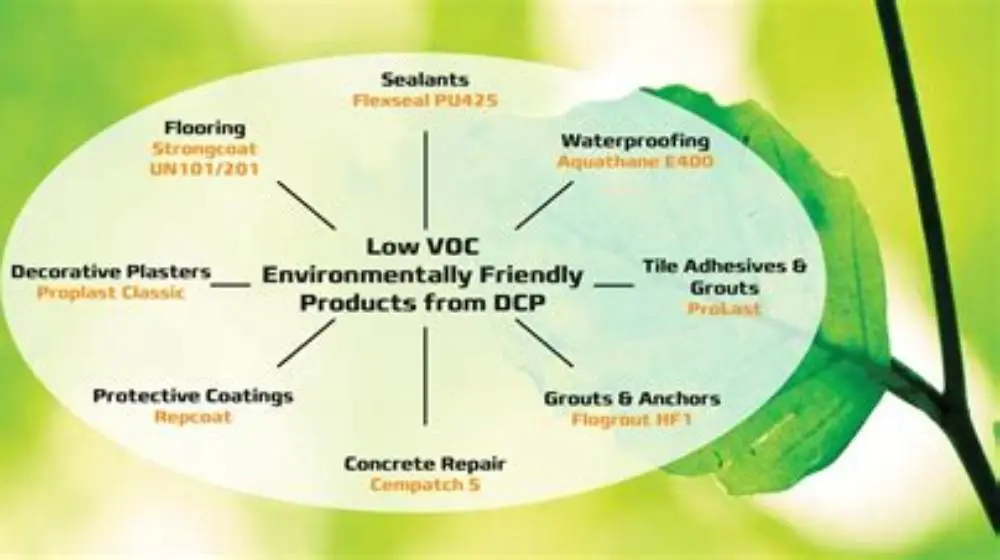
A low-VOC product contains fewer volatile organic compounds, measured in grams per litre. Check the exact product's datasheet, certification and tinted version rather than trusting a front-label claim. Low content also doesn't guarantee low emissions indoors.
On this page
- Quick recap
- What VOCs are and why they matter indoors
- Separate VOC content from VOC emissions
- Check the product category before trusting a number
- Compare VOC figures fairly on datasheets
- Check the finished colour, not just the base paint
- Read the label, datasheet and certification
- Ventilate according to the room and the product
- Decide when a bedroom or nursery is ready
- Give a new baby's room extra time
- Apply the same check to non-paint products
- Quick questions
Part of our guide on choosing low voc options
Quick facts
- VOC content
- Measured in g/L of product
- VOC emissions
- Measured in room air over time
- EU Ecolabel source
- Commission Decision 2014/312/EU
- Tint check
- Use the figure for the finished colour
- Safest practical rule
- Follow the product instructions and ventilate well
Quick recap
- Check the product's VOC content in g/L and match it to the correct product category.
- A strong colour can add a meaningful amount, so ask for the tinted figure before buying.
- Emission testing measures compounds released into room air over time. It answers a different question from g/L content.
- Use recognised criteria such as EU Ecolabel, Blue Angel or Green Seal as useful checks, not as substitutes for reading the datasheet.
- Ventilate properly and keep sensitive people away until the product has cured and the room is ready.
What VOCs are and why they matter indoors
Volatile organic compounds are carbon-based chemicals that evaporate readily at room temperature. Paint solvents are one source, but carpets, MDF, adhesives, cleaners and gas appliances release VOCs too.
Some VOCs irritate the eyes, throat and airways. Long-term exposure to certain compounds is linked with health effects, so reducing unnecessary indoor sources makes sense. Smell alone cannot identify every compound or prove the air is safe.
Most off-gassing happens in the first days while the film cures, though some compounds continue to escape more slowly for weeks. The speed depends on the paint, temperature, airflow, film thickness and room contents.
UK homes don't have one simple legal indoor-air limit covering every paint solvent. Product labels and certification schemes therefore provide useful evidence, but your ventilation still matters. The other half of this decision is voc emission limits for materials.
Separate VOC content from VOC emissions
VOC content is the amount of volatile material in the wet product. Manufacturers usually report it in grams per litre, or g/L. This figure helps you compare products before application.
VOC emissions describe what the finished product releases into room air over time. Testing may report emissions in micrograms per cubic metre, written as µg/m³, after a set period in a test chamber.
A product can have low VOC content yet release a noticeable amount of one compound during curing. Another product can contain more VOC but emit less after it dries. Content and emissions measure different stages. If that sounds like your situation, read up on paint primer compatibility next.
Emission-based labels address this gap. Germany's Blue Angel, France's emissions classes and some building-scheme requirements assess selected substances released into indoor air. Check the exact test scope, because no scheme measures every compound.
Check the product category before trusting a number
The EU Ecolabel does not use one universal paint limit. Its criteria divide products by use and finish. The criteria set specific g/L caps per category, with matt interior wall paints sitting near the bottom of the range. Check the current consolidated Decision and the product's category before publishing or buying.
The figure applies to the product category and the scheme's test conditions. It doesn't automatically describe every colourant added at a decorating counter. A tin carrying an older certification may also sit under criteria that have since changed. Before you commit to anything, it is worth looking at low voc levels in ceramic tiles.
The table below gives typical market ranges from published manufacturer datasheets. It is not an EU Ecolabel limit table. Formulas differ, so use the exact datasheet for the finish you want.
| Product type | Typical range | What changes the figure |
|---|---|---|
| Matt interior wall paint | 0-50 g/L | Formula, preservative system and tint |
| Mid-sheen or eggshell | 10-100 g/L | Durability requirements and colour |
| Water-based trim paint | 10-100 g/L | Resins, additives and tint |
| Solvent-based gloss | 100-400 g/L | Solvent system and film hardness |
Compare VOC figures fairly on datasheets
Check how the manufacturer calculated the figure before comparing products. Some European datasheets report VOC content under a defined regulatory method, while others use a different internal or voluntary method.
Look for whether the number is stated as g/L of the ready-to-use product or g/L minus water and other exempt ingredients. US datasheets may refer to federal or state methods, such as limits calculated without water or exempt solvents. Those figures are not always directly comparable. Before you commit to anything, it is worth looking at linoleum flooring for kitchen spill resistance and low voc.
Record the method, units, product category and ready-to-use state. Compare products tested under the same basis, and ask the manufacturer when the datasheet leaves those details unclear.
Check the finished colour, not just the base paint
A base paint and its tinted version can have different VOC content. A strong colour can add a meaningful amount, anything from a few g/L with modern water-based colourants to much more with older glycol-based ones, so ask for the tinted figure.
Ask for the technical datasheet covering the exact base and colour. If the retailer cannot provide it, treat the base figure as incomplete evidence. Pale shades often add less, but the colourant system decides the result. We cover silicate paint over lime plaster compatibility in its own article.
- Check the base product's stated VOC content.
- Ask whether the figure includes the colourant.
- Request the finished colour's datasheet or written confirmation.
- Compare the result with the certification category, if one applies.
Read the label, datasheet and certification
Look for a VOC figure in g/L, the product category and the date or version of the technical datasheet. A front-of-tin phrase such as low odour or eco-friendly gives you little usable information alone.
The EU Ecolabel and Blue Angel publish product criteria. Green Seal standards are another certification you may encounter, especially on products sold in the United States. Their limits and test rules differ, so don't transfer one scheme's number to another.
LEED-related claims usually concern credits, documentation or recognised emissions testing rather than one universal low-VOC threshold. A US regulatory low-VOC claim may refer to state rules such as California's limits. Check the jurisdiction and category.
A reputable manufacturer should provide the relevant safety data sheet and technical data sheet. The safety sheet focuses on hazards and handling. The technical sheet normally gives application details and VOC information.
- Find the VOC content in g/L.
- Match the figure to the exact product category.
- Check whether the number covers the tint or colourant.
- Read the named certification's current criteria.
- Save the datasheet and product batch details.
Ventilate according to the room and the product
Room size changes the concentration. A small room reaches a higher concentration with the same amount of paint. Paint type matters too, because solvent-based finishes often release more than water-based matt paint.
Ventilation rate controls how quickly contaminated air leaves. Open windows on opposite sides when possible, and use a fan to move air outside. Occupancy matters as well, especially for babies, people with asthma and anyone sensitive to smells.
Keep ventilating until the room is smell-free with the door shut, then allow a few extra days. Leave longer for a nursery, solvent-based finish, thick coating or poorly ventilated room.
Don't spread vapours through the house. Keep internal doors closed while exhausting air outdoors, and avoid sleeping in the room while the smell remains.
Decide when a bedroom or nursery is ready
Check the room after it has been closed for several hours. A persistent smell means the room still contains vapours, even if the surface feels dry. Dry to touch only describes the surface, not the indoor air.
Use the product instructions and allow extra clearance time for a nursery or anyone with asthma. Paint early enough to give the room time to clear.
Remove paint tins, used rollers and solvent-soaked cloths, because they can keep releasing VOCs after the wall feels dry. Consumer TVOC meters can show a trend, but they don't identify compounds or certify safety.
Use a meter as supporting information, not as permission to ignore smell, ventilation or the product instructions.
Give a new baby's room extra time
Paint well before the due date when possible. Keep the room ventilated and empty of soft furnishings while it clears, then check it again after the room is closed. Soft furnishings can absorb and release compounds, so the finished room may behave differently from an empty one.
Apply the same check to non-paint products
The same g/L logic applies to adhesives, sealants, primers, floor finishes, wood treatments and some cleaning products. Check the product's VOC content, but remember the amount used and the surface area also affect indoor air.
Primers count as separate products with separate datasheets. A low-VOC topcoat does not make a high-VOC primer irrelevant, so check both products before painting.
Furniture, laminate flooring, new mattresses and cleaning products can add indoor VOCs after painting. Ventilate those items too, and avoid bringing several new sources into a closed room at once.
Adhesives and sealants can emit compounds after installation, even when their container carries a low-VOC claim. Look for emission testing where the product will cover a large area or sit in a bedroom.
Compare like with like. A g/L figure for a liquid adhesive cannot be treated as a direct equivalent to a paint figure, because categories use different formulations and standards.
A low-VOC product has reduced volatile content, but you need the category, finished formula and emissions evidence to judge indoor air. Ventilate well and follow the product instructions before using the room.
Quick questions
Does low-VOC paint still smell?
It can. Odour comes from several chemicals, and smell strength doesn't measure total emissions. Ventilate and follow the product instructions rather than relying on scent alone.
What does zero-VOC mean?
It usually means the product sits below a stated threshold, often less than 5 g/L, rather than containing literally zero VOCs. Check the definition, test method and finished tinted figure.
Can I tint a zero-VOC paint and keep that claim?
Only if the finished product still meets the relevant definition and stated limit. Ask for the tinted product's figure, because the base figure doesn't cover every colourant.
Is water-based better than solvent-based for indoor air?
Often, for the same job, water-based paint contains fewer solvents and usually dries with less odour. Check the actual datasheet, since formulas and emissions vary.
What should I look for on the datasheet?
Look for VOC content in g/L, the product category, the tint or base covered, the calculation basis, and any named emissions test or certification. Check the scheme's own criteria rather than assuming every label uses the same threshold.
How long before a toddler can return?
Follow the product instructions and keep the room ventilated. Allow extra time for gloss, solvent-based products, heavy coats, poor airflow or a nursery.