Bleeding radiators saves energy by releasing trapped air that causes cold spots and reduces surface heat output, forcing your boiler to run longer and use more fuel to maintain temperature.
On this page
- Quick recap
- Why radiators need bleeding
- What bleeding does to trapped air and heat output
- If bleeding lowers pressure, does it affect the heating system?
- Should the heating be on or off when bleeding radiators?
- Why radiators may need frequent bleeding
- Why does bleeding radiators save energy
- Quick questions
Part of our guide on track home energy consumption
Quick facts
- Heat loss from air block
- up to 30%
- Typical bleed frequency
- 1-2 times/year
- Recommended pressure
- 1-1.5 bar
- Bleeding effect on pressure
- minor drop
- Average radiator temp gain
- 5-10°C
Quick recap
- Trapped air reduces radiator heat output by up to 30%
- Bleeding restores full heat transfer efficiency
- Cold spots on radiators signal air blockages
- Regular bleeding prevents boiler overwork and saves energy
- Heating should be off during bleeding to avoid pressure drop
Why radiators need bleeding
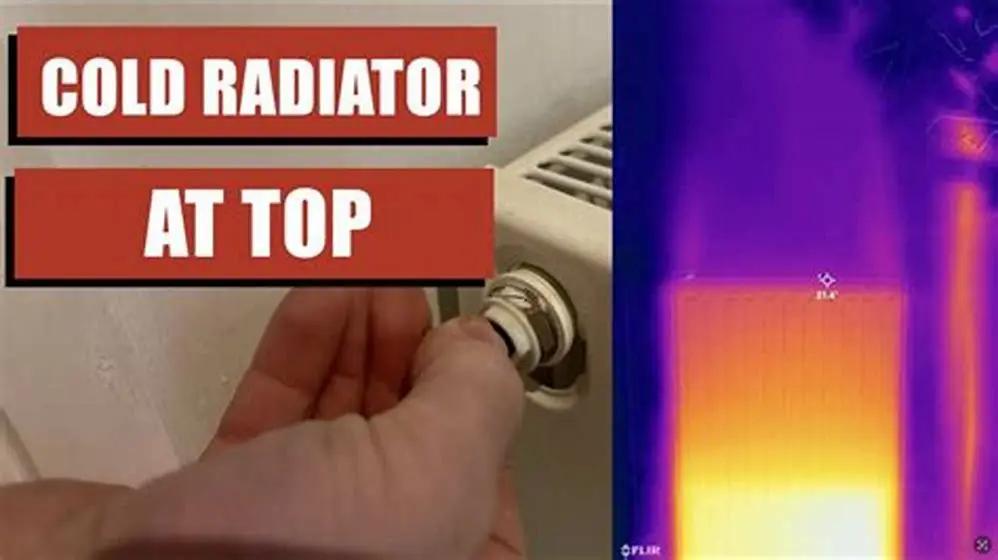
Radiators trap air inside their panels during system filling or over time. This trapped air collects at the top of the radiator where water should flow. Since air doesn’t conduct heat as well as water, this causes cold spots, often near the radiator’s top, while the rest stays warm.
Cold spots mean the radiator’s overall surface temperature drops by 5 to 10°C, depending on the amount of air trapped. This lower surface temperature reduces heat transfer to your room and forces the boiler to compensate by running longer.
The consequence is simple: trapped air lowers your system’s efficiency and increases gas or electricity consumption, directly increasing your energy bills. Regular bleeding prevents this buildup, keeping your radiators working as designed.
What bleeding does to trapped air and heat output
Bleeding a radiator involves opening a small valve to release trapped air. Once the air is expelled, heated water fills the space, restoring full water contact with the radiator’s heat-exchange surfaces. We cover how to read an electricity meter with pulse output in its own article.
This process can restore up to 30% of the radiator’s heat output that was lost due to air pockets. For example, a radiator surface temperature might rise from 45°C to 55°C after bleeding, depending on system water temperature and radiator type.
The increased heat output reduces the boiler’s workload, meaning it cycles off sooner and uses less fuel. This direct link between bleeding and energy savings means bleeding isn’t just about comfort: it prevents fuel waste.
The amount of energy saved by bleeding depends on the volume of trapped air and the radiator’s size. Small radiators with minor air pockets may see heat output improvements of around 10%, whereas larger radiators with significant trapped air can experience improvements up to 40%. For example, a large radiator losing 40% efficiency may force a boiler to run an extra 20 minutes each hour to maintain the room temperature, while after bleeding, runtime could drop by up to 8 minutes, saving a notable amount of energy daily. Before you commit to anything, it is worth looking at installing heating controls.
Another factor influencing the effectiveness of bleeding is the boiler’s modulation ability. Boilers with precise modulation adjust their output smoothly and benefit more from improved radiator efficiency. Conversely, older boilers cycling on and off at fixed power levels might not reduce fuel use as much after bleeding, though comfort improvements will still be noticeable. The check for improved efficiency can be done by noting lower gas or electricity meter readings during comparable heating periods after bleeding.
If bleeding lowers pressure, does it affect the heating system?
Bleeding can cause a small pressure drop in the central heating system, usually around 0.1 to 0.3 bar, depending on system size and initial pressure. The normal operating pressure for most UK systems is between 1 and 1.5 bar when cold.
A small drop can be topped up via the filling loop without losing system water or performance. This pressure adjustment ensures the boiler and pump operate effectively after bleeding. We cover ways to save energy in uk households in its own article.
If pressure falls below 1 bar, the boiler may lock out or operate inefficiently. Therefore, after bleeding, always check the system pressure gauge and add water if needed, using the filling loop according to your boiler manual.
Should the heating be on or off when bleeding radiators?
Turn off the heating and let the system cool for 15 to 30 minutes before bleeding. Cold water holds air better, making bleeding more effective and safer.
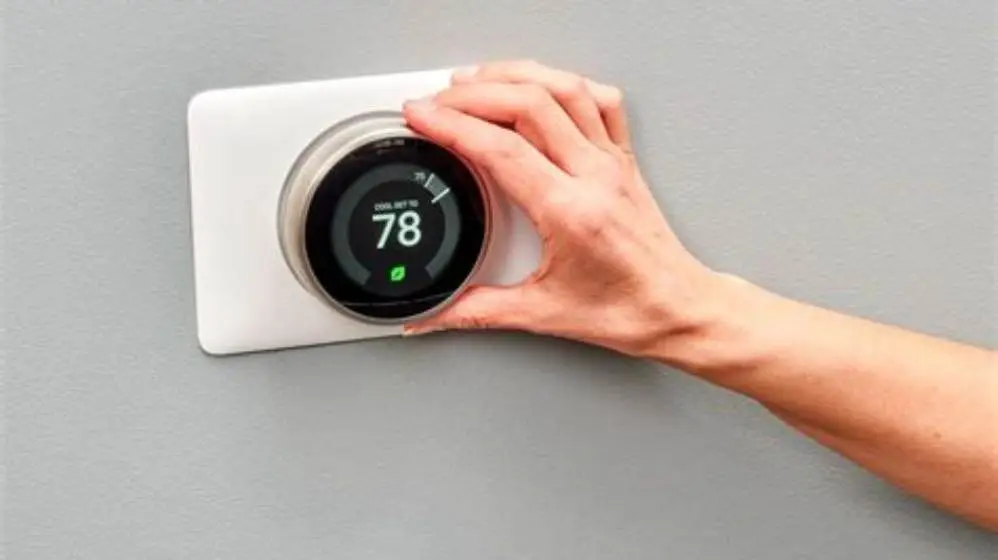
Bleeding with the heating on risks hot water spraying out and will cause a more significant system pressure drop. The system may also refill automatically during bleeding, interfering with air release. For the detail, see our notes on how to use smart thermostat.
A cool system pressure is more stable, so you get an accurate reading on the pressure gauge before and after bleeding. This ensures you avoid under-pressurising or overfilling your system.
If you attempt to bleed radiators with the heating on, not only can hot water spray out causing burns, but pressure fluctuations can cause air to be drawn back into the system through small leaks. This counteracts the bleeding effort and can introduce new air pockets. When the system is hot and pressurized, the radiator valves may be harder to open or close fully, increasing the risk of damage.
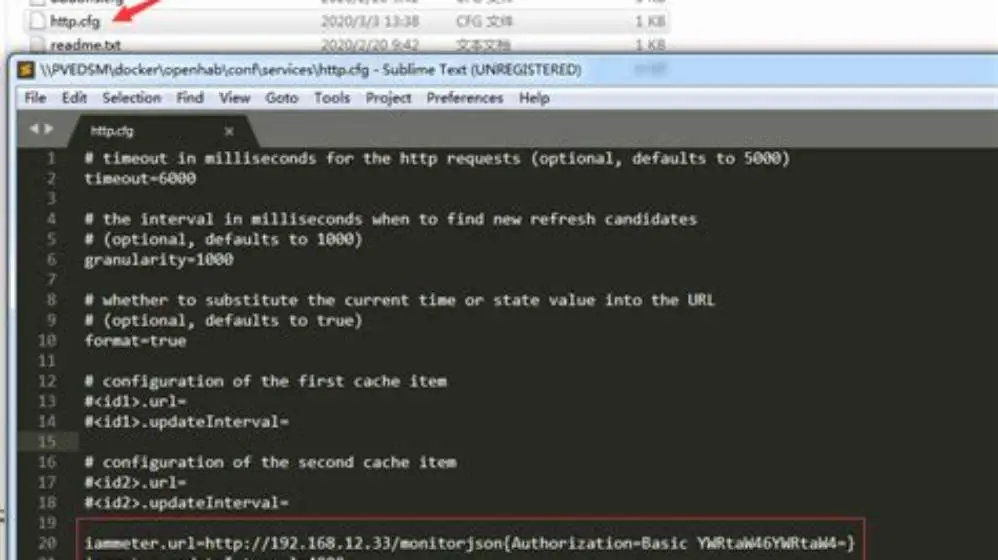
Once bleeding is complete, it is good practice to keep the heating off for a few more minutes and then turn it on again to check for even heating across the radiator surface. This confirms that trapped air has been successfully removed. Cold spots persisting after bleeding may indicate other issues such as sludge buildup or balancing problems that require further maintenance. People in this spot often ask about energy monitor data loss as well.
Why radiators may need frequent bleeding
Frequent bleeding often signals underlying system issues. Corrosion, leaks, or poor water quality can introduce gases into the system, leading to recurring air pockets.
Older systems or ones that have been recently drained and refilled are more prone to trapping air. Inadequate venting or lack of proper automatic air vents can also exacerbate this problem.
In such cases, regular bleeding becomes necessary to maintain efficiency, but it also points to a need for professional system checks or installing automatic air vents for continuous air removal. Before you commit to anything, it is worth looking at emonpi logging interval too coarse.
In some cases, frequent bleeding results from trapped air entering the system through a poorly sealed expansion tank or incorrectly fitted pressure relief valves. Such faults let air enter continuously and make bleeding only a temporary fix. Identifying and repairing these components will reduce the need for ongoing manual bleeding.
Systems using untreated water often develop corrosion that produces hydrogen gas, accumulating as air pockets. Using corrosion inhibitors and maintaining correct water chemistry reduces gas formation and bleeding frequency. Monitoring the system after a fresh inhibitor dose can show reduced air accumulation over a few weeks.
If your system has automatic air vents installed, but you still need frequent manual bleeding, the vents themselves may be faulty or blocked. Routine inspection and cleaning of these vents ensure they work correctly, and professional servicing can replace defective units to maintain air-free water circulation.
Why does bleeding radiators save energy
Bleeding radiators saves energy because trapped air reduces the radiator’s effective heat transfer area by up to 30%. Less heat reaches your rooms, so the boiler runs longer to maintain set temperatures, increasing fuel consumption.
When you bleed air out, the radiator heats evenly, surface temperature rises, and less boiler runtime is needed to sustain warmth. This can reduce heating energy use by 5-15%, depending on how much air was trapped and your heating demand.
Efficient heat transfer also improves your home’s thermal comfort, which may let you lower thermostat settings without feeling colder, creating further energy savings.
Thus, bleeding is a low-cost, simple step that directly cuts wasted energy caused by reduced radiator efficiency: your heating system becomes leaner, cleaner, and cheaper to run.
Quick questions
How often should I bleed my radiators?
Bleeding once or twice a year, especially before the heating season, is usually sufficient. More frequent bleeding may indicate system issues like leaks or corrosion.
Can I bleed my radiators myself safely?
Yes, with a proper radiator bleed key and after turning off the heating, bleeding is straightforward and safe. Always have a cloth ready to catch drips.
Will bleeding radiators fix cold rooms completely?
Bleeding helps improve heat output but won’t fix poor radiator sizing, insulation, or circulation problems. It’s one part of maintaining efficient heating.
Does bleeding radiators affect my boiler warranty?
No, bleeding radiators is standard maintenance and typically won’t impact your boiler warranty unless done improperly causing damage.
What if my system pressure keeps dropping after bleeding?
Persistent pressure loss suggests leaks or faulty components. Have a professional inspect your system to prevent damage and inefficiency.