Four UK household energy saving tips cut bills by at least 10% when done right: upgrading heating controls can save 10-15%, draught-proofing cuts 10-15%, LED lighting reduces lighting costs by 80%, and better insulation often saves 15% or more. Savings depend on home size, current efficiency, and behaviour.
On this page
- Quick recap
- Which energy-saving actions lower UK bills measurably: household energy saving tips that actually cut uk bills
- Approximate bill reduction per tip
- How to verify savings realistically
- Links to UK grants or schemes that boost savings
- Draught-proofing to cut heat loss
- Upgrading heating controls for precise temperature management
- Quick questions
Part of our guide on improving energy savings
Quick facts
- Heating control savings
- 10-15% of bills
- Draught-proofing cut
- 10-15% heating
- LED lighting reduction
- 80% lighting use
- Insulation bill cut
- 15% or more
- Boiler Upgrade Scheme grant
- up to £5,000
- EPC rating improvement
- 1-3 bands typical
Quick recap
- Heating controls can reduce overall gas bills by 10-15%
- Draught-proofing saves roughly 10-15% on heating costs
- Switching all bulbs to LEDs cuts lighting energy use by 80%
- Loft and cavity wall insulation often lower bills by 15% or more
- Verify savings with a gas meter and smart electric monitor
Which energy-saving actions lower UK bills measurably: household energy saving tips that actually cut uk bills
If you want household energy saving tips that actually cut uk bills, focus on measures that reduce consumption or shift it to cheaper times. Start by measuring current use: note electricity meter readings and gas usage for two weeks under typical routines. Comparing before-and-after readings is the only reliable way to prove a change. Small actions, repeated daily, add up; larger one-off upgrades change the baseline and create lasting reductions.
Three categories matter for measurable savings: behaviour changes, low-cost improvements, and targeted investments. Behaviour adjustments include setting thermostats lower by 1°C and running full dishwasher loads; each action saves energy immediately and costs nothing. Low-cost measures such as LED bulbs, radiator thermostatic valves and basic draught-excluders typically pay back within months because they cut waste where it occurs. Targeted investments (loft insulation, a better condensing boiler or a smart thermostat) require upfront capital but cut kWh or kWh equivalent at the source, delivering predictable returns under the usage patterns in most UK homes.
To be useful, an action must be measurable in your home. Use your bills and meter readings to calculate a baseline monthly consumption in kWh (electricity) and kWh or m³ for gas. After a change, measure for at least a month in similar weather and occupancy conditions; if possible, apply the change on the same day of the billing cycle to simplify comparisons. For winter measures, normalise results for external temperature: a rule of thumb is that each degree-centigrade drop outside increases heating demand noticeably, so compare similar degree-days when assessing savings.
Expectation-setting matters. Most of the reliable steps below typically yield 10% or more combined savings when applied together in a standard semi-detached or terraced UK home with gas central heating. Single measures usually deliver smaller percentages: a smart thermostat alone often saves 5–12% on heating, whereas loft insulation can reduce heat loss by a greater fraction depending on initial insulation depth. Track progress, prioritise low-cost, quick-return steps first, and combine them with one or two investments for the clearest, measurable bill reductions. There is more on how to use smart thermostat in a separate guide.
Approximate bill reduction per tip
Each energy-saving measure affects your bills differently. Upgrading heating controls yields 10-15% gas bill savings, as controlling room temperatures more precisely prevents overheating. Draught-proofing also saves 10-15% by cutting unwanted cold air entry that forces your boiler to work harder.
Switching to LED lighting cuts electricity used for lighting by about 80%. Since lighting is only a fraction of your total electricity bill, expect a 5-8% net reduction in your total energy costs.
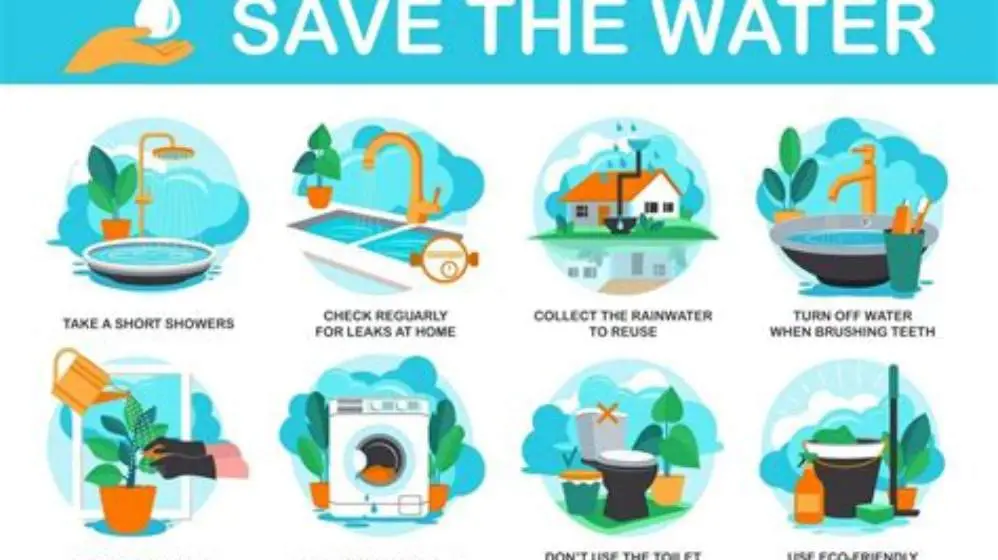
Adding or upgrading insulation, like loft or cavity wall insulation, reduces heat loss through the fabric by up to 25-30%, translating roughly into 15% or more off total heating costs depending on your home's current insulation status. We go through how to save water at home uk step by step elsewhere on the site.
| Energy-saving action | Heating bill cut (%) | Lighting bill cut (%) | Total bill cut (%) |
|---|---|---|---|
| Heating controls upgrade | 10-15 | 0 | 8-12 |
| Draught-proofing | 10-15 | 0 | 8-12 |
| LED lighting switch | 0 | 80 | 5-8 |
| Loft & cavity insulation | 15-25 | 0 | 12-18 |
How to verify savings realistically
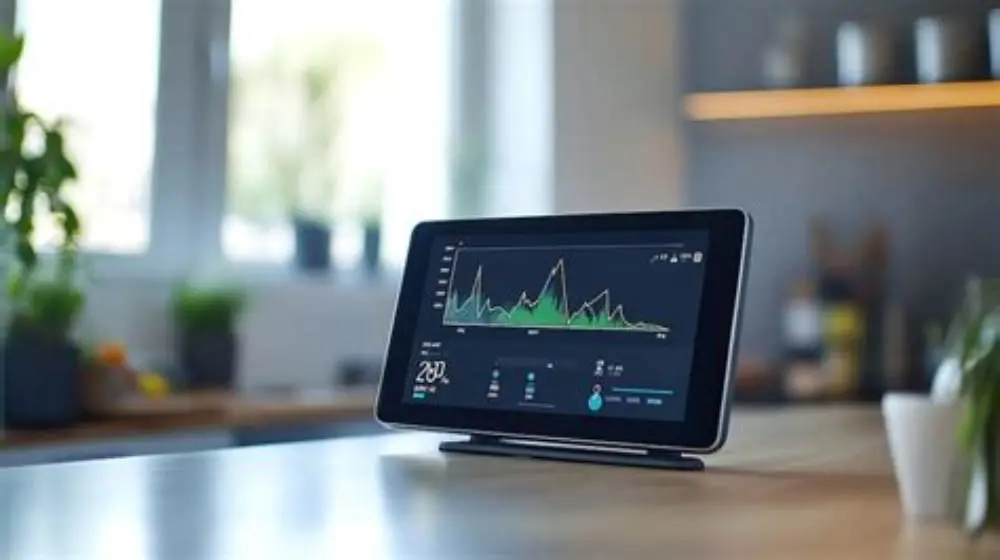
You can verify your savings by monitoring your gas and electricity consumption before and after each measure. A gas meter monitor that tracks your usage in real-time and displays daily consumption in kWh is essential for heating-related measures.
For electricity, smart plugs and whole-home energy monitors show usage patterns, helping you spot lighting savings after switching to LEDs.
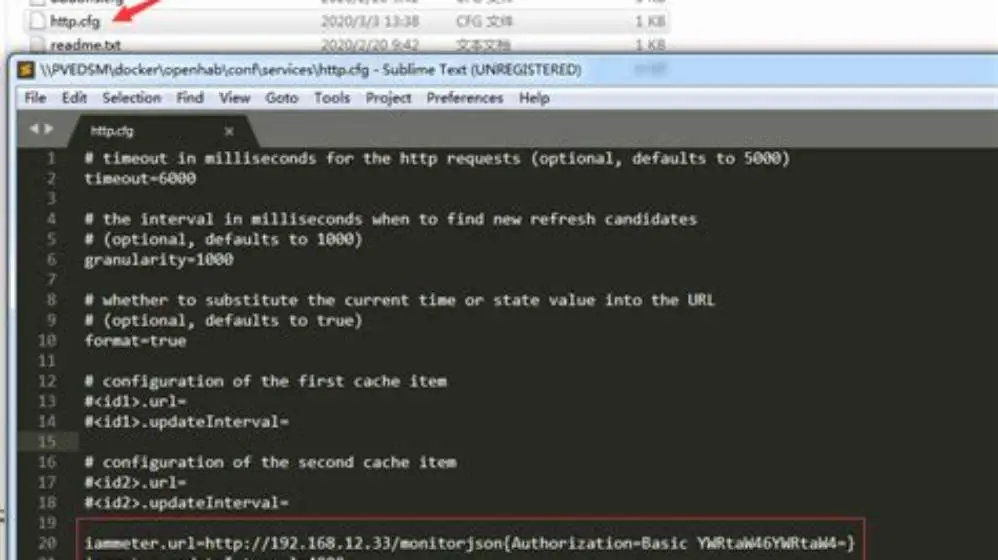
Try isolating one change at a time to better attribute savings. For example, install heating controls first and compare gas usage for similar weather periods before adding insulation or draught-proofing. It helps to understand openHAB energy monitor losing data after reboot before going further.
Keep a simple log of outside temperatures to compensate for colder or warmer periods, as weather drives heating demand.
- Record baseline gas and electricity consumption for at least two weeks
- Install energy-saving measure (e.g., smart thermostat, LEDs)
- Monitor consumption for another two weeks under similar conditions
- Compare usage adjusting for weather differences
- Repeat for next energy-saving action
Links to UK grants or schemes that boost savings
Several UK government schemes help reduce upfront costs for energy-saving measures. The Boiler Upgrade Scheme offers grants up to £5,000 to replace old gas boilers with heat pumps or other low-carbon alternatives, significantly cutting heating bills.
The Energy Company Obligation (ECO4) scheme provides funding for insulation and draught-proofing, mainly targeted at lower-income households but with some wider eligibility. People in this spot often ask about why does bleeding radiators save energy as well.
The Warm Homes Discount scheme can lower bills for qualifying households by applying a rebate on electricity bills during winter months.
Local councils sometimes provide additional grants or interest-free loans for home retrofit measures. Check your local authority website for details.
- Boiler Upgrade Scheme: grants up to £5,000 for low-carbon heating systems
- ECO4: funding support for insulation and draught-proofing
- Warm Homes Discount: winter electricity bill rebate for eligible households
- Local authority grants: vary by region, check local council
Draught-proofing to cut heat loss
Sealing draughts around doors, windows, letterboxes, loft hatches, and floorboards reduces uncontrolled cold air entering your home. Typical savings on heating bills range from 10-15%, depending on how leaky your home was initially. For the detail, see our notes on troubleshooting Nest energy dashboard.
Best materials include self-adhesive foam tape for window frames, brush or rubber seals for doors, and chimney balloons for unused chimneys. Air leakage testing can pinpoint the worst draughts.
Do not over-seal without ensuring adequate ventilation to avoid damp and mould problems. Ventilation is vital especially in newer airtight homes.
Quantifying the impact of draught-proofing can be supported by simple tests such as holding a lit candle or incense stick near common leak sites; flickering flames or drifting smoke signal air movement that should be sealed. In a typical semi-detached UK home, sealing identified draughts around doors and windows can reduce heat loss by up to 15%, corresponding to around £100-£150 annual gas bill savings depending on current energy prices and heating habits.
Upgrading heating controls for precise temperature management
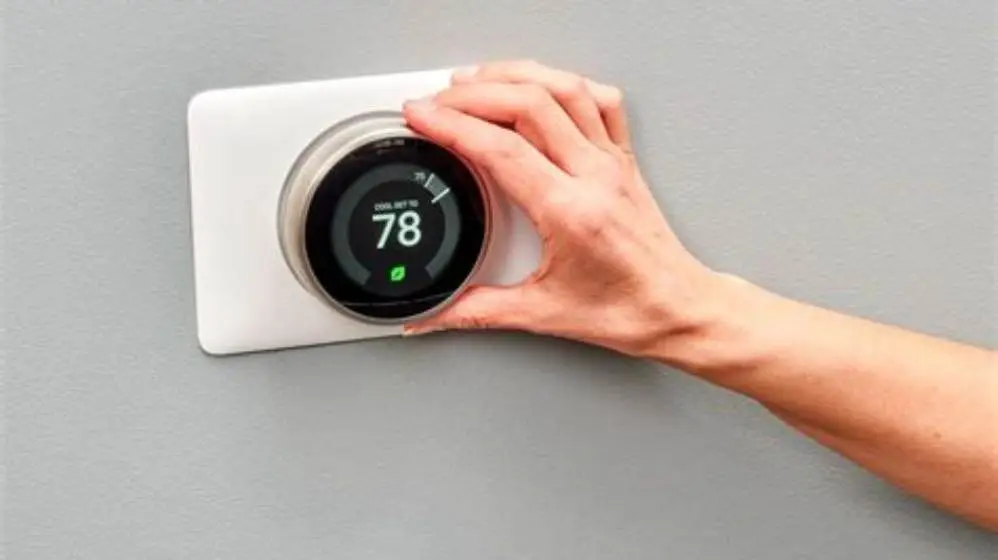
Replacing simple or manual heating controls with smart thermostats and thermostatic radiator valves (TRVs) keeps rooms at comfortable temperatures only when needed. This can cut gas bills by 10-15%, particularly in homes that previously overheated rooms or heated unused spaces.
Wi-Fi enabled smart thermostats allow scheduling and remote control, adapting to your lifestyle and weather forecasts. TRVs provide room-by-room temperature control, improving comfort and savings.
Installation requires a compatible heating system and often professional commissioning to ensure correct set-up and avoid boiler short-cycling.
Heating control upgrades also help prevent common issues like boiler short-cycling, where the boiler frequently switches on and off due to imbalanced heating demand. This inefficient cycling wastes fuel and increases wear on components. Proper commissioning and use of weather compensation features in smart thermostats can minimize short-cycling, enhancing both savings and system longevity.
A worked example: if your existing thermostat runs heating continuously for 10 hours daily, a smart thermostat that reduces heating by 2 hours during unoccupied periods cuts energy use by 20% for heating. For a household with a £600 annual gas bill, this can mean savings of about £120, aligning with typical reported figures for heating control improvements.
Quick questions
How much can I realistically save by upgrading insulation in an average UK home?
Upgrading loft and cavity wall insulation can reduce heating bills by about 15% or more, especially in homes with little or no existing insulation. Savings depend on house size, current insulation state, and heating habits.
Will LED lighting really make a noticeable difference on my bills?
Yes. LED bulbs use approximately 80% less electricity than incandescent or halogen bulbs, which can reduce lighting costs by 80%. Since lighting is a smaller part of total energy use, expect an overall bill reduction of 5-8%.
Can I test my home for draughts on my own?
You can identify draughts by feeling for cold air around windows, doors, and skirting boards, or using a smoke pencil or incense stick to reveal airflow. Professional air leakage testing offers more precise measurements.
Which grants can help cover the cost of installing a smart thermostat?
Currently, UK grants like the Boiler Upgrade Scheme focus on heating system replacements rather than controls. However, some local councils or energy suppliers may offer schemes or discounts for smart thermostats.
How do I ensure that draught-proofing does not cause damp or ventilation problems?
Maintain ventilation by not sealing air bricks or vents required for ventilation and combustion safety. Consider installing mechanical ventilation with heat recovery in very airtight homes.