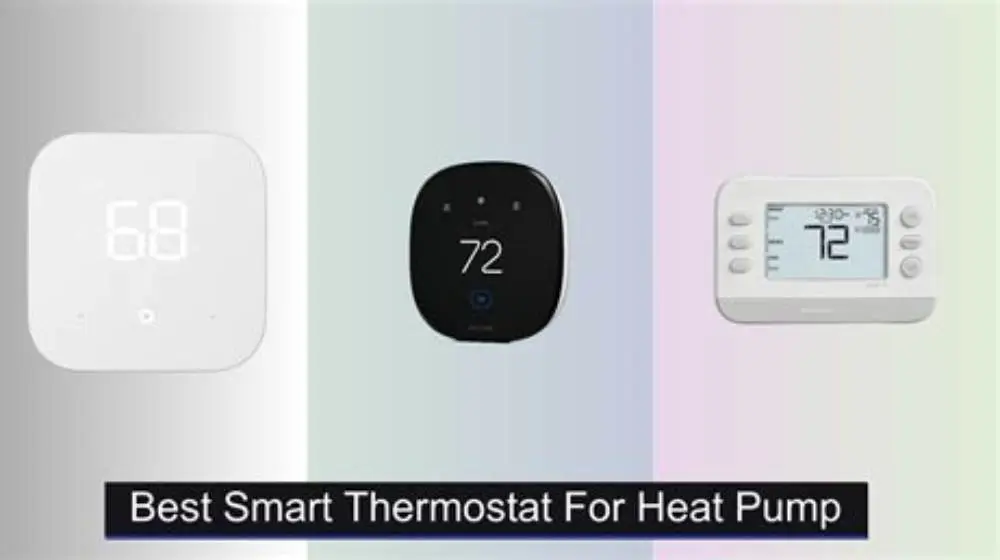
Honeywell T6R-HW, Drayton Wiser, Hive Active Heating 2, and Tado° V3+ all support heat pump operation and immersion heater control through relay outputs, provided your cylinder has a 22mm immersion stat and the thermostat's base has spare switched-live terminals.
On this page
- Quick recap
- Which smart thermostats support both heat pump and immersion switching
- What Nest and Ecobee cannot do without extra hardware
- How heat pump and immersion control interoperate in a UK cylinder
- Wiring requirements and Part P compliance for dual control
- How to confirm compatibility before you order the thermostat
- Common installation mistakes that stop one or both systems working
- Quick questions
Part of our guide on boiler upgrade scheme eligibility
Quick facts
- Relay outputs needed
- Two switched-live terminals minimum
- Immersion switching
- 3A at 230V AC
- Heat pump compatibility
- OpenTherm or relay, under 16A
- Verified UK models
- Honeywell T6R-HW, Drayton Wiser, Hive 2
- Wiring standard
- BS 7671 18th Edition, Part P notifiable
- Cylinder stat override
- Required for external immersion control
Quick recap
- Check the thermostat base has at least two relay outputs: one for the heat pump, one for the immersion heater
- Immersion control needs a switched live at 3A minimum, not a volt-free signal
- Verify your cylinder's immersion stat allows external override before wiring
- Drayton Wiser and Honeywell T6R-HW are proven in UK dual-fuel installs with heat pumps under 16A
- Nest Learning Thermostat lacks immersion relay output and requires external contactor wiring
Which smart thermostats support both heat pump and immersion switching
A smart thermostat that controls a heat pump and an immersion needs two independent relay outputs. One relay calls the heat pump. The other energises the immersion contactor or stat with a 230V switched live.
Honeywell T6R-HW has two relay outputs rated at 3A each. Use heating terminal for the pump's call-for-heat input and hot-water terminal for the immersion switched live. A full Honeywell Evohome kit with cylinder sensor costs around £280 to £350; a T6R-HW is about £120 to £160 on the street.
Drayton Wiser ships with a hot-water relay module that switches the immersion near the cylinder. Wiser accepts volt-free and 230V switched inputs. Typical kit price is £180 to £220.
Hive Active Heating 2 includes a receiver with two outputs rated at 3A per output and costs about £130 to £180. Tado° V3+ uses an extension for a second relay and runs £200 to £270 for a fuller kit with the extension. For the detail, see our notes on key wiring steps for heat pump.
What Nest and Ecobee cannot do without extra hardware
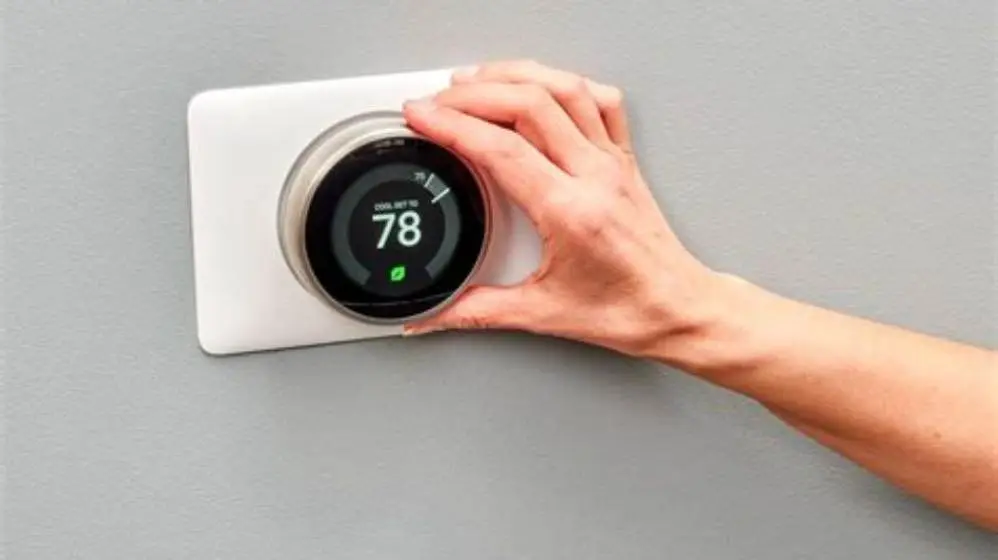
The Nest Learning Thermostat and Nest Thermostat E have a single relay output and a C (common) wire terminal. That output switches the heat pump on and off, but there is no spare terminal for the immersion heater. You can wire an external contactor relay (rated at 16A or higher) between the Nest's hot-water output and the immersion, but the Nest hot-water output is designed for a zone valve, not a resistive load, and the app does not offer independent immersion scheduling. Most installers add a time switch in series with the immersion to run it on cheap-rate tariff windows, which defeats the smart control.
Ecobee SmartThermostat and Ecobee3 Lite are designed for North American HVAC systems with R, W, Y, and G terminals. UK heat pumps require a different wiring convention (switched live or OpenTherm), and the Ecobee firmware does not recognise UK hot-water control protocols. A few installers have forced compatibility by rewiring the Y cool terminal to the immersion contactor, but this disables the thermostat's air-conditioning logic and voids the warranty.
If you already own a Nest or Ecobee and want to add immersion control, fit a standalone immersion timer (mechanical or smart plug) rated at 16A minimum and schedule it to run during off-peak hours. The heat pump handles the main hot-water cycle; the immersion acts as emergency top-up only. This keeps both devices working within their designed roles. We go through smart thermostat setup guide step by step elsewhere on the site.
The limitation is not fixable by firmware update. The hardware lacks the second relay. Retrofit wiring solutions exist but cost £80 to £150 in parts and labour, which brings the total close to buying a dual-output thermostat in the first place.
How heat pump and immersion control interoperate in a UK cylinder
A heat pump heats your hot-water cylinder through a coil, raising the water temperature to 45°C to 55°C over one to three hours depending on pump size and outdoor temperature. The cylinder's own immersion heater sits higher in the tank and heats only the top third to 60°C or 65°C when the heat pump cannot meet demand or when you run a manual boost. The smart thermostat decides which heat source to call based on cylinder temperature, time of day, and tariff.
The thermostat reads cylinder temperature from a strap-on sensor or an immersion pocket sensor. When the reading drops below the hot-water target, the thermostat first calls the heat pump. If the cylinder does not reach target within the programmed time window, or if outdoor temperature is below the heat pump's efficiency threshold (typically -3°C to 0°C), the thermostat switches off the pump and energises the immersion for a timed boost. We go through heat pump funding in scotland step by step elsewhere on the site.
During the boost, the immersion stat on the cylinder acts as a high-limit cutout, breaking the circuit at 65°C to 70°C to prevent scalding. The smart thermostat's relay stays closed, but no current flows once the stat opens. When the water cools, the stat closes again and the immersion resumes heating until the thermostat's timer expires or the cylinder sensor reads above target.
Legionella control requires water at 60°C for at least one hour per week. Most smart thermostats include a weekly immersion boost schedule for this. Drayton Wiser, Honeywell T6R-HW and Hive all offer a one-touch boost button in the app that fires the immersion for 30 to 60 minutes regardless of heat pump status. Tado requires you to create a manual schedule block.
If you have a solar diverter (such as Eddi or iBoost), the diverter's immersion control takes priority. Wire the diverter's output to the immersion heater and the smart thermostat's hot-water relay to a second immersion element or a contactor that energises only when the diverter is inactive. This prevents the two controllers fighting over the same element. There is more on heat pump sizing with mvhr in a separate guide.
Wiring requirements and Part P compliance for dual control
Both the heat pump and the immersion heater are notifiable under Building Regulations Part P. Any new circuit or modification to existing heating or hot-water wiring must be designed, installed and tested by a qualified electrician registered with a competent-person scheme (NICEIC, NAPIT, ELECSA). The penalties for DIY notifiable work are a £5,000 council fine and an invalid home-insurance policy if a fault causes damage.
The smart thermostat's heating relay connects to the heat pump's control board at the call-for-heat terminals, usually labelled Y1, W, or HEAT. If your heat pump uses OpenTherm, connect the thermostat's OpenTherm terminals (OT+ and OT-) to the pump's OpenTherm port instead. The connection is low voltage (typically 12V to 24V DC or 5V logic) and does not carry mains current, but the cable must be segregated from mains wiring by at least 50mm or run in separate conduit.
The immersion heater circuit runs at 230V AC and draws 11A to 13A for a standard 3kW element. The thermostat's hot-water relay switches the live feed to the immersion's isolator switch, which sits next to the cylinder. Use 2.5mm² twin-and-earth cable for the run from the thermostat receiver to the isolator, and protect the circuit with a 16A Type B MCB in the consumer unit. The earth must connect to the immersion heater's body and the cylinder's bonding strap. The other half of this decision is battery and 3 phase solar compatibility.
If your cylinder has two immersion elements (one for off-peak, one for boost), wire the smart thermostat to the boost element only. The off-peak element remains on its existing time switch or Economy 7 circuit. This keeps the two heating cycles independent and prevents the thermostat from accidentally energising the immersion during peak-rate hours.
Label both circuits at the consumer unit and at the thermostat receiver. Use BS 7671-compliant labels: "Heat pump control", "Immersion heater switched live". An inspector checks labelling during any building-control inspection, and missing labels are a common reason for failure.
How to confirm compatibility before you order the thermostat
Find the heat pump's manual and open the wiring diagram. Look for whether the pump expects a volt-free contact, a 230V switched live, or an OpenTherm signal. Volt-free and switched-live pumps work with any smart thermostat that has a relay output. OpenTherm pumps need an OpenTherm-capable thermostat. People in this spot often ask about install home solar panels as well.
Check the pump's data plate for inrush or locked-rotor amps. Domestic compressors show 8A to 16A typically. Most smart thermostats switch only the control circuit under 1A. If your pump must be switched on mains by the thermostat, fit an external contactor rated at 20A to 25A.
Inspect the cylinder immersion stat for override terminals. If the stat offers no terminals, swap it for a rod-type immersion thermostat costing around £25 to £40. Confirm the immersion element's rating on its data plate; common values are 2kW, 2.5kW, or 3kW which equal 8.7A, 10.9A, and 13A at 230V respectively.
Common installation mistakes that stop one or both systems working
Wiring the immersion to the heat pump's hot-water output creates a feedback loop. The pump runs constantly because it sees a continuous call. Compressor overheat and high-pressure cutout follow. Cylinder temperature can exceed 70°C, creating scald risk.
Installing a thermostat without a C (common) wire on pumps that need continuous power causes rapid on-off cycling. The thermostat steals power by briefly closing the relay. The pump starts, then stops, repeating every few minutes. This wears the compressor contactor.
Overlapping immersion boosts with the pump's hot-water schedule wastes electricity. An immersion element at 3kW gives full resistive heat. A heat pump delivers 2.5 to 3.5 times the heat for the same input in moderate conditions. Let the pump run first and use immersion only as a backup.
Quick questions
Can I use a smart plug to control the immersion heater instead of a smart thermostat?
A smart plug works only if the immersion heater has its own mechanical stat and you want simple on-off scheduling. The plug cannot read cylinder temperature or coordinate with the heat pump, so you will waste energy heating water that is already hot or leaving it cold when you need it. A proper smart thermostat with cylinder sensor prevents both.
Does the heat pump need to be OpenTherm-compatible for a smart thermostat to work?
No. OpenTherm improves efficiency by letting the thermostat modulate the heat pump's output, but most heat pumps accept a simple on-off signal through volt-free or switched-live terminals. Check your pump's manual for the control input type. Drayton Wiser and Hive work with both.
What happens if the smart thermostat loses Wi-Fi during a cold snap?
The thermostat continues running its programmed schedule from local memory. You lose remote control and weather compensation, but the heat pump and immersion still fire according to the last settings. Honeywell, Drayton and Hive all default to a safe fallback schedule if the app cannot reach the device.
Can I retrofit smart control to a cylinder that has only one immersion element?
Yes. Wire the smart thermostat to the existing immersion circuit and program separate schedules for heat pump and immersion. The heat pump heats the bulk of the cylinder; the immersion tops up the upper third when needed. You do not need a second element unless you want dedicated off-peak and boost circuits.
Will a smart thermostat work with an air-source heat pump on an Economy 7 tariff?
Yes, but you must schedule the heat pump to run during the cheap-rate window and use the immersion for emergency top-ups only during peak hours. Hive and Drayton Wiser let you create separate time blocks for each. Check that your tariff's night-rate hours align with your household's hot-water demand, or the cylinder will cool before morning.