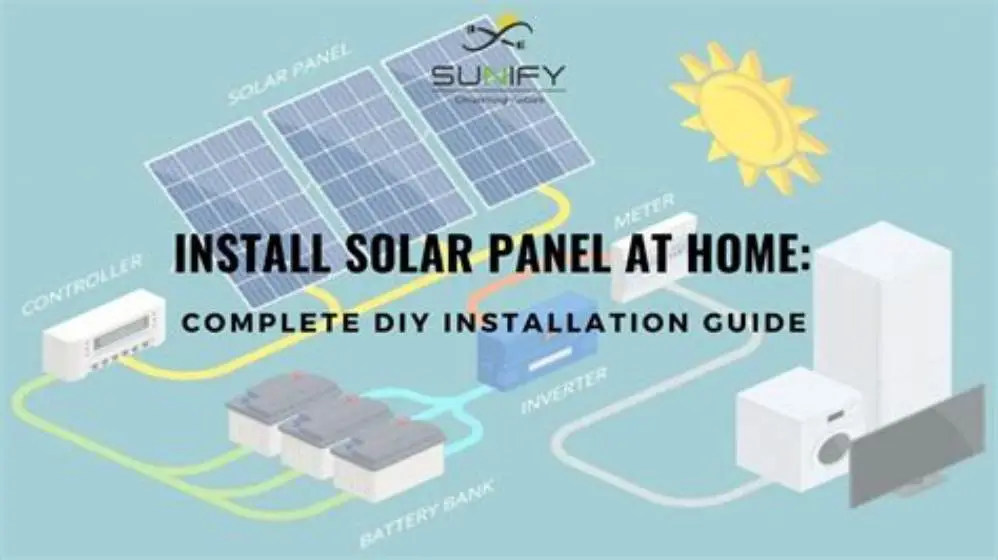
To buy and install solar panels for your home, first locate reputable local suppliers by checking certifications and reviews, then arrange installation with qualified local installers who follow clear steps including site survey, paperwork, and mounting panels on your roof.
On this page
- Quick recap
- How to find reputable local sellers of solar panels
- Steps to arrange home solar panel installation
- What to expect during the installation process
- Tips for buying solar panels online vs locally
- How to check installer credentials and reviews
- Buy and install solar panels for home: a stepwise local guide
- Quick questions
Part of our guide on boiler upgrade scheme eligibility
Quick facts
- Typical panel size
- 1.6-2 m²
- Average solar panel output
- 250-400 W
- Installation timeline
- 2-5 days
- Panel warranty period
- 10-25 years
- Typical system lifespan
- 25-30 years
Quick recap
- Start by finding local solar panel suppliers with verified certifications and good customer feedback.
- Arrange installation through certified local installers to ensure compliance and quality.
- Expect a site survey, permit approvals, and professional mounting during installation.
- Compare buying solar panels locally versus online by weighing warranty support and personal advice.
- Check installers’ credentials through official registers and customer reviews before committing.
How to find reputable local sellers of solar panels
Start by identifying local solar panel suppliers who hold relevant certifications such as microgeneration certification schemes (MCS) or equivalent local standards. This ensures panels sold meet efficiency and safety benchmarks.
Reputable sellers typically offer product warranties of 10 to 25 years depending on panel quality. Checking warranty terms protects your investment from premature failures.
Look for suppliers who provide clear product specifications including rated power output, often between 250 and 400 watts per panel depending on brand and technology. This helps compare options accurately.
Local suppliers will often have showroom locations or service centers nearby, enabling you to inspect panels physically and get personalized advice, which can be lacking when buying online. It helps to understand solar installation and permits before going further.
- Certification: choose suppliers with recognized solar certifications
- Warranty: check minimum 10-year product guarantee
- Specification: confirm panel wattage and efficiency ratings
- Local presence: prefer those with physical stores or offices
Steps to arrange home solar panel installation
Begin by requesting a detailed site survey from your chosen local installer. This survey measures your roof’s orientation, shading, and structure to estimate system size and performance.
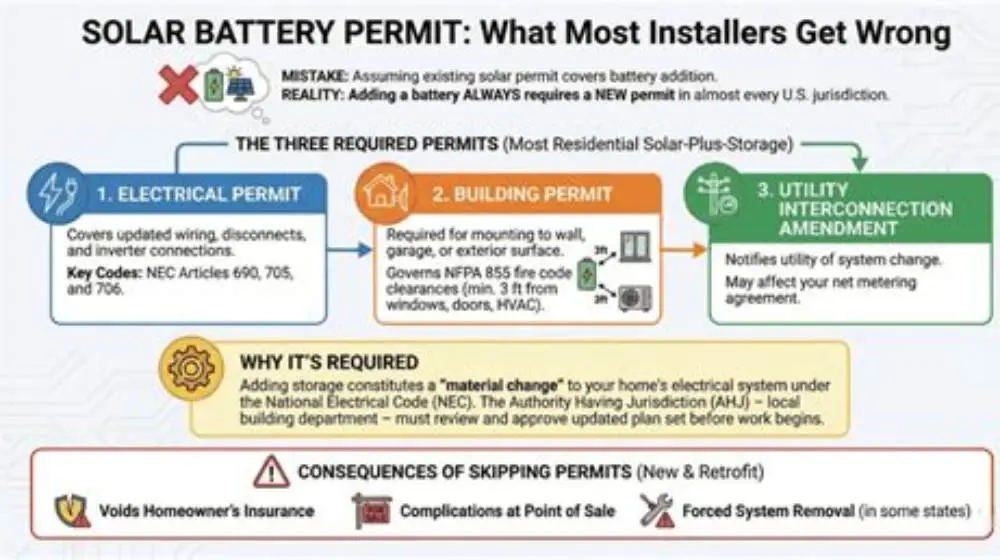
Next, the installer will submit any necessary planning permissions and grid connection applications to local authorities and your distribution network operator. Approval times can vary widely by location.
Once permits are approved, the installer schedules the actual installation, typically lasting 2 to 5 days for a residential system depending on complexity. The other half of this decision is improving epc with solar.
The installation includes mounting solar panels on your roof, wiring connections to your inverter and meter, and final electrical inspections to ensure safety and compliance.
If your home has complex roof features such as multiple levels or dormer windows, this can extend the installation timeline by an extra day or two as the installer must carefully plan panel layout and mounting solutions. In such cases, the installer might also recommend additional structural reinforcements to safely support the solar array, which can add cost and time.
During the application for grid connection, some local authorities may request additional documentation such as electrical load calculations or proof of homeowner association approvals. These requests can delay scheduling, so staying in communication with your installer to promptly provide any extra paperwork helps keep the project on track. It helps to understand where to buy condensing boiler units with local installer network before going further.
- Request site survey from installer
- Submit planning and grid connection applications
- Receive necessary approvals
- Schedule and complete installation
- Perform final inspections and system testing

Solar Power Meter, 2000 W/m² Range Handheld Solar Irradiance Meter with Dual
Measures solar irradiance with ±10 W/m² accuracy over 0–1999 W/m² range, suitable for your site survey.
What to expect during the installation process
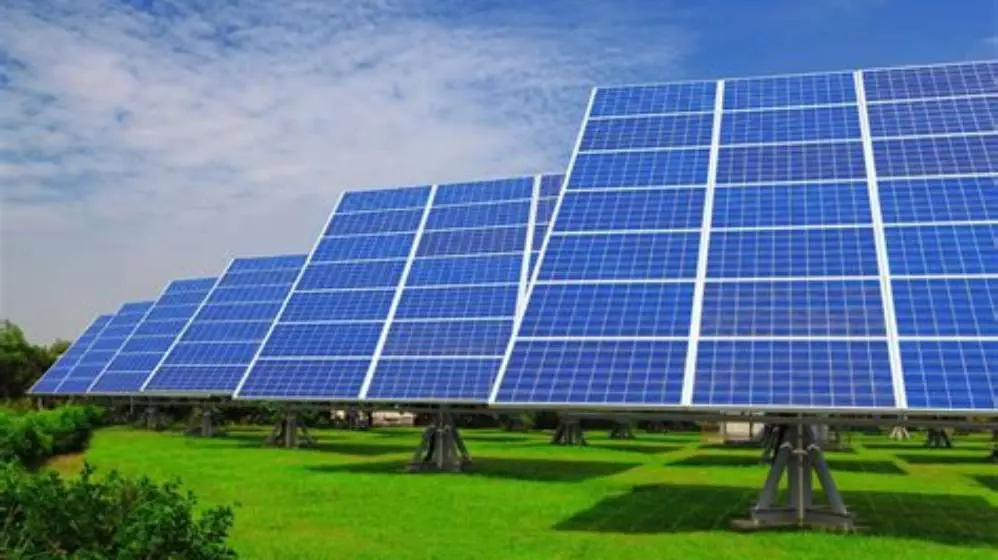
The installation begins with securing mounting racks on your roof, which typically takes 1-2 days depending on roof size and weather conditions.
Panels are then attached to the racks, aligned precisely to capture maximum sunlight. This step requires care to avoid roof damage and ensure durability.
Electricians connect the panels to your inverter, converting DC to AC power for home use. The system is wired into your home’s electrical panel and meter. There is more on electric heat pumps for homes installation in a separate guide.
Final checks include system testing, commissioning, and educating you on operating and maintaining the solar array.
Weather plays a significant role during installation. Heavy rain or strong winds can pause work, especially when securing mounting racks, to avoid risks of damage or injury. Installers typically monitor forecasts closely and communicate any changes to your schedule.
A common issue during installation is finding unexpected roof damage or deterioration once mounting begins. In such cases, the installer will notify you immediately to assess repair options; proceeding without addressing these issues could compromise panel stability and void warranties. The other half of this decision is warm homes local grant eligibility england.
To confirm successful installation, installers often perform a performance test measuring the system’s output against predicted values based on solar irradiance and panel specifications. A significant deviation may indicate wiring errors or shading problems that require correction before commissioning.
Tips for buying solar panels online vs locally
Buying locally offers immediate access to expert advice, easier warranty claims, and quicker support if problems arise. This can be crucial if you are new to solar technology.
Online purchases often feature wider product ranges and sometimes better prices but come with risks such as shipping damage, unclear warranty enforcement, and lack of personalized support. If that sounds like your situation, read up on what happened to the green deal and green deal finance next.
If considering online buying, ensure the panels come with valid certifications and that the seller has verifiable contact details. Factor in return shipping costs and installation compatibility.
Local buying simplifies the integration of supply and installation services, reducing delays since installers can source panels directly from their trusted suppliers.
| Feature | Buying Locally | Buying Online |
|---|---|---|
| Product range | Limited | Wide |
| Price | Higher average | Often lower |
| Warranty support | Easier claims | Complex claims |
| Expert advice | Available | Limited |
| Shipping risk | Low | High |
- Local buying: personalized service
- Local buying: easier warranty claims
- Online buying: wider selection
- Online buying: sometimes lower prices
- Local buying: potentially higher costs
- Local buying: limited product range
- Online buying: risk of shipping damage
- Online buying: complex warranty claims
How to check installer credentials and reviews
Start by verifying that installers hold certifications from recognized bodies like the Microgeneration Certification Scheme (MCS) or equivalent local licensing authorities. These confirm technical competence and adherence to safety standards.
Check online reviews on independent platforms to gauge customer satisfaction and flags. Look for patterns of punctuality, quality, and aftercare service.
Ask installers for references or site visits to their completed projects to see workmanship firsthand.
Request detailed quotes specifying equipment brands, warranties, and installation timelines to compare offers. Beware of unusually low bids that may cut corners.
- Certification: confirm valid MCS or equivalent
- Reviews: use trusted third-party platforms
- References: ask for recent project examples
- Quotes: detailed and transparent pricing
Buy and install solar panels for home: a stepwise local guide
To buy and install solar panels for your home effectively, start by researching local suppliers with certified products and solid warranties. Obtain at least three detailed quotes from installers who hold recognized credentials.
Schedule a site survey with your preferred installer to assess roof suitability and system sizing. This step identifies potential shading issues and confirms mounting options.
After submitting necessary permits and grid connection applications, wait for approval before installation. Coordinate installation dates and prepare your home by clearing roof access.
During installation, expect mounting racks to be fixed first, followed by panel placement and wiring. Finalize with system testing and training on operation.
Maintain contact with your installer post-installation for performance monitoring and warranty support.
- Find local certified solar panel suppliers
- Get installer quotes and check credentials
- Arrange site survey and system sizing
- Submit permits and grid connection paperwork
- Schedule and complete installation
- Perform system testing and receive training
Quick questions
How do I verify if a solar panel supplier is trustworthy?
Check if the supplier holds valid industry certifications like MCS, offers clear warranties, and has positive customer reviews. Visiting their local showroom or office can provide further assurance.
What permits do I need before installing solar panels?
You typically need planning permission from local authorities and approval from your electricity network operator for grid connection. Your installer usually handles the submissions but confirm this upfront.
Can I install solar panels myself to save money?
DIY installation is risky and often non-compliant with local regulations. Certified professional installation is highly recommended to ensure safety, warranty validity, and proper grid connection.
Are online solar panels cheaper than local ones?
Online panels can be cheaper but may lack local warranty support and expert advice. Evaluate total costs, including shipping, installation compatibility, and service availability before purchasing online.
How long does a typical solar panel installation take?
Residential installations usually take 2 to 5 days, depending on system size, roof complexity, and weather. This includes mounting, wiring, and final testing.