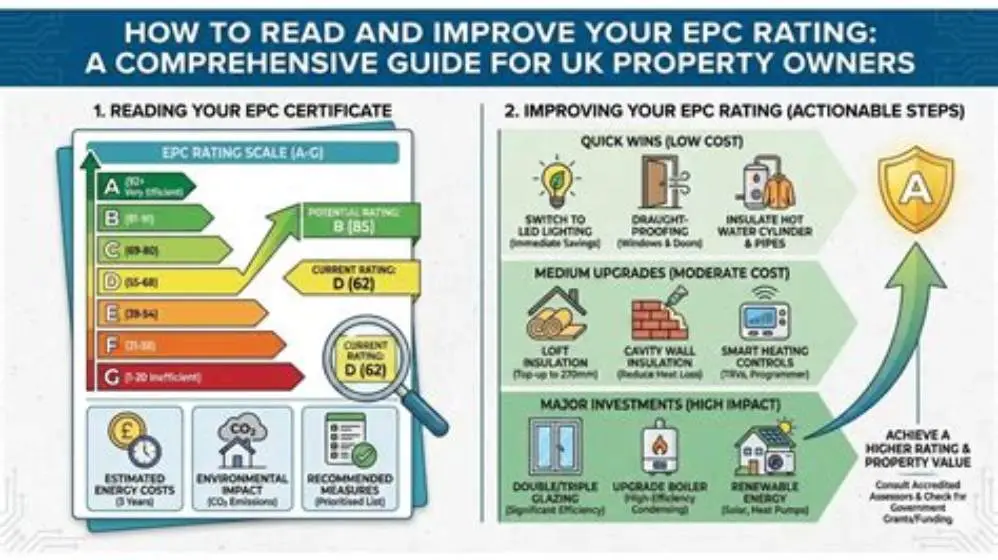
Landlords must ensure their rental properties meet a minimum EPC rating C, which means achieving an Energy Efficiency Asset Rating of 69-80, by 1 April 2025 for new tenancies and by 1 April 2028 for all existing tenancies, or face legal penalties.
On this page
- Quick recap
- Minimum EPC rating C thresholds for rental properties
- Legal deadlines landlords must meet for EPC rating C
- Allowed exemptions from the EPC rating C requirement
- Consequences of non-compliance with EPC rating C rules
- How landlords can improve EPC ratings to meet C
- EPC rating C for rental properties landlord rules explained
- Quick questions
Part of our guide on saving energy with EPC improvements
Quick facts
- Minimum EPC rating C
- 69–80 asset rating
- New tenancy deadline
- 1 April 2025
- All rental deadline
- 1 April 2028
- Maximum fine
- £5,000
- Typical upgrade cost range
- £3,000–£15,000
Quick recap
- Minimum EPC rating C means an asset rating between 69 and 80 on the EPC scale.
- Deadlines are 1 April 2025 for new tenancies, 1 April 2028 for all rentals.
- Exemptions apply but must be registered and documented carefully.
- Non-compliance can lead to fines up to £5,000 and enforcement notices.
- Practical upgrades focus on insulation, heating systems, and efficient glazing.
Minimum EPC rating C thresholds for rental properties
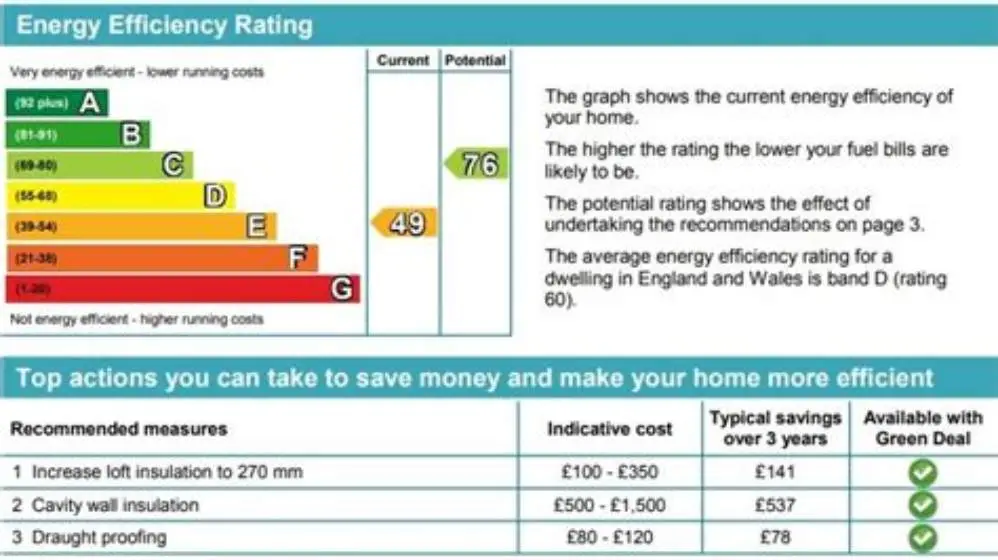
The minimum EPC rating C means the property must have an Energy Efficiency Asset Rating between 69 and 80 on the EPC certificate scale. This rating reflects the property's fabric, heating, glazing, and fixed lighting efficiency under standard assessment procedures.
This threshold applies across England and Wales under the Energy Efficiency (Private Rented Property) (England and Wales) Regulations 2015, amended to tighten requirements. Scotland and Northern Ireland have different rules and deadlines.
An EPC rating below 69 means the landlord must carry out energy efficiency improvements. The target of 69-80 ensures the property is broadly energy efficient, which reduces tenant bills and carbon emissions.
The EPC rating C threshold covers a range from 69 to 80, where 80 is the highest score within band C before reaching band B. This range means a property rated at 70 is barely meeting the requirement, while one at 79 nearly qualifies for band B. This distinction is important as some landlords aim for a higher rating within band C to future-proof against potential tightening of regulations. Before you commit to anything, it is worth looking at verify property EPC rating.
For example, a typical semi-detached house built in the 1980s might have an EPC rating of 55 initially. After adding cavity wall insulation (which can add about 10 points) and upgrading to a modern condensing boiler (adding another 5 points), the rating can improve to around 70, just reaching band C. This incremental improvement illustrates how targeted measures can meet but not necessarily exceed the threshold.

Flagfront Thermal Camera
Detects heat loss and insulation issues with a temperature measurement range from -4°F to 1022°F and 25Hz refresh rate for smooth imaging.
Legal deadlines landlords must meet for EPC rating C
Landlords must secure minimum EPC rating C for new tenancies starting from 1 April 2025. For all existing tenancies, the deadline extends to 1 April 2028. These deadlines are fixed by UK government regulations.
If a property is let on or after 1 April 2025 and fails to meet EPC C, the landlord cannot legally rent it out unless exempt. After 1 April 2028, all rental properties must comply regardless of tenancy start date. The other half of this decision is rental property EPC standards.
These deadlines are strict, with no extensions for non-compliance except in registered exemption cases. Early preparation prevents last-minute costly upgrades or rental voids.
If landlords miss the deadlines, they may lose the ability to grant new tenancy agreements for the property until compliance is achieved or an exemption is registered. This can result in rental income loss and legal challenges if they attempt to rent non-compliant properties.
It is critical to plan upgrades well ahead of deadlines as some retrofit works require time for design, permissions, and scheduling contractors. For instance, upgrading from band D to C might take several months, especially if external wall insulation or boiler replacements are involved. Early EPC assessments help landlords evaluate required works and avoid last-minute issues. Before you commit to anything, it is worth looking at epc requirements compared to other schemes.
| Property status | Deadline | Requirement |
|---|---|---|
| New rental tenancies | 1 April 2025 | Minimum EPC rating C |
| All existing rental tenancies | 1 April 2028 | Minimum EPC rating C |
| Exempt properties | Varies | Exemptions must be registered |
Allowed exemptions from the EPC rating C requirement
Certain rental properties are exempt from the EPC rating C rule, but landlords must register exemptions on the PRS Exemptions Register before letting or continuing to let the property.
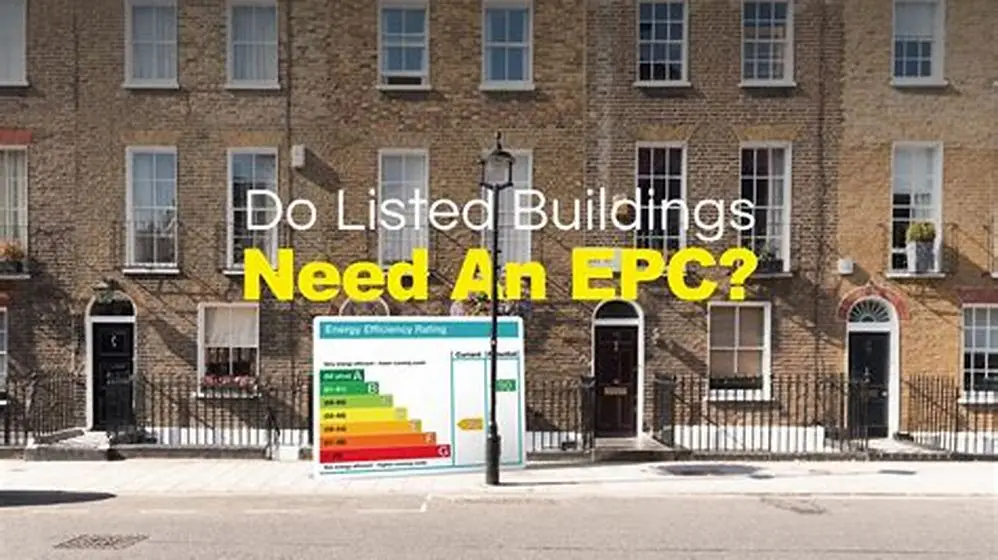
Common exemptions include listed buildings where improvements conflict with conservation, costly improvements exceeding £3,500 on a cumulative basis, and properties where no physical improvements can raise the rating to C.
Some short-term exemptions apply if landlords have arranged but not completed energy efficiency works by the deadlines, typically lasting six months. Failure to register these exemptions removes legal protection. We cover heat pump effect on epc in its own article.
A less commonly known exemption applies to properties that are rented for less than six months in a year. Such short-term lets may be exempted if the landlord can demonstrate the property is not occupied for more than 6 months annually, although careful record keeping is necessary.
Another exemption arises for properties where tenants have been provided with an energy performance improvement plan or where the landlord has entered into a Green Deal Plan for improvements, potentially allowing temporary relief. Landlords should consult current government guidance to verify these exemption nuances as regulations evolve.
- Listed buildings: improvements would harm historic value.
- Cost more than £3,500: cumulative improvement costs capped.
- Cannot reach EPC C: due to physical or technical constraints.
- Short-term exemptions: pending works in progress.
Consequences of non-compliance with EPC rating C rules
Landlords failing to comply with EPC rating C obligations face enforcement actions from local authorities, including penalties up to £5,000 per property for letting non-compliant homes. If that sounds like your situation, read up on are listed buildings exempt from epc rating next.
In addition to fines, landlords may receive improvement notices requiring them to carry out energy efficiency works within a set timeframe, or risk further penalties.
Non-compliance also risks rental income losses as tenants may refuse to rent or renew leases on properties failing legal standards, plus reputational damage impacting landlord portfolios.
Beyond financial penalties, persistent non-compliance can trigger legal action that includes being barred from letting properties, impacting a landlord’s ability to operate.
Local authorities may publicise enforcement actions, which can harm a landlord’s reputation and reduce demand from prospective tenants. This reputational damage can reduce property values and increase void periods.
How landlords can improve EPC ratings to meet C
To achieve EPC C, landlords typically focus on improving insulation, upgrading heating systems, and installing double or triple glazing. Common measures include cavity wall insulation, loft insulation, modern gas boilers, or heat pumps.
The combination of measures depends on the property type, age, and current rating. An EPC assessor or retrofit coordinator can identify the most cost-effective upgrades within the £3,500 allowable improvement budget.
Installing a smart thermostat or LED lighting often contributes marginal rating improvements but alone won’t reach EPC C. A whole-house retrofit approach targeting fabric first is more effective and future-proof.
- Get a new EPC assessment to identify current rating and weak areas.
- Consult a qualified retrofit coordinator or energy assessor for tailored upgrade advice.
- Prioritise fabric improvements (insulation, windows) before heating system upgrades.
- Schedule and complete improvements before the relevant compliance deadline.
- Register completion and keep records for exemption and compliance proof.
EPC rating C for rental properties landlord rules explained
The phrase 'EPC rating C for rental properties landlord rules' refers to the legal obligations landlords must meet to rent out homes with an Energy Performance Certificate (EPC) rating of at least C by government-set deadlines.
Landlords must understand that the rules mean meeting both fabric and fixed heating appliance standards to reach the asset rating of 69-80. Failure to comply exposes them to fines and legal action.
Tenants also gain from the rules through lower utility bills and improved comfort, while landlords protect property value and comply with climate commitments.
| Duty | Requirement | Notes |
|---|---|---|
| Achieve EPC C rating | Asset rating 69-80 | Applies to all rental properties by 2028 |
| Meet deadlines | 1 April 2025 for new tenancies | All tenancies by 2028 |
| Register exemptions | Before letting | Exemptions must be documented |
| Maintain EPC | Valid for 10 years | Renew as necessary for letting |
Quick questions
What happens if my property cannot physically reach EPC C even after improvements?
You must apply for a valid exemption on the grounds that improvements are not possible or cost-effective. Keep detailed evidence and register this on the PRS Exemptions Register. Failure to do so risks penalties.
Can I continue to rent my property if it currently has an EPC rating below C?
You can continue renting until the deadlines pass (1 April 2025 for new tenancies or 1 April 2028 for existing ones) unless you have an exemption. After then, renting below EPC C is illegal.
How do I check my property's current EPC rating?
Locate the most recent EPC certificate for your property, which is valid for 10 years, or use the UK government EPC register website to find the rating by entering the property address.
Are there any grants or funding to help improve EPC ratings?
Yes, UK schemes like the Boiler Upgrade Scheme, ECO4, and local authority grants can fund improvements such as boilers, insulation, or heat pumps. Eligibility depends on income, property type, and improvement scope.
Is an EPC C rating guaranteed to reduce tenant energy bills?
Generally, higher EPC ratings correlate with lower energy bills due to better energy efficiency. However, actual savings depend on tenant behaviour, heating patterns, and property use.