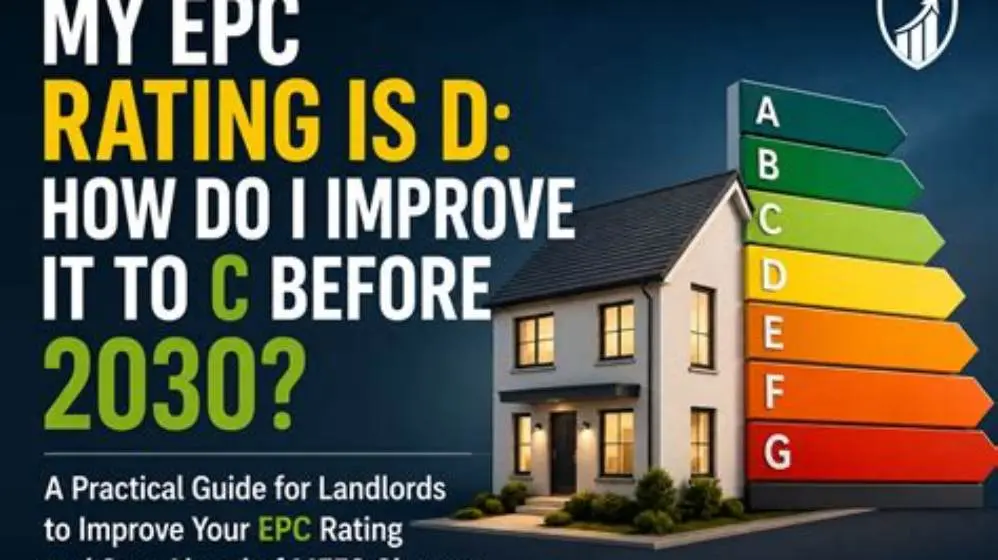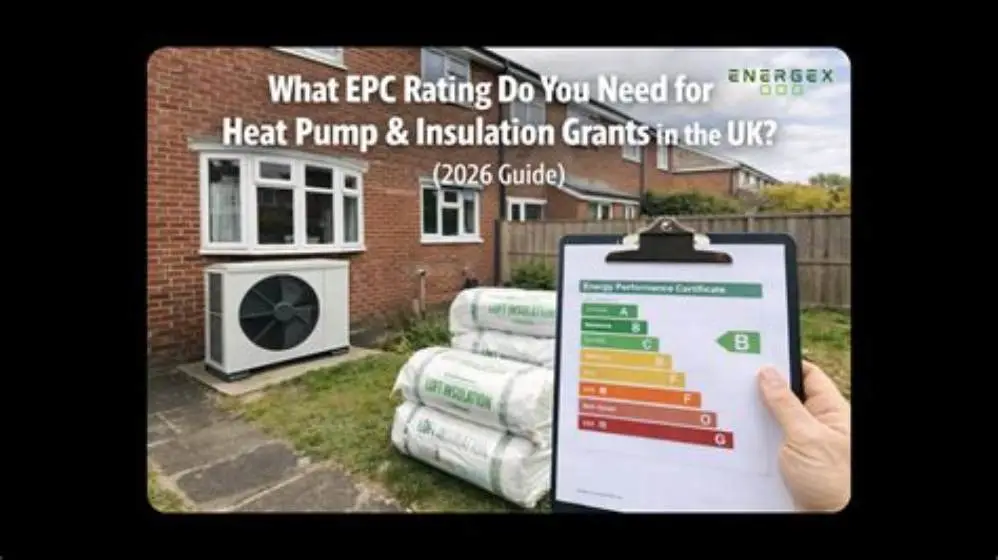
A heat pump typically improves your EPC rating by one or two bands, especially if replacing an old gas or electric system in a well-insulated UK home, because it uses electricity more efficiently and reduces carbon emissions.
On this page
- Quick recap
- How heat pumps influence EPC scoring
- Typical EPC rating improvements after installation
- Variation by heat pump type and house characteristics
- How EPC assessors factor heat pumps in ratings
- Does a heat pump improve your EPC rating: summary and key conditions
- Steps to get the most from your EPC rating improvement with a heat pump
- Quick questions
Part of our guide on raise EPC rating to C
Quick facts
- Typical rating gain
- 1-2 bands
- Efficiency consideration
- Seasonal COP 2.5-4
- EPC carbon factor drop
- Up to 50%
- Insulation influence
- Significant
- Heating system impact
- Primary factor
Quick recap
- Heat pumps often boost EPC ratings by 1-2 bands but depend heavily on home insulation and existing heating type.
- Air source heat pumps generally score better in EPCs than ground source due to efficiency assumptions.
- Installers must ensure heat pump specifications meet EPC assessor criteria for maximum rating gain.
- Homes with poor insulation see limited EPC improvement from heat pumps alone.
- EPC assessors factor heat pumps by boiler replacement, primary heating efficiency, and carbon emission impact.
How heat pumps influence EPC scoring
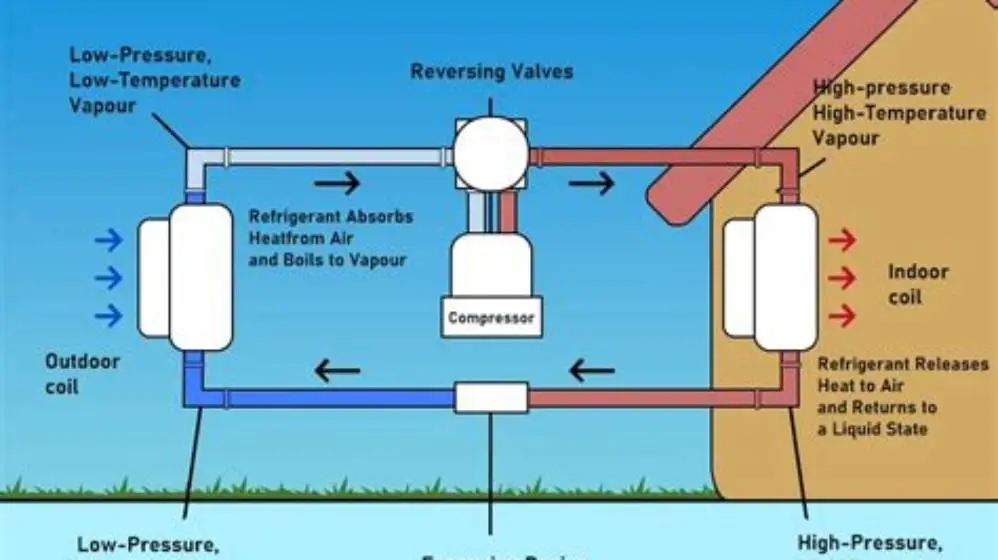
EPC ratings in the UK are calculated based on a formula including the energy efficiency of heating systems and their associated carbon emissions. Heat pumps provide heating by transferring ambient heat rather than burning fuel, so their efficiency is measured by a coefficient of performance (COP), typically between 2.5 and 4 in realistic UK conditions. This means for every unit of electricity consumed, the heat pump delivers roughly 2.5 to 4 units of heat energy.
An EPC assessor inputs this COP into the domestic energy model to estimate running costs and carbon emissions. Since heat pumps use electricity (which has a lower carbon emission factor than gas or oil when from renewables or grid decarbonisation is considered), the overall environmental impact decreases, improving the EPC score. For the detail, see our notes on epc impact of oil to lpg replacement.
However, the assessor also considers the existing insulation levels and ventilation – without good insulation, the heat pump's higher running costs and lower heat output temperature may reduce comfort or increase energy use, limiting the EPC improvement.
Typical EPC rating improvements after installation
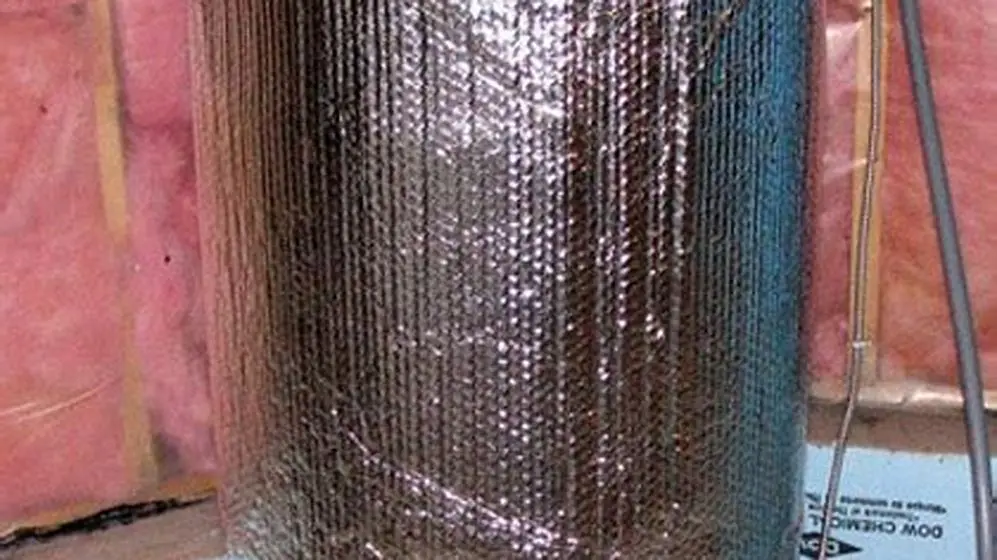
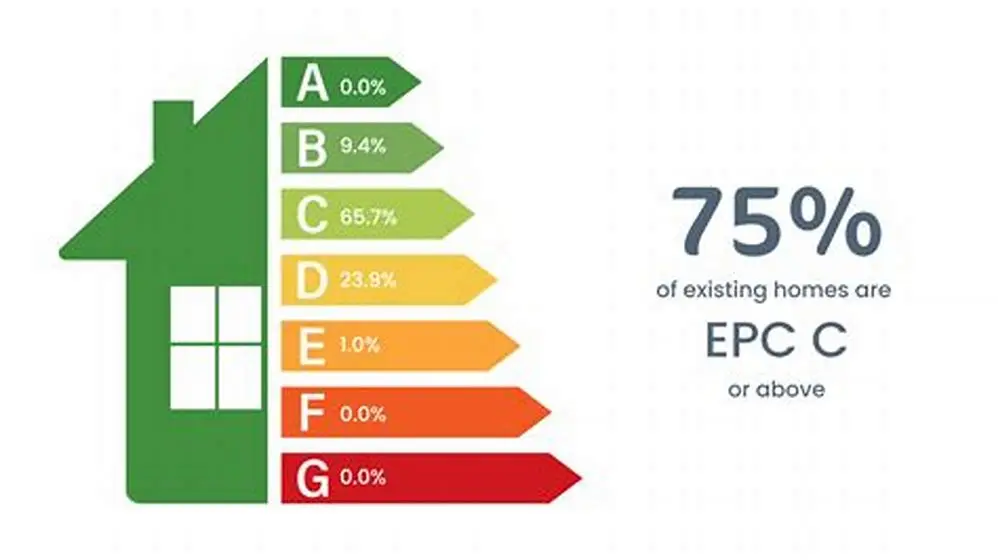
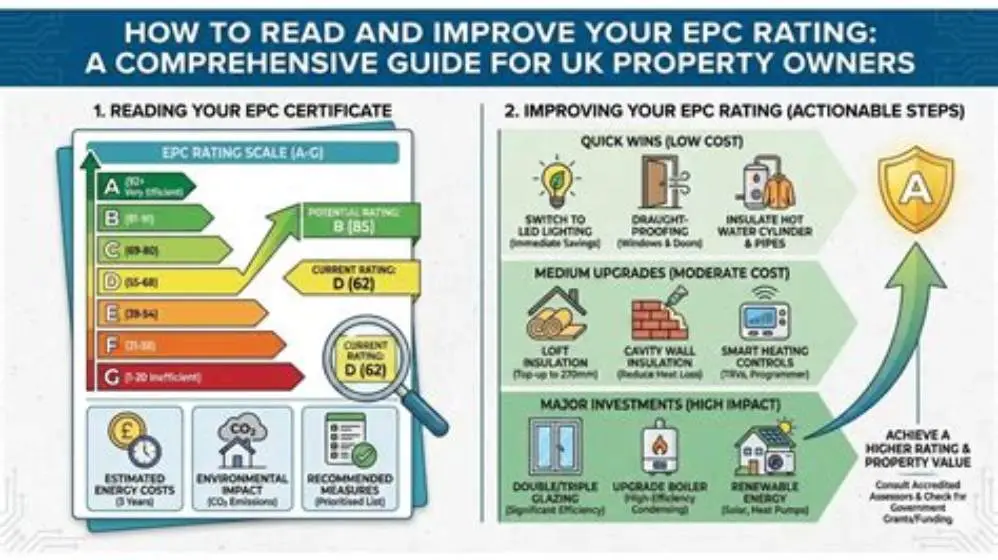
Most UK homes installing a heat pump see an EPC rating increase of one to two bands. For example, a home rated D with a gas boiler might upgrade to a C or B after installing an air source heat pump, assuming decent insulation. This improvement reflects reduced carbon emissions and running costs. For the detail, see our notes on epc improvement from insulated hot water tank.
Homes that start with poor ratings (E or F) often gain less, especially if their insulation is inadequate. Without upgrading fabric efficiency, heating system upgrades alone yield modest gains.
The size and layout of the house play a role too: larger homes with high heat demand may see less improvement because the heat pump has to work harder, which reduces seasonal efficiency.
- D rated home with gas boiler: likely 1-2 band gain
- E or worse rated homes: less than 1 band unless insulation improved
- Large homes: efficiency drops and EPC improvement limited
Variation by heat pump type and house characteristics
Air source heat pumps (ASHPs) are the most common type and typically offer seasonal COP around 2.5 to 3.5, which tends to give the best EPC improvements. Ground source heat pumps (GSHPs), while more efficient in theory (COP 3-4), can sometimes score lower on EPCs due to the way assessors model installation costs and efficiencies, which can offset carbon savings in the calculation. We cover air source heat pump heating in its own article.
A well-insulated home with underfloor heating or large radiators designed for lower flow temperatures maximises the heat pump’s efficiency and EPC benefit. Conversely, houses with traditional radiators and poor insulation may see less EPC uplift because the heat pump has to run at higher temperatures, reducing COP.
The age of the building affects heat loss and the heat pump’s workload. Newer builds designed for heat pumps score better improvements than older, draughtier houses that require additional measures to perform well.
| Heat Pump Type | Typical Seasonal COP | EPC Improvement Range | Best House Characteristics |
|---|---|---|---|
| Air Source Heat Pump | 2.5-3.5 | 1-2 bands | Good insulation, large radiators or underfloor heating |
| Ground Source Heat Pump | 3-4 | 0-1.5 bands | Well-insulated, stable ground temperature sites |
| Hybrid Heat Pump | Varies | Up to 1.5 bands | Homes switching between gas boiler and heat pump |
How EPC assessors factor heat pumps in ratings
EPC assessors use government-approved software and methodology to input the specific details of your heat pump model, including its seasonal COP and whether it replaces an existing boiler. The software adjusts the primary heating system efficiency and related carbon emissions accordingly. There is more on what is a good epc rating for a house in a separate guide.
They also check system controls, thermostats, and whether the heat pump is the main heating source or supplementary. The better the controls and the more the heat pump reduces fossil fuel consumption, the higher the EPC rating boost.
Installation quality and system design matter but are not directly scored. The assumption is that the heat pump operates as specified. Poor installation can reduce actual efficiency, so the EPC rating might be optimistic if the system isn’t maintained well.
Does a heat pump improve your EPC rating: summary and key conditions
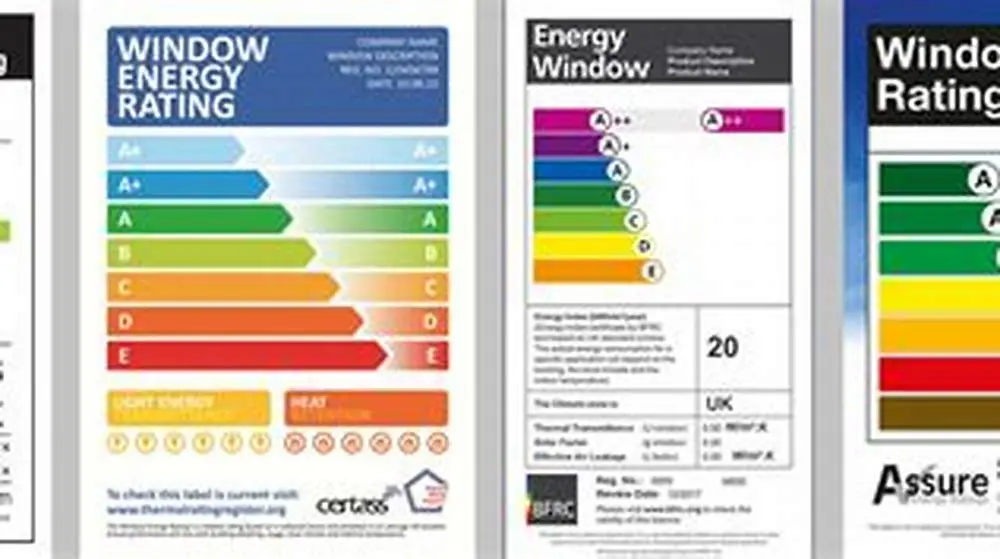
A heat pump does improve your EPC rating, but the exact gain depends on your home’s existing insulation, heating system, and heat pump type. The best case is a 1-2 band increase when replacing a gas boiler in a well-insulated home with a high seasonal COP pump. People in this spot often ask about understanding window energy performance as well.
Where insulation is poor or the heat pump is a less efficient model, the rating boost will be minimal. Without fabric improvements, a heat pump’s low-temperature output can reduce comfort and raise energy use, limiting EPC gains.
Therefore, for the best EPC upgrade and energy savings, install a heat pump meeting or exceeding a seasonal COP of 2.5, ensure it replaces your main heating system, and improve insulation to at least E or D band fabric performance before or alongside the installation.
Steps to get the most from your EPC rating improvement with a heat pump
Following this sequence increases the likelihood of a meaningful EPC rating gain after installing your heat pump. Knowing your baseline rating and improving the building fabric are crucial before installation. There is more on EPC rating C rental properties in a separate guide.
Proper choice of heat pump type and controls ensures the assessor can credit the system accurately. Without these preparations, the EPC gain might be marginal despite the investment.
- Assess your current EPC rating and insulation quality using an accredited assessor.
- Choose a heat pump system with a seasonal COP of at least 2.5 and suitable output temperature.
- Upgrade your home's insulation and draught-proofing to reduce heat loss and maximise heat pump efficiency.
- Ensure the heat pump replaces your main heating system and includes modern controls.
- Document the heat pump’s specifications and installation details for the EPC assessor.
- Schedule regular maintenance and seasonal performance checks with the heat pump efficiency meter.
A heat pump improves EPC rating effectively but only when combined with good insulation and a correctly sized, efficient system.
Quick questions
Will a heat pump always improve my EPC rating?
No, a heat pump only improves your EPC rating if it replaces your main heating system and your home has adequate insulation. Poorly insulated homes or secondary heat pump installations may see little to no EPC improvement.
How much insulation improvement is needed before a heat pump helps EPC scores?
Typically, fabric rated at EPC band D or better allows heat pumps to perform efficiently and show meaningful EPC gains; less than this, benefits are minimal.
Do ground source heat pumps give better EPC boosts than air source?
Not necessarily; while more efficient, ground source pump installation costs and model assumptions can reduce the EPC gain compared to air source pumps.
What documentation should I provide to the EPC assessor after installation?
Provide your heat pump’s seasonal COP, system controls details, and confirmation it replaces your main heating system to ensure accurate EPC scoring.
Can the EPC rating decrease if the heat pump is poorly installed?
EPC ratings are based on assumed operation; however, poor installation can reduce efficiency and comfort, which won’t reduce the EPC score but can raise actual running costs.