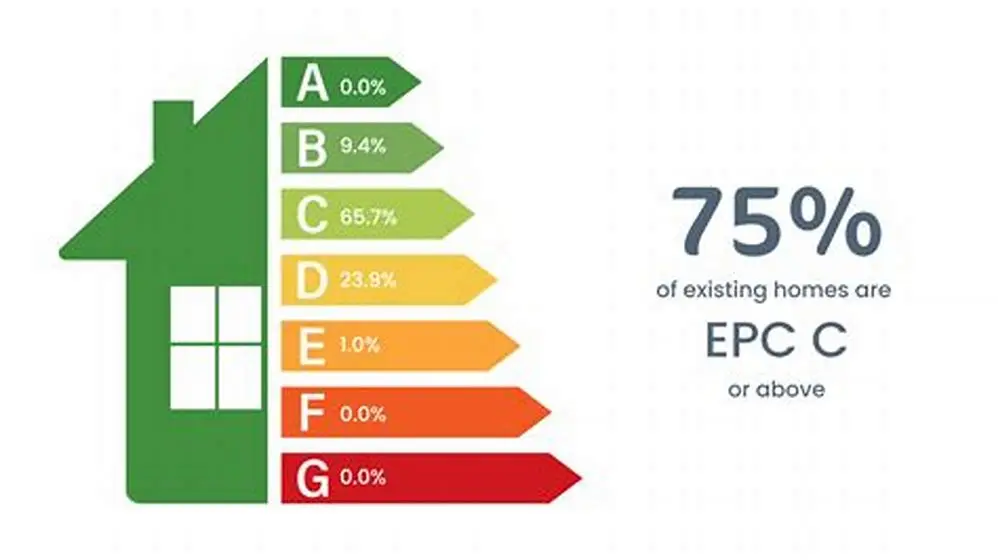
A good EPC rating for a house is typically a numeric score of 80 or above, corresponding to an EPC letter grade of C or better. This indicates relatively low energy use and running costs under UK conditions.
On this page
- Quick recap
- What numeric EPC rating or letter is considered good
- What minimum EPC rating is required for renting
- How to check your home's EPC rating
- What EPC rating ranges mean for energy efficiency and costs
- Why improving your EPC rating is often worth the cost
- EPC rating for a house: numeric thresholds that define good, average, or poor
- Quick questions
Part of our guide on how to improve epc rating from d to c
Quick facts
- Good EPC numeric
- 80+
- Good EPC letter
- C or above
- Min rental EPC
- E (39 numeric)
- EPC range
- 1 to 100+
- Typical UK home EPC
- 50-70 numeric
Quick recap
- EPC ratings range from 1 to 100+; higher is better energy efficiency.
- Score 80+ (grade C or above) is usually considered good energy performance.
- Minimum EPC for renting in England and Wales is currently grade E (39).
- Lower EPC scores mean higher energy bills and colder homes.
- Check EPC ratings via the UK government EPC register using your postcode.
What numeric EPC rating or letter is considered good
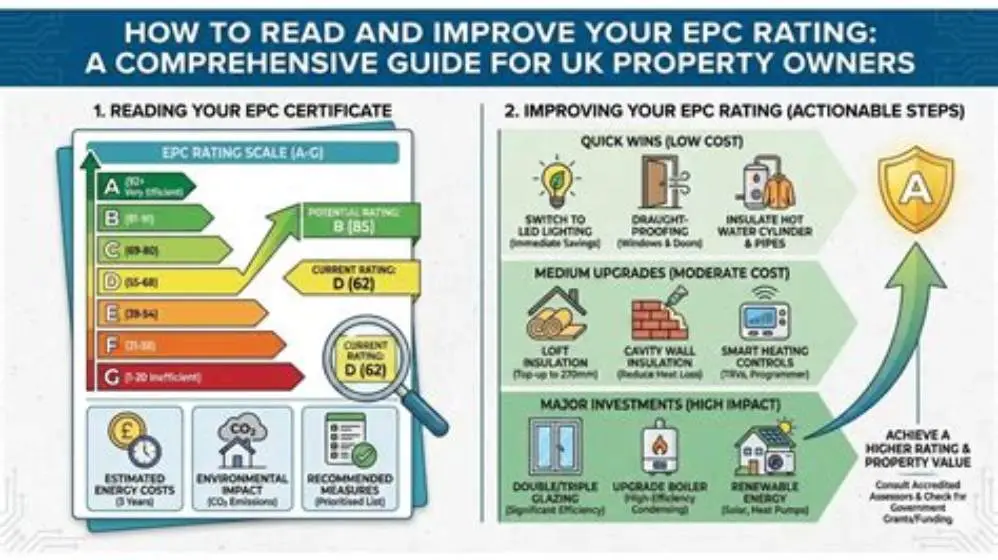
An EPC rating quantifies energy efficiency on a numeric scale from about 1 to just above 100, where higher numbers mean better performance. The corresponding letter grades run from G (worst) to A (best). A score of 80 or above (roughly equivalent to EPC letter grade C or better) is generally accepted as good. This level shows the home uses energy efficiently, leading to lower heating and electricity costs in typical UK conditions.
Scores between 92 and 100+ reach B or A grades, indicating excellent insulation, efficient heating systems, and low carbon emissions. Below 80, energy use climbs and bills increase. For a UK homeowner or renter, aiming for a score over 80 balances comfort and cost-effectiveness without demanding costly upgrades typical of A-grade properties.
The numeric scale depends on building factors like insulation thickness, window type, heating efficiency, and ventilation. External climate and property size influence running costs but not the EPC itself, which is standardised per square metre.
What minimum EPC rating is required for renting
By law in England and Wales, rented homes must now meet a minimum EPC rating of E or better, which means a numeric score of at least 39. This regulation aims to protect tenants from excessively inefficient homes prone to high bills and poor comfort. Scotland and Northern Ireland have their own minimum standards but generally align with or exceed this minimum. We cover rental property EPC compliance in its own article.
If a property scores below 39, landlords must upgrade it to meet the minimum or risk penalties. Typical upgrades include insulation, better heating, or double glazing. The current requirement is a floor; landlords can choose to improve further to attract tenants and reduce running costs.
The minimum rating is an enforceable legal threshold, but government schemes such as the Boiler Upgrade Scheme and ECO4 grants target homes with mid to low EPC scores (D and below) for funding support. This reinforces that E is a minimal standard, not a good rating for long-term savings.
Landlords must also provide tenants with a valid EPC at the start of a tenancy, ensuring transparency about energy efficiency. Failure to comply with minimum EPC requirements can lead to fines up to £5,000, highlighting the importance of meeting or exceeding the E rating. Some local authorities are increasing enforcement activity, especially in areas with older housing stock prone to poor energy performance. People in this spot often ask about warm homes plan epc threshold as well.
While the minimum EPC rating for renting is E, many tenants and buyers prefer homes with ratings of C or above, associating these with lower utility bills and better comfort. Consequently, properties with ratings below C may experience longer vacancy periods or require rent reductions to attract tenants, impacting the landlord's return on investment. Strategic upgrades to achieve at least a C rating can therefore be financially advantageous beyond compliance.
How to check your home's EPC rating
You can find your home's EPC rating by visiting the UK government's official EPC register website. Enter the property postcode and address details to access the latest certificate, which shows the numeric score and letter grade along with recommendations for improvement.
EPCs are valid for up to 10 years unless major renovations change the building's energy profile. If you don’t have an EPC, a certified energy assessor must perform an inspection, using tools such as a thermal imaging camera and a gas analyser to evaluate insulation, heating system efficiency, and ventilation. It helps to understand boosting your home's energy performance before going further.
Realistically, checking online is straightforward and free if the property has a recent EPC. If you are buying or renting, the seller or landlord must provide the EPC. Having this certificate helps you understand potential energy costs and plan improvements effectively.
If you have recently made energy efficiency improvements, such as installing double glazing or a heat pump, your EPC rating may be outdated. In this case, commissioning a new EPC assessment ensures your certificate reflects the current state, which can improve your property's marketability. Assessors use detailed software models alongside on-site inspections, so accurate and up-to-date information about building materials and systems helps produce a reliable rating.
For larger properties or those with complex heating systems, the EPC assessor may need additional information such as boiler specifications or insulation types. Providing this can avoid assumptions that might lower the rating. After obtaining the EPC, reviewing the recommendations section offers tailored advice on cost-effective improvements to raise your score. This can be a useful starting point before consulting specialists for quotes or planning renovations. People in this spot often ask about energy rating for double glazed windows as well.
What EPC rating ranges mean for energy efficiency and costs
EPC scores translate directly to expected energy costs and indoor comfort. Low scores (under 40, grades F and G) indicate poor insulation and inefficient heating, leading to high bills and cold rooms. Homes scoring 40-69 (D and E) are average but could use improvement for comfort and savings.
Good ratings (70-100+, grades C to A) suggest well-insulated walls, lofts, windows, and modern heating systems. These homes use less fuel to maintain warmth, cutting bills by 20-40% compared with low-rated homes under typical UK heating patterns.
Energy efficiency improvements that lift a home from D/E to C or above can cost several thousand pounds but reduce running costs substantially. Government schemes may assist with funding such upgrades. The exact cost saving depends on fuel prices, household size, and behaviour but expect noticeable difference in winter heating bills. If that sounds like your situation, read up on exemption status for listed buildings next.
For example, a semi-detached house with an EPC rating of 45 (grade E) might see annual heating bills of around £1,200, whereas improving its rating to 80 (grade C) through loft insulation and a modern boiler could reduce bills by approximately £400 annually. The upfront investment for these upgrades might be £3,000 to £5,000, suggesting a payback period of 7 to 12 years depending on fuel prices and usage.
When interpreting EPC ratings, consider that the numeric scale is designed so each band represents a step change in energy use. Moving from the bottom of one band to the top of the next can halve fuel costs in some cases. However, diminishing returns occur at the highest ratings (A and B), where very expensive measures yield smaller relative savings, so a balanced approach prioritizing cost-effective improvements is recommended.
| EPC score range | Letter grade | Typical energy use | Expected bills |
|---|---|---|---|
| 1-38 | F-G | Very high | Very expensive, cold rooms |
| 39-54 | E | High | Above average bills |
| 55-69 | D | Moderate | Average bills, some heat loss |
| 70-79 | C | Low | Lower bills, good warmth |
| 80-100+ | A-B | Very low | Minimal bills, very warm |
Why improving your EPC rating is often worth the cost
Upgrading a home to achieve a good EPC rating pays back through lower energy bills and better comfort. For most UK homes, moving from a D or E rating to a C or B can reduce annual heating costs by hundreds of pounds, depending on property size and fuel type.
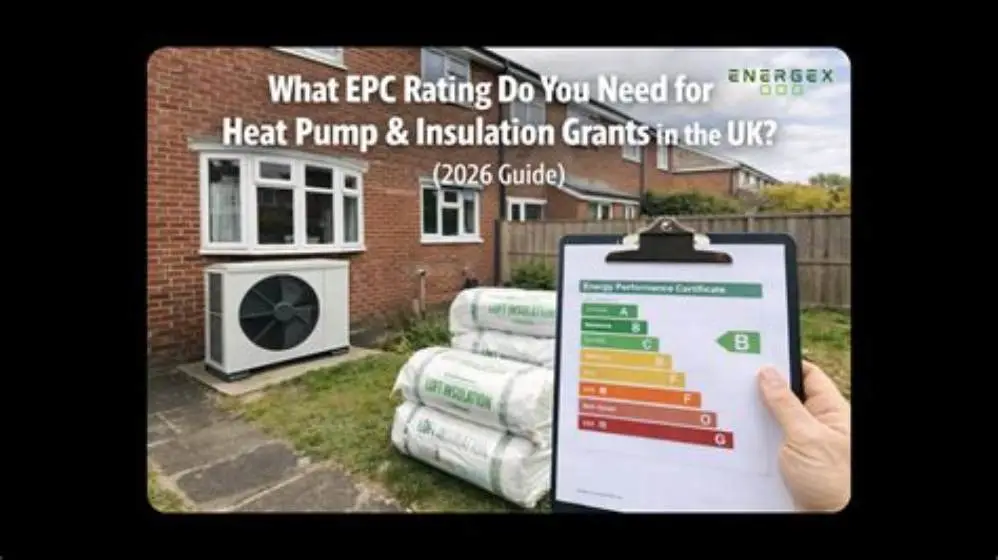
Grants like ECO4 and the Boiler Upgrade Scheme provide partial funding for insulation, boilers, and heat pumps, making improvements more affordable. They target homes with poorer ratings, especially below C.
Investing in insulation, draught proofing, and efficient heating technology also reduces carbon emissions, future-proofs the home against rising energy prices, and increases property value. However, upfront costs and disruption are trade-offs; assessing your home’s specific needs using an EPC and professional advice is essential.
EPC rating for a house: numeric thresholds that define good, average, or poor
To recap, a numeric EPC rating of 80 or above (letter grade C or better) marks a house as good, reflecting low energy use and running costs. Scores from 55 to 79 (grades D and E) denote average or acceptable energy efficiency but with scope for savings.
Ratings under 55 (F and G) indicate poor efficiency, often requiring investment to meet minimum rental standards or to avoid high fuel bills. Knowing your home’s EPC rating helps target improvements strategically and taps into UK government schemes designed to make homes warmer and cheaper to run.
Remember the rental minimum standard of E (numeric 39) is not a good rating but a legal threshold. Aim higher for comfort and savings. Always check your EPC through the official register before buying, renting, or planning upgrades.
Quick questions
Can a house with an EPC rating below 80 still be comfortable?
Yes, but generally homes below 80 have higher energy bills and may feel colder. Comfort depends on heating use and insulation. Upgrading improves warmth and can reduce bills significantly.
How often must an EPC be renewed?
An EPC is valid for 10 years unless major renovations change energy features. Renew it after upgrades like new heating or insulation to reflect improved efficiency.
Do all UK homes need an EPC?
Homes for sale or rent require an EPC. Owner-occupied homes not on the market do not legally need one but benefit from having a current certificate.
What are the main improvements to raise an EPC rating?
Loft insulation, cavity wall insulation, double glazing, and efficient boilers or heat pumps typically yield the best EPC score improvements.
Is EPC rating affected by occupant behaviour?
No. The EPC uses standardised assumptions about usage to ensure fairness. Actual bills vary with behaviour but EPC indicates property potential.