To check a property’s EPC rating, access the official EPC register for England, Wales, or Scotland, enter the property’s address or certificate number, then verify the certificate’s authenticity by checking the assessor details. If no EPC is found, a new assessment may be required.
On this page
- Quick recap
- How to access the official EPC registers in England, Wales, and Scotland
- How to enter property details to find the EPC rating
- How to verify the authenticity of an EPC certificate
- What to do if no EPC rating is found for a property
- EPC rating and what it means for your property
- How to use EPC information to improve your home’s energy performance
- Quick questions
Part of our guide on how to improve epc rating from d to c
Quick facts
- EPC validity
- 10 years maximum
- EPC rating scale
- A to G
- England & Wales register
- gov.uk EPC register
- Scotland register
- scottish EPC register
- EPC search inputs
- address or certificate number
Quick recap
- Use official government EPC registers for accurate ratings
- Enter full property address or EPC certificate number for search
- Check assessor details to verify EPC authenticity
- If no EPC exists, obtain a new assessment to comply with regulations
- Different UK nations have separate registers with varying access portals
How to access the official EPC registers in England, Wales, and Scotland
England and Wales share the same official EPC register hosted on the government's gov.uk website. This register holds all valid EPCs issued for properties in these two nations. To access it, go to the dedicated EPC register webpage maintained by the Ministry of Housing, Communities & Local Government.
Scotland maintains a separate EPC register hosted by the Scottish Government, covering all Scottish properties. The Scottish register is public and free to search online through the official Scottish EPC website.
Northern Ireland has its own system, but this article focuses on England, Wales, and Scotland only. The location of the registers depends strictly on where the property is situated, as each authority is responsible for the EPC data within its borders.
When accessing the registers, it’s important to use secure and official government websites to avoid inaccurate or fraudulent information. Avoid third-party sites that may charge fees or require registration for information that is publicly available for free. Before you commit to anything, it is worth looking at how to confirm epc exemption legally.
The registers typically update EPC data within days of new certificates being lodged. However, there can be short delays, so if an EPC was very recently issued, it might not appear immediately. Checking back after a few days can resolve this issue.
- England and Wales: Single EPC register at gov.uk
- Scotland: Separate Scottish EPC register online
- Each register contains EPCs issued in that nation only
How to enter property details to find the EPC rating
Begin by gathering key details: the full address of the property, including postcode, is usually sufficient to locate an EPC. Some registers also allow searching by EPC certificate number if you have it.
Inputting the full postal address is the most reliable method. Partial addresses or street names alone typically return too many results or none. Ensuring correct spelling and postcode format avoids confusion with nearby properties. People in this spot often ask about what is an energy performance certificate as well.
After submitting the address or certificate number, the register returns the latest EPC issued for that property. If multiple certificates appear, select the most recent one by date to get the current valid rating.
If you encounter multiple properties with similar addresses, especially in densely populated areas or apartment blocks, use the full postcode and property number to narrow down results. In some cases, adding the property name or distinguishing features can help identify the correct EPC.
If searching by EPC certificate number, ensure the number is entered exactly, including letter case and any spaces or dashes, as errors here will prevent a successful match in the register. Before you commit to anything, it is worth looking at epc rating c for rental properties landlord rules.
- Go to the official EPC register website for your nation
- Enter the full property address with postcode into the search field
- Alternatively, enter the EPC certificate number if known
- Review the search results to locate the correct property
- Select the latest certificate to view the EPC rating and details
How to verify the authenticity of an EPC certificate
An authentic EPC certificate includes a unique reference number, issue date, and details of the accredited domestic energy assessor who produced it. The assessor’s name and accreditation body are listed on the certificate.
Cross-check the certificate’s assessor details against the official EPC register record. The certificate number should match what’s in the register exactly. Any discrepancies suggest a non-genuine or outdated certificate.
Only certificates issued by accredited assessors recognized by the national scheme are valid for legal and sales purposes. If you want to confirm beyond the register, contact the assessor’s accreditation body directly. People in this spot often ask about double glazed windows energy ratings as well.
Viewing the detailed EPC report provides further proof: it breaks down the building’s energy features and recommended improvements, which you can compare with the property’s known characteristics.
- Check certificate reference number matches register
- Confirm assessor’s name and accreditation body
- Verify issue date is within last 10 years
- Look for detailed energy information matching the property
What to do if no EPC rating is found for a property
If a search returns no EPC, it means none is registered or the property has not had an assessment in the last 10 years. Below are common reasons why an EPC might be missing:
The property is newly built and the EPC has not yet been lodged. Properties sold or rented since 2008 are required to have a valid EPC, but new-builds can have delays. There is more on warm homes plan epc threshold in a separate guide.
The EPC has expired (older than 10 years) and a new one has not been obtained. Current regulations require renewing EPCs every 10 years.
The property was previously exempt from EPC requirements, such as certain listed buildings or places of worship, but note this status can change.
If no EPC is found, and you intend to sell or rent the property, you must commission a new EPC assessment from an accredited energy assessor to comply with legal requirements. The other half of this decision is epc change after adding insulated hot water tank.
If you suspect that the EPC has not been lodged correctly despite a recent assessment, contact the accredited energy assessor who carried out the survey. They can verify submission and re-submit if necessary.
For landlords, it is a legal obligation to have a valid EPC before letting a property. Failure to produce an EPC can lead to enforcement penalties and fines. Therefore, ensuring the EPC register reflects your property’s status is critical for compliance.
In some cases, especially with older properties or those with unusual construction, an EPC might not have been required historically. However, changes in regulations mean that even previously exempt properties may now require an EPC if sold or rented.
- Confirm the property’s full address and correct nation register were searched
- Check if the property is exempt from EPC requirements
- If not exempt and no EPC found, hire an accredited domestic energy assessor
- Get a new EPC certificate issued and lodged on the register
- Use the new EPC for energy efficiency improvements, sales, or lettings
EPC rating and what it means for your property
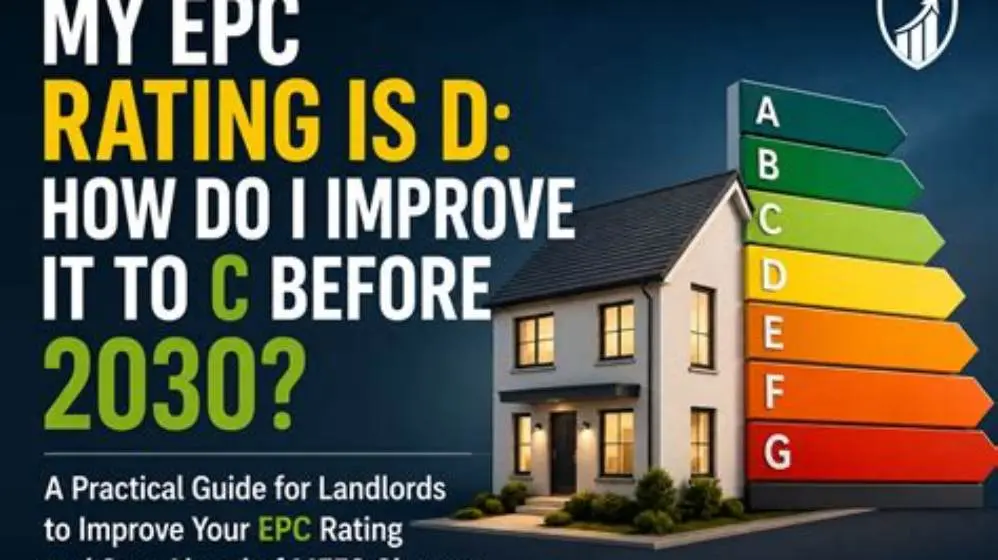
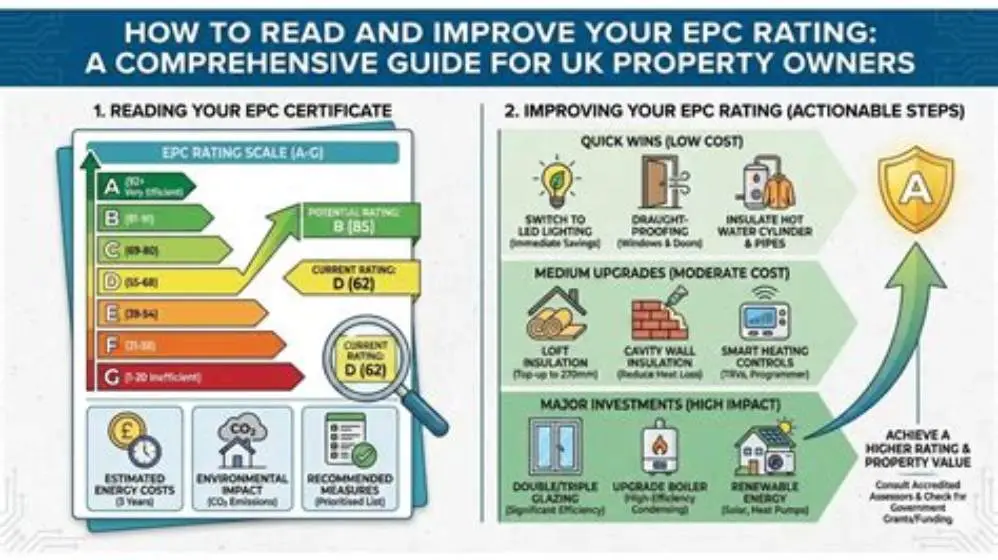
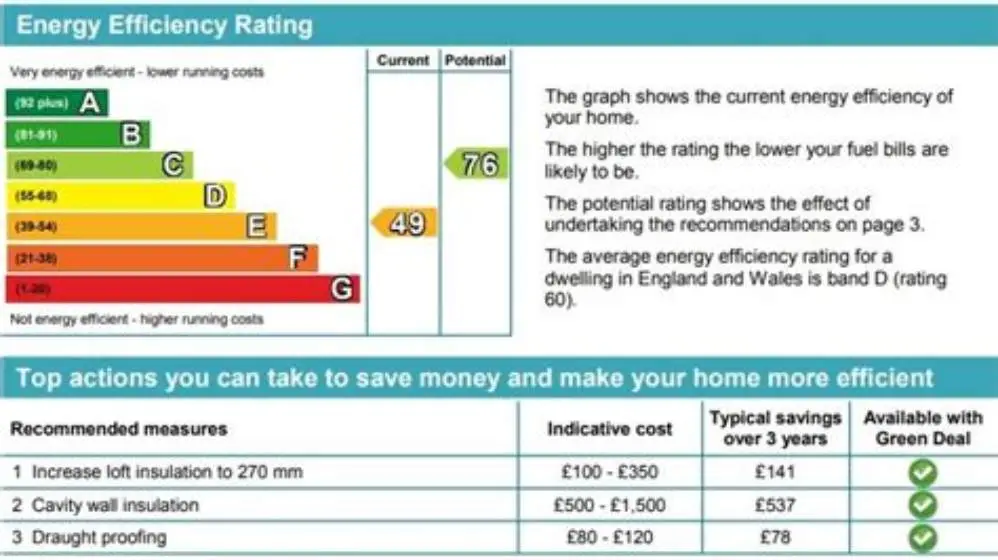
EPC ratings run from A (most efficient) to G (least efficient), reflecting the property’s energy performance. A typical UK home scores between D and E. The rating depends on insulation, heating systems, windows, and other factors.
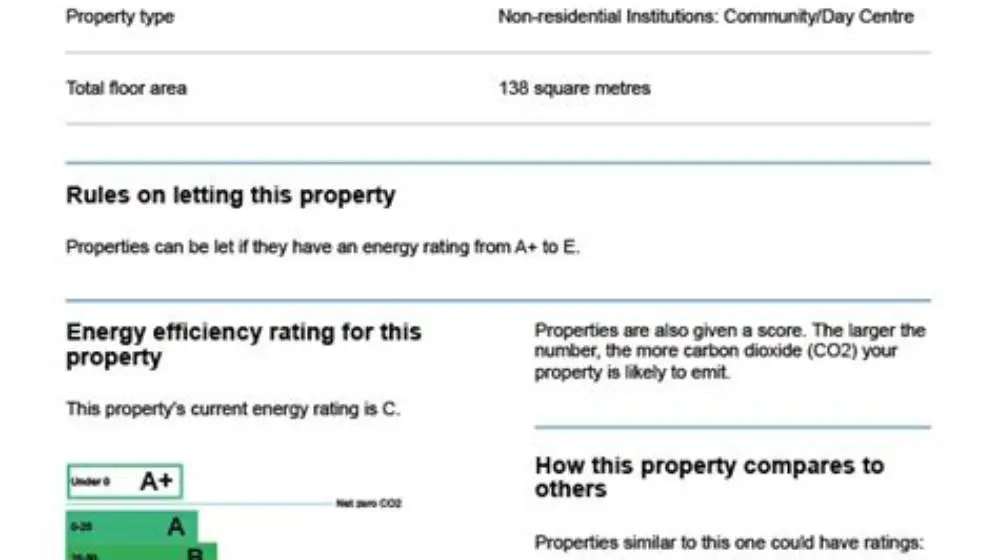
The certificate lists the property’s current rating and potential rating if recommended improvements are made. This helps homeowners and buyers understand where upgrades will have the most impact.
An EPC also estimates typical energy costs for heating and hot water based on standard usage patterns. These figures depend on property size, construction, and installed systems.
Improving your EPC rating can reduce energy bills and increase property value. Many UK grant schemes and funding options require a current EPC and may target properties below band C.
| Band | Efficiency | Typical UK property % | Implications |
|---|---|---|---|
| A | Excellent | Rare (<1%) | Lowest bills, highest comfort |
| B | Very good | Uncommon (~5%) | Efficient, qualifies for few grants |
| C | Good | Increasing (~20%) | Qualifies for many incentives |
| D | Average | Most common (~50%) | Target for improvements |
| E | Below average | Common (~20%) | Higher bills, needs upgrades |
| F | Poor | Less common (~4%) | High bills, urgent improvements |
| G | Very poor | Rare (~1%) | Lowest efficiency, costly to run |
How to use EPC information to improve your home’s energy performance
Once you have the EPC rating, focus on the recommended measures in the EPC report. These are prioritized by cost-effectiveness and impact on energy savings. Common improvements include loft insulation, cavity wall insulation, and upgrading heating systems.
Check if your property qualifies for grants like the Boiler Upgrade Scheme or ECO4, which require a valid EPC as proof of current performance. The EPC helps you target the most effective upgrades for your situation.
Consider scheduling a professional energy assessment or retrofit consultation to validate the EPC recommendations and plan a cost-effective approach. The EPC alone shows potential but not detailed building condition.
Upgrades guided by EPC data can reduce your energy bills by 10-30%, depending on current rating and measures applied. This improves comfort and reduces your carbon footprint.
- Review EPC recommendations for your property’s weaknesses
- Check eligibility for government grants using your EPC rating
- Hire accredited assessors for detailed retrofit advice
- Implement energy-saving measures in order of cost-effectiveness
Using the official EPC registers is the most reliable method to check and verify a property’s energy rating across the UK.
Quick questions
Can I check the EPC rating for any UK property online?
You can check EPC ratings for properties in England, Wales, and Scotland using their official registers. Northern Ireland has a different system. Public access means anyone can search, but you need accurate property details.
How long is an EPC certificate valid for?
An EPC certificate is valid for up to 10 years from the date of issue. After that, a new assessment must be done to provide an updated rating.
What if the EPC register shows multiple certificates for one property?
Select the most recent certificate by issue date. Older certificates are replaced by newer ones and are no longer valid for sales or lettings.
Are there fees to access the EPC registers?
Access to the official EPC registers in England, Wales, and Scotland is free for public searches. Obtaining a new EPC assessment involves costs only when commissioning an assessor.
How do I know if my property is exempt from having an EPC?
Exemptions include some listed buildings, temporary buildings, and places of worship. Check the official EPC guidance or consult local authorities to confirm if your property qualifies.