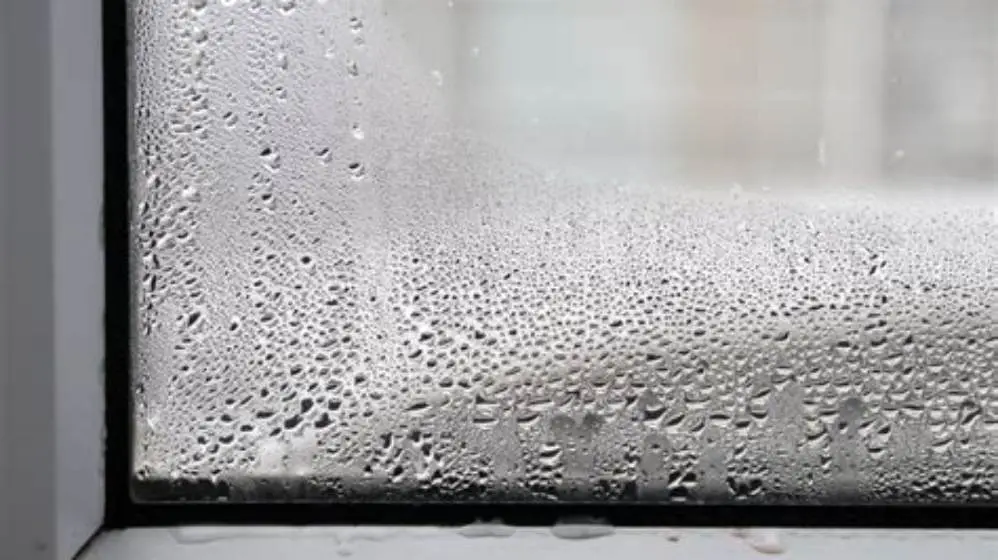
Glazing bars trap condensation when moisture enters a failed sealed unit and the bars create colder contact points. A bar alone doesn't create moisture. Check the glass surface, then test the pane under steady conditions.
On this page
- Quick recap
- Check where the condensation sits
- Glazing bars trap condensation between panes
- Run a five-minute condensation check
- Follow the diagnostic flow
- Measure temperatures without misleading yourself
- Reduce room-side and outdoor condensation
- Ask a glazier for a like-for-like quote
- Choose a replacement design that limits cold bridges
- Quick questions
Part of our guide on krypton vs argon glazing cost per window
Quick facts
- Cause
- failed edge seal allows moisture into the cavity
- Bar effect
- a through-cavity bar can create a local cold bridge
- Best check
- identify which side of the glass holds the moisture
- Temperature test
- compare like-for-like readings under steady conditions
- Repair option
- replace the failed sealed unit, not usually the whole frame
Quick recap
- Condensation between panes points to a failed sealed unit, whether or not bars cross the cavity
- Room-side moisture usually comes from indoor humidity, cold glass or poor ventilation
- Through-cavity metal bars can create sharper cold spots than timber or surface-mounted bars
- Use an infrared thermometer carefully, with matching surfaces and stable conditions
- Ask a qualified glazier for a factory-built replacement unit, written warranty and an on-site time estimate
Check where the condensation sits
Moisture between the panes means the sealed unit has lost its airtight seal. You won't wipe it away from either room. Moisture on the room side usually relates to indoor humidity or cold glass. Moisture outside can occur during clear, cold weather and often clears as conditions change.
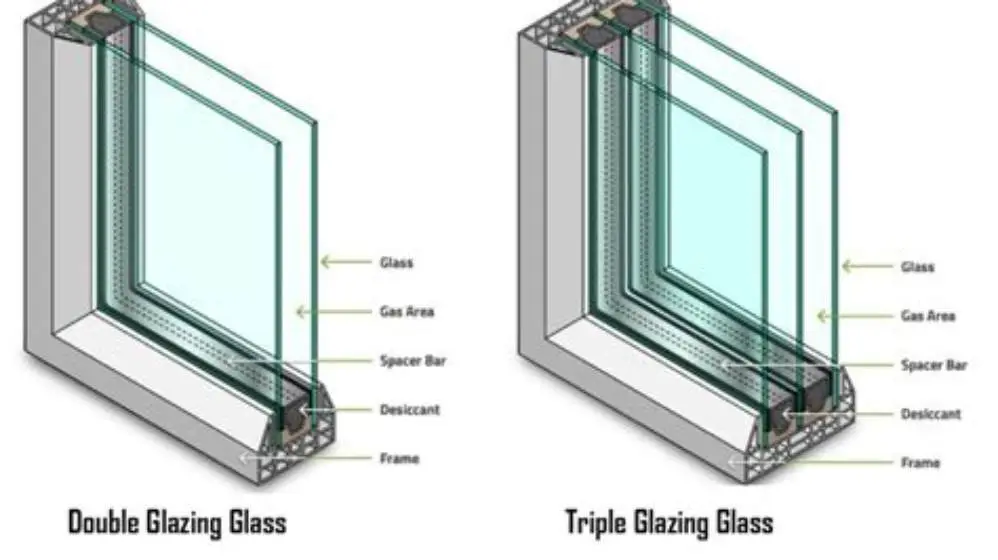
A sealed unit contains two panes, a spacer and perimeter seals. Many spacers include desiccant, which absorbs small amounts of moisture during manufacture. Once an edge seal deteriorates, damp air enters and haze or droplets can appear.
Bars can sit in different positions. A through-cavity bar crosses the gap and may touch, or sit close to, both panes. A surface-mounted bar stays on one side of the glass. Some units use bars clipped to the spacer instead.
Glazing bars trap condensation between panes
A through-cavity bar gives heat a direct route between the warm and cold sides of the window. Metal conducts heat well, so it can create a sharper cold spot than timber. The result depends on the bar material, cavity, glass, weather and indoor humidity. The other half of this decision is triple glazing vs double glazing.
Use these points to judge the bar design:
- Through-cavity bars: can conduct cold between panes and create local condensation
- Surface-mounted bars: stay outside the sealed cavity and don't create a direct bridge
- Timber bars: can swell after prolonged moisture exposure; movement depends on species and finish
- Metal bars: can create sharper local cooling because metal conducts heat well

Etekcity Infrared Thermometer Laser Temperature Gun 774
Shows the laser distance guidance and target size so you can compare bar and glass surfaces from a consistent distance: 12:1 distance-to-spot and recommended ~14.17 inches / 36 centimeters measurement distance.
Run a five-minute condensation check
Use this short sequence before contacting a glazier. Work in daylight and avoid touching the glass more than necessary.
- Wipe the room-side surface with a dry microfibre cloth. Wait two minutes, then wipe the outside surface. If the haze remains, inspect the space between the panes.
- Hold a printed page or torch behind the glass. If the image or beam looks blurred inside the cavity, take a close photo. Mark the time and repeat the photo after 30 minutes.
- Place a small piece of matte, dark tape on matching spots beside the bar and at the pane centre. Take an infrared reading from the same distance and angle.
- If moisture remains between the panes, save the timestamped photos and readings. Call a glazier for a sealed-unit assessment.
- If both glass faces wipe clear and only the room side fogs again, measure room humidity and improve ventilation. If only the outside fogs, monitor it as outdoor dew-point condensation.
Follow the diagnostic flow
Use this decision tree to separate a failed sealed unit from surface condensation: The other half of this decision is argon filled glazing u values compared to air filled.
- Can you wipe the moisture from the room side? If yes, check indoor humidity, ventilation and cold surfaces. If no, continue.
- Can you wipe it from the outside? If yes, watch whether it clears with daylight or changing weather. If no, continue.
- Does the moisture appear between the panes, or does a torch show internal haze? If yes, treat the unit as failed and call a glazier. If no, continue.
- Do matching tape targets show a repeatable cold spot beside the bar? If yes, mention the result to the glazier. If no, keep the diagnosis open and request an inspection.
Measure temperatures without misleading yourself
An infrared thermometer gives a useful comparison when the setup stays consistent. Test on a cold, dry morning before direct sunlight reaches the window. Keep heating, curtains and ventilation steady during the readings.
If your infrared thermometer supports emissivity settings, set it for glass. If it doesn't, use matte tape targets and note the device limitation. Shiny or coated glass can reflect infrared radiation, so measure the tape rather than the glass reflection.
Measure the bar, nearby glass and pane centre. Keep the same distance, angle and target size. Record indoor temperature, outdoor temperature, sunlight, heating state and each reading. Repeat later under similar conditions. Before you commit to anything, it is worth looking at timber window gap too wide for v seal.
No universal temperature difference proves a thermal bridge. A repeatable difference at matching targets supports the diagnosis, while cheap instruments can show noise. A glazier using thermal imaging can confirm the pattern more reliably.
- Confirm the moisture location before measuring.
- Apply matching matte tape targets if the device cannot set emissivity.
- Measure the bar, adjacent glass and pane centre from the same position.
- Record conditions and repeat the readings later if needed.
- Send the photos and readings to the glazier.
Reduce room-side and outdoor condensation
Room-side condensation forms when warm, damp air meets cold glass. Use extractor fans, keep trickle vents open where suitable and avoid drying laundry against the window. A humidity meter can show room conditions, but readings change with temperature and room use.
Outer-pane condensation can occur when outside glass becomes colder than the outdoor air's dew point. It often clears after sunrise or a change in wind. Clear glass between the panes is a good sign in this case. We go through value of triple glazed windows step by step elsewhere on the site.
Condensation between panes remains until the unit is replaced or repaired. Opening a window won't remove moisture from a sealed cavity. A failed unit can still insulate reasonably, so visual moisture remains the clearest warning.
| Location | Likely cause | Bars involved? | Next step |
|---|---|---|---|
| Between panes, beside bars | Failed seal with a local cold bridge | Possibly | Ask a glazier to inspect the sealed unit |
| Between panes, spread evenly | Failed seal without a strong bar effect | Not necessarily | Arrange a replacement-unit assessment |
| Outside the outer pane | Outdoor dew-point conditions | No | Monitor it if the inside stays clear |
| Room side of the glass | Indoor humidity or cold surface | Only if room-side bars are present | Improve ventilation and check room conditions |
Ask a glazier for a like-for-like quote
Most repairs involve replacing the sealed glass unit rather than the entire frame. Replacement time varies with access, unit size and frame complexity. Ask the fitter for a specific on-site time estimate and a written quote.
Request a factory-built unit made to the relevant product standard, such as EN 1279 where applicable. Ask for the manufacturer's warranty, the installer's workmanship warranty and the complete glass specification.
Give the glazier this short checklist:
- Exact pane sizes, measured by the installer
- Glass type, thickness, coating and safety classification
- Spacer material, colour and width
- Bar position, mounting method and cross-section
- Gas fill or cavity specification, where applicable
- Removal, disposal, access and installation details
- Unit warranty, workmanship warranty and on-site time estimate
Choose a replacement design that limits cold bridges
Warm-edge spacers use lower-conductivity materials than conventional aluminium and can reduce edge heat loss. Ask suppliers for thermal performance data for the complete unit, not just the spacer.
Surface-mounted bars avoid a direct bridge through the cavity. Clip-mounted or spacer-mounted designs may also reduce cooling, but ask the fabricator for a cross-section drawing. Confirm whether the proposed bar touches both panes or only the spacer.
A multi-cavity arrangement can limit bar contact with the warm inner pane. It doesn't remove every condensation risk. Confirm the bar position, cavity width and thermal performance with the fabricator.
Heritage windows need extra care. A plain sealed unit with applied bars may change the appearance, while a slim unit may preserve sightlines but offer different thermal performance. Ask for a sample, section drawing and written specification before approving the order.
- Warm-edge spacers: reduce heat loss at the sealed-unit perimeter; request supplier data
- Surface-mounted bars: avoid bridging the cavity and can preserve the grille appearance
- Clip-mounted bars: may reduce contact with the panes; confirm the fixing detail
- Multi-cavity glazing: can limit bar contact with the warm inner pane; confirm the design
Quick questions
Can I fix a failed sealed unit by drilling a hole?
No. Drilling may release moisture briefly but does not restore the edge seal. It can damage the glass, spacer or frame. Ask a glazier whether the unit should be replaced.
Will condensation damage the glazing bars or frame?
Prolonged moisture can stain or swell timber and corrode some metals. Damage depends on the materials and how much water remains trapped. Have the frame checked if moisture reaches the seals or sill.
Do all through-cavity bars cause condensation?
No. A through-cavity bar can create a cold bridge, but moisture also needs to enter the cavity. A sound sealed unit may stay clear even with a bar present.
How long does a sealed unit with through-bars last?
Service life varies with manufacture, installation, exposure, movement and maintenance. Ask the supplier for the unit warranty and expected service conditions rather than relying on a general year range.
Can I replace just the inner pane?
Usually no. The panes, spacer and seals form one factory-built sealed unit. A glazier can confirm the construction and quote for the correct replacement.
Will secondary glazing stop condensation inside the failed unit?
No. It may warm the room-side surface and reduce surface condensation, but it won't remove moisture trapped between the original panes.