Find out how long an energy switch usually takes and the key steps involved in the process.
Switching energy suppliers usually takes between 17 and 21 calendar days from your request, depending on your current contract and meter type. Delays often stem from meter readings and paperwork.
On this page
- The short version
- How long switching energy supply usually takes
- What steps are involved in the switch
- Common reasons for delay and how to avoid them
- How long does energy switch take when you have a smart meter
- What to do if your switch is taking longer than expected
- How long does energy switch take: summarising the timeline
- Questions people still ask
Part of our guide on how to monitor home energy usage
Know exactly how long an energy switch takes, the key steps, and how to avoid delays for a smooth supplier change.
| Typical switch time | 17-21 days |
|---|---|
| Contract break notice | Usually 14-30 days |
| Cooling-off period | 14 days |
| Final meter reading | Needed at switch |
| Grid disconnection | Never happens during switch |
The short version
- Energy supplier switch usually completes within 17-21 days.
- Meter readings and contract end dates impact timing.
- Providing accurate meter readings helps avoid delays.
- You keep your current energy supply uninterrupted during the switch.
- A smooth switch requires clear communication with both suppliers.
How long switching energy supply usually takes
The typical energy supplier switch in the UK takes about 17 to 21 calendar days from the time you request it. This depends on your current supplier, meter type, and contract terms. Your energy supply remains active and uninterrupted during this period.
The process includes your new supplier informing your current one, arranging a final meter reading, and setting up your account. If your existing contract has a fixed term, you may need to consider its end date or any early exit fees.
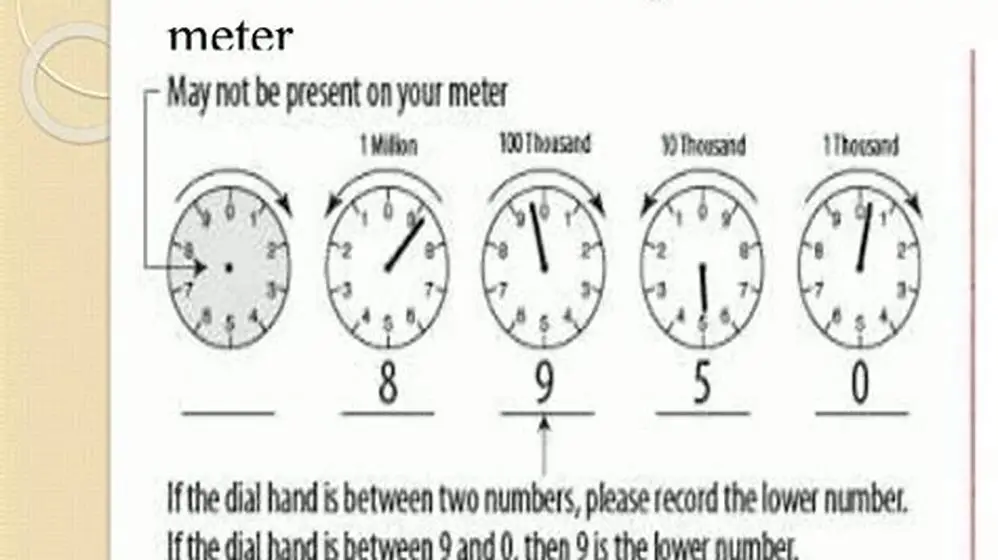
Meter types matter: smart meters can speed up final readings, while traditional meters require manual readings, which can delay the process if not provided promptly.
Your supplier must respect the 14-day cooling off period, where you can cancel the switch without penalty. This extends the timeline slightly but protects consumers. We cover using pulse output for energy readings in its own article.
What steps are involved in the switch
Switching energy suppliers involves several key stages. First, you pick a new supplier and agree to a contract. Then your new supplier contacts your current supplier to start the switch.
Next, your current supplier arranges a final meter reading. This reading closes your account and ensures accurate billing. Your new supplier uses this to set up your account and prices.
Once readings and paperwork are confirmed, your new supplier activates your supply. You start paying the new rates without any service interruption. For the detail, see our notes on rainwater pump keeps running full tank.
You may need to provide your meter point administration number (MPAN) for electricity or meter point reference number (MPRN) for gas. These unique identifiers link your meter to your property.
After your new supplier confirms the switch date, they send a confirmation to both you and your current supplier. This notification includes the exact date when your new supplier will start billing you. It helps avoid confusion and ensures a smooth transition without gaps in service or billing errors.
If your property has multiple energy meters, such as separate meters for electricity and gas, each switch might follow slightly different timelines. You may need to provide separate MPAN and MPRN numbers. Your new supplier will coordinate these details to make sure all meters switch over properly. We cover understanding smart meter capabilities in its own article.
- Choose and sign up with a new supplier.
- New supplier informs current supplier.
- Arrange and record final meter reading.
- Confirm switch date with both suppliers.
- New supplier takes over supply and billing.

WiFi Smart Power Meter with 2pcs 80A Current Transformer Clamp,Tuya app 2-Way
No timing or delay information is provided to assess switching speed.
Common reasons for delay and how to avoid them
Delays in switching usually arise from missing or incorrect meter readings. If you don’t provide an actual reading, suppliers estimate usage, which can stall the switch.
Contractual obligations can also delay the process. Early exit fees or notice periods in your current contract might force a wait before switching.
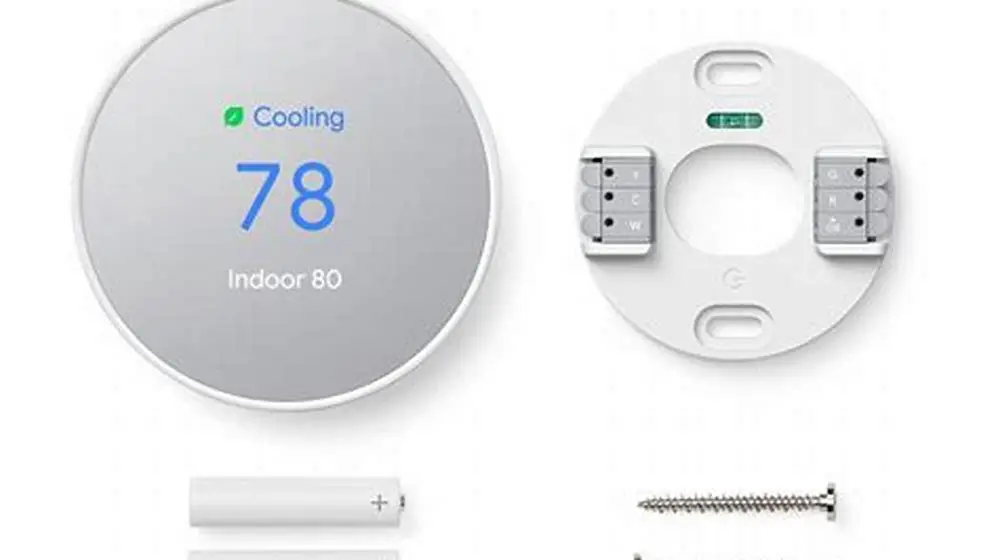
Administrative errors like mismatched personal details or unclear meter numbers slow down processing. Double-check these details when signing up with a new supplier. For the detail, see our notes on energy efficiency certification for Nest.
Meter type affects timing. Traditional meters needing manual reads cause longer delays. Smart meters reduce this because they report readings automatically.
Sometimes, delays occur due to waiting for your final meter reading appointment. If you miss or forget the appointment, the switch pauses until the reading is done. This can add several days or even weeks to your timeline. Your new supplier often contacts you to arrange or confirm the reading date, so stay alert to their messages.
Another cause for delay is if your new supplier finds discrepancies in your meter readings or account information. They may need to verify details with your current supplier, which takes extra time. Checking your meter details, contract dates, and personal info carefully before switching helps avoid these issues. For the detail, see our notes on nest thermostat energy dashboard not working.
- Meter reading: provide an accurate, recent reading.
- Contract terms: understand and respect notice periods.
- Personal details: ensure consistent name and address info.
- Meter type: smart meters shorten switching time.
How long does energy switch take when you have a smart meter
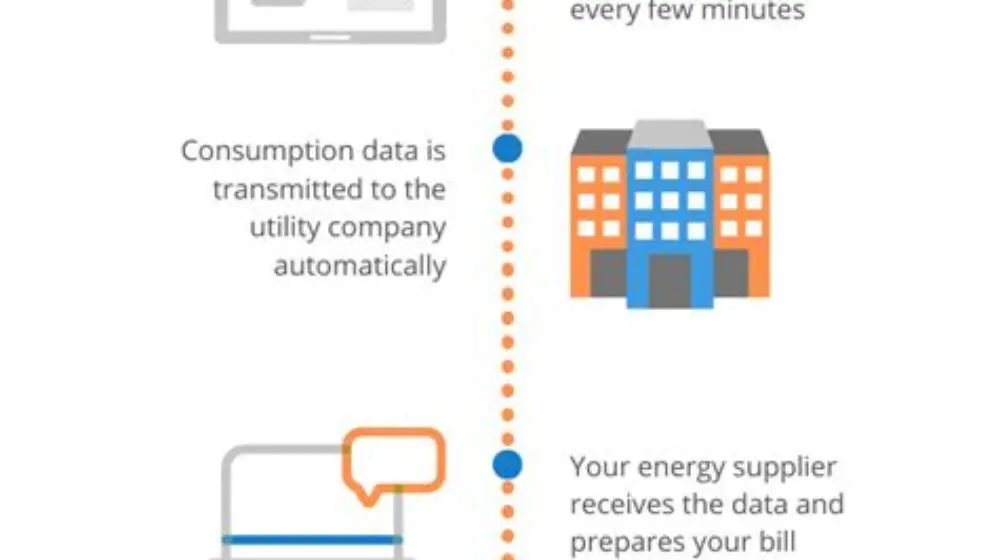
With a smart meter, the energy switch can be faster. Smart meters typically allow automatic final readings, reducing wait times for manual checks.
Switching can complete in about 14 to 17 days if no other contractual or administrative delays occur. The meter’s remote reading removes one common bottleneck.
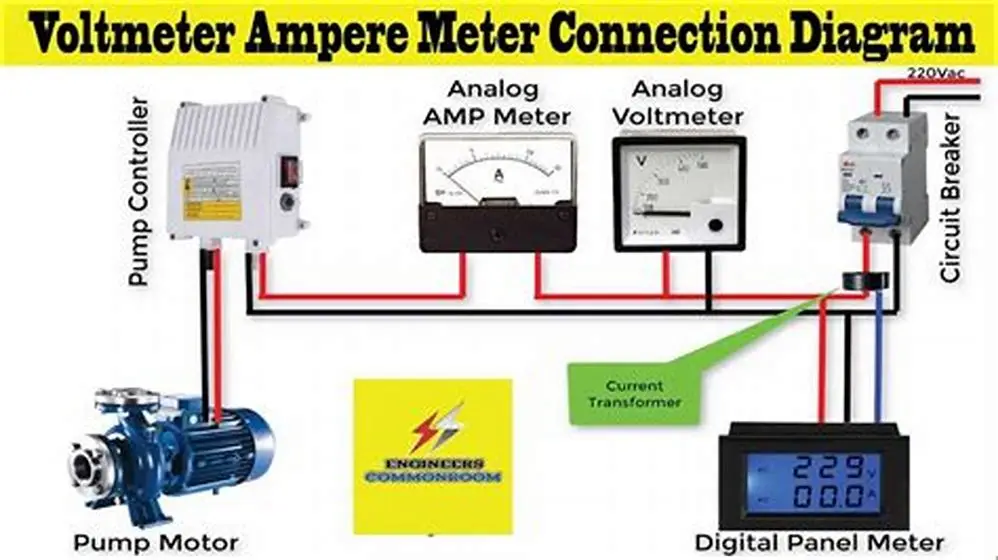
Suppliers still need to coordinate contract end dates and billing cycles, so smart meters don’t guarantee immediate switching but generally speed the process. For the detail, see our notes on limitations of low cost ammeters.
If your smart meter is not fully compatible with your new supplier, or technical issues arise, the switch might take longer than usual.
If your smart meter is a first-generation SMETS1 model, it sometimes loses remote functionality after switching suppliers. This means your new supplier might not access readings remotely, forcing manual reads and delaying the switch. Second-generation SMETS2 meters generally retain remote access between suppliers and reduce these delays.
Some technical issues can arise if your smart meter firmware needs updating or if communication with your new supplier's system fails. In these cases, your supplier will arrange a manual meter read to keep the switch moving. This may add a few days but is usually resolved quickly.
What to do if your switch is taking longer than expected
If your switch passes 21 days without completion, contact your new supplier directly to check the status. Suppliers must investigate delays and provide reasons promptly.
Check if you submitted your final meter reading and that your personal details match across both suppliers. Mistakes here often cause hold-ups.
In rare cases, your network operator might need to intervene, especially if there are issues with your meter or supply point. Your supplier handles this but may ask for your approval.
If the delay persists, you can lodge a complaint with the Energy Ombudsman. This independent body resolves disputes between consumers and suppliers.
How long does energy switch take: summarising the timeline
The energy switch timeline involves a few key time frames: 14-day cooling off period, final meter reading scheduling, contract notice periods, and supplier coordination.
Usually, the entire process takes 17 to 21 days, counting from when you apply to the new supplier. This period covers supplier notifications, meter reads, and account setups.
Delays beyond 21 days mostly arise from missing meter readings or contract restrictions. Smart meters ease timing pressures by allowing remote reads.
Your energy supply stays live throughout, so no outage occurs. The switch just changes billing and supplier behind the scenes.
| Stage | Typical Duration | Notes |
|---|---|---|
| Cooling off period | 14 calendar days | Time to cancel without penalty |
| Final meter reading | 1-3 days after notice | Depends on meter type |
| Contract notice period | 14-30 days | Varies by contract |
| Supplier processing | 3-7 days | Includes admin and account setup |
Questions people still ask
Can my energy supply be disconnected during a switch?
No. Your energy supply must remain uninterrupted throughout the switch. The change only affects billing and supplier management behind the scenes.
What is a final meter reading and why is it needed?
A final meter reading records your energy use up to the switch date. It's needed to accurately close your old account and start the new one without billing errors.
Will I get a bill from both suppliers during the switch?
You might get a final bill from your old supplier covering usage up to the switch date and a new bill from your new supplier afterward.
What happens if I miss the 14-day cooling off period?
After the cooling off period ends, cancelling the switch may involve fees or contract penalties, depending on your new supplier's terms.
Does switching suppliers always save money?
Not necessarily. Savings depend on your energy use, tariffs, and contract terms. Always compare carefully and check for exit fees.