Smart meters record electricity and gas consumption every 30 minutes, transmit this data securely for billing and monitoring, but cannot control your appliances, measure exact appliance use, or improve efficiency alone.
On this page
Part of our guide on how to monitor home energy usage
Quick facts
- Data interval
- 30 minutes
- Transmission
- Wireless via SMETS2
- Appliance level
- Not recorded
- Control ability
- None
- Billing accuracy
- Improved
- Typical install time
- 1-2 hours
Quick recap
- Smart meters log half-hourly electricity and gas consumption automatically.
- They transmit data wirelessly to energy suppliers for accurate billing.
- They cannot track individual appliance usage or control equipment remotely.
- Understanding meter data helps choose retrofit or behaviour changes to save energy.
- Smart meters support but don't replace manual energy audits or home upgrades.
How smart meters record energy use
Smart meters capture your home’s electricity and gas consumption automatically in fixed intervals, usually every 30 minutes. This interval length can vary slightly depending on your energy supplier's setup but does not go below 15 minutes in UK installations.
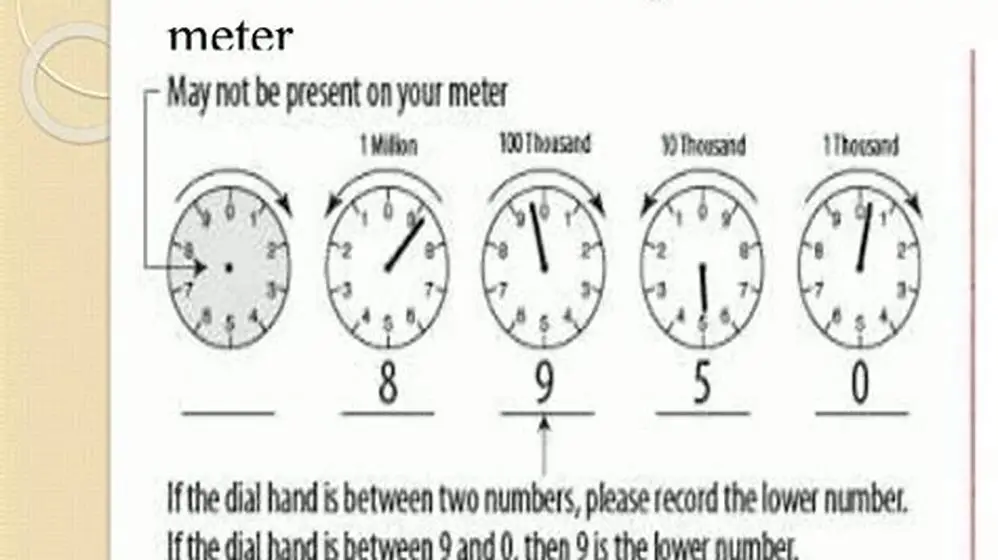
Electricity meters measure consumption in kilowatt-hours (kWh) via sensors on your home's electrical supply, logging total energy used across all circuits. Gas meters use a sensor linked to your gas meter dial or ultrasonic flow measurement to record cubic metres of gas consumed.
These half-hourly readings form a detailed profile of your home’s overall energy demand but do not distinguish where or which appliances use that energy. This aggregated data is stored internally and prepared for secure transmission to your supplier.
What data smart meters transmit and how
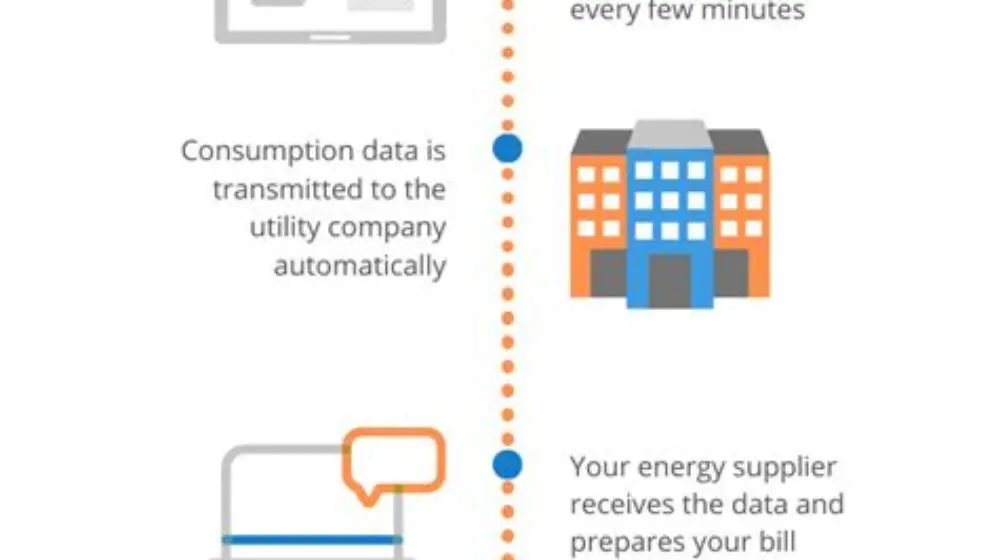
Smart meters send your energy use data wirelessly to your energy supplier multiple times daily, typically every few hours. This data includes cumulative consumption figures and interval data but excludes personal or appliance-level details. There is more on solar meter export during low irradiance in a separate guide.
The UK uses the SMETS2 standard, a secure and encrypted communication protocol using a dedicated mobile network. It ensures data reaches suppliers reliably, even if you switch providers, without needing reinstallation.
Suppliers use this data to generate accurate bills based on actual consumption, eliminating estimated readings. Some also provide you online portals or apps allowing monitoring of your usage near real-time.
Smart meters also transmit diagnostic and status information about the meter itself, such as battery health and connectivity status, enabling suppliers to detect faults or communication issues promptly. This helps reduce downtime and improves data reliability for billing and monitoring. We go through programming for heat pumps step by step elsewhere on the site.
The frequency of data transmission can vary by supplier and tariff type; some meters send data up to four or six times a day, while others send once every 24 hours. This periodic reporting balances timely updates with network and battery efficiency.
The data transmitted does not include voltage or current waveforms, so while it shows how much energy is used, it cannot provide granular electrical quality parameters such as power factor or harmonic distortion, which require specialized equipment.
- Data types - cumulative kWh and cubic metres of gas, plus half-hour intervals
- Transmission - SMETS2 via secure cellular networks
- Data privacy - no appliance-specific or personal behavioural data

Emporia Energy Monitoring Smart Plug
Monitors energy use of devices with real-time power tracking and control for up to 15A continuous load
How smart meters enable billing and usage monitoring
Smart meters replace estimated billing by providing actual consumption data to your supplier. This can reduce billing disputes and unexpected charges, as bills reflect your real usage within each billing cycle. Before you commit to anything, it is worth looking at time it takes to switch energy supplier.
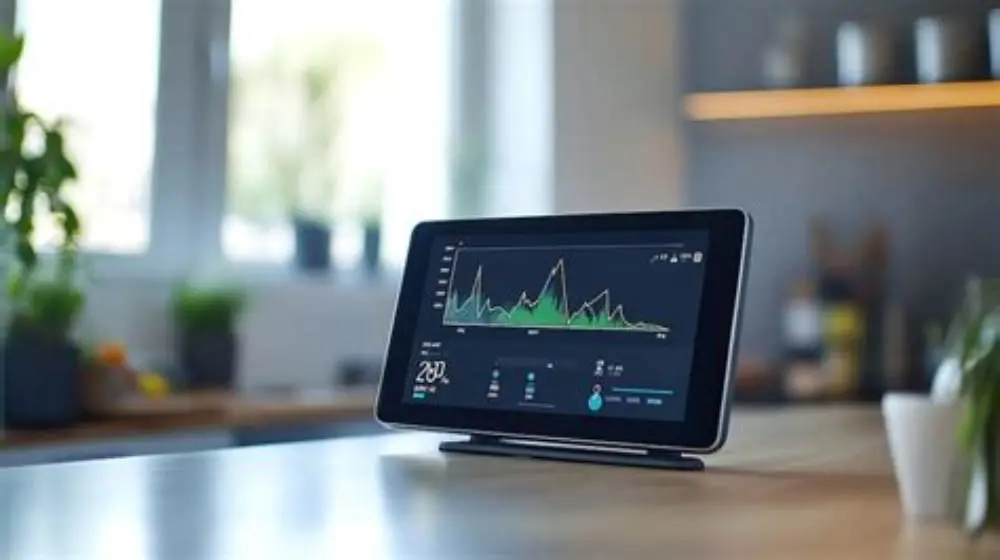
On the in-home display, smart meters show current and historical usage in understandable units, allowing you to spot patterns and peak times. This can guide behaviour changes, like shifting electricity use to cheaper off-peak periods if you have a time-of-use tariff.
Though useful for awareness, the data alone does not reduce consumption. You must interpret it to identify waste and set energy goals or retrofit decisions based on your home's consumption profile.
Smart meters also facilitate the introduction of flexible tariffs such as time-of-use or demand-response pricing. By accurately recording consumption in half-hour intervals, suppliers can offer cheaper rates during off-peak periods and incentivize shifting usage to those times. The other half of this decision is how to count meter pulses.
For example, a household might pay 15p per kWh during peak hours but only 7p during nights and weekends. The in-home display can show current rates and consumption, helping users optimize their habits to save money. However, this requires understanding and willingness to adapt usage patterns.
Some suppliers combine smart meter data with weather forecasts and grid demand to provide personalized energy-saving tips or alerts. These services rely on data analytics but depend on the user engaging with apps or portals to act on recommendations.
What smart meters cannot track or control
Smart meters do not measure which appliance uses energy, so they cannot tell if an old fridge or a boiler is the main driver of consumption. Specialized home energy monitors with appliance sensors are needed for that insight. Before you commit to anything, it is worth looking at household energy saving tips that actually cut uk bills.
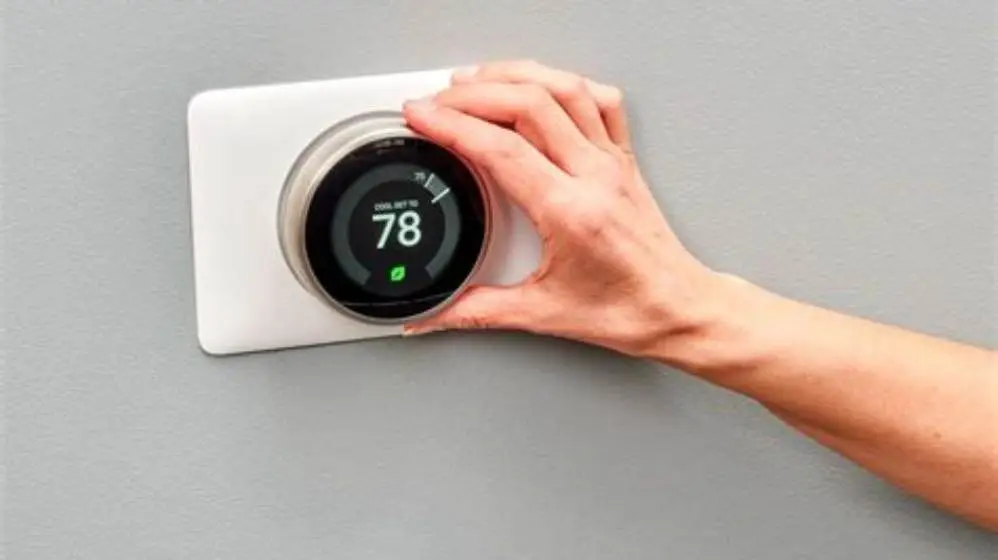
They cannot control any devices remotely or switch off appliances. This requires smart home systems or connected thermostats that integrate with appliances and have explicit user permission.
Smart meters also cannot measure power quality issues such as voltage dips, harmonics, or supply interruptions. These require separate diagnostic tools for electricians or energy consultants.
They do not automatically improve energy efficiency or home comfort. Behaviour change, insulation, or new equipment installations are necessary to make a difference.
One limitation is that smart meters do not detect unauthorized energy usage or electricity theft. While they record total consumption accurately, distinguishing legitimate from illicit loads requires additional monitoring or audits.
Smart meters cannot detect internal wiring faults or unsafe conditions such as overloaded circuits or faulty appliances. Electrical safety remains the responsibility of proper installation and periodic inspection.
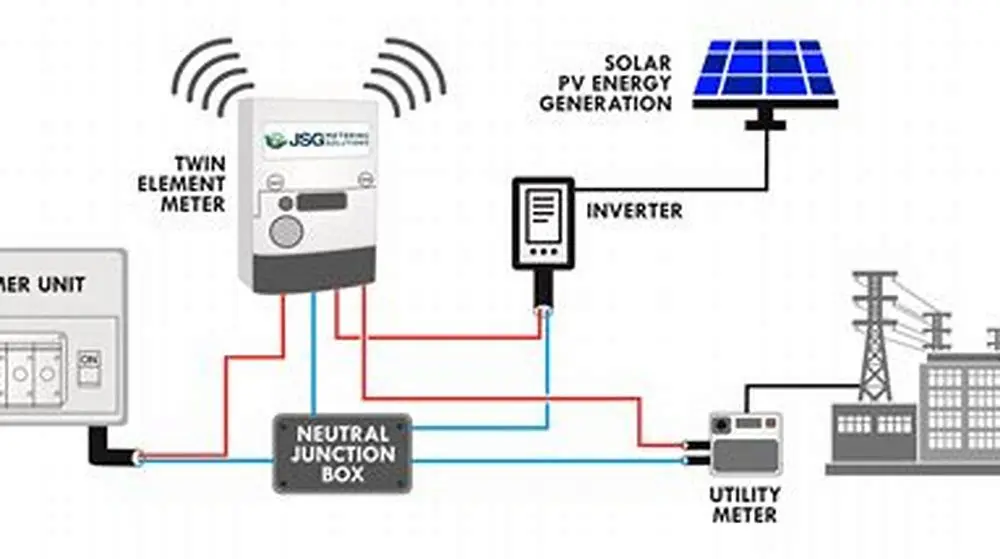
In homes with solar panels or other microgeneration, smart meters measure net energy flow but may not separately record generation versus consumption without additional metering equipment, limiting insight into self-consumption efficiency.
Common misconceptions about smart meters
A frequent misconception is that smart meters give you full control over your energy use or that suppliers can turn off your appliances remotely. Neither is true; smart meters only measure and report usage data, leaving all control to the homeowner.
Some believe smart meters invade privacy by monitoring individual appliance use or personal behaviour. In reality, the data is aggregate consumption only, so it cannot identify what device is running or when you are home.
Others think smart meters automatically reduce bills. While accurate billing avoids estimated overcharging, actual savings come only from changed habits or home upgrades informed by the data.
Understanding these limits is vital to manage expectations and get the most from your smart meter's data.
How smart meters work and what they can and cannot do
Smart meters record aggregated electricity and gas consumption every 30 minutes, securely sending this data to suppliers to enable accurate billing and basic usage monitoring. They provide no appliance-level insight, control functions, or automatic efficiency improvements.
They make energy use visible but require your active interpretation and complementary tools, such as energy monitors or professional audits, for meaningful retrofit decisions. Retrofitting insulation or heat pumps based solely on smart meter data is risky; detailed consumption breakdowns often demand extra measurement devices.
Well-informed homeowners can use smart meter data as a foundation to reduce bills by changing behaviour or prioritizing upgrades, but smart meters are only one piece of the home energy puzzle.
| Function | Capability | Limitations |
|---|---|---|
| Consumption Recording | Aggregated electricity and gas usage every 30 minutes | No appliance-specific data |
| Data Transmission | Secure wireless transmission to suppliers | No real-time control or alerts |
| Billing Support | Accurate billing based on actual use | No cost reduction without behaviour change |
| Monitoring | Basic usage feedback on in-home display | No fault detection or power quality analysis |
| Control | None | Cannot control appliances or smart devices |
Smart meters are reliable tools for accurate energy use data and billing but need complementary devices to guide detailed retrofit choices.
Quick questions
Can smart meters help me lower my energy bills directly?
Smart meters provide accurate and timely energy consumption data, which helps you understand your usage patterns. However, reducing bills requires active changes in behaviour or home upgrades based on that data.
Do smart meters let my energy supplier control my heating or appliances?
No. Energy suppliers cannot control or switch off appliances through your smart meter. It only records and transmits consumption data.
Will a smart meter track each appliance’s energy use?
Smart meters aggregate total electricity and gas use but do not measure individual appliance consumption. Appliance monitors are needed for that detail.
What happens if I switch energy suppliers with a smart meter installed?
SMETS2 smart meters retain full smart functionality after switching suppliers, continuing to transmit data and support accurate billing without reinstallation.
Is my energy consumption data private with a smart meter?
Yes. Smart meters transmit encrypted data with no personal or appliance-specific details, protecting your privacy under UK regulations.