Use a smart thermostat by connecting it properly to your heating system, setting a schedule based on your home's occupancy, and adjusting for weather. For heat pumps with dual transformers, wire carefully following manufacturer diagrams to avoid damage.
On this page
Part of our guide on improving energy savings
Quick facts
- Typical temp range
- 15-21 °C
- Schedule slots
- 4-6 daily
- Transformer voltage
- 24-30 V
- EPC impact
- up to 2 bands
- Heat pump wiring
- requires isolation relay
- Grant availability
- Boiler Upgrade Scheme
Quick recap
- Proper wiring is essential, especially for heat pumps with dual transformers.
- Set temperature schedules that match your daily routine to save energy.
- Smart thermostats can improve EPC ratings when used effectively.
- Use the thermostat’s learning features cautiously and verify settings.
- Check eligibility for UK grants to offset installation costs.
What a smart thermostat does
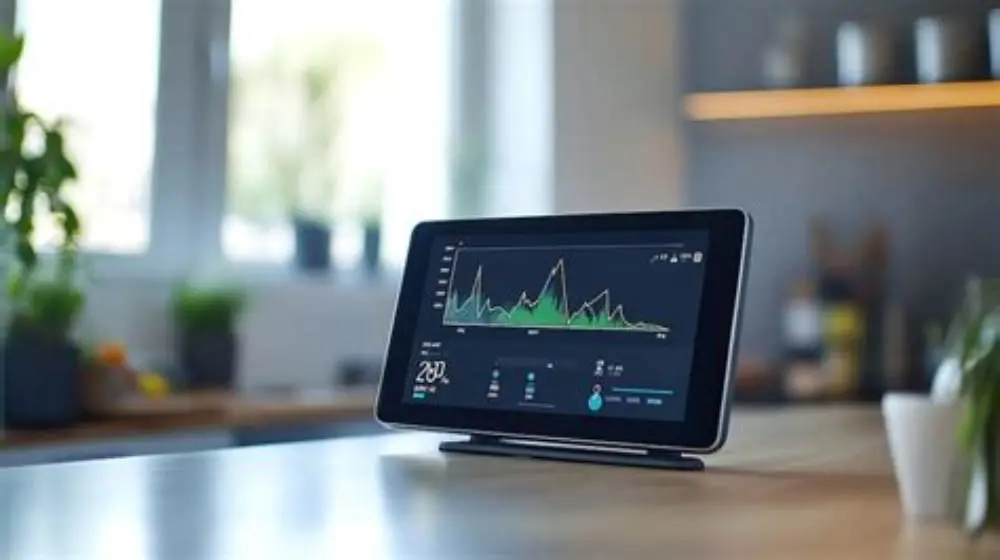
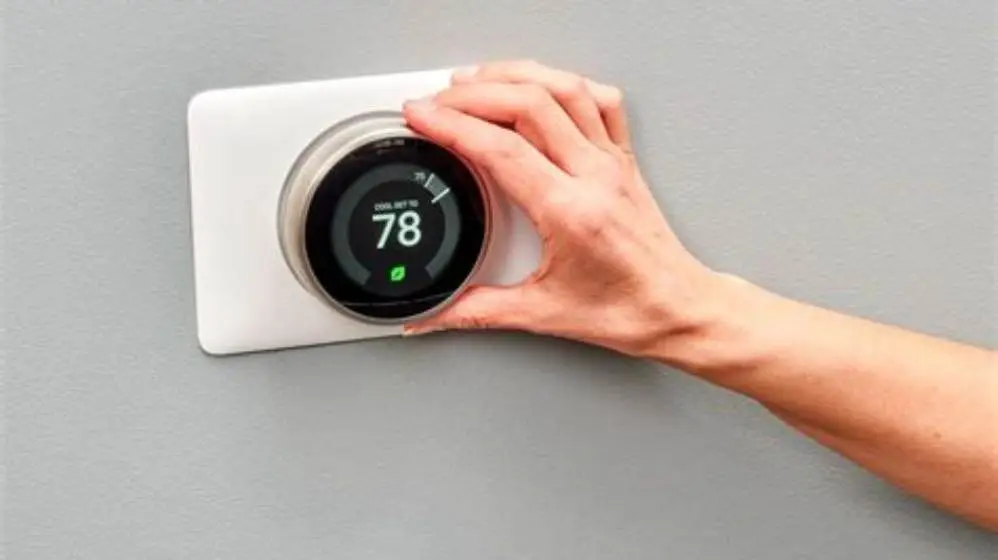
A smart thermostat controls your heating system by measuring indoor temperature and adapting heating schedules to reduce energy use while maintaining comfort. Typical models regulate temperature between 15 and 21 °C according to programmed times.
They use sensors and connectivity to learn your patterns but always allow manual override. These devices help homeowners comply with energy efficiency targets and often improve your home's EPC rating by reducing fuel consumption.
Smart thermostats can connect to your smartphone or home hub, enabling remote control and integration with weather forecasts to optimize heating on colder days.
Smart thermostats also support geofencing features that use your smartphone’s location to adjust the heating automatically. For example, the thermostat can lower the temperature when you leave a predefined zone around your home and start warming up again as you approach. This saves energy by ensuring heating only runs when someone is likely to be home, especially useful in unpredictable schedules. For the detail, see our notes on what smart meters track in your home.
Some models include multiple sensors placed around the home to detect temperature variations in different rooms or floors. This helps avoid overheating or underheating in specific areas and can work in tandem with zoning capabilities to optimize comfort and efficiency. For instance, a smart thermostat might maintain 20 °C in living areas while allowing bedrooms to be cooler during the day.
How to use smart thermostat for saving energy
Start by setting a heating schedule matching your household’s occupancy: lower temperature when away or asleep, around 15-17 °C, and raise it during active periods to 19-21 °C. This can cut heating bills by 10-15%.
Use zoning if your thermostat supports multiple zones, allowing different rooms to have separate schedules and temperatures, which reduces wasted heat. For the detail, see our notes on thermostats for heat pump and immersion.
Avoid overriding the schedule frequently; smart thermostats learn from manual changes, but too many can confuse the system and reduce efficiency.
Regularly check the device’s app or interface for usage reports to adjust your schedule accordingly.
When saving energy, consider seasonal adjustments. In winter, slightly lowering your setpoint by 1-2 °C can reduce fuel consumption by up to 5% without noticeable comfort loss. Conversely, in shoulder seasons, minimizing heating use by relying on natural sunlight and insulation can enhance savings. We cover practical ways to reduce uk energy bills in its own article.
If your smart thermostat supports integration with other smart home devices, link it to door/window sensors to prevent heating when windows are open. For example, if a window is detected open, the thermostat can temporarily pause heating in that room to avoid wasting energy.
Use the thermostat’s learning capabilities judiciously: if your occupancy varies weekly (such as working from home on some days) set manual overrides to prevent the system from locking into a fixed schedule that no longer fits. Monitoring monthly usage reports helps identify such patterns and fine-tune settings for optimal savings.
- Schedule setup: 4-6 time slots per day optimize comfort and savings.
- Temperature setbacks: drop by 3-5 °C during non-use periods.
- Zoning: consider if your home supports it for better control.
- Remote access: adjust heating while away to avoid wasting energy.
Smart thermostat wiring for heat pump with dual transformer
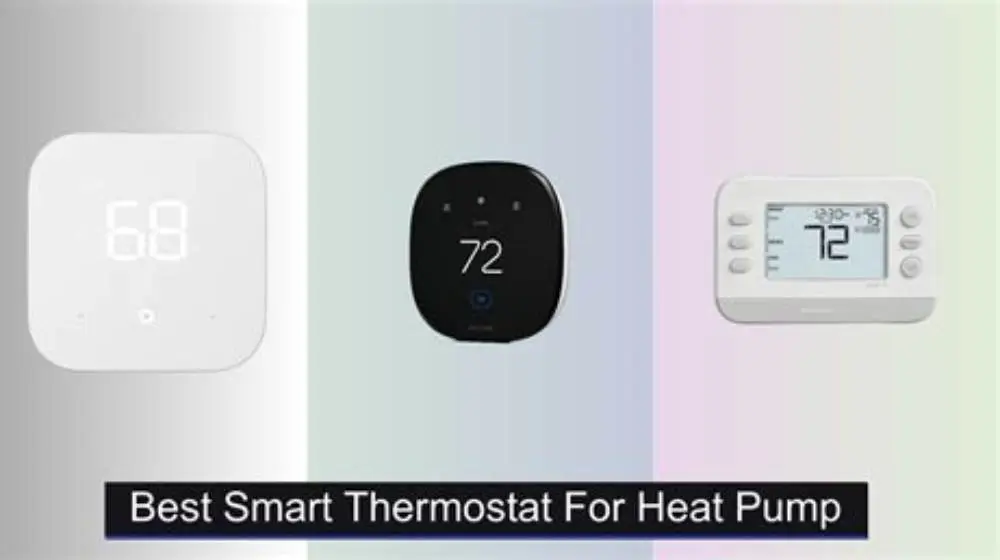
Heat pumps with dual transformers often use separate 24-30 V supplies for heating and cooling. Smart thermostats usually require a single transformer power source, so wiring must isolate transformers to avoid damage. If that sounds like your situation, read up on nest thermostat energy dashboard not working next.
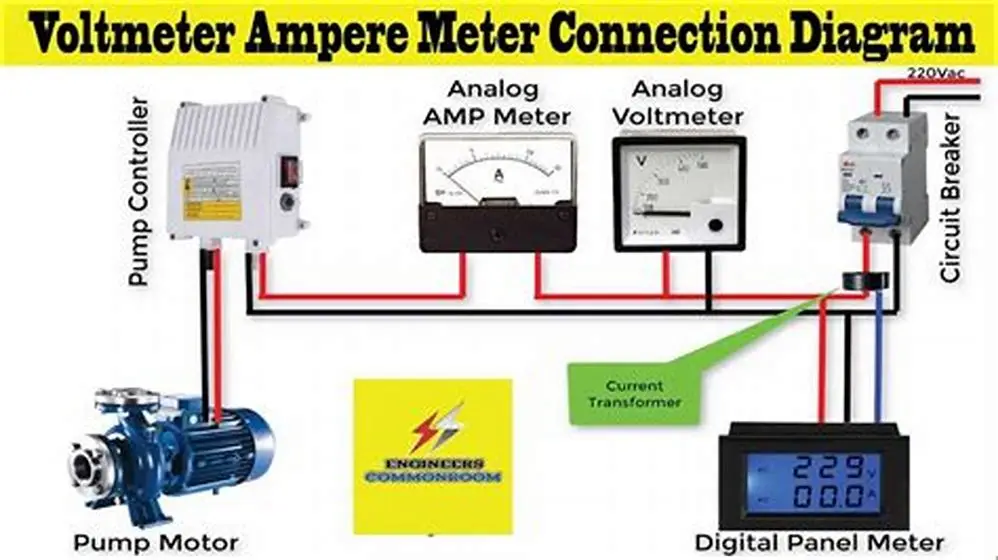
You need an isolation relay or an interface board rated for the transformers’ voltage and current. Connect the thermostat’s R and C terminals to one transformer, typically the heating side, and use the relay to switch the other circuits.
Failing to isolate transformers can cause short circuits or blow fuses, potentially costing hundreds in repairs. Follow your heat pump and thermostat manufacturer wiring diagrams precisely.
A multimeter rated for low voltage testing at 24-30 V is essential for verifying wiring before powering up. If that sounds like your situation, read up on choosing ammeters for surge measurement next.
- Turn off all power at the main supply to the heat pump and thermostat.
- Identify transformer terminals supplying heating and cooling circuits.
- Install an isolation relay rated for 24-30 V and appropriate amperage.
- Wire the smart thermostat to the heating transformer side’s R and C terminals.
- Connect relay coil leads across the cooling transformer outputs to switch via thermostat signal.
- Double-check all connections with a multimeter before turning power back on.
Adjusting settings for UK homes and efficiency schemes
In the UK, many smart thermostats accept settings in Celsius and support programming aligned with ECO4 and Boiler Upgrade Scheme requirements for energy savings.
Set heating to start just before occupancy to avoid wasted heat while keeping comfort. Use night setback temperatures no lower than 15 °C to prevent damp risk as per UK building standards.
Link smart thermostats with compatible heat pumps or boilers that qualify for grants to improve your EPC rating and reduce upfront costs. We go through steps in changing energy supplier step by step elsewhere on the site.
Regularly update thermostat firmware to maintain compatibility with energy suppliers’ demand response programmes.
Common mistakes when using smart thermostats
One frequent error is setting temperatures too high, expecting faster heating; a smart thermostat controls overall energy, not instant heat delivery.
Ignoring wiring complexity in heat pump systems with dual transformers risks damaging equipment. Never install without confirming wiring compatibility.
Another issue is neglecting updates and maintenance, which can cause glitches or loss of remote control functionality.
Overreliance on learning features without manual adjustments can cause inefficiencies if your occupancy patterns are irregular.
- Avoid excessive temperature overrides.
- Confirm wiring and power compatibility before installation.
- Keep software updated for security and performance.
- Manually adjust schedule during unusual household routines.
How to use smart thermostat
Begin by physically installing the thermostat, following the wiring guidance specific to your heating system type, including any additional isolation relay for dual transformers in heat pumps.
Power on, then connect the thermostat to Wi-Fi and download its controlling app to your phone.
Create your heating schedule based on your typical occupancy and temperature comfort ranges, setting lower temperatures during absence and night times.
Use the app to adjust settings remotely and monitor energy usage regularly to refine your schedule and maximize savings.
Seek professional help for complex wiring or if your system includes multiple zones or hybrid heating setups.
- Install thermostat on wall, turn off power before wiring.
- Wire thermostat according to your heating system type.
- Power on and connect device to Wi-Fi.
- Program daily heating schedules and temperature setpoints.
- Monitor app data and adjust settings monthly or seasonally.
Smart thermostats can deliver substantial energy savings and comfort if installed with proper wiring and programmed to your lifestyle.
Quick questions
Can I install a smart thermostat myself if I have a heat pump with dual transformers?
You can, but only if you understand how to wire an isolation relay and verify transformer outputs with a multimeter. Incorrect wiring risks damage to your heat pump and thermostat, so professional help is advised if unsure.
Will a smart thermostat lower my EPC rating?
No. Properly used, a smart thermostat can improve your EPC rating by reducing energy consumption. It helps your heating system run more efficiently, which increases your home's energy performance.
Does a smart thermostat always save energy?
Not automatically. Savings depend on your schedule and correct temperature settings. Overriding or setting temperatures too high or leaving heating on unnecessarily will negate savings.
Are there grants available for installing smart thermostats in the UK?
Grants typically focus on heating system upgrades like boilers or heat pumps. However, smart thermostats installed alongside eligible measures may benefit from schemes such as ECO4 or the Boiler Upgrade Scheme indirectly.
What temperature should I set on my smart thermostat during winter nights?
Set between 15-17 °C to balance energy savings and prevent damp or cold damage in UK homes. Avoid dropping below 15 °C for long periods.