You can submeter washer/dryer amp draw safely using a clamp meter on the appliance’s circuit cable or a plug-in energy monitor device without needing an electrician. However, for permanent submetering on a 200 amp panel, professional wiring is usually required for safety and compliance.
On this page
- Quick recap
- How to submeter washer/dryer amp draw without electrician
- Limitations of DIY submetering methods
- When professional wiring is required for submetering
- How to submeter electric vehicle charger on 200 amp panel
- Turning raw measurements into retrofit and behaviour decisions
- Summary: how to submeter washer dryer amp draw without electrician
- Quick questions
Part of our guide on track home energy consumption
Quick facts
- Typical washer draw
- 8-12A
- Dryer draw range
- 10-25A
- Clamp meter rating
- Up to 600A
- UK panel max
- 200A main breaker
- Plug monitor max
- Usually 10-13A limit
Quick recap
- Clamp meters measure current without breaking the circuit, ideal for DIY amp draw checking.
- Plug-in energy monitors provide power usage but do not show instant amp draw exactly.
- Permanent submetering on a 200A panel requires qualified electrician due to high voltage risks.
- DIY methods give useful data to inform retrofit or behavioural energy decisions.
- Always respect electrical safety and local regulations when working near the panel.
How to submeter washer/dryer amp draw without electrician
To measure your washer or dryer's amp draw without an electrician, use a clamp meter around one of the appliance’s power cables. A clamp meter reads current flow without disconnecting wires, keeping you safe from live exposed conductors. Clamp meters suitable for household use typically measure up to 600A and provide instant amp readings.
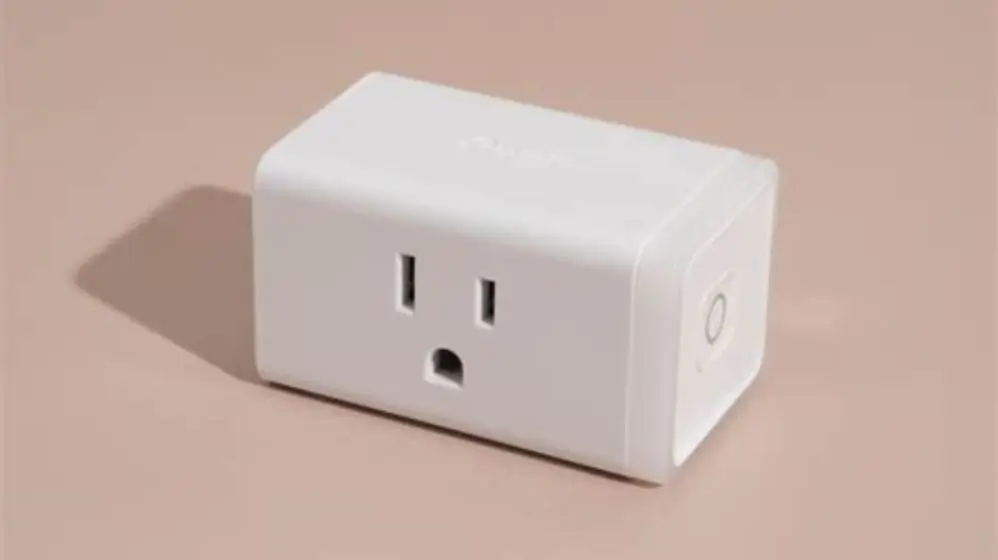
Alternatively, a plug-in energy monitor can be used if your washer or dryer plugs into a standard socket. These devices display the power consumed in watts and estimate current based on voltage, but they usually max out at around 10-13 amps and don’t display instant current spikes during appliance cycles.
Clamp metering is more accurate for peak draw, whereas plug monitors give a useful overview of total consumption but less precise instantaneous amp data. Both methods avoid any need to open the consumer unit or handle wiring directly, thus avoiding the legal risks and safety dangers of electrical work.
When using a clamp meter, clamp it around only one conductor (live or neutral), never both together, to avoid reading zero amps due to cancellation. Record the highest amp draw during typical operating cycles to understand the real demand of your appliance. It helps to understand why does my smart plug show watts when device off before going further.
- Clamp meter: measures actual current on cable, safe if used on insulated wires.
- Plug monitor: best for total power use, limited amp accuracy, easy plug-in operation.
- Avoid touching bare wires or opening breaker panel without expertise.
- Check manufacturer specs to confirm typical amp draw range for your appliance.
Limitations of DIY submetering methods
Clamp meters cannot measure power factor or real energy consumption; they only measure current. Without voltage and power factor, you cannot know exact watts or kWh consumed. Plug-in monitors estimate power based on average voltage and load but can only handle loads up to their rated amps, often below dryer peak draw.
Clamp meters also require access to individual conductors. If your washer/dryer is hardwired or concealed behind panels, clamp metering will not be feasible without partial disassembly or electrician help. Plug monitors only work with plug-in appliances and are useless for hardwired circuits.
Neither method can permanently log data without additional equipment. For ongoing monitoring, you would need smart submeters or data loggers installed in the consumer unit by a qualified electrician. There is more on nest energy dashboard not working in a separate guide.
Trying to install permanent submetering on your 200A panel yourself risks breaking UK wiring regulations (BS 7671) and voiding insurance. High current circuits must be handled by professionals.
When professional wiring is required for submetering
Permanent submetering that feeds real-time data to home displays or smart energy management systems must be wired into the consumer unit or main circuit. Such work involves isolating circuits, installing current transformers (CT clamps) on panel busbars or individual breakers, and connecting these to a meter.
UK electrical regulations require that all live parts inside the consumer unit are only handled by qualified electricians. Attempting to open or alter your consumer unit without certification risks electric shock, fire, and non-compliance penalties. It helps to understand emonpi csv logging interval too coarse before going further.
Submetering an EV charger on a 200A panel is especially sensitive because EV chargers often pull 16-32A continuously, requiring dedicated RCD protection and proper isolation. Only a professional can ensure wiring meets BS 7671 standards and that the EV charger is safely integrated into your home's electrical system.
Professional installation also supports grant eligibility under schemes like the Boiler Upgrade Scheme or EV grant programmes that require certified installation.
How to submeter electric vehicle charger on 200 amp panel
EV chargers usually draw substantial current (often 16-32A) continuously during charging. To monitor their energy use accurately, you need a submeter installed on the dedicated EV circuit within your 200A consumer unit. This requires disconnecting the circuit breaker, installing CT clamps or a dedicated meter, and connecting it to a display or smart hub. The other half of this decision is using pulse output for energy readings.
DIY clamp metering of the EV charger cable is possible if the EVSE cable is accessible, but not recommended for permanent monitoring due to safety, accuracy, and legal concerns. Plug-in monitors do not apply because EV chargers are hardwired.
Some smart EV chargers have built-in energy monitoring accessible via apps; this can supplement submetering but is not a replacement for grid-level data.
If you want to track EV energy use alongside your washer/dryer, professional submetering installation is the only reliable way to do so on your 200A panel.
- Locate the EV charger circuit breaker in your consumer unit.
- Turn off the main breaker to isolate the panel before any work.
- Have a certified electrician install approved CT clamps around the EV circuit cable inside the panel.
- Connect the CTs to a compatible submeter device installed outside the panel.
- Configure the submeter to relay data to your home energy monitoring system.
Turning raw measurements into retrofit and behaviour decisions
Knowing your washer/dryer amp draw can inform decisions to replace old appliances with energy-efficient models or schedule laundry loads at off-peak times to save on tariffs. Peak draw data helps understand if your consumer unit or circuit breakers are appropriately rated.
EV charger submeter data tells you how much electricity your vehicle consumes, helping optimise charging patterns to avoid excessive load during peak tariff periods and maximise use of solar or battery storage if installed.
Raw amp draw alone is incomplete. Combine it with power (watts) and energy over time (kWh) to evaluate real savings from retrofit investments or behavioural changes. Smart meters and energy management systems integrate these figures for clear insights.
Repeat measurements across different days and appliance cycles improve accuracy. Behavioural changes such as running washer/dryer sequentially instead of simultaneously can lower peak demand, reducing strain on your electrical system.
Summary: how to submeter washer dryer amp draw without electrician
To submeter washer/dryer amp draw without an electrician, use a clamp meter around a single insulated conductor of the appliance’s supply cable, or a plug-in energy monitor device if the appliance plugs into a socket. Both give useful instantaneous or aggregate power data without complex wiring.
DIY methods suit snapshot checking or occasional monitoring but cannot replace permanent submetering installations that require qualified electricians. Safety concerns, UK wiring regulations, and insurance rules prohibit DIY work inside the consumer unit.
For EV chargers and permanent detailed submetering on a 200A panel, professional installation is essential to meet safety and legal standards.
Use your measurements to guide appliance replacement, energy-saving behaviours, and retrofit planning by understanding actual loads and consumption patterns.
| Method | Accessibility | Accuracy | Safety | Permanent Use |
|---|---|---|---|---|
| Clamp Meter | Requires access to appliance cable | High for current | Safe if used on insulated wire | No |
| Plug-in Energy Monitor | Easy plug-in use | Moderate, limited amps | Very safe | No |
| Professional Submeter | Requires electrician | High accuracy complete data | Fully safe, compliant | Yes |
DIY clamp-metering is a practical first step; permanent submetering requires professional installation for safety and compliance.
Quick questions
Can I install a submeter inside my consumer unit myself?
No, UK regulations require that all work inside the consumer unit is done by a qualified electrician to ensure safety and compliance.
Will a plug-in energy monitor work for my dryer?
Only if your dryer plugs into a socket and the monitor’s amp rating exceeds the dryer’s peak draw, which can be up to 25 amps. Many plug monitors cap at around 13 amps.
How often should I measure amp draw for accurate data?
At least several times during different appliance cycles across multiple days to capture typical and peak loads.
Is clamp meter measurement precise for energy bills?
Clamp meters measure current only; to estimate energy cost you need wattage and duration, so clamp meter data alone is approximate.
Can I monitor EV charging using my charger’s app instead?
Yes, but the app usually estimates consumption on the charger side. For whole-home energy management, a submeter installed by an electrician is more reliable.