Test garden tap flow by measuring pressure with a gauge; low pressure below 1-1.5 bar at the tap usually signals pipe issues or pump inadequacy. A low pressure water pump rated around 0.5-1 bar head can restore flow if the source pressure is insufficient.
On this page
- Quick recap
- How to test low pressure at garden taps
- Common causes of low pressure water flow in garden taps
- How to select a low pressure water pump for garden taps
- Testing and fixing submersible pump low pressure problems
- Routine maintenance to prevent low pressure in garden water systems
- Low pressure water pump for garden: how to test and fix tap flow issues
- Quick questions
Part of our guide on identifying causes of low flow
Quick facts
- Typical low pressure
- <1.5 bar at tap
- Pump head needed
- 0.5-1 bar
- Pressure test tool
- Pressure gauge
- Flow rate typical
- 5-10 l/min
- Pipe diameter impact
- 15-25 mm
Quick recap
- Measure pressure at the tap to confirm low pressure below 1.5 bar
- Check pipe blockages or leaks as common low pressure causes
- Choose pumps with a head of 0.5-1 bar for low pressure garden taps
- Submersible pumps may fail if source pressure is too low
- Regular maintenance avoids pump and pipe flow issues
How to test low pressure at garden taps
Low pressure at a garden tap is best confirmed by measuring water pressure using a pressure gauge. Connect the gauge directly to the tap outlet and open the valve fully. Under normal conditions, pressure should usually be between 2 and 4 bar, though garden taps often read lower due to distance and pipe size. If you see readings consistently below 1.5 bar, the tap qualifies as low pressure.
Low pressure can also be revealed by flow rate tests. A healthy garden tap on typical mains supply will flow around 5 to 10 litres per minute through a 15 mm hose. If flow is visibly weak or below this range, pressure loss is likely. Measuring both pressure and flow rate isolates whether the problem stems from pressure or pipe restrictions.
Pressure fluctuates depending on time of day and water demand. Testing at multiple times can detect intermittent supply issues. Tools like a basic water pressure gauge costing under £20 can provide reliable readings and are the essential first step to diagnosing low pressure garden tap problems.

CARBO Instruments 2-1/2" Water Pressure Test Gauge
Diagnoses low garden tap pressure with a wide measurement range of 0-14 bar covering typical garden water pressures.
Common causes of low pressure water flow in garden taps
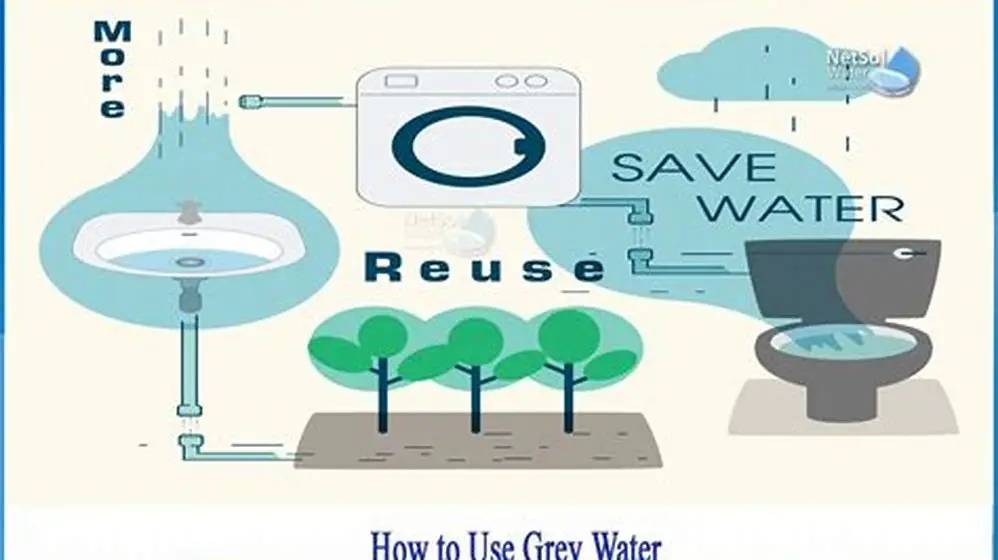
Low pressure at garden taps often results from pipe blockages, leaks, or pipe diameter restrictions. Corrosion inside metal pipes reduces effective bore size, while debris or sediment can partially block plastic pipes or hose connectors. These conditions increase friction, lowering pressure at the tap. We go through how can grey water be reused step by step elsewhere on the site.
Leaks anywhere in the supply line reduce pressure downstream. Even small pinhole leaks can cause notable drops in pressure, especially if far from the main supply. Inspect visible pipes carefully for damp patches or damage. Underground leaks require professional detection.
Distance from the mains supply and pipe diameter affect pressure and flow. Narrow pipes under 15 mm or long runs over 30 metres increase friction losses, causing low pressure at the tap. Upgrading to larger diameter pipes can reduce losses but may be costly.
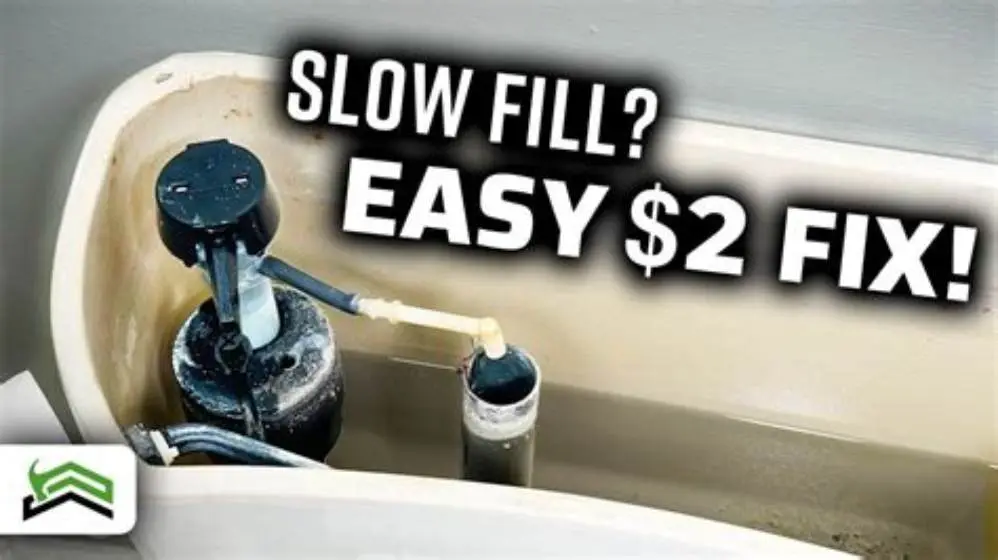
Submersible pumps used to boost garden supply can fail to maintain pressure if the source pressure is very low or the pump is undersized. Pumps rated for high head (pressure) are necessary when mains pressure is insufficient to maintain flow. The other half of this decision is toilet float and valve test.
How to select a low pressure water pump for garden taps
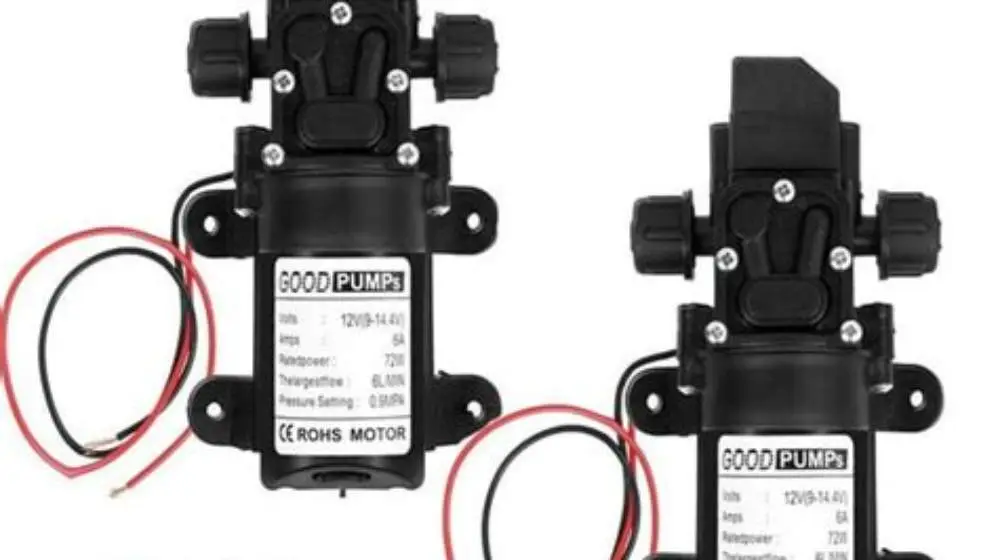
If tests confirm low pressure below 1.5 bar and pipe issues are fixed or ruled out, a low pressure water pump can restore flow. Pumps are rated by maximum head, the pressure they can generate, measured in bar or metres of water column. For garden taps, a pump with a head of 0.5 to 1 bar (5 to 10 metres head) typically suffices.
Choosing a pump with too low head won’t overcome restrictions or low supply pressure. Too high head pumps risk pipe bursts or flow instability if pipes or fittings are weak. Match pump head rating carefully against measured pressure deficits.
Submersible pumps are common but can struggle if source pressure is below 1 bar; surface or booster pumps may be better in such cases. Look for pumps designed for low pressure applications, which maintain steady flow even with minimal inlet pressure. For the detail, see our notes on ultra low flow shower rate.
Energy efficiency matters for pumps running often. Look for models with efficient motors and good reviews. Check power consumption and expected flow rate to balance running cost and performance.
| Pump head rating (bar) | Equivalent metres head | Use case |
|---|---|---|
| 0.3 | 3 | Little pressure boost needed, short pipe runs |
| 0.5 - 1 | 5 - 10 | Typical low pressure garden taps, moderate pipe runs |
| 1.5+ | 15+ | Long pipes or significant pressure deficits |
Testing and fixing submersible pump low pressure problems
A submersible pump may appear to fail when garden tap pressure remains low despite the pump running. The root cause is often insufficient inlet pressure or blockages inside the pump or its intake screen.
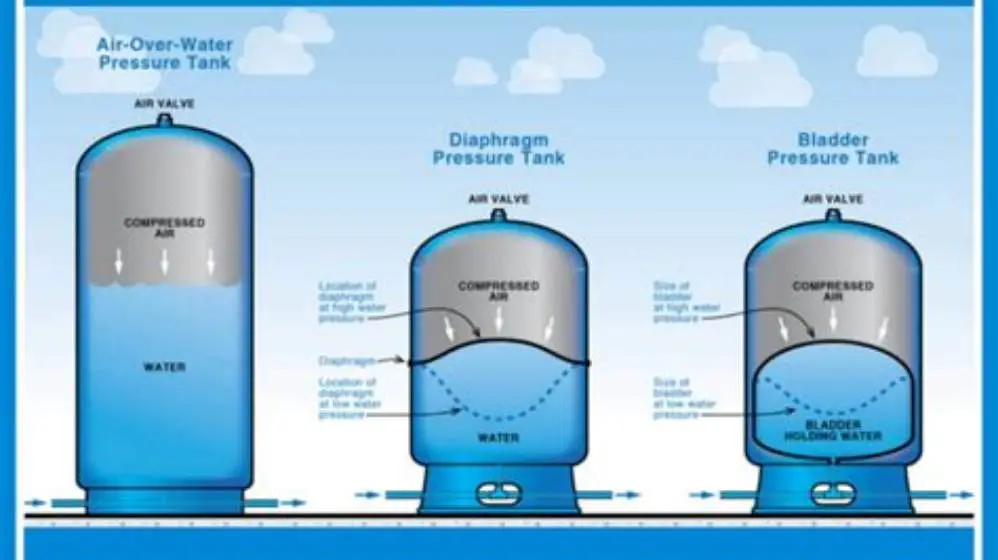
First, test the pump’s delivery pressure with a gauge fitted to its outlet. If pressure is below the pump’s specifications, check for blockages in the intake screen or debris inside the pump. Clean or replace the screen as needed. The other half of this decision is ensuring proper water pressure tank operation.
If the pump cannot build pressure above 0.5 bar, the water source may not supply enough inlet pressure. Submersible pumps need minimum inlet pressure to prime properly; otherwise, they cavitate and lose efficiency.
Replacing the pump with a model designed for low inlet pressure or switching to a surface booster pump that pressurises from outside the water source can solve these issues.
- Attach pressure gauge to pump outlet and run pump.
- Record delivery pressure and compare to rated pressure.
- Inspect and clean intake screen for debris blockages.
- Check source water level and pressure feeding the pump.
- Decide on replacing pump or changing type if pressure too low.
Routine maintenance to prevent low pressure in garden water systems
Regular maintenance prevents most causes of low pressure at garden taps. Flush pipes annually to remove sediment buildup. Inspect and clean hose connectors, tap washers, and filters regularly to avoid flow restrictions. People in this spot often ask about testing float switches for pump as well.
Check for leaks by monitoring water bills and inspecting visible pipes for moisture or damage. Fast repair of leaks maintains pressure and reduces water waste.
Service pumps annually by inspecting seals, cleaning intake strainer screens, and checking pressure switches. Replace worn parts to avoid sudden pressure drops.
Keeping electrical connections dry and motors clean prolongs pump life and consistent performance. Early attention to small pressure changes prevents costly larger repairs later.
- Flush pipes yearly to clear sediment
- Inspect hose and tap washers regularly
- Check visible pipes for leaks monthly
- Service pumps including seals and screens annually
Low pressure water pump for garden: how to test and fix tap flow issues
Low pressure at garden taps often stems from pipe issues, low mains pressure, or inadequate pumps. Testing pressure with a gauge under 1.5 bar at the tap confirms the problem. Fixing pipe leaks or blockages is the first step; if pressure remains low, a pump rated for 0.5 to 1 bar head can restore flow.
Submersible pumps need sufficient inlet pressure to work correctly. If your pump delivers less pressure than its rating, check screen blockages or source water pressure. Sometimes switching to a surface booster pump is necessary.
Regular maintenance of pipes and pumps prevents flow problems. Pressure testing is the key diagnostic tool. Armed with this knowledge, you can decide if a low pressure water pump for the garden is needed and which type fits your setup.
Quick questions
Why does my submersible pump deliver low pressure at the garden tap?
Low pressure from a submersible pump often results from insufficient inlet water pressure or blockages in the intake screen. The pump cannot build proper pressure if the source water pressure is below about 1 bar or the intake is restricted.
Can I fix low garden tap pressure without buying a pump?
Often yes, by checking and repairing leaks, clearing blocked pipes, or upgrading narrow pipes. If these steps do not restore pressure above 1.5 bar, a pump is the next option.
What pressure should I expect at an outdoor garden tap?
Typical garden taps connected to mains supply have pressures from about 2 to 4 bar. Below 1.5 bar is low and likely to reduce flow noticeably.
How do I choose a pump for low pressure garden water supply?
Select a pump with a pressure (head) rating matching the measured shortfall. A pump rated for 0.5 to 1 bar head suits most low pressure garden taps. Confirm the pump is designed for the inlet pressure available.
Are surface pumps better than submersible for low pressure problems?
Yes, surface booster pumps can work with very low inlet pressures where submersible pumps may fail to prime or cavitate, providing steadier pressure to garden taps.