Rain garden drainage failure after heavy rain usually stems from clogged inlets, saturated soil, or design flaws. Measure soil permeability, check inlet blockages, and review garden layout to identify and fix the cause.
On this page
- Quick recap
- How rain gardens drain after heavy rain
- Common causes of drainage failure in rain gardens
- Tests to identify clogging, soil saturation, or design issues
- How to fix clogged inlets and outlets in your rain garden
- Fixing soil saturation and improving infiltration rates
- Review and adjust rain garden design for proper drainage
- Quick questions
Part of our guide on high pressure low flow water pump
Quick facts
- Soil permeability
- 5-20 mm/hr typical
- Inlet clogging rate
- Common cause
- Rain event size
- Heavy >20 mm/hr
- Recommended slope
- 1-3% gradient
- Drainage area
- Depends on garden size
Quick recap
- Test soil permeability first with a percolation test to check saturation.
- Inspect and clear inlets and outlets to remove clogging debris.
- Review garden design for size and slope adequacy to ensure effective drainage.
- Use a simple soil test kit to measure infiltration rate at home.
- Fixing each cause helps cut drainage costs and improves garden performance.
How rain gardens drain after heavy rain
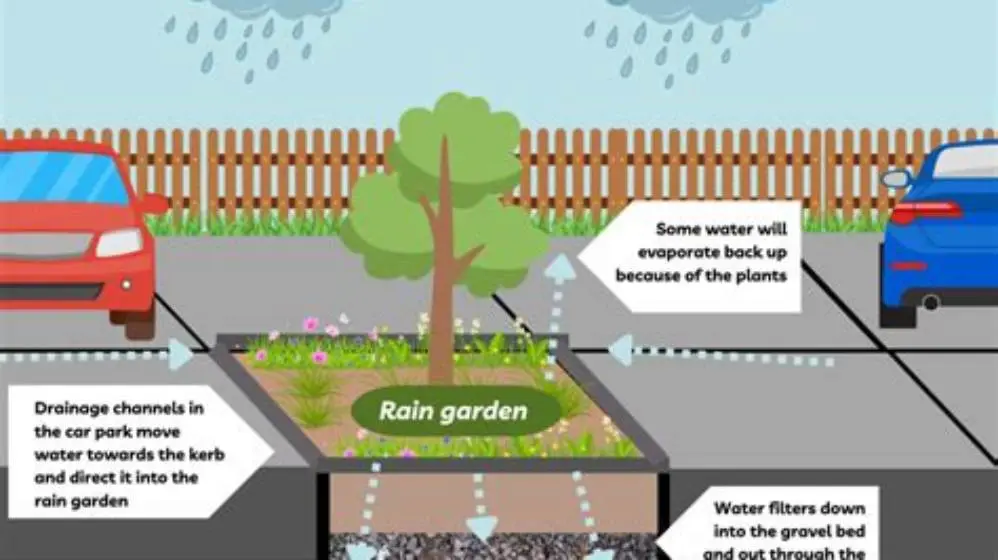
Rain gardens drain water by allowing runoff to soak into the soil through a permeable planting bed and underlying layers. After heavy rain, typical infiltration rates range between 5 and 20 millimetres per hour depending on soil type.
The garden’s soil must absorb runoff faster than the rain falls to avoid pooling. Excess water drains into gravel or sand layers beneath plants, then percolates deeper or flows to overflow channels if designed.
Inlet and outlet pipes or swales guide water in and out, preventing flooding. A gentle slope of 1 to 3% helps direct flow while plants improve soil structure for better absorption.
Water absorption varies widely by soil type: sandy soils drain faster, up to 30 mm/hr, while clay soils may only manage 2 mm/hr or less. This range impacts how quickly the garden empties after heavy rain. We cover soakaway design for clay soils in its own article.
In a well-functioning rain garden, you might see water level drop by half within 6 hours after a storm. If water remains longer, infiltration or drainage problems exist.
Plants in the garden play a role beyond beauty. Their roots create channels in soil, improving flow. During dry spells, roots also help keep soil loose for better soaking when rain returns.
Common causes of drainage failure in rain gardens
Clogging by debris or sediment often blocks water entry or exit points. Leaves, soil particles, and mulch buildup reduce flow through the inlet or the gravel drain layer. The other half of this decision is water pump garden low pressure.
Saturated soil means the existing soil is holding as much water as it can. Clay-heavy or compacted soils absorb water slowly, causing runoff to pool on the surface until the ground dries.
Design faults include undersized gardens, flat or reverse slopes, and poor placement of inlets and outlets. A rain garden too small for the catchment or with no slope traps water instead of draining it.
Extreme weather events can overwhelm rain garden capacity even if everything is working. A sudden downpour delivering 50 mm in an hour may exceed infiltration, causing temporary standing water. There is more on blocked downpipe gutter outlet in a separate guide.
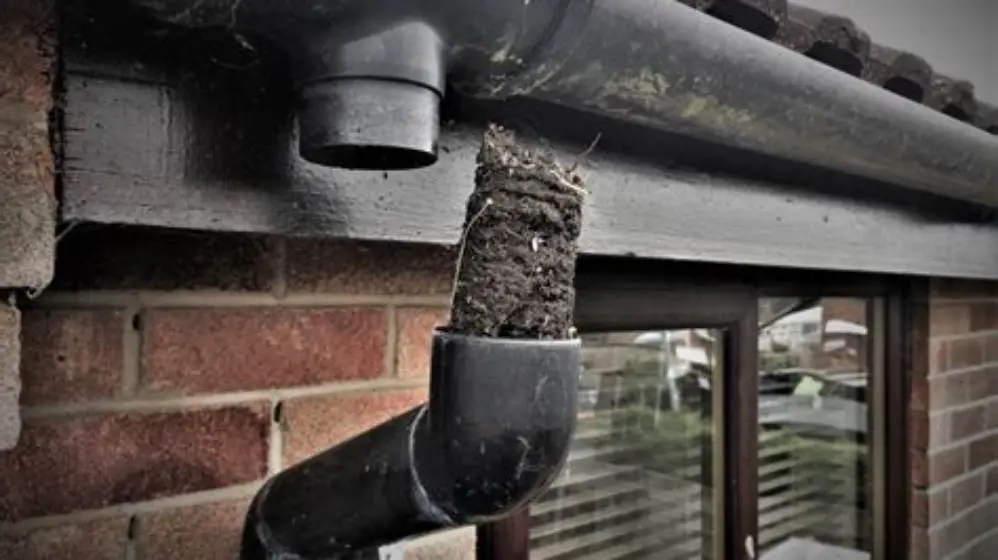
Leaf litter and mulch buildup are seasonal issues. Autumn leaf fall can clog inlets quickly if not cleared, especially around gutters or paved areas feeding the garden.
Nearby construction or heavy foot traffic compacts soil over time. This subtle change reduces soil pore space and slows water absorption, leading to unexpected drainage problems.
- Clogging: restricts flow, causes ponding
- Soil saturation: slow infiltration, pooling
- Design flaws: size, slope, inlet/outlet location
Tests to identify clogging, soil saturation, or design issues
Test 1: Check for clogging by inspecting and clearing inlets and outlets. Remove leaves, sediment, and mulch blocking entry points and gravel layers. It helps to understand testing laundry pump clogs before going further.
Test 2: Conduct a soil percolation test with a simple kit. Dig a hole 300 mm deep, fill it with water, and measure how long it takes to drain. Rates below 5 mm/hr signal saturation or poor soil permeability.
Test 3: Review the garden slope with a level or smartphone app. A flat or negative slope (<1%) means water won't flow properly. Calculate the catchment area and compare it to garden size to ensure capacity.
Repeat percolation tests after a dry period to compare results. A significant drop in infiltration rate suggests clogging or soil compaction has worsened. We cover calculating wetland size for home in its own article.
Use clear containers to catch water exiting the garden outlet. Cloudy or muddy flow indicates sediment is passing through, which may clog downstream soils or drains.
Check if water pools in unexpected areas outside the garden after rain. This shows design flaws in directing flow or outlet placement. Mark spots to plan corrections.
- Clear inlet and outlet of debris and observe if water drains faster after rain.
- Dig a 300 mm hole in the garden soil and fill with water for percolation test.
- Measure time for water to drain and calculate mm/hr infiltration rate.
- Use a level or slope app to measure garden slope along the flow path.
- Calculate catchment area runoff and verify if garden size meets recommended drainage volume.
How to fix clogged inlets and outlets in your rain garden
Remove leaves, mulch, and sediment regularly from all inlet and outlet points. Use a garden hose or gentle water jet to flush out debris trapped in gravel or pipe openings.
Install simple filters or grates over inlets to catch debris before it blocks flow. Clean these filters monthly during fall or after storms to prevent buildup.
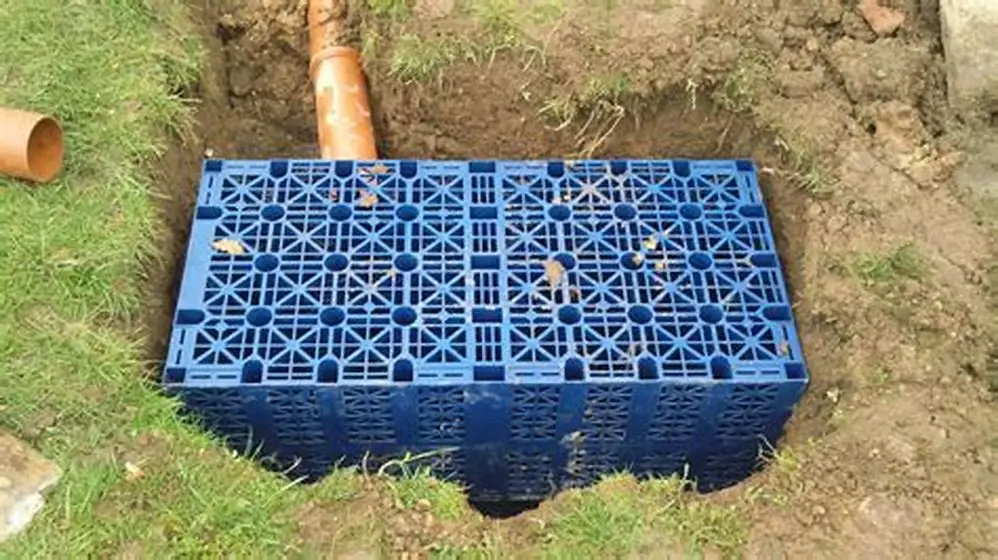
Replace compacted gravel layers beneath the garden with clean, washed aggregate to improve permeability. Avoid fine materials that clog quickly.
If clogging repeats often, consider adding a small sedimentation basin upstream to catch solids before they reach the garden.
- Regularly clear inlet/outlet debris
- Fit debris filters or grates
- Use washed gravel for drainage layers
- Add sediment traps upstream if needed
Fixing soil saturation and improving infiltration rates
Aerate compacted soil with a garden fork or mechanical aerator to increase pore space and water absorption. Avoid heavy machinery that compacts soil further.
Incorporate organic matter such as compost into the top 200 mm of soil to improve structure and drainage. Compost should be well-matured and free of contaminants.
Consider replacing clay-heavy soil layers with a sandy loam mix if percolation rates remain under 5 mm/hr despite aeration and compost.
Plant deep-rooting native plants which help break up soil and improve infiltration over time.
Use a soil moisture meter to monitor dryness levels and avoid watering the garden excessively, which worsens saturation.
- Aerate compacted soil carefully
- Add mature compost to topsoil layer
- Replace poor soil with sandy loam if needed
- Plant deep-rooting natives
- Monitor soil moisture regularly
Review and adjust rain garden design for proper drainage
Ensure your rain garden size matches the catchment runoff. A general rule: garden area should be at least 10% of the impermeable catchment area feeding it.
Correct slopes to between 1% and 3% so water flows steadily without pooling. Use a carpenter’s level or phone app to check slope along the garden length.
Check inlet and outlet placement. Inlets must be lower than garden centre and outlets placed to avoid waterbacking. Swales and overflow drains help manage large flows.
Add overflow drains or pipes to divert excess water safely during unusually heavy rain events.
If redesign is needed, consult a landscape professional experienced with UK rainfall and soil conditions.
- Match garden size to catchment runoff (≥10%)
- Maintain 1-3% slope for water flow
- Place inlets lower than garden centre
- Add overflow drains for heavy rain
- Seek professional advice for redesign
Quick questions
Can heavy clay soil be fixed to improve rain garden drainage?
Yes, aerating soil and adding organic compost improves structure and permeability. If poor drainage persists, replacing clay soil with sandy loam is necessary to restore infiltration.
How often should I clean rain garden inlets to prevent clogging?
Inspect and clean inlets and filters monthly during leaf fall or after heavy storms to keep water flowing and prevent blockages.
What slope is ideal for rain garden drainage?
A slope between 1% and 3% ensures steady drainage without water pooling. Too flat or negative slope causes standing water.
How large should my rain garden be compared to the catchment area?
Your rain garden should cover at least 10% of the impermeable surface area draining into it to handle runoff effectively.
Is it normal for rain gardens to hold water temporarily after heavy rain?
Yes, short pooling occurs but standing water beyond 24 hours usually indicates poor drainage needing testing and fixing.