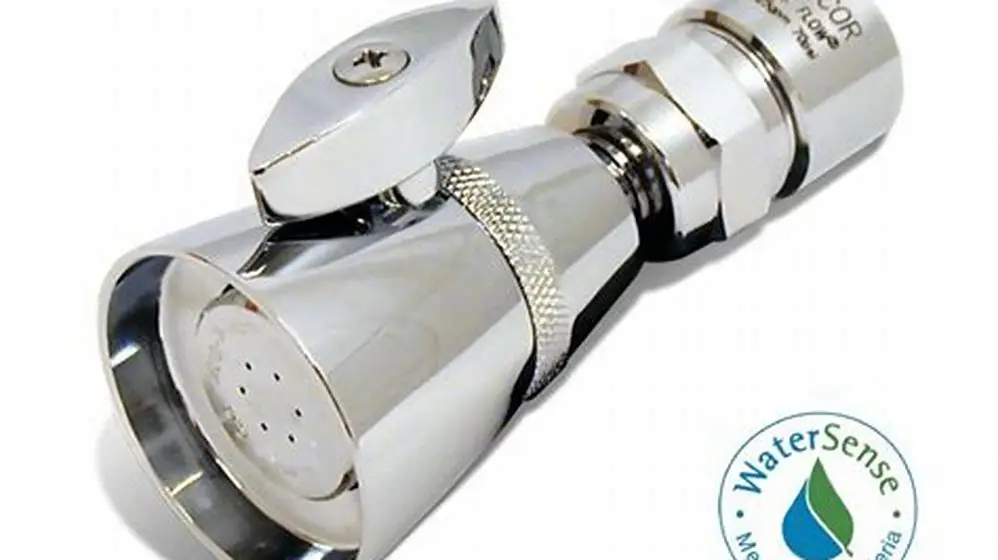
Learn the official maximum flow rate that qualifies a shower head as ultra low flow and how to verify it accurately.
An ultra low flow shower head typically has a maximum flow rate of 1.5 gallons per minute (gpm) or about 5.7 liters per minute (lpm) at standard pressure. This threshold defines it as ultra low flow by most standards while balancing water savings and shower experience.
On this page
- The short version
- Define ultra low flow shower head
- Specify the maximum flow rate in gallons or liters per minute
- Explain how to check or measure flow rate
- Tradeoffs for showering with ultra low flow heads
- Verifying compliance with ultra low flow standards
- Ultra low flow shower head what maximum flow rate qualifies it
- Questions people still ask
Part of our guide on high pressure low flow water pump
Know the exact flow rate that makes a shower head ultra low flow and how to check if yours meets this water-saving standard.
| Ultra low flow max | 1.5 gpm |
|---|---|
| Low flow max | 2.0 gpm |
| Typical UK pressure | 40-60 psi |
| Liters per minute | 5.7 lpm |
| Measurement method | Time & volume |
The short version
- Ultra low flow shower heads deliver 1.5 gpm or less under normal pressure.
- Common low flow heads range up to 2.0 gpm, which uses more water.
- Measuring flow rate requires timing and a known container volume.
- Lower flow reduces water and energy bills but may affect shower feel.
- Testing your shower head flow helps confirm if it meets ultra low flow.
Define ultra low flow shower head
An ultra low flow shower head is defined by its maximum water flow rate, which is significantly lower than traditional shower heads. This limit aims to cut water use dramatically without making the shower feel uncomfortable.
Typically, ultra low flow shower heads restrict flow to around 1.5 gallons per minute (gpm), which equals about 5.7 liters per minute (lpm). This contrasts with older or standard heads that can flow at 2.5 gpm or more.
The designation 'ultra low flow' is not just marketing jargon: it hinges on measurable performance standards that reduce water demand and the associated energy costs for heating that water.
Specify the maximum flow rate in gallons or liters per minute
The flow rate that qualifies as ultra low flow shower head is generally 1.5 gallons per minute (gpm) or less at a typical residential water pressure between 40 and 60 pounds per square inch (psi). This is the common cutoff used by many water efficiency programs and building codes. Before you commit to anything, it is worth looking at low pressure water pump for garden.
In metric terms, that translates to roughly 5.7 liters per minute (lpm). Showers exceeding this flow rate fall into the low flow category (up to 2.0 gpm) or standard flow (2.5 gpm or higher).
This threshold balances meaningful water savings with maintaining a reasonable spray force and temperature stability, which are often compromised below this flow rate.
| Category | Maximum Flow Rate | Equivalent in Liters per Minute |
|---|---|---|
| Ultra Low Flow | 1.5 gpm | 5.7 lpm |
| Low Flow | 2.0 gpm | 7.6 lpm |
| Standard Flow | 2.5 gpm | 9.5 lpm |

Large 5000 ml Measuring Cup
Provides a large 5000 ml (1.3 gallon) container with clear gallon, quart, and milliliter markings to measure water volume accurately for flow rate calculation.
Explain how to check or measure flow rate
Measuring your shower head's flow rate is straightforward and requires just a container of known volume and a stopwatch or timer. This method works best at normal household water pressure, usually 40-60 psi. The other half of this decision is low flow toilet keeps refilling after flush.
To measure, fill a bucket or large jug (marked with volume) under the running shower head. Time how long it takes to fill the container completely. Then calculate the flow rate by dividing the container volume by the time taken in minutes.
For example, if you fill a 1-gallon container in 30 seconds, the flow rate is 2 gallons per minute (gpm). This quick test gives a reliable figure to compare with ultra low flow standards.
If you want more precision, flow meters designed for household fixtures exist. These meters attach inline but cost more and are usually unnecessary for basic verification. If that sounds like your situation, read up on uk home water saving guide next.
- Select a container with a volume marked in gallons or liters.
- Use a stopwatch to measure the time to fill the container fully.
- Calculate flow rate: divide volume by fill time in minutes.
- Compare your flow rate to the ultra low flow threshold of 1.5 gpm.
Tradeoffs for showering with ultra low flow heads
Reducing flow below 1.5 gpm saves water and energy substantially but can affect shower feel. Less water means less heat delivered per minute, which some find less satisfying or slower to rinse soap off.
Modern ultra low flow heads often use design features like air injection or pressurization to maintain spray force despite the lower flow. However, these features come at a higher purchase cost and sometimes require more maintenance.
Some users report cold spots or uneven water distribution with the lowest flow heads, especially if household pressure is below normal. This can reduce comfort and encourage longer showers, undermining water savings. The other half of this decision is regional grants for harvesting.
You have to balance water savings against user comfort: in shared homes or rentals, a very low flow head might lead to complaints, but in dedicated eco setups, it pays off well.
- Significant water and energy savings
- Lower utility bills
- Reduced carbon footprint
- Potentially weaker spray and comfort loss
- More expensive fixtures
- Dependent on household water pressure
Verifying compliance with ultra low flow standards
If you need to prove your shower head qualifies as ultra low flow (such as for rebates or building codes) measurement alone might not suffice. Manufacturers label flow rates based on standardized tests at set pressures, usually 60 psi.
You can request the product's certification or specification sheet showing its tested flow rate. Look for certifications from recognized programs such as WaterSense in the US or equivalent local schemes. We cover reducing water bills with greywater in its own article.
If you want to verify yourself, measure at household pressure but keep in mind that lower pressure will reduce apparent flow, potentially misleading results. Consistent pressure conditions are key to valid comparisons.
Replacing your shower head with one certified at 1.5 gpm or less is the surest route to guaranteed ultra low flow compliance.
Ultra low flow shower head what maximum flow rate qualifies it
The question 'what counts as ultra low flow shower head flow' has a clear official answer: 1.5 gallons per minute (gpm) or less at typical residential pressure is the widely accepted standard.
This precise figure balances meaningful water demand reduction with enough flow to keep showers functional and comfortable for most users. It is commonly referenced in water efficiency standards worldwide.
To verify your shower head meets this standard, use the measurement method described: time how long it takes to fill a known volume container and calculate its flow. Confirm this number is at or below 1.5 gpm.
If uncertain, invest in a certified ultra low flow shower head that lists this maximum flow on the packaging or specification sheet. This ensures compliance without guesswork.
Questions people still ask
Can a shower head with 2.0 gpm still save water?
Yes, shower heads with 2.0 gpm flow rate are considered low flow and save water compared to older models flowing at 2.5 gpm or more. However, they do not qualify as ultra low flow and save less overall water.
Does water pressure affect the flow rate of shower heads?
Absolutely. Flow rate depends on water pressure; lower household pressure leads to lower flow even if the shower head can handle more. Measuring at typical pressure is essential for accurate flow rating.
How do air infusion technologies affect ultra low flow showers?
Air infusion mixes air with water to increase spray volume without increasing actual water flow, improving comfort at low flow rates. It helps ultra low flow showers feel more forceful but may increase noise.
Is there a quick way to identify if my shower head is ultra low flow?
Look for a label stating a maximum flow rate of 1.5 gpm or less. Alternatively, measure flow manually using a timed fill test with a known container volume.
Will using an ultra low flow shower head reduce my energy bills?
Yes. Less water flow means less hot water used, reducing the energy needed to heat it. Savings depend on your shower duration and water heating method.