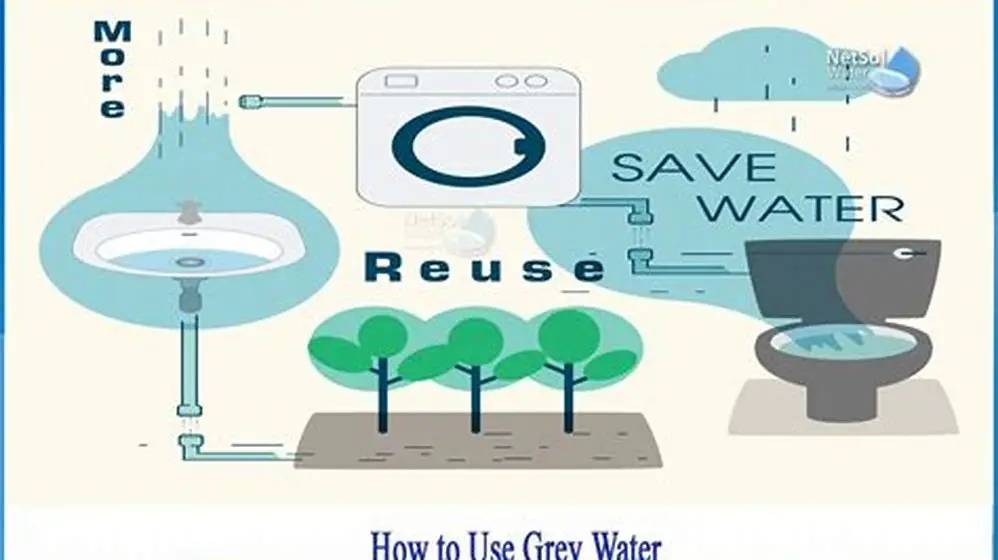
Greywater can be reused by collecting wastewater from baths, showers, and laundry, filtering it, and redirecting it for non-potable uses like garden irrigation and toilet flushing. Systems rely on pumps and filters that must be maintained to prevent clogging, especially in laundry lines.
On this page
- Quick recap
- How does a greywater system work
- How can grey water be reused
- How to test if greywater pump is clogging laundry line
- Common components and materials for greywater systems
- Maintenance tips to keep greywater systems efficient
- How can grey water be reused safely and legally in your home
- Quick questions
Part of our guide on low flow high pressure pump
Quick facts
- Typical greywater sources
- bath, shower, laundry
- Pump clog test method
- flow rate measurement
- Filter mesh size
- 0.5-1 mm
- Water reuse uses
- toilet flushing, garden irrigation
- Maintenance frequency
- 3-6 months
Quick recap
- Greywater includes bath, shower, and laundry water but excludes toilet waste
- Proper filtration and pumping are crucial to avoid clogging and odors
- Laundry greywater contains lint and detergent residues requiring effective screen filters
- Regular testing of laundry pump clogging helps maintain system flow
- Reused greywater reduces mains water demand and lowers drainage costs
How does a greywater system work
A greywater system collects used water from baths, showers, and laundry but excludes toilet waste, which is blackwater. The system directs this greywater through plumbing into a treatment or storage unit, often incorporating a filter to remove hair, lint, and debris. After filtration, a pump moves the water to points of reuse such as toilet cisterns or garden irrigation systems.
The pump typically operates at flow rates between 5-15 liters per minute depending on household size and system design. Filtration screens with mesh sizes around 0.5 to 1 millimeter are necessary to catch solids without causing excessive pressure drop. Systems must maintain a gentle slope in pipes to prevent stagnant water and minimize bacterial growth.
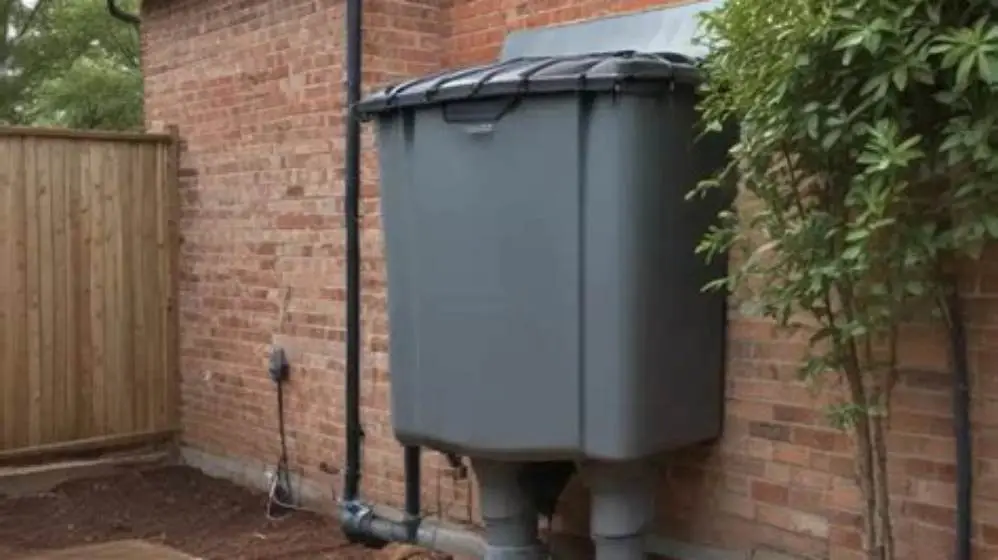
Some systems use storage tanks to accumulate greywater before use. These tanks should be sealed, opaque, and ideally include an aeration feature to limit odors and microbial buildup. The water quality depends heavily on source water composition; laundry water often carries detergents and lint, requiring more robust filtration compared to shower water.
How can grey water be reused
Greywater reuse focuses on non-potable applications. The most common uses include toilet flushing, garden irrigation, and sometimes washing outdoor surfaces. By redirecting greywater to these uses, households can reduce mains water consumption by 30-50%, depending on system size and water use patterns. If that sounds like your situation, read up on stopping rainwater pump running next.
Garden irrigation with greywater needs careful management: avoiding edible crops and applying water below the soil surface prevents human contact with contaminants. Drip irrigation systems are ideal, delivering water directly to plant roots and reducing spraying that could lead to aerosolized contaminants.
Toilet flushing requires a reliable pump and sometimes additional filtration or disinfection to avoid odors and blockages. Greywater's lower suspended solids and nutrient content make it suitable for this use but systems must comply with local codes and health regulations. Check your council’s requirements before installation.
How to test if greywater pump is clogging laundry line
Laundry greywater lines are prone to clogging due to lint and fibrous residues. Detecting clogging early prevents pump damage and system failure. A practical way to test for clogging is by measuring the pump’s flow rate and comparing it to its rated capacity, usually found in the pump's specifications. The other half of this decision is diagnosing garden water pressure issues.
Testing steps include recording the pump’s flow rate over a fixed time interval and checking for pressure drops in the line. A flow rate reduction of more than 20% below the pump’s nominal output under normal operating conditions typically indicates clogging. Visual inspection of filters and screens for accumulated debris is also essential.
Using a simple flow meter or bucket-and-timer method works well. For instance, if a pump is rated at 10 liters per minute, collecting less than 8 liters in one minute signals a clog. Cleaning or replacing filters promptly restores flow and protects the pump’s motor from overload.
- Locate the laundry greywater pump and find its nominal flow rate.
- Set up a container to collect discharged water.
- Run the pump at normal operation and measure discharge volume over 60 seconds.
- Compare measured flow with nominal flow; a drop over 20% indicates clogging.
- Inspect and clean filters or screens blocking flow.
Common components and materials for greywater systems
Greywater systems consist of plumbing pipes, screens, pumps, storage tanks, and sometimes disinfection units. Pipes are usually PVC or HDPE, resistant to corrosion and easy to clean. Screens and filters must be washable and have mesh sizes between 0.5 and 1 mm to balance debris removal and flow. Before you commit to anything, it is worth looking at rainwater harvesting system uk cost and installation.
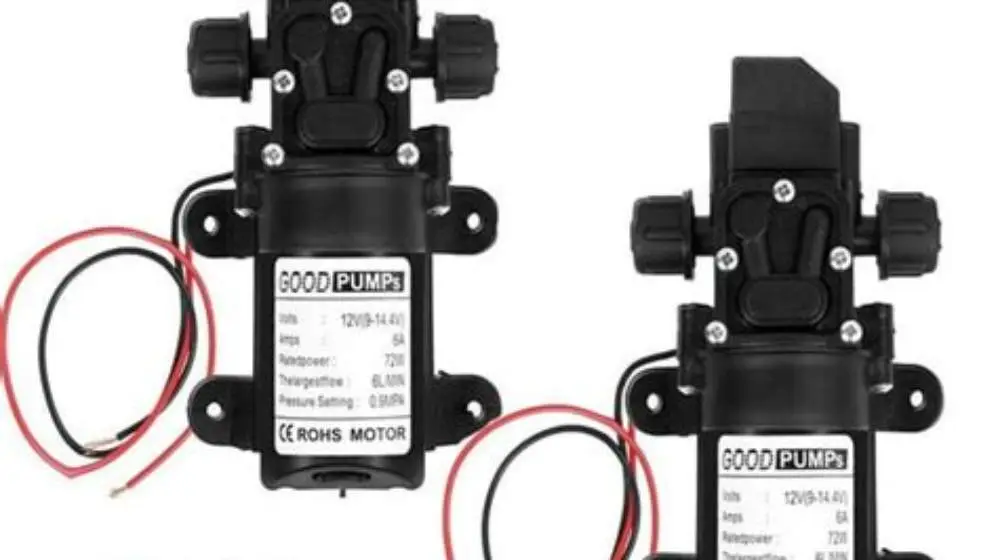
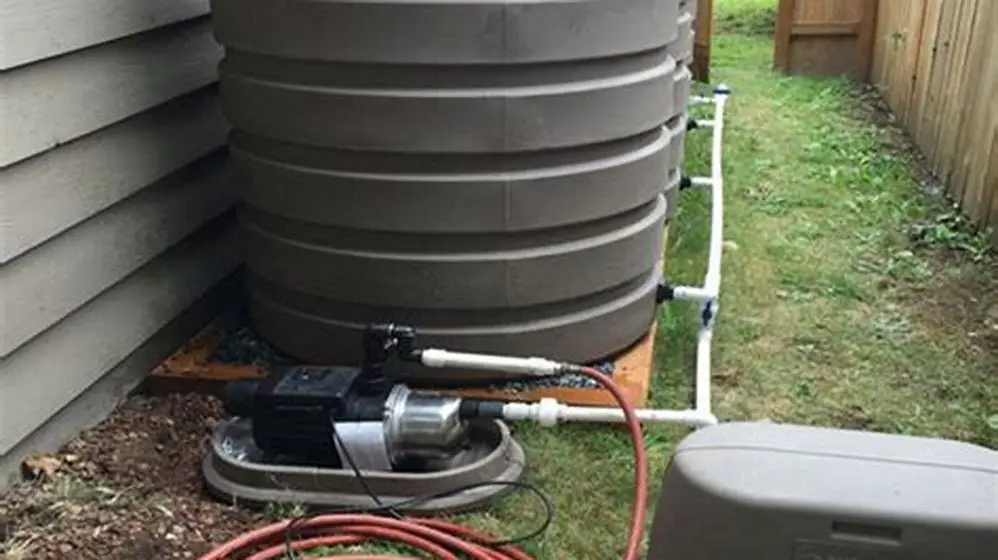
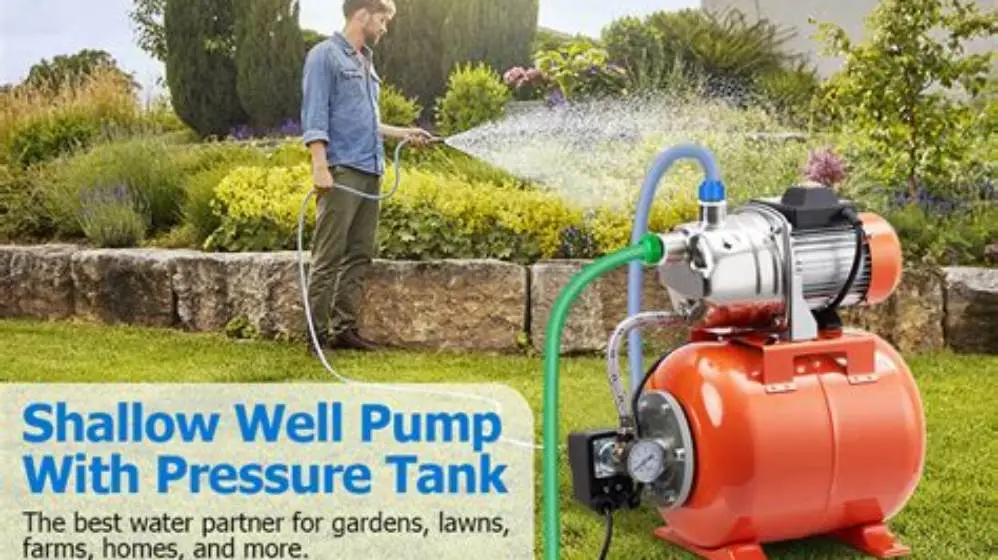
Pumps need to be rated for continuous duty with solids-handling capacity if lint is expected. Submersible or external centrifugal pumps are common. Storage tanks should be opaque to prevent algae growth and preferably fitted with aeration to minimize odors.
Materials in contact with greywater must withstand mildly alkaline or acidic conditions due to detergents. Avoid materials that degrade or leach harmful substances. Test filters regularly to ensure longevity, as worn filters reduce water quality and increase pump wear.
Maintenance tips to keep greywater systems efficient
Regular maintenance every 3 to 6 months is necessary to maintain system efficiency and water quality. Cleaning or replacing filters and screens prevents clogging and pump strain. Inspect pipes for biofilm buildup or blockages, and flush with clean water if needed. The other half of this decision is ideal pre-charge psi in water tanks.
Check pump operation monthly for unusual noises or reduced flow. Grease or lubricate moving parts per manufacturer instructions. Remove accumulated sludge from storage tanks and avoid letting water stand more than 24-48 hours to reduce microbial growth.
Maintaining the system prevents costly repairs and ensures greywater remains suitable for reuse purposes. Neglected systems risk odors, blockages, and health hazards. Document maintenance activities and schedule reminders.
How can grey water be reused safely and legally in your home
Legal requirements for greywater reuse vary widely. Local councils or water authorities typically regulate connection methods, disinfection requirements, and approved reuse applications. Always check regulations before installing or modifying a greywater system. It helps to understand water saving tips for uk homes before going further.
Safe reuse depends on preventing human contact with untreated greywater. Systems must have backflow prevention to protect drinking water supplies. Disinfection methods like chlorination or UV treatment may be necessary depending on reuse purpose and local rules.
Public health considerations also limit greywater reuse to non-potable applications. Avoid storing greywater without treatment for long periods, and always label reused water lines to prevent accidental cross-connections. Compliance with local codes protects your household and neighbors.
Quick questions
Can greywater be used for vegetable garden irrigation?
Greywater can be used for vegetable gardens only if applied below the soil surface to prevent contact with edible parts. Many local rules discourage or prohibit this due to health risks from detergents and pathogens.
How often should greywater filters be cleaned?
Filters typically require cleaning every 3-6 months but frequency depends on water quality and usage. Inspect filters monthly for clogging signs, especially in laundry lines.
Is it safe to store greywater for more than a day?
Stored greywater degrades quickly, producing odors and bacteria. Limit storage to less than 24-48 hours and keep tanks aerated and sealed to slow microbial growth.
What causes laundry pump clogging in greywater systems?
Lint, hair, and detergent residues accumulate on filters and pump impellers, reducing flow and potentially damaging pumps. Regular filter cleaning prevents this.
Do greywater systems require disinfection?
Disinfection depends on reuse application and local code. Toilet flushing may not need it, but irrigation or long storage usually requires UV or chemical treatment.