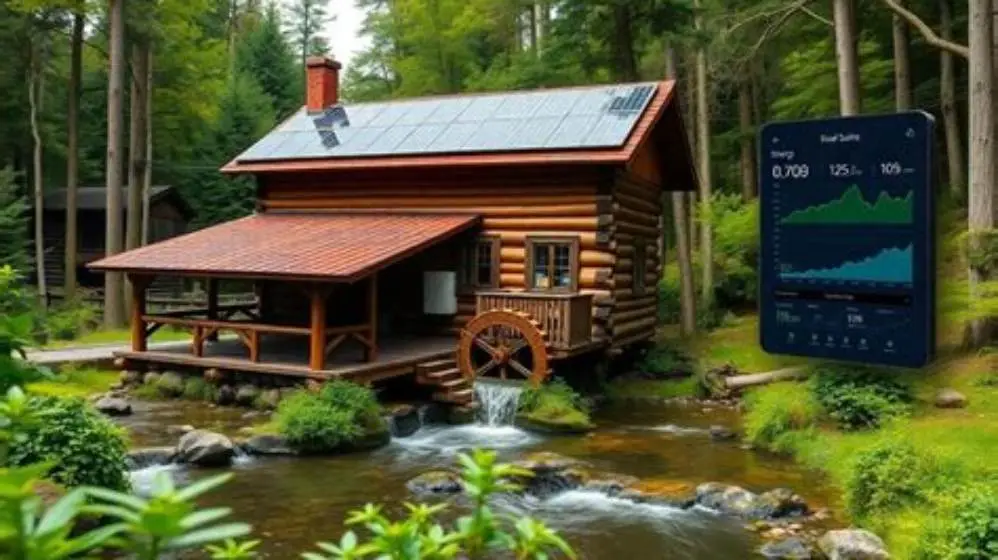
Micro hydro power for homes depends mainly on your site's water flow (litres per second) and head (vertical drop in metres). Measure these to pick a turbine type and system size that can generate 1-5 kW typical for UK homes.
On this page
Part of our guide on government grants for green homes
Quick facts
- Typical power output
- 1-5 kW
- Minimum flow rate
- 2 L/s
- Typical head range
- 2-20 m
- Common turbine types
- Pelton, Crossflow, Kaplan
- Small system lifespan
- 20+ years
Quick recap
- Micro hydro needs at least 2 litres/second flow for small home systems.
- Head height largely dictates turbine choice and power output.
- Pelton turbines suit high head, low flow sites; crossflow suits moderate head and flow.
- System sizing starts with assessing flow and head accurately.
- Installation needs flow meters and site permissions before proceeding.
What is micro hydro power
Micro hydro power is a small-scale hydropower system generating electricity from flowing water, usually producing between 1 and 5 kilowatts (kW) for homes. It leverages local water sources such as streams or small rivers by converting the water’s kinetic and potential energy into electrical power.
The system works continuously whenever water flows, unlike solar panels that depend on sunlight. Your site's energy output depends on two key physical factors: the water flow rate (measured in litres per second) and the head, which is the vertical fall the water travels (measured in metres).
This setup is especially relevant in rural or off-grid UK locations with consistent water streams. Micro hydro can reduce electricity bills significantly, improve a property's EPC rating, and contribute to low-carbon energy. However, it requires a renewable water source with stable flow across seasons.
Types of micro hydro systems for homes
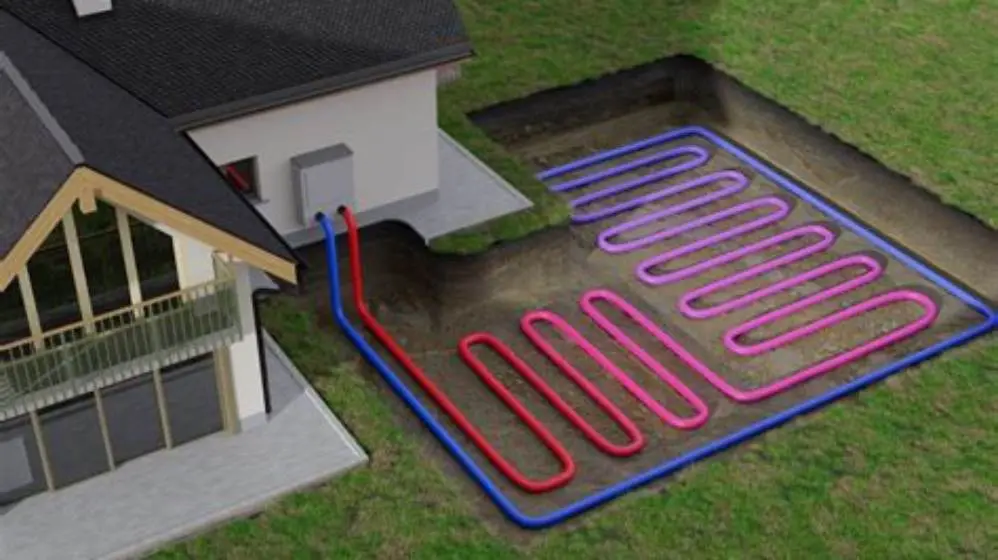
There are three main micro hydro turbine types commonly used for homes: Pelton, Crossflow, and Kaplan. Each suits different site conditions based on the head and flow characteristics. People in this spot often ask about using earth heat for homes as well.
Pelton turbines are impulse turbines best for high-head (typically over 10 metres) and low-flow sites. They use water jets striking spoon-shaped buckets on a wheel, generating high rotational speed and efficiency.
Crossflow turbines fit moderate head (2-20 metres) and flow conditions; water passes through a cylindrical runner twice, making them effective for variable flows and simpler to maintain.
Kaplan turbines operate on low head (below 5 metres) but high flow conditions. They resemble large propellers and work well for broader, slow-moving streams. This type is less common in UK home setups. It helps to understand how solar thermal works before going further.
| Turbine Type | Typical Head (m) | Flow Suitability | Efficiency Range (%) | Best Use Case |
|---|---|---|---|---|
| Pelton | 10+ | Low | 70-90 | Steep streams with high fall |
| Crossflow | 2-20 | Moderate | 65-85 | Moderate streams with variable flow |
| Kaplan | 0.5-5 | High | 60-80 | Wide, slow rivers with large flow |
How to assess water flow and head
Measuring water flow (volume per time) and head (vertical drop) accurately is critical before choosing a micro hydro system. These two figures determine your system's potential power output and turbine choice.
Flow rate is measured in litres per second (L/s). You can estimate flow by timing how long it takes to fill a known volume container from the source or use a flow meter designed for small streams. Hydrometric flow meters with a 1-10 L/s range suit home sites.
Head is the vertical distance water falls, measured in metres (m). You can measure it using a laser level or a water level gauge over the stretch from the intake to the turbine location. Even a difference of 1 or 2 metres markedly changes power potential. Before you commit to anything, it is worth looking at comparing green heating options.
Accurate measurements usually involve visiting the site multiple times across seasons to capture low and high flows. This helps avoid oversizing or undersizing the system, critical for cost and efficiency.
Best turbines for home micro hydro
Choosing the right turbine depends on your specific water flow and head measurements. High head and low flow sites benefit most from Pelton turbines, offering efficiencies up to 90%. They require less water volume but more vertical drop.
For sites with moderate head and flow, Crossflow turbines balance efficiency and cost. They tolerate variable flow rates better and have simpler maintenance needs, appropriate for many UK small streams. It helps to understand are wind turbines worth it uk before going further.
Low head and high flow sites fit Kaplan turbines, but these require larger water volumes and more complex installation. Their efficiency may be lower, making them less common in typical UK home micro hydro setups.
Turbines come in different sizes matching power outputs from 1 kW up to 10 kW or more. Most UK homes use 1-5 kW systems, enough to cover a significant portion of average domestic electricity use.
Basic system setup and sizing
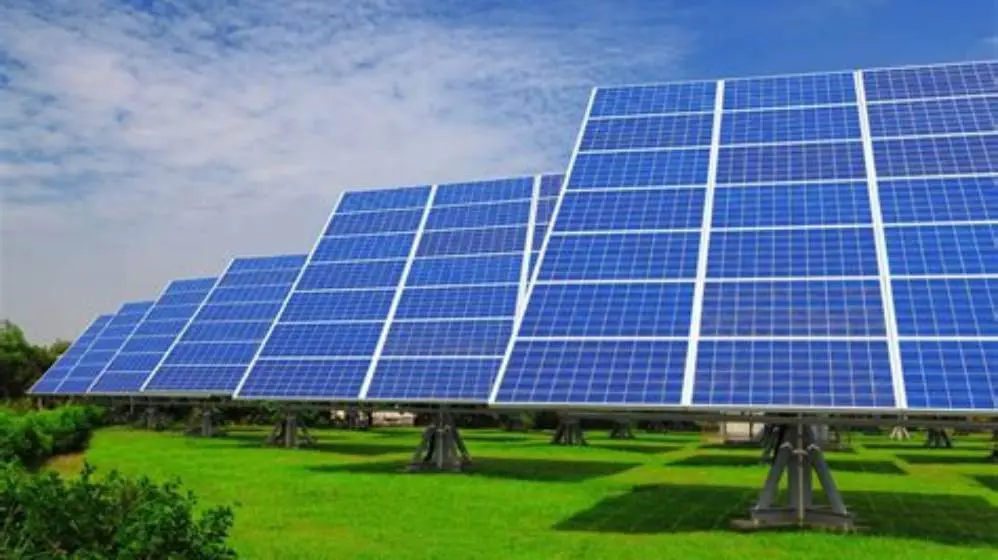
A typical home micro hydro system includes a water intake, a pipe (penstock) directing water to the turbine, the turbine itself connected to a generator, and the electrical control and storage system. If that sounds like your situation, read up on improving epc with solar next.
Sizing the system starts by calculating potential power: Power (watts) ≈ 9.81 × flow (L/s) × head (m) × system efficiency (usually 50-70%). For example, a site with 3 L/s flow and 10 m head at 60% efficiency yields roughly 177 watts.
This power calculation helps decide the turbine size and generator rating. Oversizing the turbine for too little flow wastes money; undersizing fails to capture full potential. Electrical components must also match the generated voltage and current.
Grid connection may be possible depending on location. Otherwise, batteries store energy for off-grid use. Both require specific equipment: inverters, charge controllers, and safety disconnects.
Installation demands permission from the Environment Agency or local authorities, especially for water abstraction and environmental compliance in the UK.
- Measure flow and head accurately at your site.
- Calculate theoretical power output using formula with efficiency factor.
- Choose turbine type and size matching water characteristics.
- Select generator and control electronics rated for output.
- Obtain necessary permissions and arrange installation.
Micro hydro power for homes: how to choose the right system by water flow and size
Choosing the correct micro hydro power system hinges on accurately measuring your flow and head. Use those figures to identify which turbine type fits your site and what power output you can realistically expect.
Low flow and high head sites nearly always require Pelton turbines; moderate sites favor Crossflow turbines for flexibility. Very low head sites with large flow might consider Kaplan, but often other renewables are more practical.
Always size your system based on the lowest seasonal flow to ensure continuous power. Factor in system efficiency losses, usually 30-50%, when estimating usable output.
A professional site survey including flow and head measurement is often needed to finalize system choice. Without these, any estimate is a guess and risks overspending or poor performance.
The buying and installation process should start only after permissions and measurements confirm the site’s suitability. The best system is the one matched closely to your water resources and home energy needs.
Micro hydro power can be a reliable renewable for the right UK homes if you base your choice on precise flow and head data.
Quick questions
Can micro hydro power work in the UK climate year-round?
Yes, but power output depends heavily on consistent water flow. Many UK streams reduce flow in summer, lowering output. Measuring flow across seasons is essential to assess feasibility.
Do I need planning permission to install micro hydro at home?
Most installations require permissions from the Environment Agency or local authorities, especially if water is abstracted or riverbanks are altered. Early consultation is necessary.
How much maintenance does a micro hydro system need?
Regular checks on turbines and intake screens are needed, typically annual servicing. Systems can last 20 years or more with proper maintenance.
What is the typical cost range for a home micro hydro installation?
Costs vary widely depending on site complexity and power output, often several thousand pounds. Accurate site surveys are required for quotes.
Can micro hydro systems store energy for use when water flow is low?
Yes, by integrating batteries and inverters, but this adds cost and complexity. Otherwise, power generation matches immediate water flow.