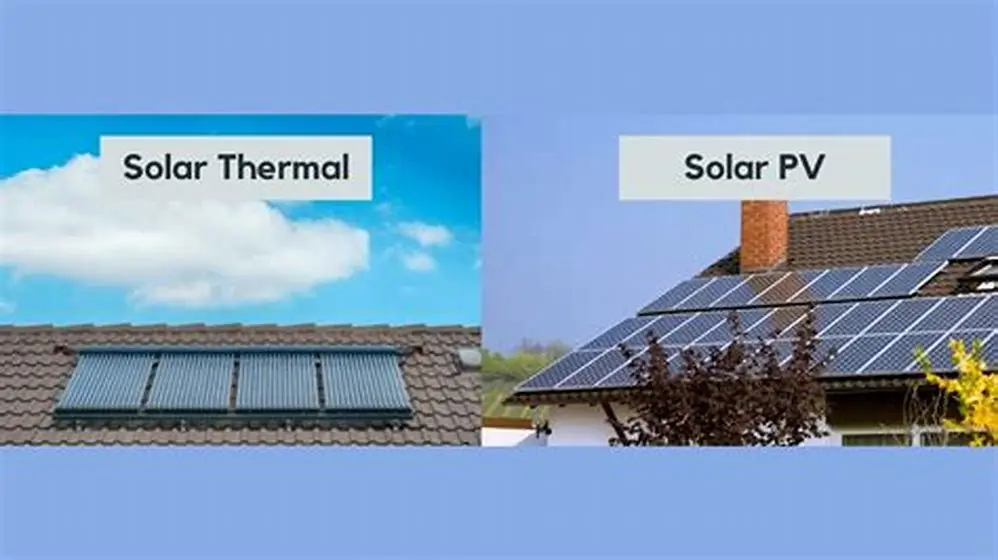
Solar thermal captures sunlight and converts it directly into heat in a collector, which is transferred to water (or a heat store) for domestic hot water and to supplement heating. It is distinct from photovoltaic (PV) systems, which convert sunlight to electricity.
On this page
- Quick recap
- What solar thermal means
- How solar thermal systems work
- Collector types and their performance differences
- Common uses and realistic contributions
- Geographic and seasonal limitations (beyond the UK)
- Difference between solar thermal and photovoltaic systems
- How to identify if solar thermal suits your home
- Quick questions
Part of our guide on what is a green home
Quick facts
- Typical panel size
- 2–6 square metres (domestic systems vary widely)
- Typical water temperature range
- 40–60°C under moderate insolation; higher peaks possible with evacuated tubes
- System lifespan
- 15–25 years (components vary)
- Estimated hot water contribution
- Typically 20–60% of annual domestic hot water demand (highly site-dependent)
- Common UK support
- Check current schemes such as the Boiler Upgrade Scheme (eligibility varies)
Quick recap
- Solar thermal heats water using solar collectors; it directly supplies hot water and can supplement space heating
- Performance depends on collector type (flat plate vs evacuated tube), system sizing, location and installation quality
- Solar thermal is different from solar PV: it produces heat, not electricity
- Typical thermal contributions are estimates: they vary seasonally and geographically
- Correct design, insulation and maintenance are important for long-term performance
What solar thermal means
Solar thermal describes the capture of solar radiation to heat a fluid (usually water or a water–glycol mix) inside a collector. That heated fluid transfers energy to a hot water cylinder or thermal store that supplies taps and can assist central heating.
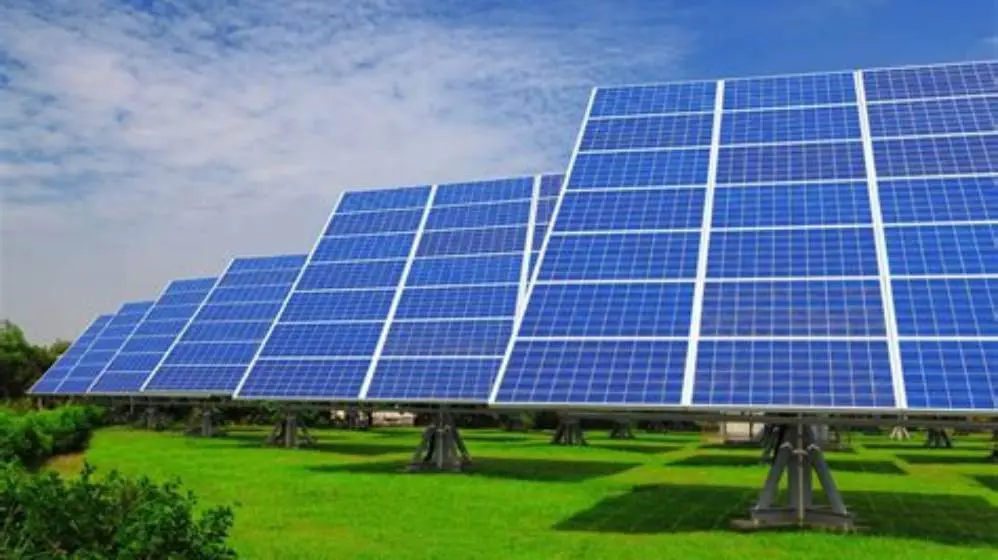
Systems are usually roof-mounted but can be mounted elsewhere with clear sun access. They are designed to deliver thermal energy rather than electrical power; PV systems, by contrast, generate electricity.
Collector area for a domestic system commonly ranges from about 2 m² for small households up to 6 m² or more for larger demands or colder climates. The actual usable heat delivered depends on incident solar irradiance, collector efficiency, orientation and tilt, shading, storage volume and user demand patterns. Seasonal variation is significant: summer months typically provide the majority of a system’s annual yield, while winter contributions can be small.
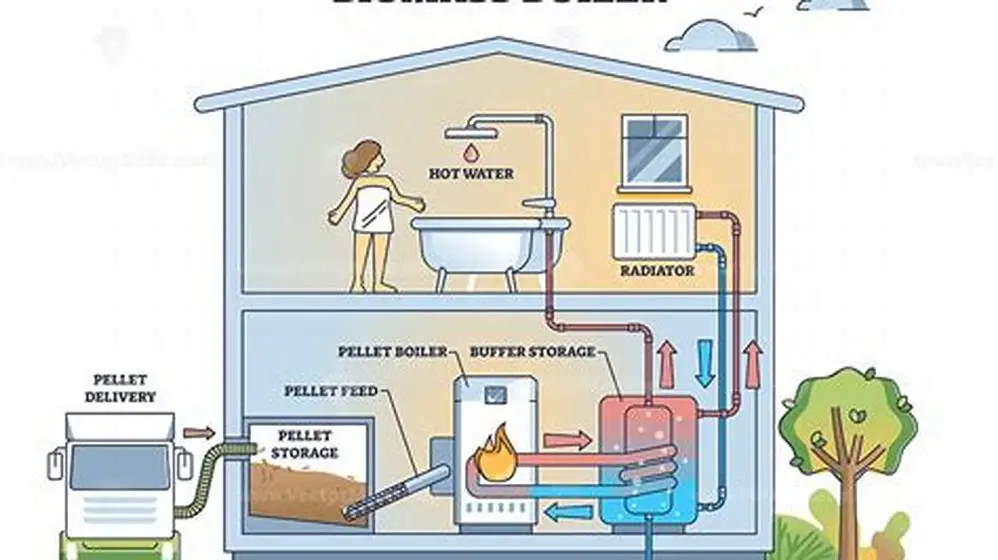
Example estimate (illustrative): installers and guidance bodies often express likely annual yields as ranges rather than single numbers. For a 4 m² flat plate collector in the UK climate, an indicative annual thermal yield reported by several sources is on the order of 1,500–3,000 kWhth per year under typical UK insolation and a well-designed system (see references). This is an estimate: yields can be lower in shaded or poorly oriented installations and higher in sunnier regions. Always treat such figures as site-specific estimates rather than guaranteed outputs and ask your installer for a bespoke yield assessment (using local irradiance data and system modelling). We cover common biomass heating systems in its own article.
How solar thermal systems work
A typical system comprises three main elements: the collector array, a heat-transfer circuit (pump and fluid or thermosiphon arrangement) and a storage cylinder or thermal store. The collector absorbs solar radiation and transfers it into the circulating fluid, which then dumps heat into domestic hot water via a heat exchanger or direct coil in the cylinder.
Circulation can be driven by a small electric pump (active systems) controlled by a differential thermostat (the controller runs the pump only when the collector is hotter than the store), or by thermosiphon where the geometry and density differences drive natural circulation. Systems use antifreeze in exposed, cold locations to prevent freezing in the collector loop.
Efficiency and performance depend on collector type, incident irradiance and operating temperature. Collector performance is commonly quoted as a gross thermal efficiency at standard test conditions (for example, nominally when the fluid temperature is close to ambient). Practical delivered efficiency across a day or year depends on temperature rise required and weather conditions. The other half of this decision is what is solar pv.
An illustrative daily calculation (example only, assumptions stated): if an evacuated tube collector array of 3 m² operates with a representative daily average insolation of 5 kWh/m² and an average gross collector efficiency of 60%, the daily thermal energy capture would be 3 × 5 × 0.60 = 9 kWhth. That heat can raise the temperature of roughly 100 litres of water by ~35–40°C (using 4.2 kJ/kg·K). This calculation uses rounded assumptions; installers use local irradiance files and system loss models for accurate predictions.
Systems have protections: controllers prevent pump operation when the store is hotter than the collectors (to avoid reverse flow), and freeze/overheat measures (antifreeze, drainback or mixing strategies) protect components. Poor insulation of pipework or storage tanks increases heat losses and reduces delivered heat, so good installation practice is critical to approach modelled yields.
Collector types and their performance differences
Two common collector types are flat plate collectors and evacuated tube collectors. Both absorb solar radiation and transfer it to a fluid, but their construction and performance characteristics differ. It helps to understand measuring flow and head for hydro before going further.
Flat plate collectors consist of an insulated box with a glazed cover and an absorber plate. They are robust, lower cost per square metre and perform well at moderate temperature rises. Gross thermal efficiencies under favourable conditions are often quoted in a rough range of 40–60% (manufacturer and test-condition dependent). Flat plates perform well when the required output temperature is near ambient (for domestic hot water) and when diffuse radiation is a significant portion of available sunlight.
Evacuated tube collectors use multiple glass tubes with a vacuum between inner and outer glass to reduce heat losses. Because of this reduction in convective and conductive losses, evacuated tubes usually maintain higher efficiency at higher operating temperatures and in colder ambient conditions. Typical gross efficiencies cited in comparative literature fall in the approximate range of 50–70% (again depending on test conditions and temperature difference). In practice, evacuated tubes can outperform flat plates when the system needs to deliver higher-temperature water, in cold seasons, or in installations with lower irradiance quality, but they can be more expensive and sometimes require more careful mounting and maintenance.
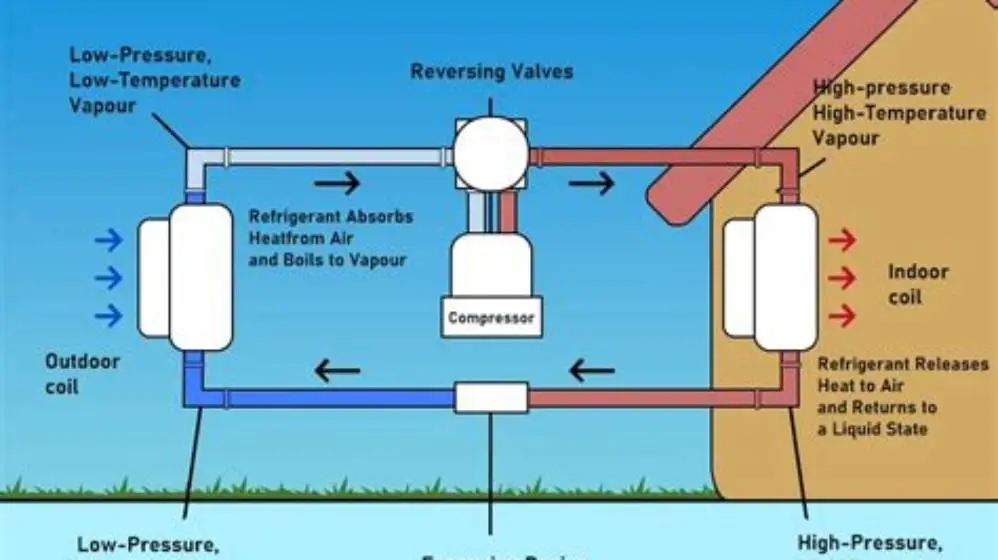
Key comparative points with context: Before you commit to anything, it is worth looking at how air source heat pumps work.
- Cold-weather performance: evacuated tubes generally lose less heat to the environment due to the vacuum insulation and so give relatively better yields when collector temperatures must be substantially above ambient (e.g., for combi systems or preheat for heat pumps).
- Low light/diffuse conditions: modern flat plate collectors with selective coatings can perform well in diffuse light; evacuated tubes can also perform well, but site shading and incident angles matter for both types.
- Durability and cost: flat plates are simple and durable; evacuated tubes have more glass components and replaceable elements, which can affect long-term maintenance costs. Real-world lifetime performance depends on build quality and maintenance. We go through how ground source heat pumps work step by step elsewhere on the site.
- Typical stated performance ranges are test-condition figures; installers convert these into expected annual yields using local hourly irradiance files and system loss models (standard tools or software from industry bodies).
Common uses and realistic contributions
The most common domestic use is hot water for taps and showers. Solar thermal is also used to supplement space heating through underfloor circuits or preheating water for boilers/heat pumps, and for pool heating where lower outlet temperatures make collectors very effective.
Expected annual contribution to household hot water varies with system size, roof exposure, household demand and climate. Industry guidance commonly quotes a broad range such as 20–60% of annual domestic hot water demand for typical UK domestic installations; smaller systems or shaded sites will be at the lower end, well‑designed, well‑sited systems at the higher end (Energy Saving Trust and industry bodies present similar ranges). For clarity: these are indicative ranges used for planning - a bespoke site assessment will give a more reliable estimate.
Larger or commercial systems serving hotels, hospitals or swimming pools can achieve higher solar fractions because of steady, high daily hot water demand and opportunities for larger collector arrays and thermal stores; published case studies report solar fractions over 60% in favourable conditions for purpose-designed systems.
Limitations include seasonal variability (most yield in spring–summer; limited winter contribution), the need for a backup heat source for reliability, and potential for overheating in very sunny conditions without adequate control or dump strategies.
Pool heating is a common low-temperature application: flat plate collectors are often efficient for pool water because they operate near ambient temperatures and can use larger-area collectors at lower cost.
Geographic and seasonal limitations (beyond the UK)
Solar thermal performance depends principally on available solar irradiance and ambient conditions. In sunnier climates (e.g., Mediterranean regions), annual yields per square metre are substantially higher than in northern Europe; conversely, in high-latitude or persistently cloudy regions yields are lower.
Cold climates introduce two specific challenges: lower winter solar insolation and risks of freezing. In sub-freezing conditions, systems require either antifreeze in the collector loop, drainback/emptying strategies, or specially designed freeze‑protected systems. The presence of snow can temporarily block collectors and requires either manual or automatic clearing strategies.
High-latitude locations also suffer from low solar angles in winter which reduces incident irradiance on standard tilted collectors. That makes it difficult for solar thermal to contribute substantially to space heating in winter in many cold climates without large collector and storage capacity or hybridisation with other heating technologies (heat pumps, biomass, or boilers).
Hot arid climates can produce very high yields but create other issues: overheating and stagnation in summer if demand is low, so systems in those regions need control strategies or heat dump options to avoid damage.
Seasonality means that system sizing and the decision to include thermal stores or hybrid strategies (e.g., pairing with a heat pump or gas boiler) are crucial. Designers use hourly climate data and loss models to estimate performance across seasons and to size backup systems appropriately.
Difference between solar thermal and photovoltaic systems
Solar thermal produces heat (hot water and heating) directly from sunlight collected by thermal collectors. PV systems produce electricity from sunlight using semiconductor cells. Which technology is preferable depends on household energy needs: heat-heavy homes may benefit more from thermal systems, while electricity-heavy homes may prioritise PV.
In terms of space and utility: thermal collectors produce high-grade heat (useful directly for water), while PV produces electricity that is broadly usable across appliances but may be less efficient to convert to heat on-site than direct thermal capture (though heat pumps combined with PV can be efficient).
Maintenance and installation: solar thermal requires plumbing, pumps and occasional fluid management (glycol replacement), whereas PV involves electrical installation and occasional inverter replacement. Both technologies have long lifetimes when properly installed.
When comparing systems, request modelled annual energy yields from installers for both thermal and PV options, and consider hybrid approaches (e.g., PV for electricity and solar thermal for hot water, or PV-powered heat pumps combined with solar thermal preheat) to match actual household loads.
| Feature | Solar Thermal | Photovoltaic (PV) |
|---|---|---|
| Primary output | Heat (hot water, heating support) | Electricity |
| Typical domestic collector area | 2–6 m² (system-dependent) | 1.5–2 m² per PV panel; system sized by kWp |
| Typical use | Domestic hot water, pool heating, preheat for boilers/heat pumps | Appliances, lighting, batteries, export to grid |
| Installation requirements | Plumbing, pumps, controllers, thermal store | Mounting, electrical wiring, inverter, meter |
| Seasonal performance | Strong seasonality (high in summer) | Seasonal, but electricity demand patterns may differ |
How to identify if solar thermal suits your home
Solar thermal suits homes with good unshaded sun access, significant hot water demand and space for a suitably sized cylinder. South-facing roofs with a pitch near local optimal tilt give the best year-round performance; however slightly east- or west-facing arrays can still work with modest yield reductions.
If your home has low hot water demand (for example, very small households with electric instant heaters) or heavily shaded roofs, solar thermal may not be cost-effective. Useable roof area can be limited by skylights, chimneys or complex roof geometry.
A professional site survey that models local irradiance, shading and household use will provide the most reliable estimate of likely solar fractions and payback. Many installers use standard tools and local weather data to produce an annual yield estimate rather than quoting a single fixed number.
Where roof space is limited, consider combinations: PV plus solar thermal (on different roof areas if possible), or hybrid systems where solar thermal preheats water before a heat pump or boiler, improving overall system efficiency.
Sizing advice: oversizing can cause overheating and wasted collector area; undersizing reduces benefit. A competent installer will balance collector area, tank size and expected usage to avoid these problems.
Quick questions
Can solar thermal provide all my hot water needs year-round?
Not reliably in many climates. In temperate climates like the UK, typical domestic systems are often estimated to supply roughly 20–60% of annual hot water demand; in sunnier climates the fraction can be higher. Exact figures depend on system size, orientation, storage and household use: ask installers for modelled annual yields for your site.
Do solar thermal panels work on cloudy days?
Yes, collectors still capture diffuse radiation on cloudy days but at reduced output compared with direct sun. Both flat plate and evacuated tube collectors produce useful heat under diffuse light, though the delivered temperature and power fall as irradiance decreases.
How much maintenance do solar thermal systems require?
Basic annual checks are common: inspect controller logs, check pump operation, check system pressure and glycol concentration in antifreeze loops (glycol replacement intervals commonly suggested every 5–10 years depending on product). Regular inspections help maintain performance and avoid unexpected failures.
Is solar thermal eligible for grants or funding?
Support schemes vary by country and change over time. In the UK, schemes such as the Boiler Upgrade Scheme have included support for low-carbon heating measures in certain circumstances; always check current local incentives and eligibility rules before purchasing.
Can solar thermal panels be combined with heat pumps?
Yes. A common strategy is to use solar thermal to preheat water that a heat pump or boiler then brings to final temperature. This can reduce the electrical or fossil-fuel energy the backup system must supply, improving overall system efficiency.