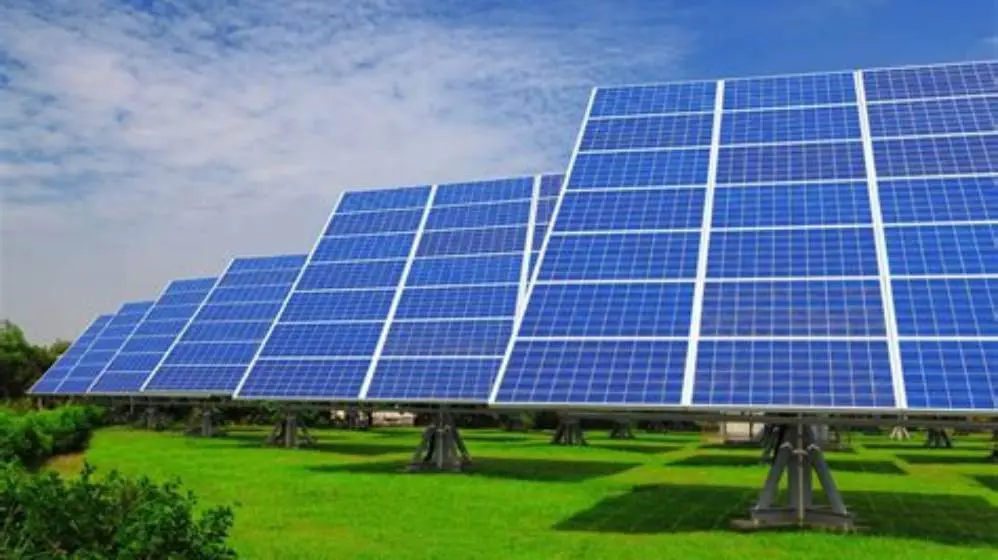
Solar PV stands for solar photovoltaic, a technology that converts sunlight directly into electricity using panels composed of solar cells. A solar PV system typically includes panels, an inverter, and a meter to power homes and reduce energy costs.
On this page
Part of our guide on what is a green home
Quick facts
- Solar PV panels
- around 1.6-2m² per panel
- Typical panel power
- 250-400 watts
- System sizes
- usually 2-6 kW for homes
- Electricity type
- DC converted to AC
- Lifespan panels
- usually 25-30 years
- Difference
- PV = electricity, thermal = heat
Quick recap
- Solar PV means converting sunlight into electricity using panels.
- Panels contain cells that produce direct current (DC) electricity.
- Inverters convert DC electricity to the alternating current (AC) used in homes.
- Solar PV differs from solar thermal, which produces heat, not electricity.
- A working system requires correctly sized panels and a compatible inverter.
What solar PV stands for
Solar PV means solar photovoltaic. 'Photovoltaic' combines 'photo' meaning light and 'voltaic' meaning producing voltage (electricity). In practice, solar PV describes technology that converts sunlight directly into electrical power.
In the UK, solar PV is the most common form of domestic solar energy, producing clean electricity to lower grid dependence and reduce energy bills. It does not generate heat but electrical current.
The term applies both to the individual solar panels, also called PV modules, and the complete system including inverters and meters.
Solar PV technology efficiency depends heavily on sunlight intensity, which varies by location and weather. In the UK, average solar irradiance ranges from about 800 to 1100 kWh/m² annually, influencing how much electricity PV panels can generate. The performance ratio of a system, typically between 75% and 85%, reflects losses from temperature, wiring, and inverter efficiency. Thus, actual energy output can be notably less than the theoretical maximum. For the detail, see our notes on solar thermal explained.
Solar PV terminology also includes 'grid-tied' and 'off-grid' systems. Grid-tied solar PV systems feed excess electricity back into the public electricity grid, benefiting from schemes like the Smart Export Guarantee. Off-grid systems, often paired with batteries, operate independently, suitable for remote areas without grid access or for users prioritising energy autonomy. These conditions affect system design and cost.
What a solar PV panel or module is
A solar PV panel consists of many solar cells made of semiconductor materials like silicon. Under sunlight, these cells generate direct current (DC) electricity by displacing electrons.
Panels typically measure about 1.6 to 2 square metres and produce between 250 and 400 watts of power under ideal sunlight levels in the UK climate. The output depends on panel size, cell efficiency, and irradiation. If that sounds like your situation, read up on home solar panel purchase and installation next.
Cells are wired in series inside the panel to increase voltage. Panels are framed and sealed to withstand weather for 25-30 years. Each panel contributes a share of the system's total output.
Panel efficiency typically ranges from 15% to 22%, meaning that 15-22% of the sunlight hitting the panel is converted into usable electricity. For example, a 1.7 m² panel with 20% efficiency under 1000 W/m² sunlight would produce about 340 W (1.7 × 1000 × 0.20). Temperature also impacts performance; higher temperatures usually reduce voltage output, decreasing efficiency by about 0.3-0.5% per °C above 25°C.
Degradation occurs over time as panels lose some efficiency annually, often around 0.5%. This means after 25 years, a panel might operate at roughly 87-88% of its original capacity. This gradual decline is normal and factored into system sizing and financial calculations. Cleaning panels to remove dirt and debris can help maintain output, especially in areas with frequent dust or pollution. Before you commit to anything, it is worth looking at how biomass heating works.
How a solar PV system works
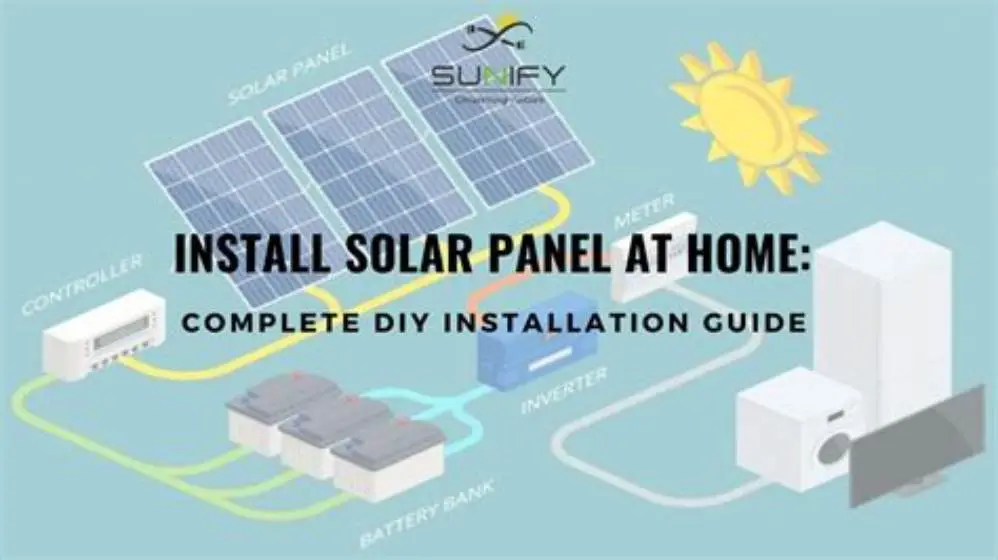
A solar PV system installed on a home comprises multiple panels connected together to increase total power output, an inverter, and wiring to the home's consumer unit or a battery system.
Panels produce DC electricity when the sun shines. This DC must be converted into alternating current (AC) by an inverter because UK homes and the grid run on AC at 230 volts.
The inverter also synchronises power supply with the grid, ensuring safe export or import as needed. Some systems include a generation meter to track output and comply with incentive schemes. It helps to understand comparing wind and solar options before going further.
The system size varies based on roof space and household power needs, with most UK domestic systems sized between 2 and 6 kilowatts (kW). Sizing too small lowers savings; too large risks waste or export limits.
Some solar PV systems incorporate microinverters, where each panel has its own inverter. This setup can improve performance in partially shaded conditions since each panel operates independently, preventing one shaded panel from reducing the whole system’s output. However, microinverters typically cost more and involve more complex installation compared to a single central inverter.
Batteries in solar PV systems allow for storing excess electricity generated during the day for use at night or during power outages. For example, a 5 kW system paired with a 10 kWh battery could store roughly two hours of peak generation. This setup increases energy independence but requires careful management to balance battery size, cost, and usage patterns. It helps to understand what is passivhaus before going further.
Difference between solar PV and solar thermal
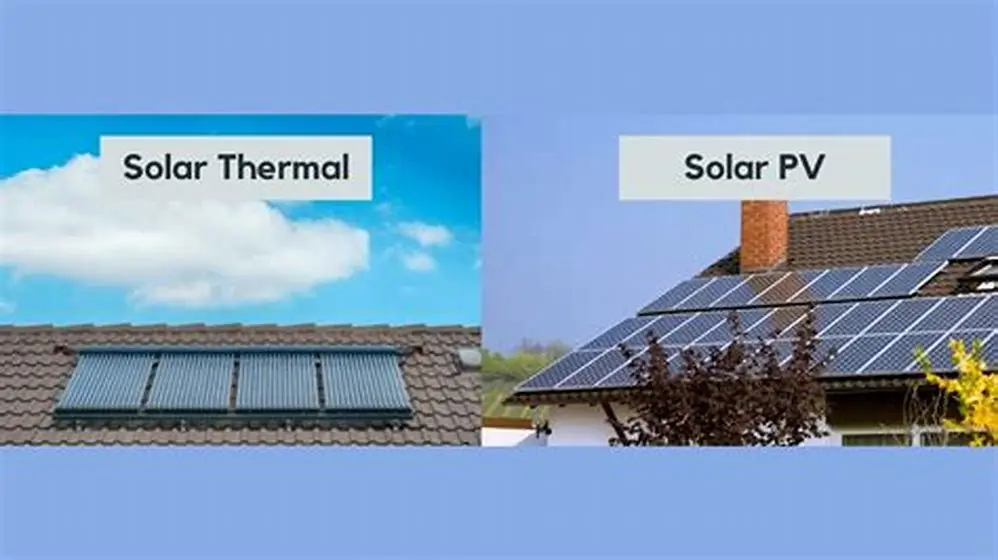
Solar PV and solar thermal use sunlight but serve different purposes. Solar PV produces electricity directly through photovoltaic cells. Solar thermal captures sunlight to heat water or air for domestic use.
Solar thermal systems typically include roof-mounted collectors filled with a liquid that absorbs heat. This heat is transferred to water tanks for space heating or hot water supply.
Unlike solar PV's electrical output, solar thermal cannot power appliances. Choosing between them depends on your home’s energy needs: electricity demand versus heating demand. There is more on air source heat pump explained in a separate guide.
Some homes combine both for maximum renewable benefit. The two systems require different installations and components, and grants for each might differ.
Solar PV systems generate electricity regardless of ambient temperature, but their output declines if panels overheat. In contrast, solar thermal systems rely on ambient air temperature and sunlight intensity to heat fluids efficiently. On very cold or cloudy days, solar thermal efficiency may drop significantly, while PV panels still produce some electricity.
Installation space requirements differ: solar thermal panels are often larger and thicker than PV panels due to the fluid channels and insulation needed. This can affect roof suitability and aesthetics. Solar thermal systems also require regular maintenance, such as antifreeze checks and pump servicing, unlike the largely maintenance-free PV panels.
| Aspect | Solar PV | Solar Thermal |
|---|---|---|
| Energy produced | Electricity (AC) | Heat (hot water/air) |
| Main components | Solar cells, inverter | Collectors, heat transfer fluid |
| Typical use | Running appliances, lighting | Domestic hot water, heating |
| Installation complexity | Moderate electrical work | Plumbing, tank setup |
| Maintenance | Low, electrical checks | Medium, fluid and tank care |
Components that make up a solar PV system
A typical solar PV system has three main parts: the solar panels, the inverter, and the electrical connections including safety switches and meters.
Panels capture sunlight and produce DC electricity. The inverter converts this to AC usable by home appliances. Electrical cables transmit power to the consumer unit and grid connection.
Safety devices protect against electrical faults and isolate the system during maintenance. A generation meter records how much electricity the system produces, essential for certain government schemes.
Optional battery storage can store excess electricity for later use, improving self-consumption but adding cost and complexity.
- Solar panels: capture sunlight, produce DC electricity
- Inverter: converts DC to AC, synchronises with grid
- Electrical wiring: connects panels, inverter, home, and grid
- Safety equipment: fuses, isolators, meters
- Optional batteries: store excess electricity
What to consider when setting up solar PV at home
Optimising system size depends on your roof space, orientation, shading, and energy usage. South-facing roofs with minimal shading yield the best results in the UK.
Planning permissions and building regulations generally allow solar PV without special approval on typical homes but always check local rules and listed building status.
You may qualify for UK government schemes like the Smart Export Guarantee, which pays for surplus electricity exported to the grid. These require an approved generation meter.
Professional installation ensures correct sizing, secure mounting, and electrical safety. DIY approaches risk voiding warranties, non-compliance, or safety hazards.
Monitoring your system’s output helps identify issues early and maximise savings. Some systems include remote monitoring via apps or web platforms.
When considering solar PV installation, the orientation and tilt angle of your roof are critical. South-facing roofs inclined at approximately 30-40 degrees typically yield the best production in the UK. East- or west-facing roofs produce about 15-25% less electricity, while flat roofs require mounting structures to set an optimal angle.
Your household’s typical electricity usage pattern influences system size choice. If you consume most electricity during daylight hours, a smaller system might suffice. Conversely, if evening consumption is high, pairing PV with battery storage or demand-shifting measures can maximise self-consumption and savings.
Estimating payback periods involves comparing installation costs against savings and potential income from export tariffs or government incentives. In the UK, typical residential solar PV systems might pay for themselves in 10-15 years depending on energy prices and system size. Monitoring performance helps detect faults that could otherwise extend payback times.
Quick questions
Can solar PV work on north-facing roofs in the UK?
North-facing roofs produce significantly less electricity because they receive less direct sunlight. While panels still generate some power, south-facing roofs typically yield 20-40% more output in the UK climate.
How long does a solar PV panel last?
Most solar PV panels come with warranties for 25 years but can last 30 years or more with gradual efficiency loss over time. Inverter lifespan is shorter, often around 10-15 years, and may require replacement.
Is battery storage necessary for a solar PV system?
Battery storage is optional. It increases self-consumption by storing excess electricity for later use but adds upfront cost and maintenance. Without batteries, excess electricity is exported to the grid, sometimes compensated via export tariffs.
How is solar PV different from solar thermal in terms of home energy bills?
Solar PV reduces electricity bills by generating power for appliances, while solar thermal cuts gas or electric heating costs by providing hot water and space heating. The savings depend on your energy usage patterns.
Can I install solar PV myself?
While physically possible, DIY installation risks safety issues, invalidates warranties, and may breach building and electrical regulations. Certified professional installation is strongly recommended for compliance and safety.