Biomass heating uses organic materials like wood pellets or chips burned to produce heat for homes, often via boilers or stoves. It typically replaces fossil fuel systems, cutting CO2 emissions while providing reliable heat.
On this page
- Quick recap
- What biomass heating means
- How biomass heating systems operate
- Common types of biomass heating systems in homes
- How biomass heating differs from other renewable heating options
- How to decide if biomass heating suits your home
- What is biomass heating including system operation and types
- Quick questions
Part of our guide on characteristics of green homes
Quick facts
- Common fuels
- wood pellets, chips
- Typical output
- 10-50 kW per boiler
- CO2 emissions
- net zero if sustainably sourced
- Fuel moisture
- below 20% for efficiency
- Storage space needed
- 2-4 m³ wood pellet storage
Quick recap
- Biomass heating burns organic fuels like wood pellets and chips for home heating
- Systems include boilers and stoves delivering heat via radiators or hot water
- It offers a renewable alternative to gas or oil with lower carbon emissions
- Grants like the Boiler Upgrade Scheme may support biomass installations
- Choosing biomass depends on fuel availability, storage space, and system type
What biomass heating means
Biomass heating is a system that uses organic material derived from plants or trees (known as biomass) as fuel to produce heat. Unlike fossil fuels, biomass fuels are renewable when sourced sustainably, meaning they can reduce net carbon emissions.
In the UK, typical biomass fuels include wood pellets, wood chips, and logs. These materials burn in specially designed boilers or stoves to generate heat for space or hot water. Biomass heating is considered a low-carbon alternative to traditional gas or oil boilers.
The key characteristic of biomass heating is the combustion of biological material instead of fossil fuels. This process releases carbon dioxide absorbed during the plants’ growth, making it closer to carbon neutral if fuel sourcing adheres to sustainability standards and efficient combustion practices.
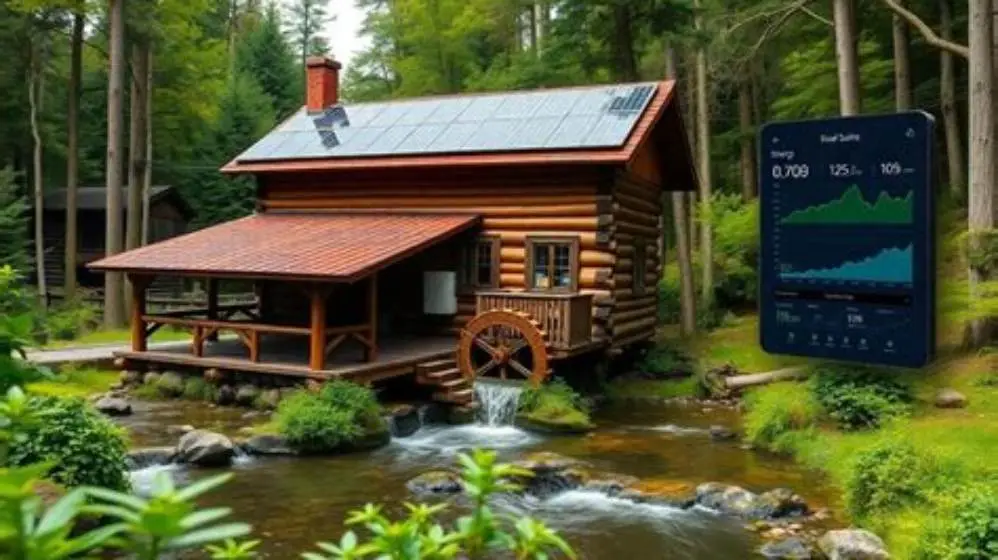
Biomass heating systems also vary in their carbon neutrality depending on fuel sourcing and combustion efficiency. For example, sustainably harvested wood pellets can have lifecycle carbon emissions as low as 20 to 30 grams of CO2 equivalent per kilowatt-hour of heat produced, significantly less than natural gas which averages around 200 grams. This range depends on factors like transportation distances and processing energy requirements. If that sounds like your situation, read up on micro hydro power for homes next.
In practice, biomass heating’s carbon savings can be compromised if fuel is sourced from non-sustainable forestry or if combustion is incomplete, leading to higher particulate emissions and lower efficiency. Therefore, certifications such as the Forest Stewardship Council (FSC) help ensure fuels come from responsible sources. Monitoring system performance with emissions and efficiency checks confirms optimal operation and environmental benefits.
How biomass heating systems operate
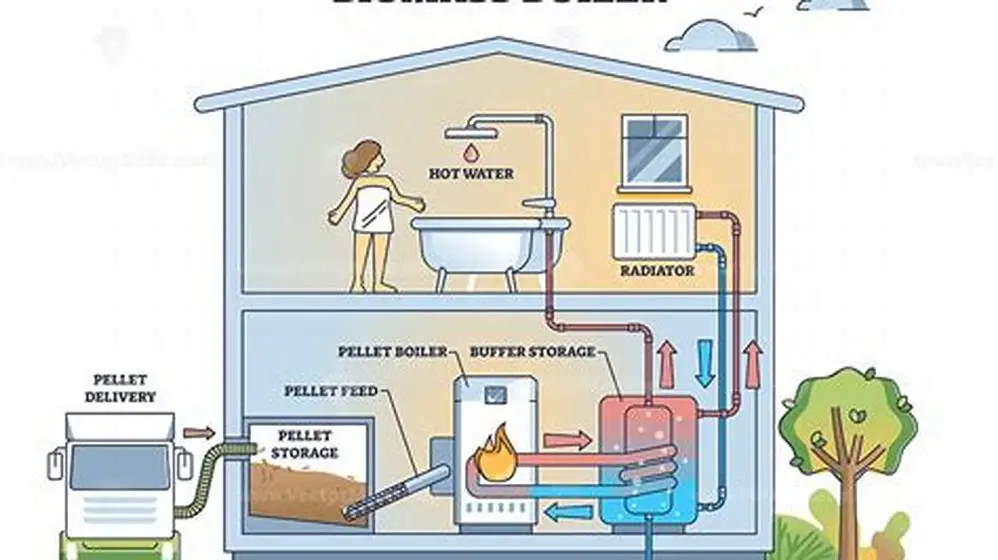
Biomass heating systems burn solid organic fuel in a boiler or stove to generate heat that is distributed around a home via water-filled radiators or underfloor heating circuits.
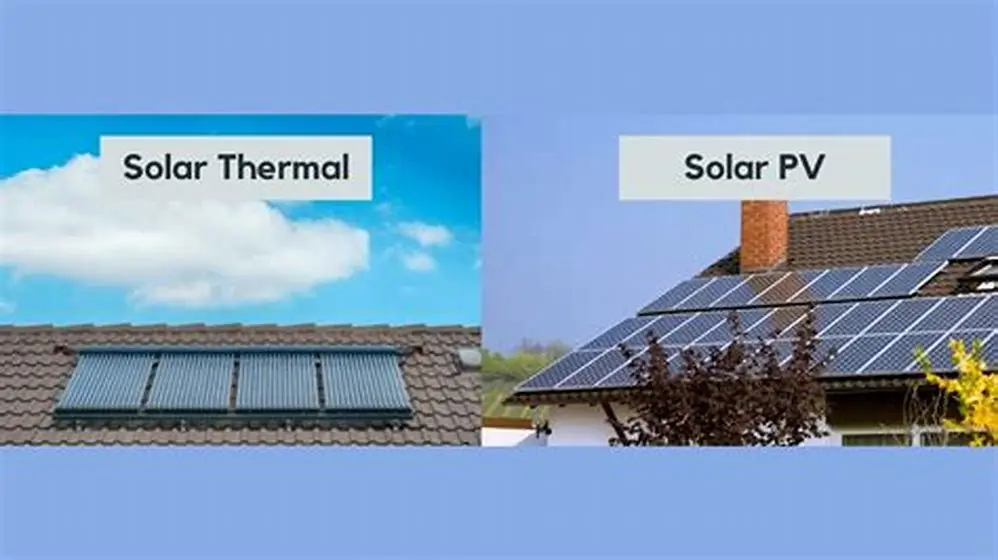
The combustion chamber in the biomass boiler reaches high temperatures (often above 600°C) to efficiently convert the fuel into heat energy. A controlled air supply ensures complete combustion, reducing harmful emissions. It helps to understand what is solar thermal before going further.
Automated feeders and ash removal mechanisms are common in modern biomass boilers, especially those using pellets or chips, to maintain steady operation with minimal user intervention.
Fuel is stored in a dry area, often requiring several cubic metres of space. The system usually includes a hopper or silo and a delivery auger or conveyor to transfer fuel to the boiler automatically.
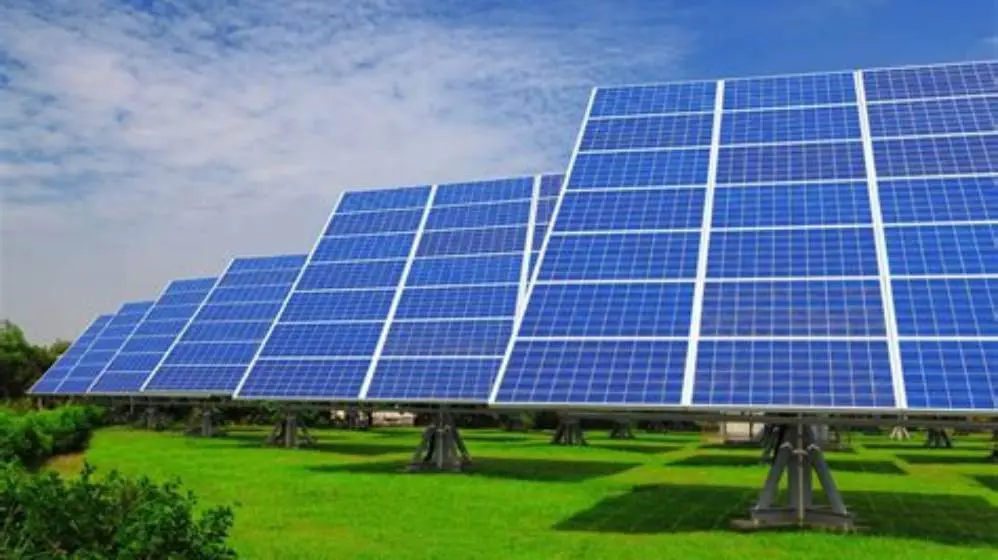
Combustion efficiency in biomass boilers typically ranges from 80% to 90%, with higher-end models achieving over 90%. This means that most of the fuel’s energy content converts to usable heat, but some energy is lost in exhaust gases and unburned fuel. Regular maintenance including cleaning heat exchanger surfaces and adjusting air supply is critical to maintain these efficiencies. There is more on solar pv explained in a separate guide.
A worked example: if a biomass boiler has an efficiency of 85% and burns wood pellets with an energy content of 5 kWh per kg, then each kilogram produces approximately 4.25 kWh of heat delivered to the home. For a home requiring 15,000 kWh of heat annually, about 3,530 kg of pellets would be needed, assuming consistent operation and fuel quality.
Common types of biomass heating systems in homes
There are mainly three types of biomass heating systems used in UK homes: biomass boilers, biomass stoves, and multi-fuel stoves. Each serves different heating needs and home sizes.
Biomass boilers resemble conventional gas or oil boilers but burn biomass fuel. They connect to the home’s heating system and supply hot water for radiators and domestic use. These boilers typically range from 10 kW to 50 kW capacity, suitable for single-family homes up to larger properties. There is more on ground source heat pump explained in a separate guide.
Biomass stoves burn logs or pellets directly to heat a single room or small spaces. Some models have back boilers that connect to the central heating system for whole-house heat distribution.
Multi-fuel stoves add flexibility by allowing the burning of biomass alongside coal or other solid fuels, though for greener credentials, biomass-only models are preferred.
In addition to size and fuel flexibility, biomass system choice depends on installation constraints. Biomass boilers require flues capable of handling particulate matter and condensate, often larger and more complex than gas boiler flues. In contrast, biomass stoves are simpler but suitable only for supplemental heat or smaller homes. The other half of this decision is using heat pumps in cold weather.
The output range of biomass boilers commonly sold for domestic use spans roughly 10 kW to 50 kW. Smaller stoves typically have outputs from 3 kW to 10 kW. Choosing the right capacity ensures efficient operation without excessive cycling or fuel waste. For example, a 12 kW boiler is well-suited for an average 150 square meter UK home with moderate heat loss.
| System type | Typical fuel | Heating capacity | Installation complexity | Best for |
|---|---|---|---|---|
| Biomass boiler | Pellets, chips, logs | 10-50 kW | High | Whole-home heating |
| Biomass stove | Logs or pellets | 3-10 kW | Medium | Single room or small homes |
| Multi-fuel stove | Pellets, coal, logs | 3-12 kW | Medium | Versatile fuel options |
How biomass heating differs from other renewable heating options
Biomass heating differs from heat pumps and solar thermal systems by generating heat from combustion rather than transferring or capturing heat from ambient sources.
Heat pumps extract heat from outside air, ground, or water, requiring electricity to run, while biomass heating relies on burning solid fuel. Solar thermal panels capture sunlight to warm water but only produce heat when the sun shines.
Unlike electric heat pumps, biomass heating offers consistent heat output regardless of outside temperature and can be a direct replacement for gas or oil boilers without extensive rewiring or heat distribution changes.
However, biomass systems require more fuel storage space and regular maintenance, such as ash removal and chimney sweeping, which heat pumps and solar thermal systems largely avoid.
Particulate emissions from biomass combustion vary depending on fuel type and burning conditions. Modern pellet boilers with automated controls emit particulates around 20 to 40 milligrams per cubic meter, meeting stringent UK air quality standards. In contrast, older or improperly maintained systems can emit much higher levels, creating local air quality issues.
Unlike heat pumps, biomass heating’s reliance on combustion means it produces ash residue: typically 0.5% to 1% of the fuel weight. This ash must be removed regularly to prevent blockages and maintain efficiency. Some advanced boilers include automatic ash extraction to simplify this task.
- Reliable heat output independent of weather
- Can replace existing boiler systems easily
- Uses renewable, often local fuel
- Needs room for fuel storage
- Requires regular maintenance
- Combustion emissions must be managed
How to decide if biomass heating suits your home
Key factors influencing biomass suitability include available fuel supply, storage space, home heating demand, and your willingness to perform or pay for routine maintenance.
If you have sufficient dry storage space (typically 2 to 4 cubic metres for pellets or more for chips) and access to sustainable biomass fuel, a biomass system can reduce your heating carbon footprint compared to fossil fuels.
Homes with existing radiator systems and an outdoor area for fuel delivery and storage are best suited. Biomass boilers can integrate with current heating setups, often with minimal changes needed.
Check local restrictions and emissions rules especially in urban areas, as biomass burning can produce particulates needing control.
Cost considerations also include fuel supply reliability. Wood pellet prices vary seasonally and regionally, typically ranging from £200 to £300 per tonne. Wood chips may cost less but require larger storage volumes and may have higher moisture content, reducing efficiency.
Another factor is installation complexity. Biomass boiler installations can take several days and may require strengthening floors or adding ventilation. Grants or subsidies like the UK Boiler Upgrade Scheme can offset costs but involve eligibility criteria such as property type and system efficiency.
Lifestyle factors such as willingness to monitor fuel levels, schedule deliveries, and perform minor maintenance affect suitability. Homes with limited storage or those desiring low-maintenance systems might find heat pumps more convenient despite potentially higher running costs.
What is biomass heating including system operation and types
Biomass heating means using organic solid fuels like wood pellets, chips or logs burned in boilers or stoves to heat UK homes. These systems produce hot water that circulates through radiators or underfloor heating.
Biomass heating fits into the renewable heating mix as a renewable, low-carbon alternative to gas or oil, providing stable heat output with proper fuel and system management.
Common systems include standalone biomass boilers serving whole homes, stoves heating single rooms, and multi-fuel stoves offering fuel flexibility. Biomass’s unique factor is the direct combustion of sustainable fuel, unlike heat pumps or solar.
To install biomass heating, you need a boiler sized to your home’s heat demand, a secure fuel storage area, and compliance with UK clean air and emissions regulations.
Biomass heating is a solid renewable option for UK homes with space and fuel access, balancing upfront effort for long-term carbon reduction.
Quick questions
Is biomass heating cheaper than gas or electric heating?
Biomass heating can be cheaper if you have access to low-cost sustainable fuel and space to store it. However, initial installation and maintenance costs may be higher than gas or electric options.
What maintenance does a biomass heating system require?
Regular ash removal, annual chimney sweeping, and servicing the boiler and fuel feed mechanisms are essential to maintain efficiency and prevent breakdowns.
Can biomass heating improve my home's EPC rating?
Yes, biomass heating is considered a renewable heat source, which can improve EPC ratings, especially when replacing fossil fuel boilers.
Are there grants available for biomass heating in the UK?
Schemes like the Boiler Upgrade Scheme may offer grants for biomass boiler installation, subject to eligibility and system specifications.
How much space do I need for biomass fuel storage?
Typically, pellet storage requires 2-4 cubic metres, while wood chip or logs need significantly more, so adequate dry, accessible space is necessary.