Three practical checks to diagnose and fix a rainwater downpipe blocked at the gutter outlet, reducing water damage and drainage costs.
A rainwater downpipe blocked at gutter outlet is usually caused by debris buildup or a collapsed joint. Clear debris first, then check for joint collapse. Prevent future blockages with a leaf catcher fitted at the gutter outlet.
On this page
- The short version
- How to identify a blocked rainwater downpipe at gutter outlet
- Check 1: Clearing debris from the gutter outlet to restore flow
- Check 2: Inspecting the downpipe filter for causing low pressure at gutter outlet
- Check 3: Assessing gutter guard impact on slow downpipe flow after leaf storms
- How rainwater ingress into basement relates to gutter outlet blockages
- Preventing future blockages with practical leaf catchers
- Questions people still ask
Part of our guide on identifying causes of low flow
| Common blockage cause | debris or joint collapse |
|---|---|
| Water flow test | above gutter outlet |
| Leaf catcher effect | reduces blockages |
| Downpipe pressure drop | due to filter clog |
| Gutter guard impact | slows flow after storms |
The short version
- Blockage usually from leaves or collapsed joints at outlet
- Check flow by running water above gutter outlet
- Leaf catchers reduce debris entry and maintenance
- Downpipe filters can reduce flow pressure if clogged
- Gutter guards may slow flow after leaf storms
How to identify a blocked rainwater downpipe at gutter outlet
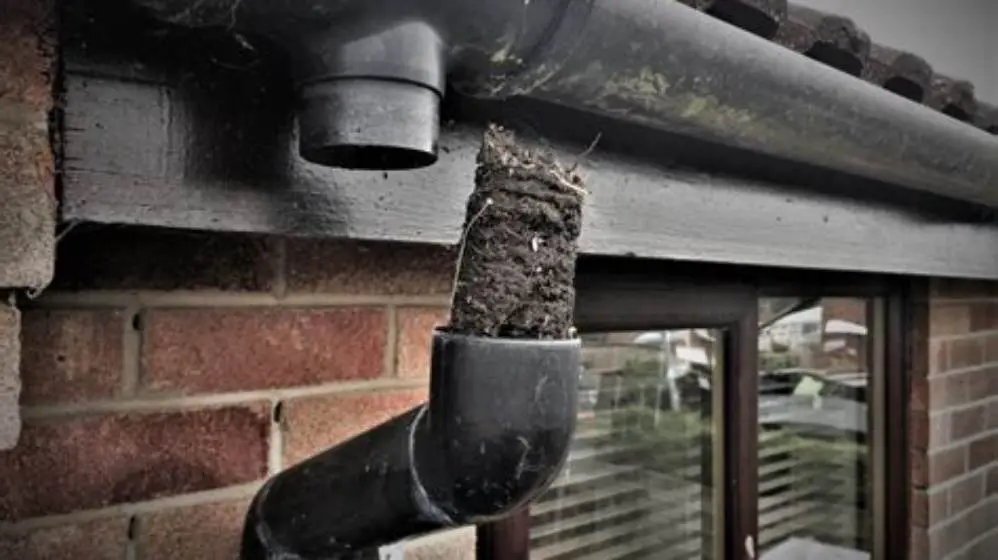
A rainwater downpipe blocked at gutter outlet most often shows itself as overflow at the lip of the gutter or water cascading down the wall beside the downpipe rather than inside it. Begin with a visual check from ground level: look for standing water at the outlet, damp staining on the wall beneath the joint, and leaf or twig build-up around the opening. If you can see water pooling, the restriction is at or very near the outlet; if the outlet looks clear but the waterfall continues, the blockage may be inside the downpipe lower down.
Perform a simple dynamic test: pour a measured bucket of water into the gutter above the outlet and observe the speed and behaviour of the discharge. Don’t use a numeric flow figure here; instead judge qualitatively: the flow should run away steadily without hesitation. If water hesitates, bubbles up, or surges in fits, treat that as evidence of partial obstruction. Repeat the test with a faster pour to reproduce how the system behaves in heavy rain. Record whether the outlet clears when flow increases: intermittent clearing suggests small debris that shifts under pressure rather than a collapsed joint or rigid blockage.
Look for signs of a collapsed or misaligned joint visually and by touch. Visually, check for gaps, buckling, crushed sections, or a change in the pipe’s roundness where it connects to the gutter. Run a gloved hand along the joint (from a safe position on a ladder; see safety notes below). A collapsed joint will feel soft, flattened or puckered, and may move under light pressure; a misaligned joint will show a step or gap between pieces. If the pipe rotates or the joint wiggles more than a centimetre where it should be rigid, assume structural failure rather than simple debris.
If you decide to access the outlet for clearing, follow ladder safety precautions: use a ladder rated for your weight, place it on firm level ground, and have a second person hold the base. Keep three points of contact while working and don’t overreach; move the ladder instead. Wear cut-resistant gloves and eye protection, and use a gutter scoop or a small trowel rather than your bare hands. If the outlet is above a fragile roof area, or the downpipe joint appears collapsed, stop and consult a qualified tradesperson to avoid causing further damage or creating a fall hazard. People in this spot often ask about fitting a rainwater diverter kit as well.
Check 1: Clearing debris from the gutter outlet to restore flow
The first step is to remove visible debris from the gutter outlet. Use a ladder to access the gutter safely, then clear leaves and dirt blocking the outlet opening. Debris can reduce flow area by 30-70% depending on buildup.
After clearing, flush the outlet with a hose or bucket of water. If water flows freely into the downpipe, debris was the cause. If flow remains slow, check for other issues like a collapsed joint or internal downpipe filter block.
Regular gutter cleaning every 6-12 months reduces debris risk. Installing a leaf catcher at the gutter outlet catches leaves before they enter the downpipe, reducing maintenance frequency and preventing major blockages. Leaf catchers usually have mesh sizes from 2-6 mm to block leaves but allow water flow. The other half of this decision is low pressure water pump for garden.
Removing debris at the gutter outlet can sometimes reveal hidden damage or deformation of the outlet itself. For example, gutter outlets made from plastic can crack or warp over time, causing irregular flow patterns and trapping debris in crevices. Inspect the outlet closely for cracks or crushed sections after debris removal.
If debris removal and flushing do not improve flow, use a flexible inspection camera or a small mirror on an extendable rod to look inside the downpipe entry. This can reveal if debris has compacted or if insects such as wasps have built nests obstructing flow. Such blockages often require specialized removal methods like jet washing or professional clearing.

Check 2: Inspecting the downpipe filter for causing low pressure at gutter outlet
Some downpipes have filters or strainers to prevent debris entry. Over time, these filters can clog with fine dirt or organic matter, causing low pressure and slow flow at the gutter outlet. This reduces drainage efficiency during heavy rain. There is more on testing toilet float mechanism in a separate guide.
To check, remove the filter if accessible. Flush it under running water to remove dirt. If the filter is damaged or irreparably clogged, replace it. Filters should allow at least 0.5 liters per second flow capacity at peak rain intensity.
If slow flow persists despite a clean filter, the blockage may be deeper in the downpipe or at joints. Testing water flow directly into the downpipe below the filter can help isolate the issue.
Check 3: Assessing gutter guard impact on slow downpipe flow after leaf storms
Gutter guards reduce debris in gutters but can cause slow downpipe flow if clogged with fine leaves or moss. After leaf storms, guards often retain debris on the top surface, partially blocking flow into the gutter outlet and downpipe. It helps to understand verifying shower flow rates before going further.
Inspect gutter guards for accumulated leaves or moss. Remove debris and flush guards with water. Guards with very fine mesh (<1 mm) restrict water flow and increase overflow risk. Mesh sizes between 2-5 mm balance debris exclusion and water flow better.
If frequent clogging occurs, consider upgrading to guards with larger mesh or adding a leaf catcher at the gutter outlet to reduce debris reaching the downpipe, improving flow.
How rainwater ingress into basement relates to gutter outlet blockages
Water pooling near basement walls after heavy rain often signals gutter outlet or downpipe blockages. Overflowing gutters dump rainwater directly beside foundations, increasing moisture ingress risk.
Blocked gutter outlets cause water to spill over instead of draining away. When soil grade is shallow or landscaping inadequate, water collects at basement walls, leading to damp or flooding inside.
Fixing gutter outlet blockages reduces rainwater ingress risk significantly. Also ensure ground slopes away from the building and waterproof basement walls for best results.
Water ingress risk increases exponentially when gutter outlet blockages coincide with poor landscaping. For example, if the soil around the basement has a slope less than 2%, rainwater will not drain away efficiently, compounding moisture problems. In such cases, even partial blockages can cause significant basement dampness.
A visible sign of prolonged gutter outlet blockage is staining or moss growth on basement walls directly below the gutter line. This indicates frequent water overflow and persistent moisture exposure. Monitoring wall conditions after heavy storms can help identify unresolved drainage issues before severe damage occurs.
Preventing future blockages with practical leaf catchers
A well-specified leaf catcher at the gutter outlet can reduce debris entering the downpipe by 70-90%, cutting clearing frequency and preventing blockages. Choose one with a robust frame and mesh size between 2-6 mm to allow fast water flow while trapping leaves.
Installation is often straightforward: fit the catcher inside or directly over the gutter outlet. Maintenance is minimal: remove trapped leaves every 3-6 months, especially after autumn.
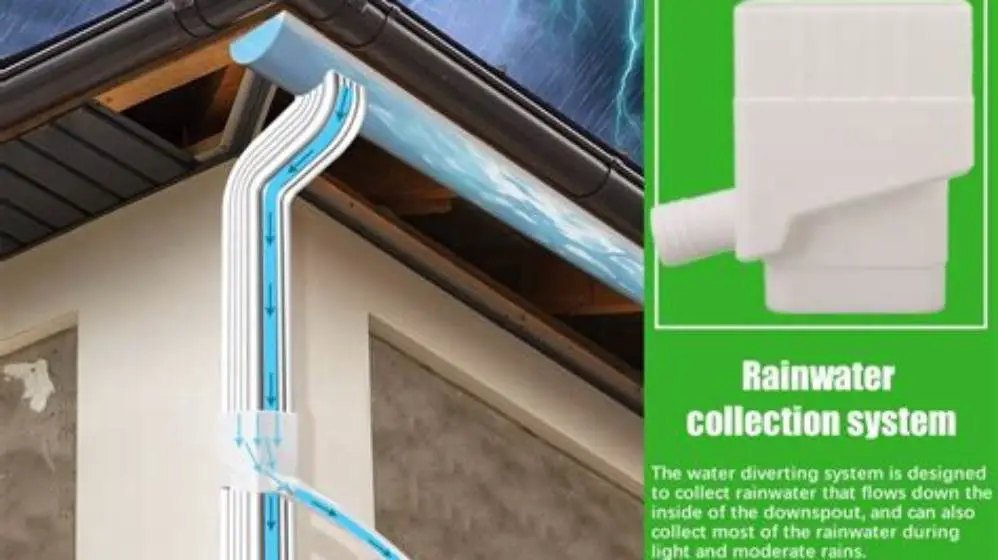
Leaf catchers also prevent downpipe filter clogging, improving rainwater harvesting quality if used. They pay back by reducing drainage maintenance costs and protecting building fabric.
Leaf catchers work best when combined with regular gutter inspections, especially before and after the autumn leaf fall peak. The effectiveness of leaf catchers varies with mesh size; for example, 2 mm mesh sizes trap over 90% of leaves but require more frequent cleaning to avoid clogging, whereas 6 mm mesh catches about 70% but allows faster water flow and less maintenance.
Installing a leaf catcher also helps protect rainwater harvesting systems by reducing the organic load entering storage tanks, which improves water quality and reduces filter maintenance downstream. This is particularly useful for households reliant on rainwater for irrigation or toilet flushing.
In some climates, leaf catchers can freeze or become blocked by ice during winter. In such cases, using a leaf catcher with a heated element or applying a de-icing solution during cold spells can maintain flow and prevent damage caused by ice buildup.
- significantly reduces debris entry
- low maintenance
- reduces basement water ingress risk
- requires periodic cleaning
- may need custom fit
- not 100% debris proof
Questions people still ask
How do I know if the blockage is at the gutter outlet or inside the downpipe?
Pour water into the gutter above the outlet. If water backs up or overflows at the outlet, blockage is near or at the outlet. If water flows freely there but drains slowly, blockage is likely inside the downpipe.
Can gutter guards cause downpipe blockages?
Yes, especially if the guard mesh is very fine or clogged with moss and leaves. They can slow water flow into gutters, causing overflow and downstream blockages.
How often should I clean leaf catchers and gutter outlets?
Clean leaf catchers and gutter outlets at least twice a year, more often after heavy leaf fall or storms, to maintain free drainage and prevent blockages.
What causes rainwater ingress into basements during heavy rain?
Blocked gutter outlets cause water to overflow near basement walls, increasing moisture ingress risk. Poor soil grading and lack of waterproofing also contribute.
Is a downpipe filter necessary, and how to maintain it?
Downpipe filters prevent debris entry but require regular cleaning. A clogged filter reduces water flow and drainage efficiency, so inspect and clean it at least annually.