Find the main causes why a low flow toilet keeps refilling and how simple tests on the float and valve can fix continuous running.
A low flow toilet usually keeps refilling because its float is misadjusted or the fill valve leaks. Testing the float adjustment and valve seal can identify the fault and stop continuous water use.
On this page
- The short version
- Why a low flow toilet keeps refilling after flushing
- How to test the float adjustment in a low flow toilet
- How to check for valve leaks causing continuous refill
- How to stop the toilet from running continuously after a flush
- Low flow toilet keeps refilling after flush: testing float and valve leak
- Common mistakes causing continuous refill and how to avoid them
- Questions people still ask
Part of our guide on high pressure low flow water pump
Discover exactly why your low flow toilet keeps refilling and how simple float and valve tests can fix costly water waste.
| Float height range | 3-4 inches below tank rim |
|---|---|
| Water level pressure | usually 20-30 psi |
| Typical fill valve lifespan | 5-7 years |
| Toilet flush volume | 1.28-1.6 gallons per flush |
| Average leak flow | 0.5-2 gallons per hour |
The short version
- Continuous refilling often stems from float misadjustment or valve leaks.
- Testing float height ensures the valve closes at the correct water level.
- Valve leaks are detected by observing water flow or dye testing.
- Replacing a faulty fill valve or flapper usually stops the issue.
- Simple DIY tests can avoid unnecessary water waste and bills.
Why a low flow toilet keeps refilling after flushing
Most low flow toilets rely on a fill valve and float system to control tank water level after flushing. The float rises with water until it reaches a set height, signaling the fill valve to close and stop refilling.
If the float is misadjusted too high or the fill valve fails to close tightly, water continues to flow into the tank even when it’s full. This causes the toilet to keep refilling after every flush, wasting water and increasing bills.
Another common cause is a leaking flapper at the tank’s bottom, which lets water drain slowly into the bowl. The fill valve then refills the tank continuously to maintain level. Low flow toilets are sensitive to small leaks because their fill volumes are smaller and pressures lower.
Testing the float adjustment and valve seal helps pinpoint the exact cause. Fixing this usually involves resetting the float or replacing the fill valve or flapper to stop water loss. If that sounds like your situation, read up on rainwater pump not switching off when tank full next.
How to test the float adjustment in a low flow toilet
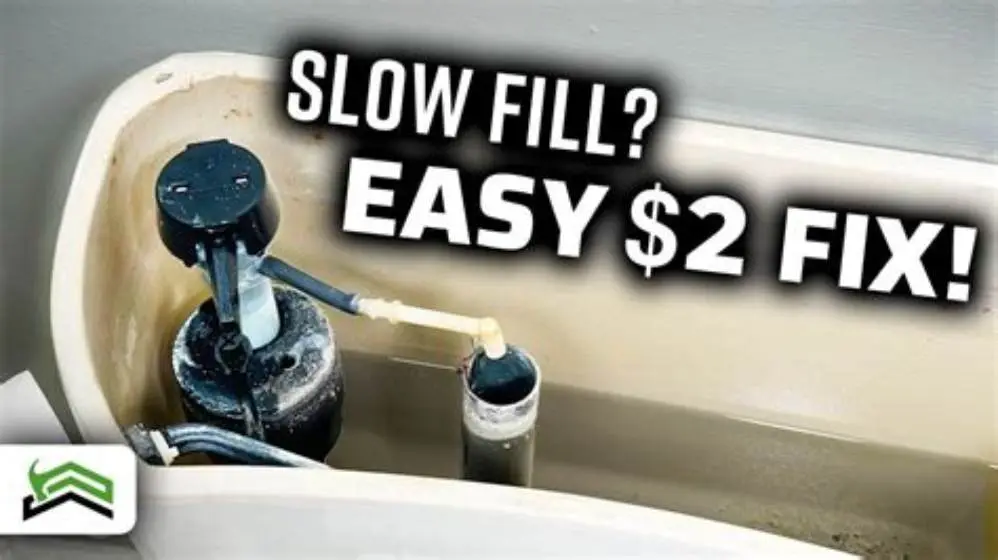
The float controls when the fill valve shuts off by rising with the water level. A misadjusted float that sits too high keeps the fill valve open longer than necessary, causing overfilling and continuous refilling.
To test the float adjustment, first remove the tank lid and flush the toilet. Observe where the water stops rising. It should be about three to four inches below the tank rim in a typical low flow toilet.
If water rises higher, the float may need to be lowered. Depending on the float type (ball or cylinder) you adjust it by bending the float arm or turning a screw on the fill valve stem. The other half of this decision is low pressure water pump for garden.
After adjustment, flush again to verify the water stops at the proper level and the fill valve closes fully. Repeat adjustments until the fill stops consistently at the correct level.
In some low flow toilets, the float adjustment mechanism may differ slightly, such as with a float cup design around the fill valve shaft instead of a traditional ball or cylinder float. Testing these requires gently sliding the float cup up or down along the shaft to change the shutoff water level. The correct position still keeps water about three to four inches below the tank rim, but check the manufacturer's guide to confirm the recommended level for your model.
If the water level remains too high despite adjustments, the float may be damaged or waterlogged. A waterlogged float sinks partially, failing to rise enough to close the valve. To test this, lift the float manually during refill; if the water stops, the float is functional but misadjusted. If it doesn't, replacing the float or fill valve assembly is necessary. For example, lowering the float by one inch can reduce fill volume by approximately 0.2 gallons, helping prevent continuous refill.
- Flush the toilet and watch the water level in the tank.
- Measure water height from tank bottom or note position relative to rim.
- Adjust float arm or screw to lower water stop point if too high.
- Flush again and confirm water stops refilling at new height.
- Repeat as needed to get consistent shutoff.

New Resources Group Toilet Leak Detection Dye Tablets (Detect Silent Leaks)
Detects silent toilet leaks with non-toxic blue dye tablets that color the water for easy leak identification.
How to check for valve leaks causing continuous refill
A fill valve leak means water slowly escapes past the valve seal, causing the valve to open repeatedly or stay partially open to refill the tank.
To check for leaks, listen closely for a faint trickle or hissing sound inside the tank after a flush. If the valve is leaking, water level will drop slightly over time.
Another test is to add a few drops of food coloring or a dye tablet to the tank water and wait 15-30 minutes without flushing. If color appears in the bowl, it indicates a leak past the flapper or valve seat.
Inspecting the fill valve for obvious cracks or mineral buildup can also reveal wear causing leaks. Low flow toilets often have plastic valves more prone to failure after several years.
A subtle valve leak can sometimes be missed if the water level drop is very slow. To confirm, mark the water level with a pencil or waterproof marker immediately after the tank refills. Check back after 30 minutes without flushing; any drop indicates a leak needing attention.
Another cause of valve leaks is when the refill tube is improperly inserted into the overflow pipe. If it extends too far down, it can siphon water continuously into the bowl, causing the tank to keep refilling. Ensure the refill tube ends just above the overflow pipe's top, typically about one inch, to prevent this.
A small worked example: if the valve leak causes a continuous flow of just 0.01 gallons per minute, this adds up to about 14.4 gallons per day, significantly increasing water usage and bills over time. Detecting and fixing such leaks can yield substantial water savings.
- Listen for faint water flow in tank after refill.
- Perform dye test to detect leaks past flapper or valve.
- Observe water level drop over 30 minutes.
- Check valve parts for mineral deposits or damage.
How to stop the toilet from running continuously after a flush
Stopping continuous running hinges on correcting the faulty part. If the float adjustment causes overfilling, simply lowering the float to the right level often solves the problem.
If the valve leaks, flushing won't stop it; the fill valve or flapper must be replaced. Replacement parts should match the toilet model and be compatible with low flow specifications.
Replacing the flapper is often the easiest fix. It seals the flush valve opening and prevents water from leaking continuously. Flappers come in different sizes and materials; pick one designed for low flow toilets to ensure a proper seal.
Fill valves wear out after 5-7 years, especially in hard water areas. Installing a new fill valve designed for low flow toilets restores proper float and valve action.
You will need basic tools like a wrench and possibly pliers. Turn off water supply before starting any replacements to avoid flooding.
- Turn off water supply to the toilet tank.
- Flush toilet to empty the tank.
- Remove and replace the faulty flapper or fill valve.
- Adjust float to correct height on new valve.
- Turn water back on and test flush to confirm fix.
Low flow toilet keeps refilling after flush: testing float and valve leak
When your low flow toilet keeps refilling after flush, test first for float misadjustment and then for valve leaks. These two causes cover most continuous running problems.
Start by observing the float height during refill. Adjust it to maintain water level 3-4 inches below the tank rim. Improper float setting is the simplest fix and the most common.
If adjusting the float does not stop the refill, perform a dye test to check for leaks past the flapper or fill valve.
Listen for sounds of water flow after refill stops. Persistent noise indicates valve leakage.
Replacing the faulty valve or flapper and resetting the float will stop water waste and reduce bills.
| Symptom | Test | Likely Cause | Recommended Fix |
|---|---|---|---|
| Water level too high | Measure water height after flush | Float misadjustment | Lower float to proper height |
| Water trickle sound | Listen after refill | Fill valve leak | Replace fill valve |
| Colored water in bowl | Dye test in tank | Flapper leak | Replace flapper |
| Water level drops over time | Observe tank water level | Valve leak or flapper leak | Replace faulty parts |
Common mistakes causing continuous refill and how to avoid them
A frequent mistake is assuming the fill valve is faulty without testing the float. Adjusting the float often solves the problem without part replacement.
Installing incompatible replacement parts can cause poor seals or incorrect water levels. Always check the toilet model and low flow specifications before buying.
Ignoring mineral buildup can cause valve leaks. Cleaning parts during maintenance helps extend their lifespan.
Failing to turn off the water supply before repairs risks flooding and damage.
Not confirming the fix by multiple flushes may lead to unresolved leaks continuing unnoticed.
- Do not skip float height test before buying parts.
- Use parts rated for your toilet’s flow rate and brand.
- Clean valve parts regularly to prevent mineral buildup.
- Always shut off water before repairs.
- Test fix over several flushes to ensure no leak remains.
Questions people still ask
Can a low flow toilet keep running if the fill valve isn’t leaking?
Yes. If the float is set too high or the refill tube is misplaced, the fill valve may remain open or cycle repeatedly even without leaks.
How often should fill valves be replaced in low flow toilets?
Typically every 5 to 7 years. Hard water conditions shorten lifespan due to mineral deposits causing valve leaks or sticking.
Is it safe to adjust the float without professional help?
Yes. Adjusting the float is a simple, low-risk task for most homeowners and can quickly fix continuous refill issues.
What causes the flapper to leak in low flow toilets?
Wear and tear, mineral buildup, and warping over time cause the flapper to lose its seal, allowing water to leak slowly into the bowl.
Can a refill tube cause continuous toilet running?
Yes. If the refill tube is inserted too far into the overflow tube, it can siphon water constantly, triggering the fill valve to run continuously.