Learn the correct psi settings for your water pressure tank and how to check and adjust them for efficient water pressure control.
Set your water pressure tank pre-charge to 2 psi below your pump’s cut-in pressure, usually around 28 psi if the cut-in is 30 psi. Cut-in and cut-out pressures typically range 30-50 psi. Adjust with a tire gauge and compressor.
On this page
- The short version
- What psi a water pressure tank should be pre-charged to
- Typical cut-in and cut-out pressure settings for residential tanks
- How to measure tank pressure with a tire gauge
- How to adjust the tank pressure if it is incorrect
- Why correct psi in your pressure tank matters for your home
- What psi should my water pressure tank be
- Questions people still ask
Part of our guide on identifying causes of low flow
| Pre-charge psi | 28 psi typical |
|---|---|
| Cut-in pressure | 30 psi typical |
| Cut-out pressure | 50 psi typical |
| Pressure gauge type | Tire gauge |
| Adjustment tool | Air compressor |
The short version
- Pre-charge psi is 2 psi below cut-in pressure
- Typical cut-in pressure is 30 psi, cut-out is 50 psi
- Use a tire gauge on the tank’s air valve to measure pre-charge
- Adjust pre-charge with an air compressor or pump
- Incorrect pressure causes pump short cycling or water shortages
What psi a water pressure tank should be pre-charged to
The pre-charge pressure of a water pressure tank should be set to about 2 psi below the pump’s cut-in pressure. Most residential systems have a cut-in pressure of 30 psi, so the tank’s pre-charge is usually set to 28 psi.
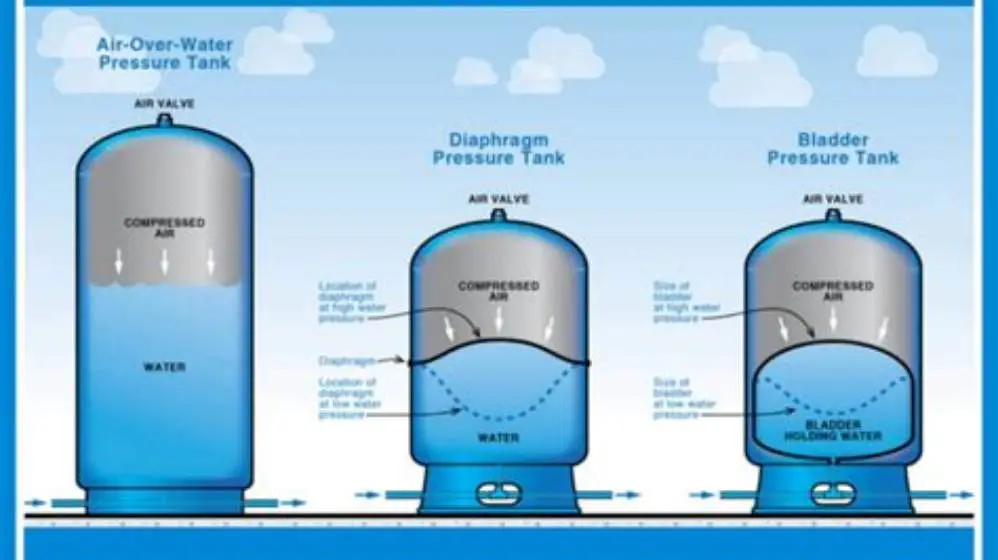
This pre-charge pressure holds the air cushion inside the tank, balancing the water pressure to reduce pump cycling and maintain steady delivery. Setting it too high or low causes poor system performance.
The exact pre-charge depends on your pump pressure switch setting. If your pump’s cut-in pressure is different, subtract 2 psi from that value to find your tank’s pre-charge.
The tank’s air valve, similar to a tyre valve, holds this pressure. You can check it with a tire gauge when the tank is empty of water and the pump is off. There is more on save water at home uk in a separate guide.
The pre-charge pressure can differ if your tank is larger or older. Larger tanks sometimes require a slightly higher pre-charge to maintain the air cushion effectively, ranging from 28 to 32 psi. Older tanks may lose air over time, meaning the pre-charge should be checked more often to keep the system working efficiently.
If you measure the pre-charge when the tank is full of water or the pump is running, the reading will be inaccurate. For example, if a tank’s actual pre-charge is 28 psi but the pump is running, the gauge might show 35 psi due to water pressure. Always measure when the tank is empty and pump is off.
Typical cut-in and cut-out pressure settings for residential tanks
Residential water pressure tanks usually operate between 30 psi cut-in and 50 psi cut-out settings. These values trigger the pump to start and stop. The other half of this decision is water pump garden low pressure.
The cut-in pressure is when the pump activates to refill the tank and system. Cut-out pressure is when the pump ceases after reaching the upper pressure limit.
Your system’s pressure switch controls these settings and may vary slightly, but the 30/50 psi range is standard for most UK homes.
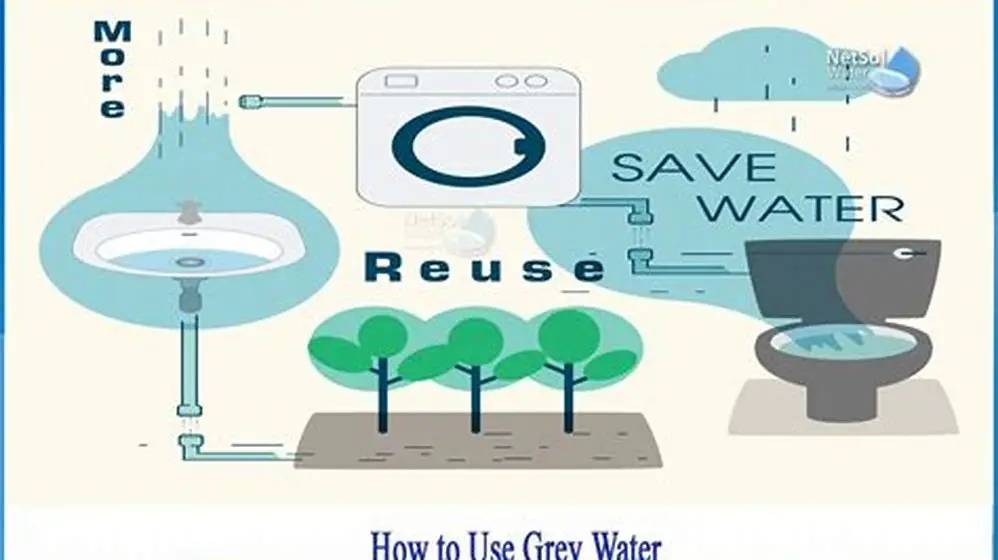
Lower settings reduce water pressure but cut pump run time, saving energy. Higher settings increase pressure but cause longer pump cycles and more wear. For the detail, see our notes on setting up greywater systems.
Some systems use different cut-in and cut-out pressures, such as 40/60 psi, for higher water pressure needs. In these cases, the tank pre-charge should be set to 38 psi to match the 2 psi below cut-in rule. This higher range suits homes with multiple bathrooms or irrigation systems.
If the pump cycles too frequently, check the pressure settings. A narrow pressure range, like 30/40 psi, causes more starts and stops, wearing out the pump faster. A wider range of 30/50 or 40/60 psi allows the pump to run longer between cycles, reducing wear.
| Setting | Typical psi range | Function |
|---|---|---|
| Cut-in pressure | 28-32 psi | Pump starts to pressurise tank |
| Cut-out pressure | 48-52 psi | Pump stops pumping water |

Low Pressure Tire Gauge - 1-20 PSI, 2-Pack Pencil Tire Pressure Gauge with
Measures low pressure accurately from 1 to 20 PSI, fitting Schrader valves for your water tank pressure check.
How to measure tank pressure with a tire gauge
Use a reliable tire pressure gauge to measure the air pressure in the tank’s air valve. This valve looks like a car tyre’s Schrader valve. It helps to understand verifying shower flow rates before going further.
First, turn off the pump and drain water from the tank to relieve water pressure. The tank must be empty of water to get an accurate air pressure reading.
Remove the valve cap and press the tire gauge firmly onto the valve. Read the psi displayed. This reading is your tank’s pre-charge pressure.
If the gauge shows a pressure higher or lower than the recommended pre-charge, you need to adjust the air pressure.
Pressure readings are best taken with a digital tire gauge for accuracy, especially when small differences matter. Analog gauges can have a 2-3 psi margin of error, which might hide an undercharged tank.
If your gauge reads zero or no pressure, the tank's air bladder might be ruptured or the valve damaged. In that case, the tank needs repair or replacement. Confirm by pressing the valve pin; if no air escapes, the bladder may be compromised.
- Turn off the pump and power supply
- Open a faucet to drain water pressure
- Remove valve cap and attach tire gauge
- Note the reading and compare with recommended psi
How to adjust the tank pressure if it is incorrect
If your tank’s pre-charge pressure does not match the recommended psi, adjust it using an air compressor or a manual pump.
To increase pressure, add air gently to the valve in small bursts. To decrease, press the valve pin briefly to release air until you reach the correct psi.
Make sure the tank is empty of water and the pump is off before adjusting to avoid incorrect readings or damage.
After adjustment, replace the valve cap and restore power to the pump. Monitor performance to ensure the pump cycles correctly and water pressure is stable.
Always avoid over-inflating the tank beyond the recommended pre-charge. Overcharging can compress the air cushion too much, causing the pump to cycle less but water pressure to fluctuate and risk waterlogging.
Check the pressure after adjustment by running the pump through a full cycle. The pressure should rise to the cut-out level without the pump short cycling. If the pump still cycles rapidly, recheck the pre-charge and pressure switch settings.
- Empty the tank fully and turn pump off
- Connect air compressor to tank valve and add air slowly
- Use tire gauge to check psi frequently during inflation
- Release air if over-pressurized by pressing valve pin
- Replace valve cap and turn pump back on
Why correct psi in your pressure tank matters for your home
Correct pre-charge and operating pressures prevent your pump from short cycling. Short cycling wastes energy and wears the pump prematurely.
An undercharged tank will cause rapid cycling and poor water pressure. Overcharged tanks can cause water supply issues and premature tank failure.
Maintaining the recommended psi improves your home’s water efficiency and lowers electricity bills associated with pumping.
If your tank pressure is off, your EPC rating and energy saving plans could be compromised by inefficient water and energy use.
What psi should my water pressure tank be
Your water pressure tank pre-charge should be set to 2 psi less than your pump's cut-in pressure, typically 28 psi if the cut-in is 30 psi.
Cut-in and cut-out pressures generally sit at 30-50 psi. These ensure smooth pump operation and steady water delivery.
Measure the pre-charge with a tire gauge on the tank’s air valve when the tank is empty and the pump is off.
Adjust these pressures using an air compressor or pump to maintain efficient water pressure and avoid pump damage.
Questions people still ask
How often should I check my water pressure tank psi?
You should check the tank’s psi annually or if you notice pump short cycling or low water pressure. Regular checks prevent system failure.
Can I use a regular tire pressure gauge for my water tank?
Yes, a standard tire pressure gauge fits the tank’s Schrader valve and provides an accurate reading if used with the pump off and tank drained.
What happens if the pre-charge pressure is set too low?
Low pre-charge causes the pump to cycle quickly, wasting energy and increasing wear. It can also cause water delivery issues.
Is the cut-in pressure adjustable on all systems?
Most pressure switches allow adjustment, but check your specific model’s manual. Adjusting cut-in/out changes system pressure ranges.
Do all UK homes use the same pressure tank settings?
Settings depend on pump and system design, but the 30 psi cut-in and 50 psi cut-out range is common in UK residential setups.