A heat pump volumiser is usually a hydraulic expansion vessel on the sealed heating circuit. It absorbs the extra volume created when system water heats, helping prevent pressure faults. The term volumiser is used inconsistently, so check whether your installer means a hydraulic expansion vessel, a buffer vessel, or a refrigerant-side vessel.
On this page
Part of our guide on optimizing home heating costs
Quick facts
- Usual meaning
- A hydraulic expansion vessel on the sealed heating circuit
- Correct precharge
- Use the value on the vessel label or commissioning paperwork
- Normal operating pressure
- Depends on refrigerant, circuit design, height and manufacturer settings
- Main purpose
- Accommodates fluid expansion and limits pressure changes
- Correct size
- Calculated from circuit volume, temperature range and design pressure
Quick recap
- A hydraulic expansion vessel accommodates water expansion in the secondary heating circuit.
- A refrigerant-side expansion vessel is less common and must match the refrigerant circuit design.
- Placement depends on the heat pump layout, not simply whether it is air source or ground source.
- Operating pressure and precharge depend on the equipment and design. Use the vessel label and commissioning documents.
- A certified engineer should test or replace a vessel connected to a refrigerant circuit.
Check what your installer means by volumiser
A volumiser is not a single, universally defined heat pump component. Installers sometimes use the word for an expansion vessel, while others use it for a hydraulic volume or buffer vessel. Ask which component your system contains before ordering a replacement.
A hydraulic expansion vessel has a diaphragm or bladder. One side connects to the sealed water circuit, while the other contains gas. As heating water expands, it moves the diaphragm and compresses the gas. The vessel gives the extra water volume somewhere to go.
Industry documents more often use terms such as expansion vessel and expansion equipment. BS EN 12828 covers water-based heating-system design, while manufacturer manuals define the components used with particular heat pumps. Your manual and commissioning paperwork take priority over a generic description.
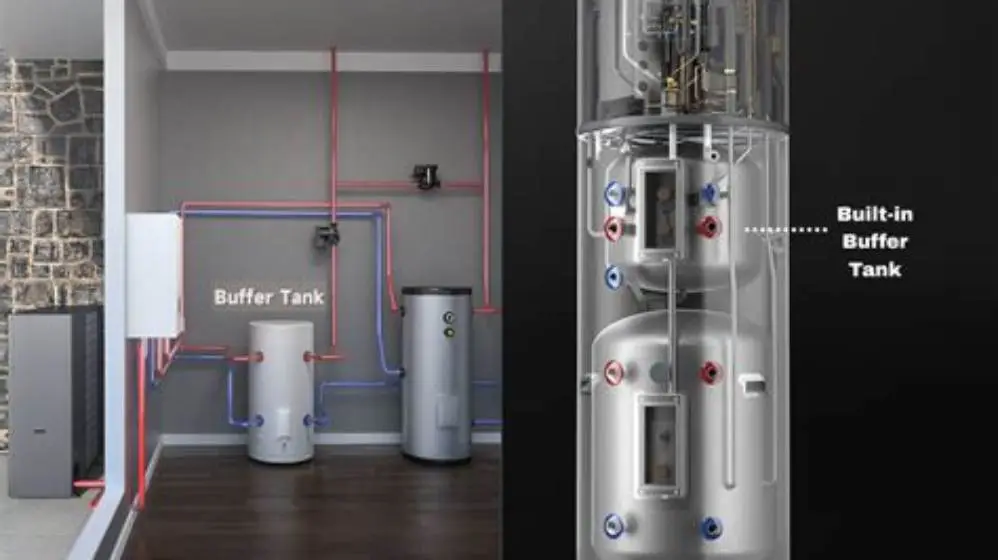
A buffer vessel has a different job. It adds water volume to the heating circuit and can help manage flow, cycling or several heating zones. It is not automatically an expansion vessel, even when both are installed near the heat pump. If that sounds like your situation, read up on planning consent for heat pumps uk next.
Identify the circuit it serves
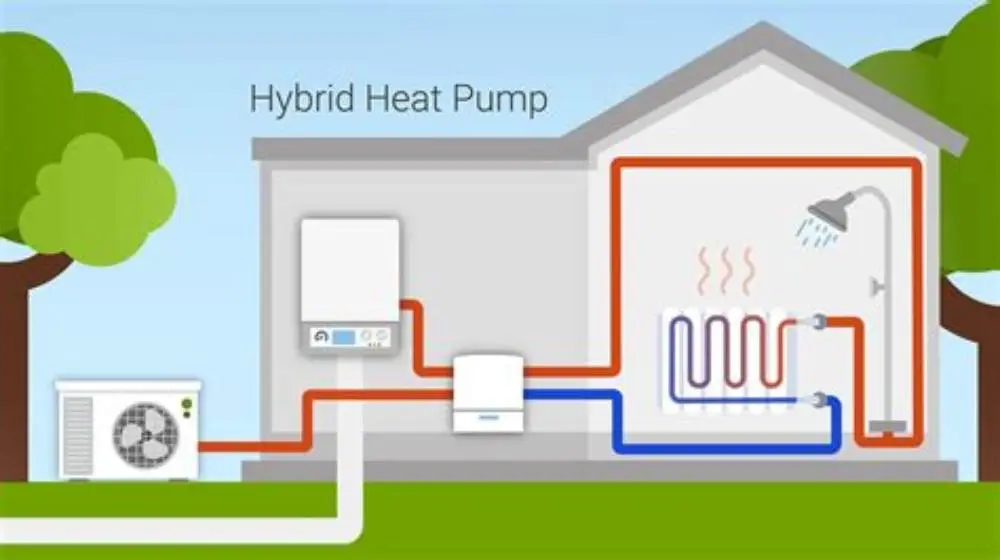
Most domestic systems have a refrigerant circuit and a secondary hydraulic circuit. The refrigerant circuit carries refrigerant between the compressor, heat exchangers and expansion device. The hydraulic circuit carries heating water to radiators, underfloor heating or a hot-water cylinder.
A hydraulic expansion vessel normally sits on the sealed water circuit. It is often close to the hydraulic module, heat pump cylinder, primary pump or heating manifold. The exact position depends on where the installer places the pressure relief valve, pump and connection point.
Air-source systems often place the vessel inside the indoor hydraulic unit or beside it. Some installations have a separate vessel near a buffer tank or manifold. Ground-source systems use the same hydraulic principle, but the vessel may sit near the indoor unit, ground-loop interface or a separate glycol circuit. The other half of this decision is choosing buffer tanks for radiator systems.
A ground loop can have its own expansion equipment. That vessel serves the brine or glycol loop, not necessarily the building's heating water. Check the pipe labels and schematic before testing anything.
Refrigerant-side expansion vessels do exist, but the term is less common in domestic heat pump descriptions. Some larger or specialist systems use one to manage refrigerant volume during temperature changes. Never assume a vessel on copper pipework contains refrigerant. A qualified engineer must identify the circuit.
- Accommodates expansion in a sealed water circuit
- Helps limit nuisance pressure relief-valve discharge
- Supports stable operation when correctly sized and charged
See how the vessel controls expansion
Water expands as it warms. A sealed heating circuit cannot safely absorb that extra volume through rigid pipework alone. The expansion vessel provides a compressible gas space for the change. It helps to understand UK biomass boiler grant eligibility before going further.
The vessel's gas precharge is set for the system design. Precharge values depend on system design and manufacturer specs. The commissioning paperwork or vessel labelling gives the correct value. A technician sets precharge relative to the circuit's minimum pressure.
Circuit operating pressures depend on refrigerant and design; check the system's nameplate or manufacturer documentation for normal pressure ranges. Hydraulic pressure also depends on system height, water temperature, fill pressure and vessel size. Do not apply a pressure figure from another heat pump to yours.
The vessel dampens pressure swings. In some designs, this prevents large transient rises that could trigger high-pressure cutouts. It does not set the refrigerant pressure and it cannot correct a blocked filter, poor flow, incorrect charge or failed pump. We cover electrical causes of led flickering in its own article.
Lifespan depends on material and service conditions; diaphragms can last many years but should be checked periodically and replaced when precharge loss or failure is detected. The vessel is passive, but its gas charge and diaphragm still need inspection.
Check the signs without guessing
A common symptom is a high-pressure safety cutout. Exact trip pressures are defined by the manufacturer's controls. Check the system manual or service data.
Refer to the manufacturer's fault-code table in the manual; labels vary by maker. A high-pressure fault can have several causes, including poor water flow, dirty strainers, closed valves, incorrect refrigerant charge or sensor faults. Do not blame the vessel from one code alone.
A hydraulic vessel problem can cause pressure to rise when the system heats, then fall sharply as it cools. The pressure relief valve may discharge water, or the filling loop may need repeated use. Those signs need investigation rather than repeated topping up.
Compare measured precharge to the value on the vessel label or commissioning paperwork. Replacement is required if precharge has fallen significantly below the specified value or the diaphragm has failed. A technician must isolate and depressurise the correct side before taking this measurement.
Do not press the valve on a vessel connected to an unknown circuit. Refrigerant, glycol and heating water need different equipment and procedures. Stop and call an engineer if you cannot identify the pipework.
- Read the heat pump manual and locate the system schematic
- Find the vessel label, rating plate and commissioning value
- Ask a qualified engineer to isolate the vessel and check precharge
- Compare the measured value with the specified value
- Request a written diagnosis if the pressure, diaphragm or vessel rating is incorrect
Replace the correct vessel safely
Replace a vessel when its diaphragm has failed, its gas charge cannot be restored, or its rating and size do not suit the system. A replacement must match the circuit, fluid, temperature range, connection and design pressure. A similar-looking vessel is not necessarily suitable.
Replacement can involve draining or isolating the hydraulic circuit. A refrigerant-side vessel requires refrigerant recovery, circuit evacuation and recharging by an engineer authorised for the relevant work. UK F-Gas rules apply to work on fluorinated refrigerants, while other refrigerants have separate safety and competence requirements.
Typical replacement can often be completed within a few hours, but time and cost vary. Get a written quote from a certified engineer. Compressor replacement can be a major expense; check quotes from local certified engineers. Replacement can be substantially cheaper than compressor replacement; ask local engineers for quotes.
Check your specific warranty paperwork or contact the installer/manufacturer to confirm coverage. Keep the replacement specification, pressure test and commissioning record with the system documents.
Ask for the right service checks
Ask for a volumiser precharge check during annual service. It is typically quick, but confirm with your service provider whether it's included. The engineer should record the measured value, specified value and any signs of water at the gas valve.
A service should also check system pressure, the pressure relief discharge pipe, isolation valves, filters, pumps and flow rates. A pressure fault often has more than one possible cause. These checks help prevent an unnecessary vessel replacement.
Older systems should be inspected carefully; age alone doesn't determine condition. Rely on pressure checks and inspection. A vessel that still holds its specified precharge may not need replacement, regardless of its age.
Do not repeatedly refill a system after a pressure drop. Repeated filling introduces fresh water and can hide a leak or failed vessel. Arrange an inspection if pressure changes continue.
Quick questions
Can I replace a heat pump volumiser myself?
Do not replace one yourself if it connects to the refrigerant circuit. Refrigerant recovery and charging require appropriate competence, equipment and legal compliance. A hydraulic vessel still requires isolation, depressurisation and correct precharge, so use a qualified heating engineer.
What size volumiser do I need?
The required size comes from total circuit volume, temperature range, minimum pressure and maximum working pressure. Use the manufacturer calculation or commissioning documents. Do not select a replacement by appearance or by copying a generic litre range.
Where is a volumiser fitted?
A hydraulic expansion vessel is commonly near the indoor hydraulic unit, buffer vessel, pump or manifold. Air-source and ground-source layouts differ. A ground loop may have separate expansion equipment for its glycol circuit. Check the schematic and pipe labels.
Can a failed vessel stop a heat pump?
Yes, indirectly. A failed hydraulic vessel can cause pressure faults or discharge through the relief valve. A refrigerant-side fault can contribute to safety cutouts. Other faults can create similar symptoms, so an engineer should test the vessel and the rest of the circuit.
Is a volumiser covered under the Boiler Upgrade Scheme grant?
Check the current Boiler Upgrade Scheme guidance or contact the grant administrator. Eligibility depends on the specific claim and installation scope. Treating a later replacement as grant-funded maintenance is not safe without confirmation.