Assess when MVHR systems justify their cost, including heating, cooling, and decentralized options for healthy airtight homes.
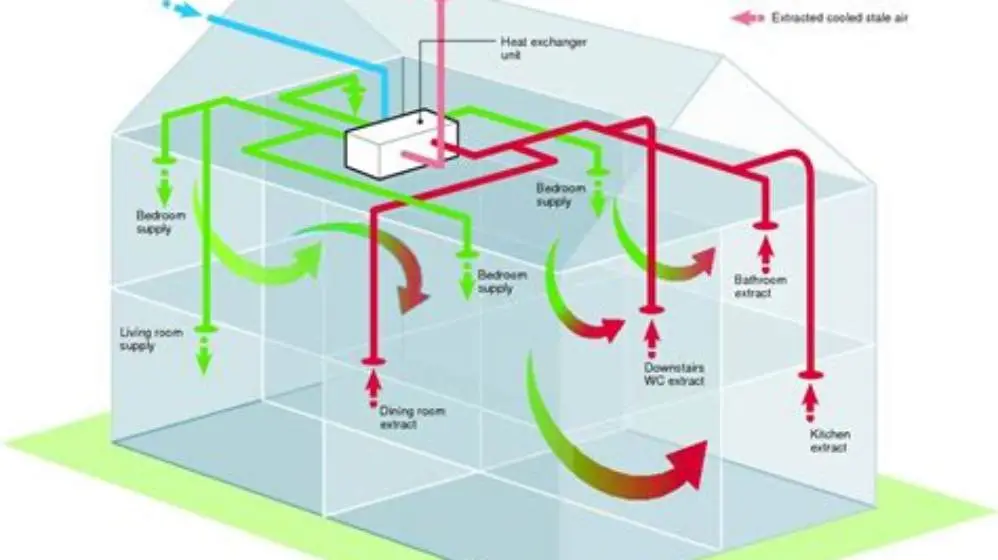
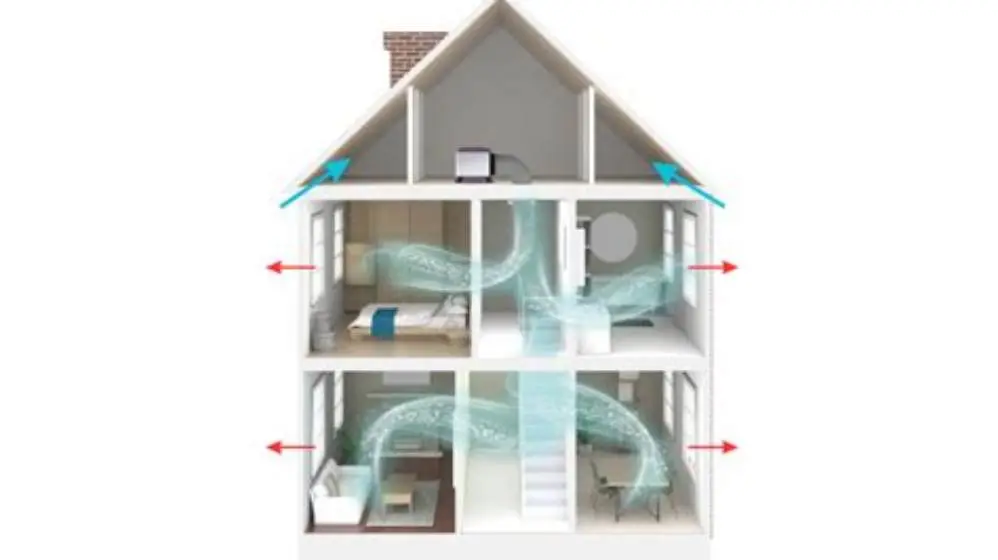
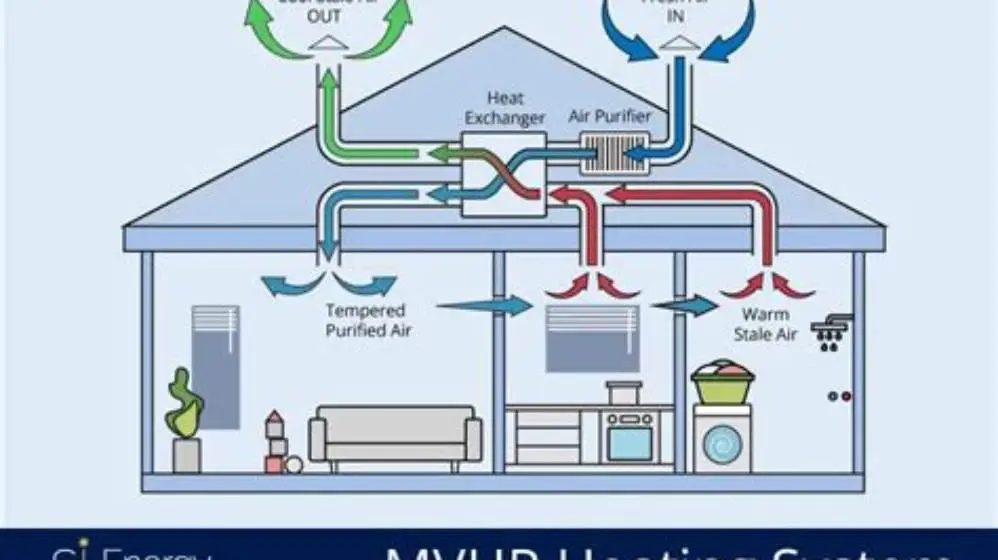
MVHR systems are worth it when your home is airtight enough to trap heat, typically under 10 air changes per hour, and when you want to cut ventilation heat loss. Their heating can supplement but usually not replace main heating. Cooling modules add value mainly in warmer climates or homes prone to overheating. Decentralized MVHR units work well for wet rooms or single rooms but are usually less efficient overall.
On this page
- The short version
- When MVHR systems pay off in airtight homes
- Can MVHR heat a house effectively?
- Is an MVHR unit with a cooling module worth the extra cost?
- Are decentralized MVHR units worth it for single rooms with wet rooms?
- How to maintain MVHR systems for lasting value
- Are MVHR systems worth it: weighing benefits and costs
- Questions people still ask
Part of our guide on how mvhr units function
Gain a practical, evidence-based assessment of when MVHR systems save energy, provide heating, and justify cooling and decentralised modules.
| Typical heat recovery | 60-80% |
|---|---|
| Airtightness needed | <10 ACH |
| MVHR heating capacity | Usually <15 kW |
| Cooling module payback | Depends on climate |
| Decentralized MVHR efficiency | Lower than whole-house |
The short version
- MVHR is cost-effective in airtight homes with airtightness under 10 ACH
- MVHR can recover 60-80% of heat from outgoing air but doesn't fully heat homes
- Cooling modules add value mainly in warm or overheating-prone homes
- Decentralized MVHR suits wet rooms but less efficient than whole-house systems
- Proper filter maintenance is vital to maintain efficiency and air quality
When MVHR systems pay off in airtight homes
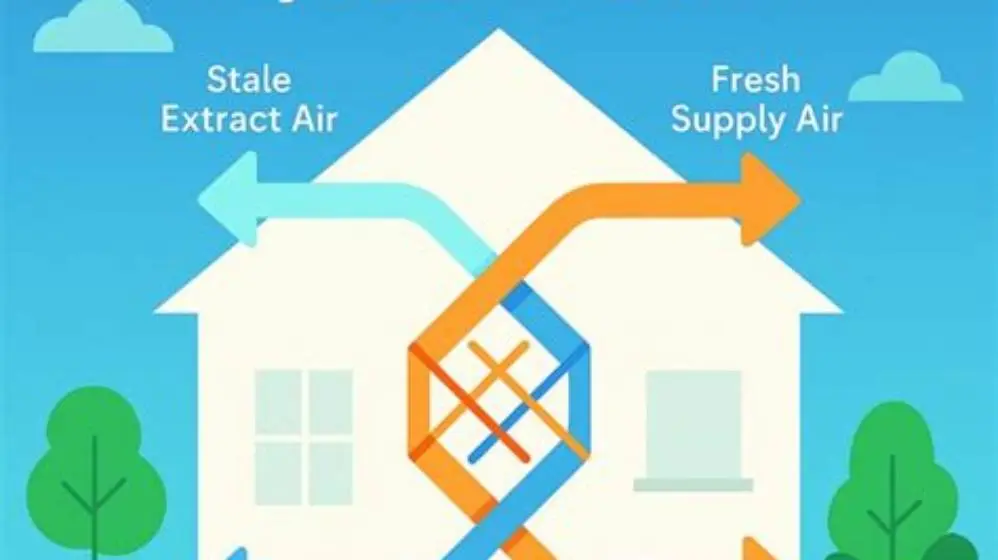
MVHR systems become cost-effective primarily when your home maintains an airtightness level below 10 air changes per hour (ACH). This airtightness traps heat, allowing the system to recover and reuse warmth from stale air vented outside. Homes leaking more air lose so much heat that MVHR's heat recovery won’t compensate for the extra ventilation demand.
Usually, MVHR units recover between 60-80% of the heat in extracted air under typical operation conditions. This percentage depends on the specific unit quality and installation, and whether filters are clean and ducts well insulated. MVHR reduces heating bills by lowering the need to warm fresh incoming air, cutting losses from traditional ventilation.
If your house is drafty or only moderately airtight, the cost of installing an MVHR can outweigh savings. Here, you might see less than 10% heating energy saved, making it hard to justify the upfront and running costs. Instead, improving airtightness with sealing and insulation is a better first step.

Minneapolis Blower Doors DUCT-KIT-001 Duct Blaster® System (with DG-1000)
Measures airtightness with air flow from 10 to 1,500 CFM, suitable for blower door testing to determine if MVHR systems are worth it.
Can MVHR heat a house effectively?
MVHR units do not replace a central heating system. Their integrated heating capacity is usually under 15 kW, designed primarily to preheat incoming air rather than provide full space heating. This capacity depends on the unit and whether it has a built-in electric or water heater module. If that sounds like your situation, read up on mvhr and piv condensation prevention next.
The heat recovered from extracted air is transferred to incoming fresh air, raising its temperature by about 10-15°C in cold weather. This reduces heating load but cannot sustain comfortable room temperatures alone when outdoor temperatures fall below freezing.
If you expect MVHR to heat your entire home, you risk undersized heating and uncomfortable conditions. For very airtight homes, MVHR can handle ventilation heat loss, but a separate heating system sized for design conditions remains essential.
Is an MVHR unit with a cooling module worth the extra cost?
Cooling modules integrated with MVHR systems add the ability to reduce incoming air temperature, typically by 3-6°C, using either passive or active means. This feature is valuable in warmer climates or homes that experience overheating during summer months. For the detail, see our notes on where to buy vent axia mvhr filters.
The value depends heavily on local climate and building design. In temperate zones with limited overheating, the extra cost and electricity usage of cooling modules may not justify their installation. Conversely, in warmer or mixed climates, they can improve comfort and reduce air conditioning bills.
Consider that cooling modules increase system complexity, maintenance requirements, and initial cost by roughly 20-30%. You must weigh if your home’s overheating risk and energy savings offset these additional burdens.
- Improves summer comfort
- Reduces AC usage
- Maintains ventilation benefits
- Increases installation cost
- Requires extra maintenance
- Limited effect in cool climates
Are decentralized MVHR units worth it for single rooms with wet rooms?
Decentralized MVHR units serve individual rooms, often used in wet rooms like bathrooms or small kitchens. They combine extraction and supply ventilation with heat recovery localized for one zone rather than whole-house ventilation. For the detail, see our notes on ensuring energy-efficient ventilation.
These units typically recover around 50-70% of heat from extracted air, somewhat lower than whole-house MVHR systems, because duct losses and balancing are less efficient in small-scale setups. Still, they prevent moisture buildup and heat loss in wet rooms effectively.
Installing decentralized systems can be cheaper and easier in retrofits where whole-house ducting isn’t feasible. However, they don't offer coordinated ventilation control or balanced airflows across the home, which can reduce overall indoor air quality.
If you want to maintain or improve airtightness and air quality specifically in wet rooms without major renovations, decentralized MVHR could be worthwhile. Otherwise, a whole-house system often performs better overall. There is more on improving indoor air quality in a separate guide.
How to maintain MVHR systems for lasting value
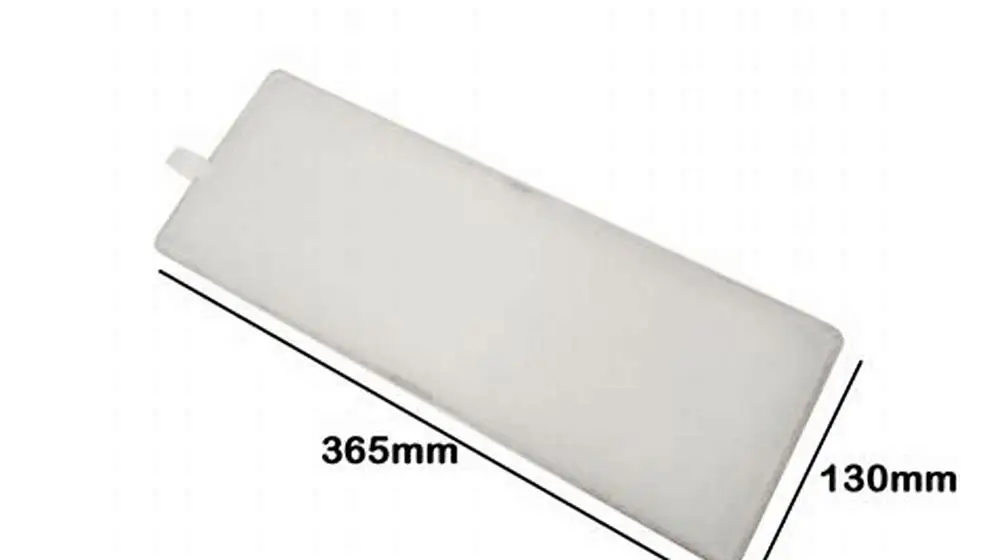
Performance depends on regular filter changes, which should happen every 3-6 months depending on local air quality and system use. Dirty filters lower heat recovery efficiency and reduce airflow, risking indoor pollution buildup.
Ductwork needs periodic cleaning, typically every 3-5 years, to prevent dust accumulation that impedes airflow and compromises air quality. Insulation on ducts should remain intact to avoid heat losses that cut system effectiveness.
System fans must be kept in good condition; noisy or struggling fans indicate maintenance or replacement needs. Failure to maintain fans lowers system efficiency and can raise operating costs. We go through condensation and black mould on walls how to stop it step by step elsewhere on the site.
Scheduling annual inspections by a qualified technician ensures components function correctly, maintaining efficiency and indoor air quality over the MVHR system’s 15-20 year expected lifespan.
- Filter changes: every 3-6 months
- Duct cleaning: every 3-5 years
- Fan checks: annually or if noisy
- Insulation integrity: inspect regularly
Are MVHR systems worth it: weighing benefits and costs
MVHR systems are worth it if your home is airtight (under 10 ACH), you want to cut heating losses via ventilation, and you can maintain the system properly. The heat recovery cuts ventilation energy use by 60-80%, lowering bills and carbon emissions.
They do not replace heating but complement it by reducing fresh air heating demand. Adding cooling modules suits warmer climates but adds complexity and cost. Decentralized units provide good localized moisture control but lack whole-home balance.
Your decision should start with an airtightness test and an estimate of ventilation heat loss. If heat loss via ventilation exceeds 15-20% of total heat demand, MVHR is often justified. If less, simpler ventilation or improving airtightness may pay off more.
Budget for installation, electricity use, and ongoing filter and maintenance costs. The best returns come from combining MVHR with other efficiency upgrades like insulation and draft-proofing.
| System Type | Heat Recovery Efficiency | Installation Complexity | Typical Use Case |
|---|---|---|---|
| Whole-house MVHR | 60-80% | High | New build or airtight retrofit |
| MVHR with cooling module | 60-80% | Higher | Warm climate or overheating risk |
| Decentralized MVHR | 50-70% | Low | Wet rooms or retrofit single rooms |
- Saves heating energy in airtight homes
- Improves indoor air quality and comfort
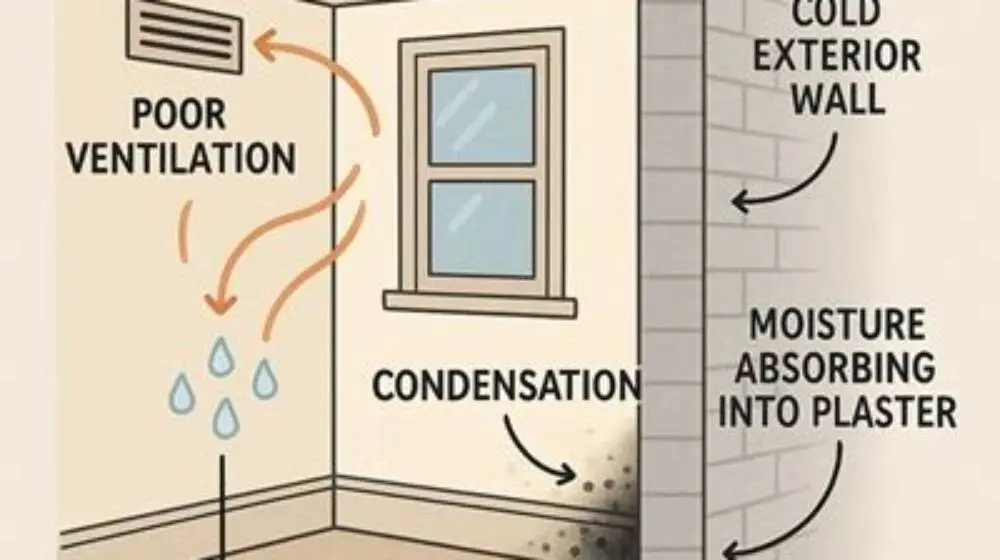
- Reduces condensation and mold risk
- High upfront and maintenance costs
- Limited heating capacity
- Cooling modules add complexity
MVHR systems pay off best in airtight homes with proper maintenance, offering substantial heat recovery but not full heating.
Questions people still ask
How can I check if my home is airtight enough for MVHR?
You need a blower door test, which measures air changes per hour (ACH). Homes below 10 ACH typically benefit from MVHR, while leakier homes do not. You can arrange this test through energy assessors or specialist retrofit companies.
Will MVHR reduce my heating bills significantly?
If your home is airtight, MVHR can cut ventilation heat loss by 60-80%, lowering heating demand. However, it supplements rather than replaces your main heating, so it reduces but does not eliminate heating bills.
Do cooling modules on MVHR systems save enough to be worthwhile?
Cooling modules help mainly in climates where summer overheating causes discomfort or high AC bills. If you live in a temperate zone without overheating, their benefits may not cover the added cost and maintenance.
Are decentralized MVHR units effective for improving air quality?
They improve ventilation and reduce moisture in targeted rooms, like bathrooms, but they don’t control whole-home airflows. For small-scale needs or retrofit wet rooms, they can be efficient and easier to install.
What is the most important maintenance for MVHR systems?
Regular filter replacement every 3-6 months is critical. Clean filters keep heat recovery efficient and maintain air quality. Neglecting this reduces system performance quickly.