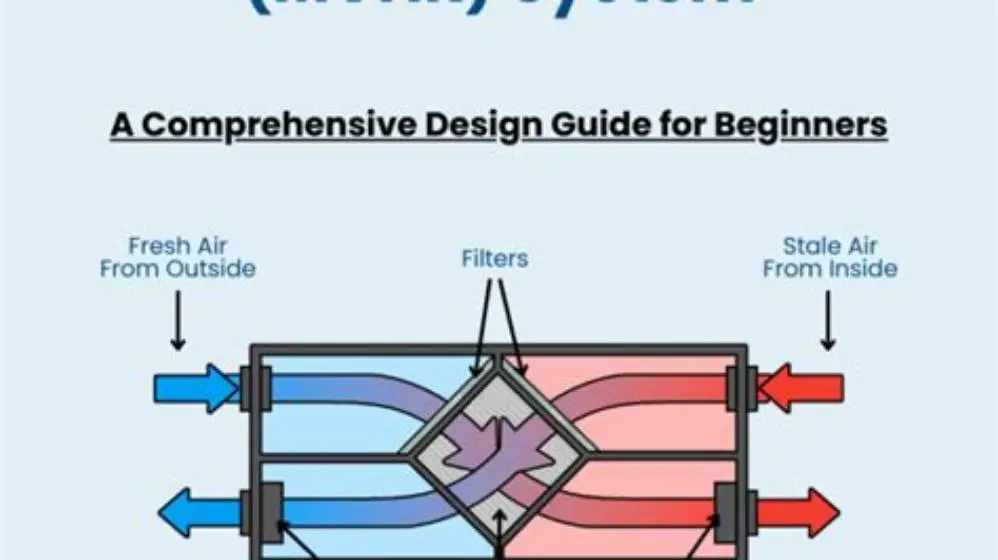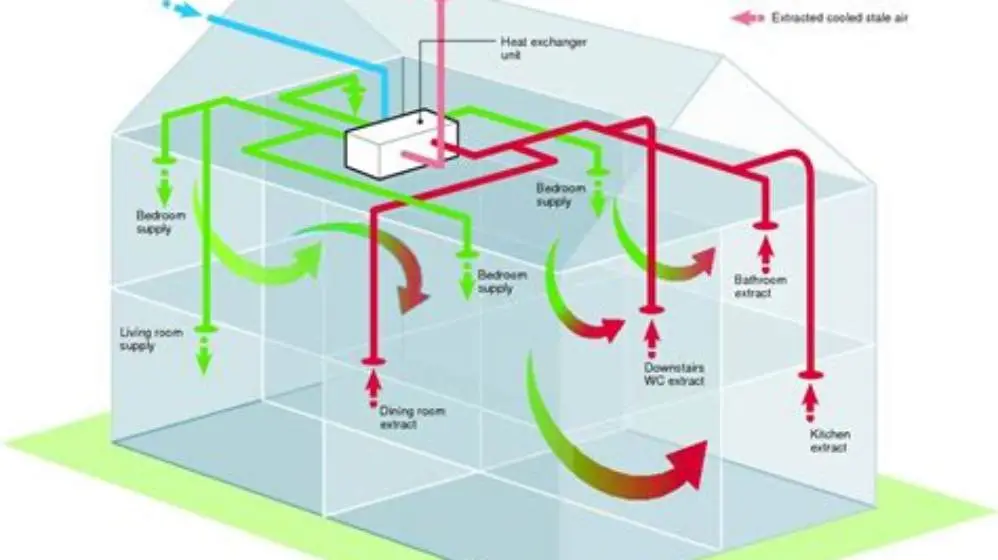
An MVHR unit works by extracting stale indoor air and supplying fresh outside air while recovering around 70-90% of the heat from the outgoing air. It keeps airtight homes ventilated efficiently, managing humidity and pollutants without heat loss.
On this page
Quick facts
- Heat recovery efficiency
- 70-90%
- Typical airflow rate
- 100-300
m³/h - Filter replacement interval
- 3-6 months
- Core pressure drop limit
- up to 200 Pa
- MVHR service frequency
- annually
Quick recap
- MVHR units exchange indoor and outdoor air while recovering 70-90% heat.
- Correct ventilation prevents moisture buildup and indoor pollutants.
- Fault codes often indicate filter blockages or fan issues.
- Measuring core pressure drop helps identify blockages or maintenance needs.
- Proper MVHR operation lowers energy bills and improves indoor air quality.
How does an MVHR unit work
An MVHR (Mechanical Ventilation with Heat Recovery) unit continuously replaces stale indoor air with fresh outdoor air while recovering heat from the outgoing air. Typically, the heat recovery core transfers between 70% and 90% of the thermal energy, depending on the model and conditions. This process keeps the home well ventilated without losing the warmth generated by heating systems.
The unit contains two fans: one extracts moist, polluted air from wet rooms like kitchens and bathrooms, while the other supplies filtered fresh air to living spaces and bedrooms. The heat exchanger core sits between these airstreams, transferring heat in winter and, in some models, reducing heat in summer to prevent overheating. It helps to understand healthy airtight home ventilation before going further.
Air filters on both supply and extract sides catch dust and pollen, requiring regular replacement every 3 to 6 months. Proper maintenance of these filters is crucial to keep airflow steady and maintain heat recovery efficiency.
MVHR ductwork is balanced to ensure roughly equal airflow volumes in and out, typically ranging from 100 to 300 cubic meters per hour (m³/h) depending on home size. Imbalanced flows or clogged ducts reduce efficiency and indoor air quality, potentially causing condensation and mold. People in this spot often ask about how ventilation affects heating load as well.
Is heat recovery ventilation worth it
Heat recovery ventilation is worth it if your home is airtight or well insulated. Without ventilation, airtight homes trap moisture and indoor pollutants, risking damp, mold, and poor air quality. An MVHR unit recovers up to 90% of heat from outgoing air, which can cut ventilation heat loss by about two-thirds compared to standard extract fans or opening windows.
The payback depends on the home's size, airtightness, and heating costs. In very leaky homes, a simple extractor fan might be cheaper upfront but less energy efficient. For homes built or retrofitted to 2010s standards or better, MVHR reduces heating demand and helps meet building regulations for indoor air quality and energy efficiency.
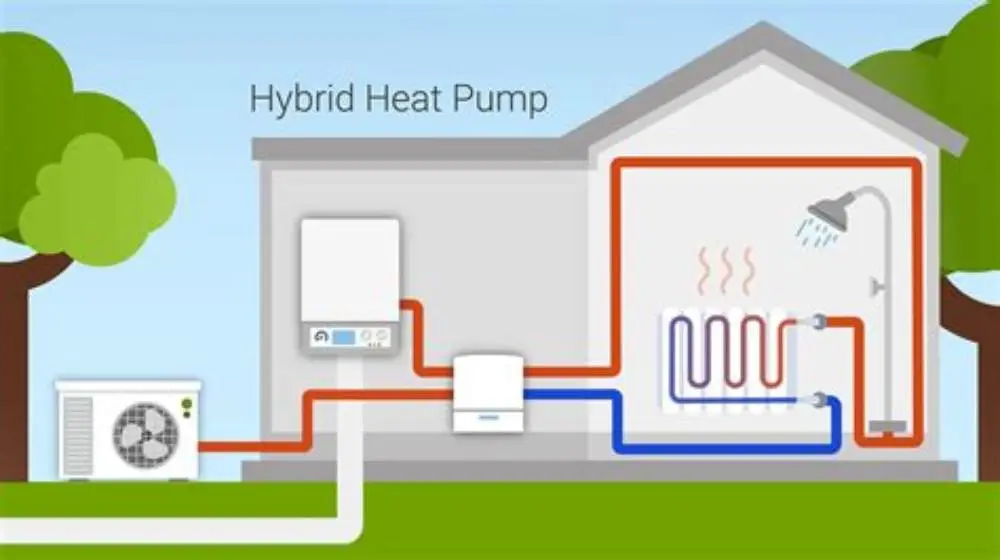
You trade initial installation costs and maintenance (filters, cleaning) against ongoing heating bill savings and improved health from better air quality. If you want to reduce carbon emissions and keep your home comfortable year-round, MVHR is a strong choice. There is more on what is a hybrid heat pump in a separate guide.
- Significantly reduces heat loss
- Improves indoor air quality
- Reduces condensation risk
- Higher upfront cost
- Requires filter and duct maintenance
- Needs airtight home for full benefit
What is the importance of ventilation
Ventilation prevents buildup of indoor pollutants such as carbon dioxide, volatile organic compounds (VOCs), and moisture from cooking, showers, and breathing. Without adequate ventilation, relative humidity can rise above 60-70%, promoting mold growth and damaging building fabric.
In airtight homes, natural leaks are too low to provide sufficient airflow. Mechanical ventilation ensures controlled, continuous air exchange, maintaining healthier air quality. Insufficient ventilation causes headaches, allergies, and respiratory issues over time.
Balancing ventilation with heat recovery means you do not have to choose between fresh air and energy efficiency. It protects occupants and the home’s structure while lowering heating costs by recovering the majority of exhausted heat. Before you commit to anything, it is worth looking at how to monitor home energy usage.
What happens when ventilation is inadequate
Inadequate ventilation leads to moisture accumulation, typically above 60% relative humidity, creating a prime environment for mold spores and dust mites. Condensation accumulates on cold surfaces and window frames, which accelerates decay of plaster and timber.
Poor air quality causes symptoms such as headaches, tiredness, and exacerbated asthma. Over time, trapped pollutants can also damage furniture and finishes. In extreme cases, persistent damp enables black mold growth, which is linked to severe respiratory problems.
In airtight homes, lack of ventilation worsens these problems. Without mechanical ventilation, you either suffer poor air quality or increase energy waste by opening windows aggressively, which defeats the purpose of airtightness. There is more on using ventilation effectively in a separate guide.
| Symptom/Effect | Cause | Consequence |
|---|---|---|
| Mold growth | Humidity >60% | Health risks, property damage |
| Condensation | Surface temperature <dew point | Plaster damage, timber rot |
| Poor air quality | Indoor pollutants | Headaches, allergies, asthma |
| Cold drafts | Opening windows to ventilate | Heat loss, higher bills |
MVHR fault codes common quick fixes
Most MVHR units include fault codes displayed on the control panel to signal problems such as fan failure, filter blockages, or sensor errors. Common faults include reduced airflow alarms caused by clogged filters or blocked ducts. Replacing filters and checking ductwork usually clears these issues.
Fan motor faults sometimes require a reset or cleaning if dust buildup affects the blades. Electrical faults need professional service. Some units signal low temperature warnings when frost build-up occurs in the heat exchanger; these require the unit’s frost protection mode to activate, which is automatic.
Regular filter replacement every 3 to 6 months and annual servicing prevent most faults. Cleaning external grilles and ensuring vents are not obstructed improves reliability. We cover operating lifebreath ventilation fan in its own article.
- Filter blockages: replace filters to restore airflow
- Fan errors: clean blades or reset unit
- Sensor faults: check wiring or call technician
- Frost warnings: ensure frost protection mode functions
MVHR heat recovery core pressure drop measured
The heat recovery core’s pressure drop is the resistance air experiences passing through it, measured in Pascals (Pa). Typical acceptable pressure drop values range up to 200 Pa depending on the core design. When the pressure drop rises above this, it indicates blockages or dirt reducing airflow and heat recovery efficiency.
You measure core pressure drop with a manometer or differential pressure gauge connected to test ports on the MVHR unit. Comparing the reading to the manufacturer’s specification tells you if cleaning or replacement is needed.
Higher pressure drop increases fan energy consumption and noise, reducing system lifespan. Regular checks during servicing catch these issues early, ensuring the unit maintains balanced airflow and performance. People in this spot often ask about how to install a mvhr system as well.
- Locate test ports on the MVHR unit’s heat exchanger core.
- Attach a differential pressure gauge or manometer to the ports.
- Run the MVHR unit at normal operating speed.
- Record the pressure drop reading in Pa.
- Compare against manufacturer’s recommended maximum (usually 150-200 Pa).
- If exceeded, schedule cleaning or replacement of the core.
Quick questions
How often should MVHR filters be changed?
Filters typically need replacement every 3 to 6 months depending on air quality and manufacturer guidelines. Regular changes maintain airflow and prevent faults.
Can I install an MVHR unit myself?
MVHR installation requires ductwork design, airtightness testing, and electrical connection. It’s recommended to hire a qualified installer to ensure proper function and safety.
Does MVHR work in all climates?
MVHR units are effective in cold and temperate climates for heat recovery. Some models include summer bypass to prevent overheating in warm weather.
What causes frost build-up in MVHR units?
Frost forms when cold external air meets warm moist extract air inside the heat exchanger during freezing temperatures. Frost protection modes or preheating prevent damage.
How do I know if my MVHR unit is balanced?
Balanced airflow means equal supply and extract volumes, typically within 5-10%. An air flow meter or commissioning by a professional can confirm balance.