Ventilate indoor spaces every 1-3 hours depending on activity, use air purifiers with tested HEPA filters for particle removal, and fix MVHR dust issues by cleaning filters and ducts, especially after kitchen remodels. These steps effectively improve indoor air quality.
On this page
Part of our guide on maintaining indoor air quality
Quick facts
- Ventilation frequency
- 1-3 hours
- HEPA filter effectiveness
- 99.97% particles
- MVHR dust cause
- remodel debris
- Typical indoor pollutants
- VOC, PM2.5, moisture
- Recommended filter change
- 3-12 months
Quick recap
- Ventilate rooms every 1-3 hours to control pollutants
- HEPA air purifiers reduce particulates but won't eliminate gases
- MVHR dust buildup signals need for filter and duct cleaning
- Avoid indoor pollutants by controlling source and moisture
- Test air quality before and after changes to measure effects
How often should ventilations be given
You should ventilate indoor spaces every 1-3 hours, depending on occupancy and activities that generate pollutants, such as cooking or cleaning. For example, kitchens or bathrooms need more frequent ventilation to prevent moisture buildup and VOC accumulation.
In airtight homes, natural infiltration is usually below 0.5 air changes per hour, which is too low to maintain healthy air quality without mechanical ventilation or window opening. Opening windows for 10-15 minutes every 1-3 hours typically exchanges enough air to reduce CO2 and airborne pollutants.
The exact frequency depends on your home's airtightness, occupancy levels, and activities. Use a CO2 meter to check if indoor levels rise above 1000 ppm, which indicates insufficient ventilation. At that point, open a window or run an extraction fan until levels drop below 800 ppm.
- Improves air quality quickly
- Reduces moisture and odors
- Simple to implement
- May increase heating costs in winter
- Not always feasible in noise/pollution areas
- Requires user diligence

Air Quality Monitor Indoor
Unknown CO2 measurement range, cannot confirm if it covers 0-5000 ppm to determine ventilation needs.
Do air purifiers improve air quality
Air purifiers with true HEPA filters capture at least 99.97% of airborne particles down to 0.3 microns, including dust, pollen, and some bacteria, significantly improving particulate air quality indoors. We go through ventilation guidelines by room size step by step elsewhere on the site.
However, air purifiers do not remove gases and volatile organic compounds (VOCs) effectively unless they include activated carbon filters, which vary widely in capacity and lifespan. Consider purifiers with both HEPA and substantial carbon layers for broader benefits.
Effectiveness depends on purifier size relative to room volume and air change rate per hour (ACH). For example, a purifier rated for 300 square feet room volume running continuously can reduce particulates noticeably within hours. Test with a particle counter before and after use to measure impact precisely.
- Removes fine particles efficiently
- Relatively simple installation
- Improves allergy and asthma symptoms
- Limited removal of gases/VOCs
- Filters require regular replacement
- Noise and electricity use
How to avoid air quality issues
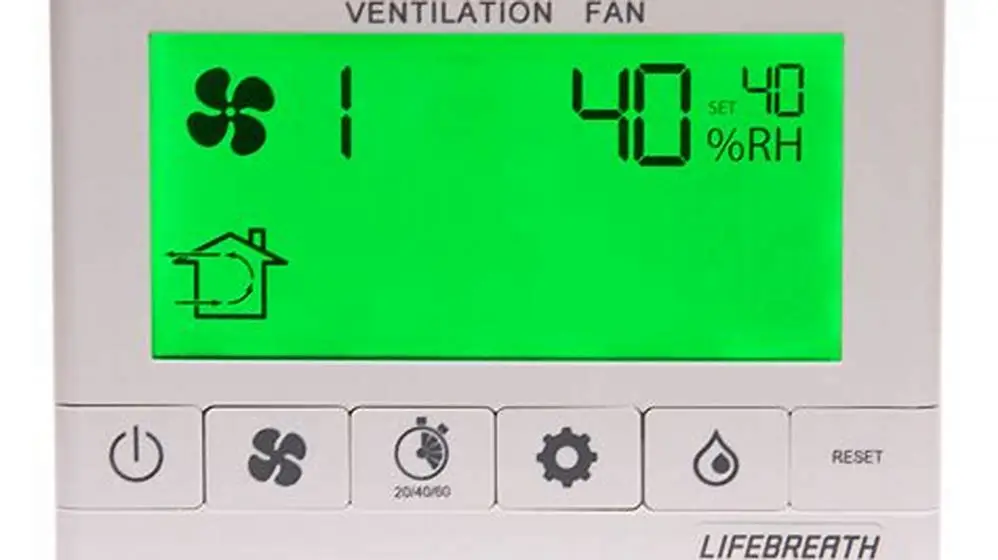
Preventing indoor air quality problems starts with controlling pollutant sources: avoid smoking indoors, minimize use of chemical cleaners, and ensure combustion appliances are well maintained and vented. If that sounds like your situation, read up on optimizing airflow with lifebreath fan next.
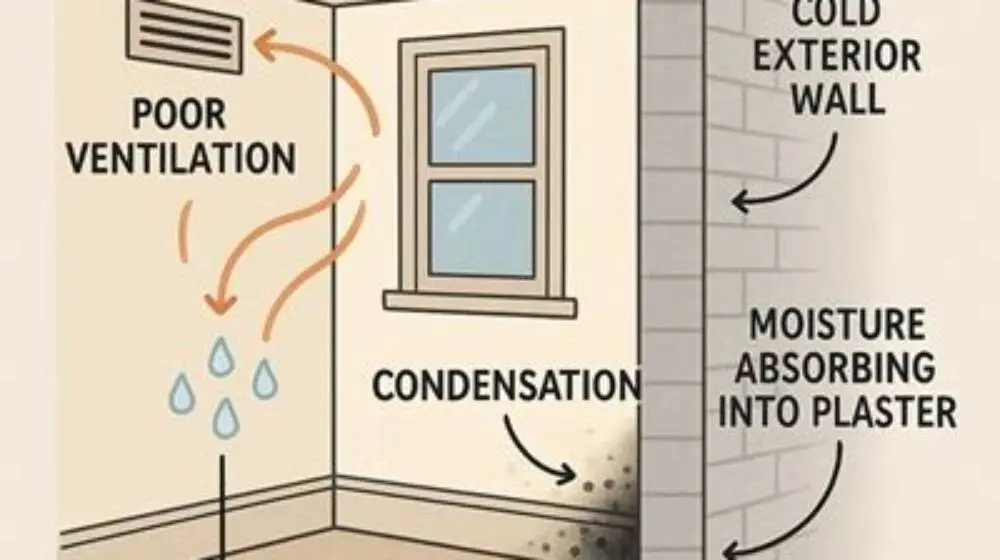
Control moisture by fixing leaks and using extraction fans in wet rooms to prevent mold growth. Houseplants don't significantly reduce pollutants and may increase humidity.
Maintain ventilation systems regularly to avoid dust and microbial buildup. Using materials with low VOC emissions during remodeling reduces long-term air quality risks. Regularly monitor indoor air parameters with a combination of CO2 and particulate meters to catch problems early.
In addition to source control and moisture management, regular airing out of rooms during and after activities that generate odors or VOCs, such as painting or using new furniture, can help dissipate pollutants quickly. For instance, airing out a room for 15 minutes after painting can reduce VOC concentrations substantially before they settle or react indoors. We go through fan failing to remove shower steam step by step elsewhere on the site.
Another effective practice is using exhaust fans not only in kitchens and bathrooms but also in laundry areas or workshops where solvents or chemicals might be used. Running these fans during and 30 minutes after the activity expels contaminants and reduces indoor buildup. If fans are noisy or inefficient, upgrading to energy-efficient models with higher extraction rates is worthwhile.
- Pollution sources: eliminate indoor smoking and chemical fumes
- Moisture control: fix leaks, use kitchen and bathroom fans
- Material choice: select low-VOC paints and adhesives
- Regular cleaning: keep HVAC filters and ducts clean
Indoor air quality ventilation frequency purifier effects and MVHR dust fixes
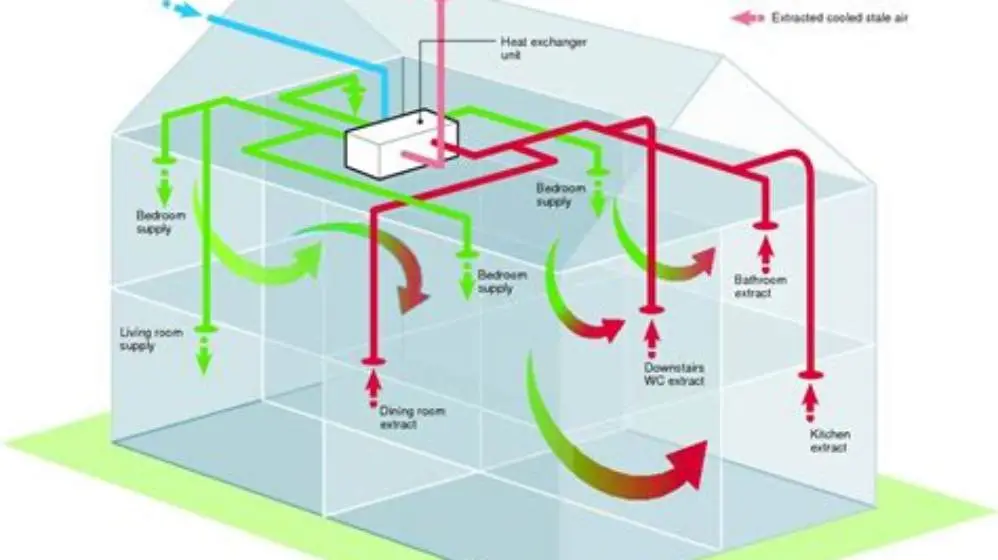
Mechanical Ventilation with Heat Recovery (MVHR) systems provide controlled ventilation and heat recovery but can accumulate dust in ducts and filters, especially after kitchen remodels that release fine particles.
If you notice dust around vents or reduced airflow, first check and replace coarse and fine filters as dust load can reduce system efficiency and indoor air quality. Clean ducts using dry vacuum methods or hire a professional if dust is heavy. There is more on condensation and black mould on walls how to stop it in a separate guide.
Regular MVHR maintenance after remodeling is critical to prevent dust recirculation. Test air particulate levels before and after filter replacement to confirm improvement. After servicing, ensure fans operate properly and dampers are unobstructed.
MVHR systems vary in design and capacity, so understanding your system’s airflow rate (usually measured in liters per second or cubic feet per minute) helps tailor maintenance and operation schedules. For example, a system with 100 L/s airflow serving a 150 m² home might need filter changes every 6 months under normal conditions but more frequently after dust-generating events.
A common problem is when dust infiltrates the heat exchanger core, reducing its efficiency. If the heat recovery rate drops below manufacturer specifications (typically 80-90%), this indicates dust buildup requiring professional cleaning. Pressure drop measurements across filters before and after cleaning can confirm restored performance.
Testing particulate matter (PM2.5 and PM10) before and after MVHR servicing provides quantitative evidence of improved air quality. A reduction from, say, 25 µg/m³ to under 10 µg/m³ post-maintenance signals effective dust removal and system restoration.
- Turn off MVHR system.
- Remove and inspect filters for dust buildup.
- Replace filters if dust exceeds visible accumulation or after 3-12 months of use.
- Vacuum accessible duct openings to remove loose dust.
- Restart system and monitor airflow and dust presence.
- Maintains ventilation efficiency
- Prevents dust recirculation
- Improves heat recovery performance
- Requires periodic maintenance
- May need professional duct cleaning
- Filter cost and replacement effort
How often do you provide ventilations
Provide ventilation in occupied rooms at least every 1 to 3 hours, increasing the frequency during activities that elevate indoor pollutants, including cooking, showering, or using cleaning chemicals.
In highly airtight homes, continuous mechanical ventilation running at a minimum of 0.5 air changes per hour helps maintain consistent fresh air supply without the need for window opening, balancing energy efficiency and air quality.
During colder months, shorter, more frequent ventilation bursts reduce heat loss while still maintaining air quality. Such intervals differ by occupancy density, room size, and specific pollutant sources.
MVHR whole house vents dusty after kitchen remodel
Kitchen remodeling releases fine dust and particles that can infiltrate MVHR ducts and filters, causing dust buildup on whole house vents. This dust reduces airflow and can carry odors and particles back into living spaces.
The immediate step is to inspect and replace all MVHR filters, preferably higher MERV-rated if compatible, to trap finer dust. Vacuum ducts accessible without removal, and consider professional duct cleaning if dust persists after filter changes.
Post-remodel, maintain increased filter inspection frequency for 3-6 months, as dust can continue to accumulate from residual materials. Testing particulate levels before and after maintenance confirms effectiveness.
A well-maintained MVHR system ensures the home's airtightness does not lead to poor air quality due to dust recirculation.
Quick questions
Can ventilation alone remove all indoor pollutants?
No. Ventilation reduces CO2, moisture, and some pollutants but does not eliminate all gases or very fine particles. Source control and air purifiers help address specific pollutants.
How do I know if my air purifier is working effectively?
Measure particulate levels with a particle counter before and after purifier use, ensuring it matches the purifier’s rated room size and that filters are not clogged.
What causes MVHR vents to get dusty after remodeling?
Dust from construction materials and debris settles in filters and ducts. Without cleaning, this dust reduces system efficiency and degrades indoor air quality.
Is opening windows better than mechanical ventilation?
Opening windows is effective but less predictable and can increase heat loss. Mechanical ventilation provides consistent fresh air with energy recovery when maintained properly.
How often should I change MVHR filters?
Filters typically need changing every 3-12 months, more often after activities like remodeling that increase dust load.