Condensation and black mould on walls form when indoor humidity exceeds roughly 60% in cold spots with poor ventilation or insulation. To stop recurrence, check ventilation rates, heating patterns, and insulation integrity, then fix issues based on those measurements.
On this page
- Quick recap
- What causes condensation and black mould on walls
- Which home conditions to check first: ventilation, heating, insulation
- How to interpret those checks to decide what to fix
- Effective methods to stop mould returning after treatment
- Condensation and black mould on walls how to stop it: 3 home checks
- Balancing airtightness with ventilation to prevent mould and condensation
- Quick questions
Part of our guide on how does an mvhr unit work
Quick facts
- Ideal indoor humidity
- 40-60% RH
- Indoor temperature range
- 18-21°C
- Ventilation air changes
- 0.5-1 ACH
- Mould growth RH threshold
- >60% RH
- Condensation dew point
- varies by temp
Quick recap
- Check ventilation airflow at vents and windows first.
- Measure wall and room temperature to detect cold surfaces.
- Inspect insulation in affected walls for gaps or damage.
- Balance heating to maintain a consistent 18-21°C indoor.
- Treat mould fully before correcting moisture sources.
What causes condensation and black mould on walls
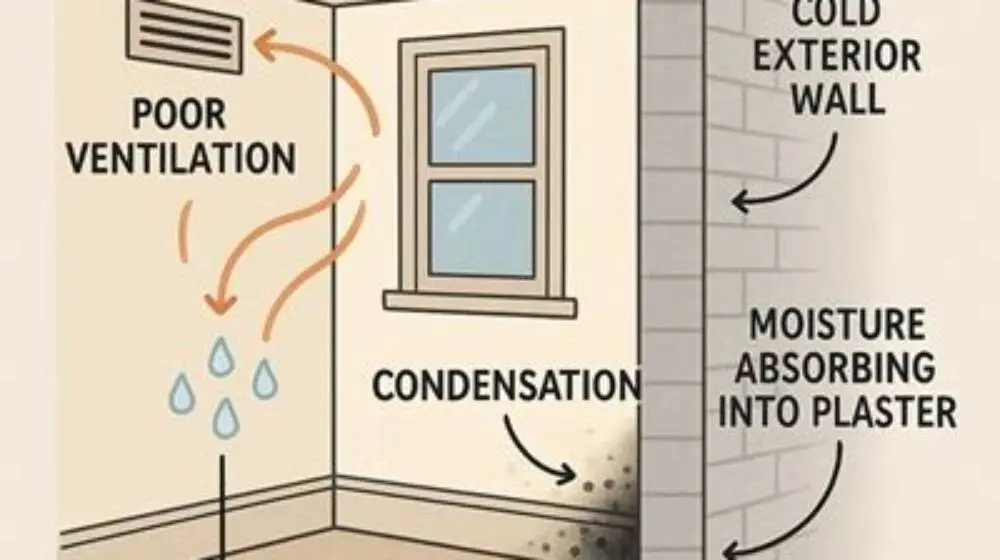
Condensation forms on walls and surfaces when moist indoor air cools below the dew point temperature specific to that air moisture level. This happens mostly in cold spots such as poorly insulated walls, window reveals, and corners.
Black mould develops if condensation persists. Mould spores need more than 60% relative humidity (RH) sustained for several hours to germinate and grow, often worsening in unventilated areas.
Excess moisture sources include cooking, bathing, drying clothes indoors, and inadequate ventilation combined with low heating or poor insulation. Airtight homes without controlled ventilation are especially vulnerable.
Condensation and mould formation can also be influenced by the time of year and daily weather variations. For instance, during colder months, the temperature difference between indoor and outdoor air widens, increasing the likelihood of condensation on cold surfaces. In some cases, even short periods of high humidity indoors combined with low external temperatures can trigger mould growth if ventilation is insufficient. The other half of this decision is short runtime affecting steam removal.
An example: if indoor humidity is at 70% with an indoor temperature of 20°C, the dew point temperature is around 15°C. Any wall surface colder than 15°C will attract condensation, creating a moist environment where mould spores can germinate within hours. Monitoring these temperature and humidity parameters can help predict and prevent mould formation.
Which home conditions to check first: ventilation, heating, insulation
Start by checking ventilation: measure airflow at trickle vents, extractor fans, and openable windows. Expect air changes of 0.5 to 1 air change per hour (ACH) to maintain healthy moisture levels.
Next, assess heating patterns. Walls colder than 16°C often indicate insufficient heating or cold bridging. Use a surface thermometer or infrared thermometer to measure wall temperature in affected areas. For the detail, see our notes on piv versus mvhr condensation control.
Inspect insulation quality and continuity inside walls and around windows. Look for gaps, compressions, or missing insulation causing cold spots where condensation and mould cluster.
When checking ventilation, also consider the positioning and usage of vents. Vents installed too high or obstructed by furniture reduce their effectiveness. A well-placed vent near moisture sources such as kitchens or bathrooms is more successful in removing humid air.
Heating patterns are not just about temperature but also about timing and consistency. For example, a room heated only during the day but allowed to cool below 16°C at night can produce overnight condensation. A minimum consistent heating schedule preventing temperatures from falling below this threshold helps keep walls dry. There is more on assessing cost versus benefit in a separate guide.
Insulation effectiveness can vary seasonally as well. In some homes, insulation materials absorb moisture over time, reducing their thermal resistance and increasing cold spots. This can be checked by thermal imaging during cold weather; areas that stay colder than the rest of the wall are likely compromised.
- Ventilation airflow: 0.5-1 ACH prevents moisture buildup.
- Wall surface temperature: ideally above 16°C to avoid condensation.
- Insulation integrity: no gaps or compressed sections.

How to interpret those checks to decide what to fix
Low ventilation airflow below 0.5 ACH means moisture cannot escape. Adding or maintaining vents, extractor fans, or timed ventilation boosts air changes.
If walls are below 16°C when heating is on, improve heating distribution or insulation. Cold walls cause condensation even at moderate humidity. It helps to understand how long should each ventilation last before going further.
Missing or damaged insulation lets external cold in, lowering surface temperatures and increasing mould risk. Insulating walls, especially cavity or internal insulation, can raise wall temperature by several degrees Celsius.
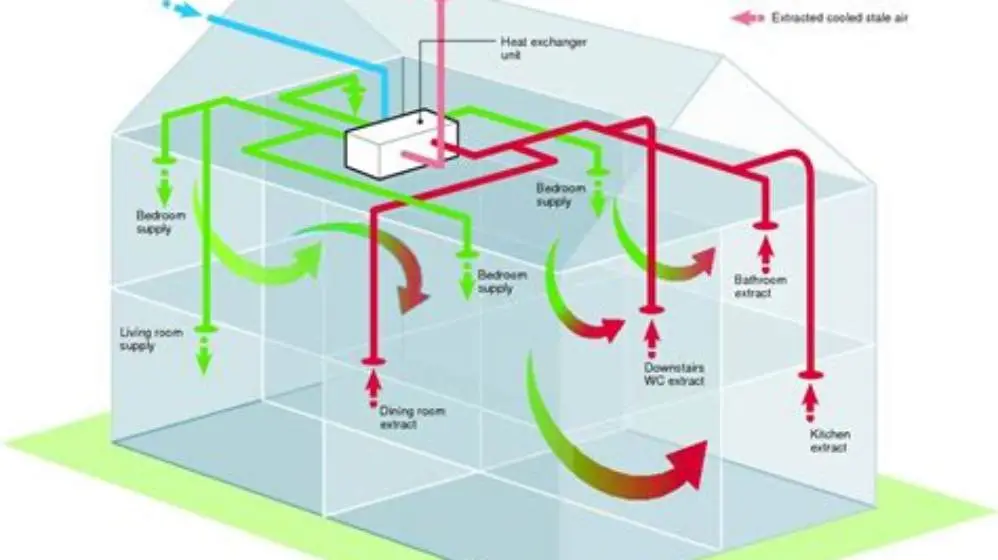
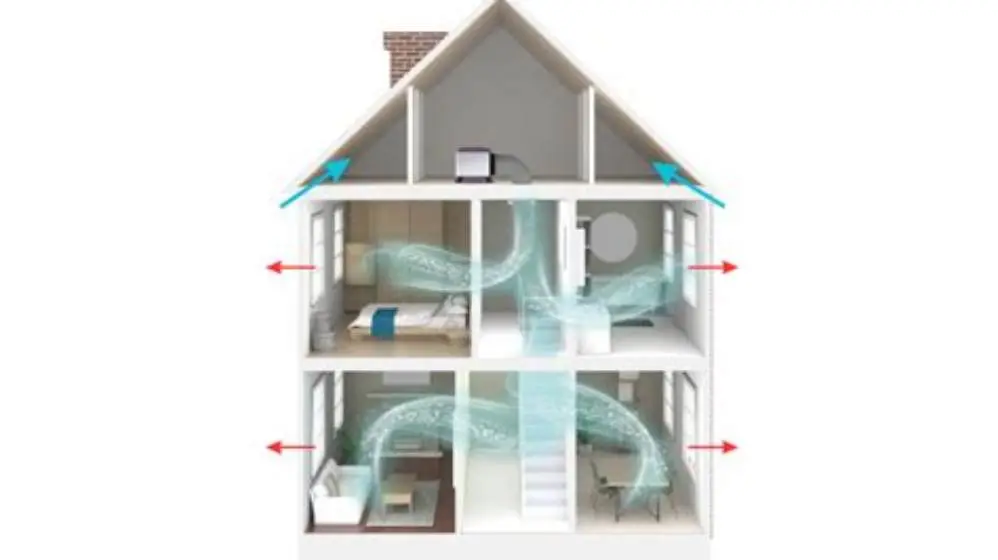
Low ventilation airflow reading below 0.5 ACH indicates the need for intervention but also consider the type of ventilation available. Passive vents alone may not suffice in modern airtight homes, where mechanical ventilation with heat recovery (MVHR) systems provide controlled air exchange and energy efficiency.
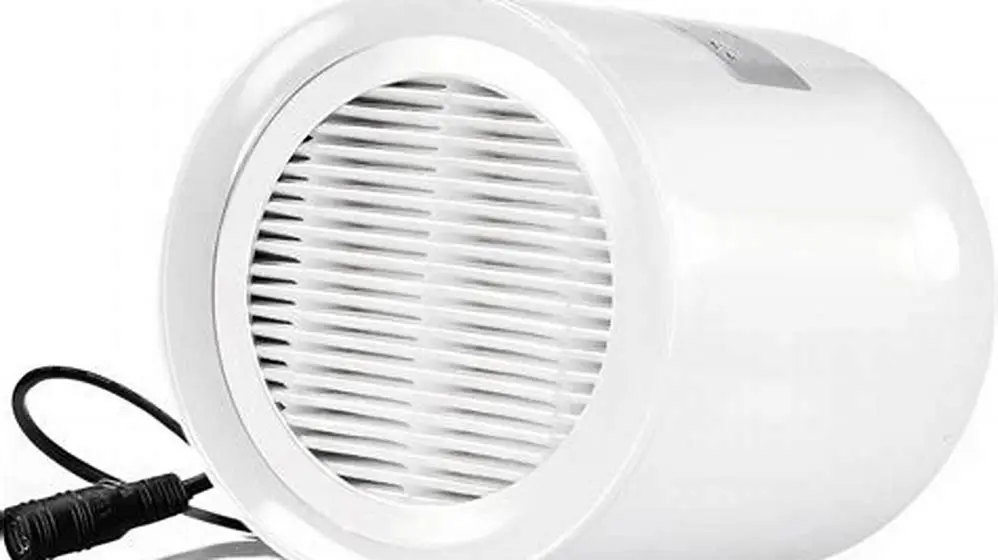
Walls below 16°C despite heating suggest cold bridges or insufficient insulation. Cold bridging often occurs around window frames, wall junctions, or structural beams and can be detected by thermographic surveys, which highlight these spots clearly. We cover 100mm inline extractor fan filters in its own article.
Insulation repairs should prioritize areas where moisture risks are highest. For example, upgrading cavity wall insulation in external walls facing prevailing winds can raise surface temperatures by 2-4°C, reducing condensation significantly. This targeted approach avoids unnecessary expense on well-performing areas.
| Condition measured | Threshold or indicator | Recommended fix |
|---|---|---|
| Ventilation airflow (ACH) | <0.5 ACH | Install or repair vents/fans to increase airflow |
Wall surface temperature (°C) | <16°C | Improve heating or add insulation |
| Wall insulation | Gaps or damage visible | Repair or add insulation to affected areas |
Effective methods to stop mould returning after treatment
Treat black mould with a fungicidal wash or diluted bleach solution, ensuring full coverage and drying. Remove affected wallpaper if necessary to access spores beneath.
After treatment, maintain ventilation at or above 0.5 ACH and keep indoor humidity below 60%. Use extractor fans when cooking or bathing.
Ensure heating is steady, avoiding large temperature swings below 18°C overnight. Insulation improvements should target cold spots identified in earlier checks.
Dehumidifiers can help temporarily but depend on regular maintenance and electricity use, so ventilation and heating remain the primary long-term solutions.
When using fungicidal washes, test a small hidden area first to ensure no damage occurs to wall finishes. Some paints or wallpapers may react adversely, necessitating removal before treatment.
Maintaining indoor humidity below 60% is critical; installing hygrometers in problem rooms allows monitoring and early detection. For example, kitchens and bathrooms often exceed 70% RH during use; using extractor fans immediately after activities helps reduce moisture.
Steady heating avoids cold surfaces but also prevents rapid drying that can lead to cracking or paint failure. Aim for gradual temperature changes to maintain wall integrity while controlling moisture.
When installing insulation, use breathable materials to prevent trapping moisture inside walls, which can worsen mould problems. Materials like mineral wool or wood fibre boards balance thermal resistance with moisture permeability.
- Use fungicidal wash on mould-affected areas.
- Keep indoor RH below 60% to inhibit mould growth.
- Maintain consistent heating at 18-21°C.
- Fix ventilation before insulation upgrades.
- Remove wallpaper where mould has penetrated.
Condensation and black mould on walls how to stop it: 3 home checks
Stop black mould by three focused home checks: ventilation airflow, heating patterns, and insulation condition. These checks reveal the root cause of condensation and mould.
Measure ventilation airflow using a simple anemometer at vents or fans. Below 0.5 ACH means air is stagnant, requiring ventilation upgrades or better use of existing vents.
Use an infrared thermometer to check for cold spots under 16°C on walls or near windows. These spots attract condensation unless heating or insulation improves.
Inspect insulation visually and with thermographic imaging if possible. Gaps or compressed insulation reduce wall temperatures and cause mould.
Prioritise fixes based on the lowest performing check. Ventilation issues must be addressed first to avoid trapping moisture. Heating adjustments come next, followed by insulation improvements.
- Measure ventilation airflow at vents or extractor fans.
- Check wall surface temperatures in mould-prone areas.
- Inspect wall and loft insulation for gaps or damage.
- Match fixes to weakest check: ventilation, heating, then insulation.
- Treat mould before starting other work.
Balancing airtightness with ventilation to prevent mould and condensation
Making a home airtight reduces heat loss but can increase condensation risk if ventilation is insufficient. Modern UK homes must balance air tightness with mechanical or passive ventilation.
Trickle vents and mechanical extract fans can maintain 0.5-1 ACH even in airtight buildings. Controlled ventilation prevents moisture build-up while preserving heat.
Ventilation should adapt to occupancy and activities producing moisture. For example, boost extractor fans during cooking or bathing and ensure vents are not blocked.
Ignoring ventilation when upgrading airtightness traps moisture, causing black mould and damaging finishes. Planning ventilation with insulation and heating upgrades is vital for healthy homes.
- Improves energy efficiency
- Reduces uncontrolled drafts
- Enables controlled ventilation
- Requires ventilation upgrades
- Risk of moisture traps if ventilation neglected
- Potential cost to retrofit ventilation
Quick questions
Can black mould grow on walls without visible condensation?
Yes, mould can grow if the wall surface stays damp for prolonged periods, even without visible condensation. This often happens with rising damp or leaks. Monitoring humidity and fixing leaks is essential.
Will just increasing heating stop mould and condensation?
Increasing heating helps by raising surface temperatures above dew point, but without adequate ventilation and insulation, moisture can still accumulate and cause mould.
Are dehumidifiers a permanent fix for mould problems?
Dehumidifiers reduce indoor moisture temporarily but do not replace proper ventilation, heating, and insulation solutions needed to stop mould long term.
How often should ventilation systems be checked or maintained?
Extract fans and vent filters should be checked and cleaned at least twice yearly to ensure effective operation and prevent blockages.
Is black mould toxic or just unsightly?
Black mould can produce allergens and irritants affecting respiratory health, especially in sensitive individuals. It is best removed promptly to avoid health risks.