MVHR systems generally prevent indoor condensation better than PIV by continuously extracting moist air and recovering heat, maintaining humidity between 40-60% indoors under typical UK airtight conditions. PIV can help but risks uneven moisture removal and colder surfaces if not sized or installed properly.
On this page
- Quick recap
- How PIV systems control moisture and condensation
- How MVHR systems control moisture and condensation
- Key differences in condensation risk between PIV and MVHR
- Impact of installation and maintenance on condensation outcomes
- PIV vs MVHR for condensation indoor control under UK conditions
- What system should UK homeowners choose to prevent condensation effectively
- Quick questions
Part of our guide on maintaining indoor air quality
Quick facts
- Typical Indoor RH
- 40-60% relative humidity
- MVHR Airflow Rate
- up to 250 m³/h
- PIV Airflow Rate
- typically 100-150 m³/h
- UK Airtightness Standard
- 5 m³/h/m² at 50 Pa
- MVHR Heat Recovery Efficiency
- 70-90%
- PIV Installation Height
- usually loft or ceiling mounted
Quick recap
- MVHR offers balanced continuous ventilation with heat recovery reducing condensation risk
- PIV relies on air supply dilution and is less effective in large or complex layouts
- Installation quality and maintenance strongly impact condensation control in both systems
- MVHR filters out moisture-bearing stale air; PIV may increase surface chill if poorly designed
- Careful sizing and commissioning are critical to avoid condensation issues
How PIV systems control moisture and condensation
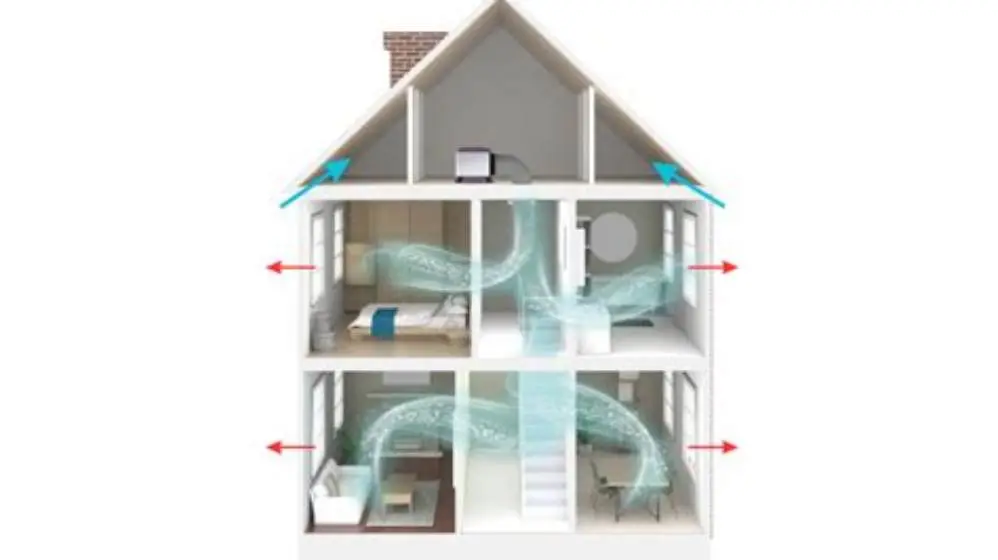
Positive Input Ventilation (PIV) vents fresh air into a home, usually from the loft, to dilute indoor moisture and stale air. The input air is typically supplied at a low velocity, often around 100-150 m³/h, and slightly warmed by passing through the loft space, which is often warmer than outside air in winter.
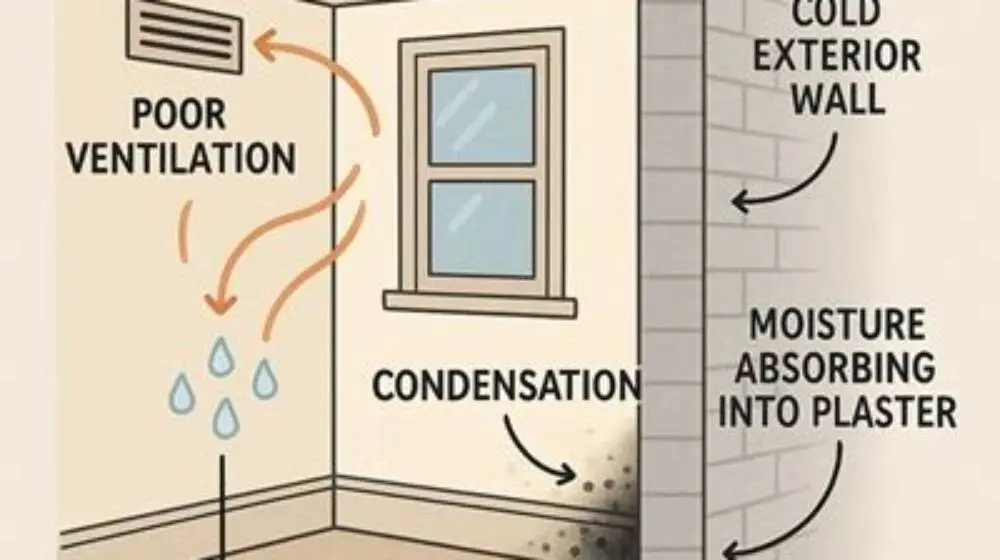
The principle is to lower indoor relative humidity by introducing drier air, especially in airtight homes where infiltration is minimal. PIV reduces condensation on cold surfaces by mixing warmer fresh air with the indoor atmosphere, aiming to keep surface temperatures above the dew point.
However, PIV effectiveness depends heavily on airtightness levels, internal airflow patterns, and the size of the property. In large or multi-storey homes, PIV may fail to reach all rooms adequately, causing localized condensation risks. Moisture removal is passive; PIV does not extract air but dilutes it.
The system’s installed location and ducting affect performance. For example, if the loft or roof void is cold and damp, it can feed moisture back into the living space. Also, without maintenance, PIV fans can become clogged, reducing airflow below the necessary threshold to prevent condensation. People in this spot often ask about stopping condensation black mould walls as well.
How MVHR systems control moisture and condensation
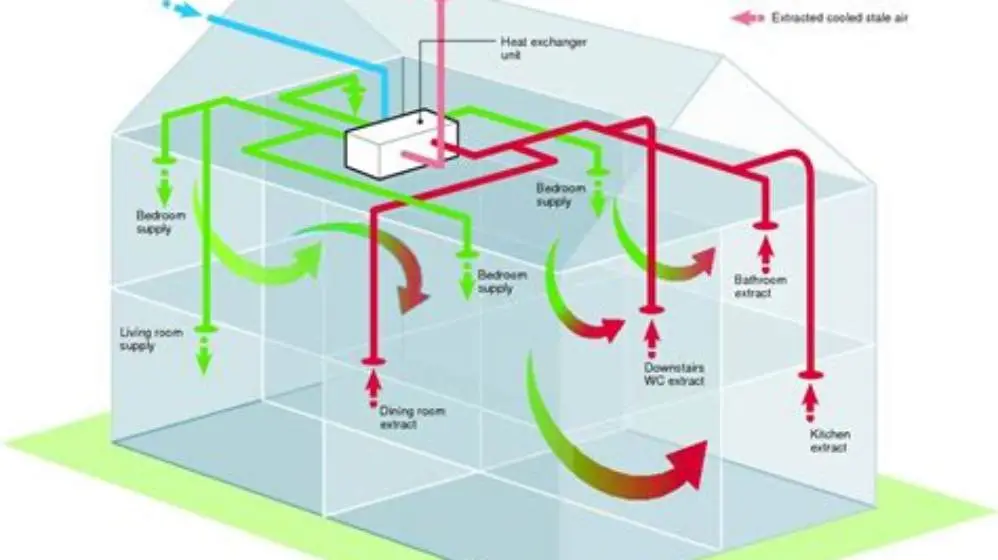
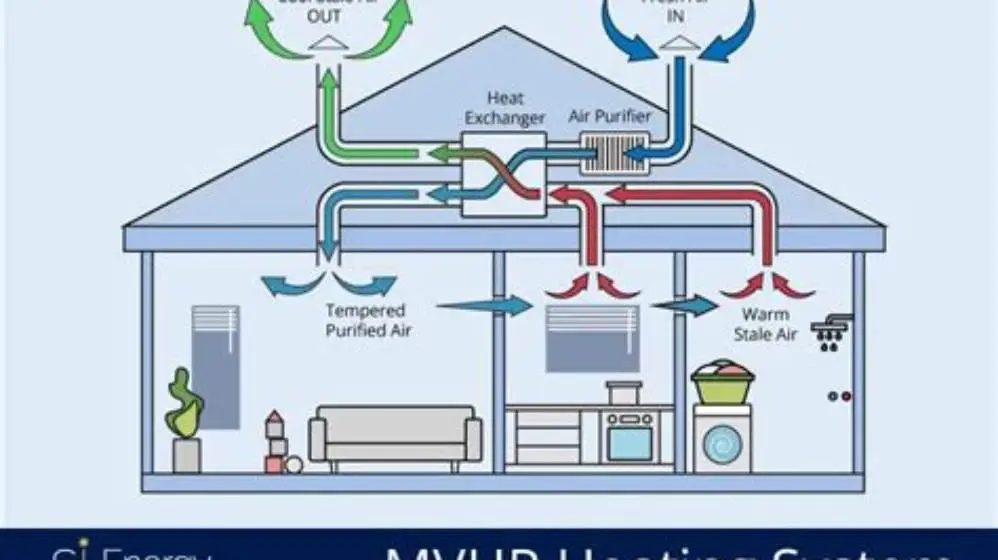
Mechanical Ventilation with Heat Recovery (MVHR) extracts moist, stale air from wet rooms like kitchens and bathrooms while supplying filtered, balanced fresh air to living and sleeping areas. It typically moves 150-250 m³/h of air, maintaining controlled ventilation rates regardless of external weather.
MVHR removes moisture-laden air before it can condense on cold surfaces, directly reducing indoor humidity levels to the recommended 40-60% range under UK conditions. The heat exchanger transfers 70-90% of heat from extracted air to the incoming fresh air, minimising heat loss.
Because MVHR actively extracts air, it prevents pockets of high humidity forming, unlike PIV. It achieves continuous whole-house ventilation, which effectively controls condensation in airtight homes meeting standards around 5 m³/h/m² at 50 Pa. The other half of this decision is are mvhr systems worth it.
Maintenance is critical: cleaning or replacing filters regularly keeps the system performing, and failing to do so risks airflow reduction and moisture buildup within ducts. Proper commissioning ensures balanced airflow, preventing pressure imbalances that might draw humid air into wall cavities.
MVHR systems also allow for humidity sensors and automated control integration, which can adjust ventilation rates dynamically based on measured indoor moisture levels. This helps avoid over-ventilation during dry periods and rapid moisture extraction during cooking or showering, reducing condensation risk further. For example, a sensor-triggered boost can increase airflow from a baseline of 150 m³/h to over 250 m³/h temporarily, ensuring excess humidity is removed before it condenses.
In scenarios where outdoor air is highly humid, such as during wet UK winters, MVHR units with bypass modes can reduce the heat recovery to avoid adding moisture-laden air indoors. This feature helps maintain indoor humidity within the optimal 40-60% range, balancing thermal comfort and condensation control effectively. A well-commissioned MVHR system can maintain indoor relative humidity fluctuations within ±5% of the setpoint, a level difficult to achieve with PIV. For the detail, see our notes on mvhr system installation steps.
Key differences in condensation risk between PIV and MVHR
MVHR reduces condensation risk more reliably because it extracts damp air directly from source rooms, maintaining steady humidity and preventing moisture accumulation on cold surfaces. PIV only dilutes and slightly warms indoor air but does not extract moisture.
In airtight homes, PIV’s reliance on loft air temperature and movement means cold spots can persist, and moisture can accumulate in less ventilated rooms, causing patchy condensation. MVHR’s balanced ventilation keeps indoor air consistently refreshed.
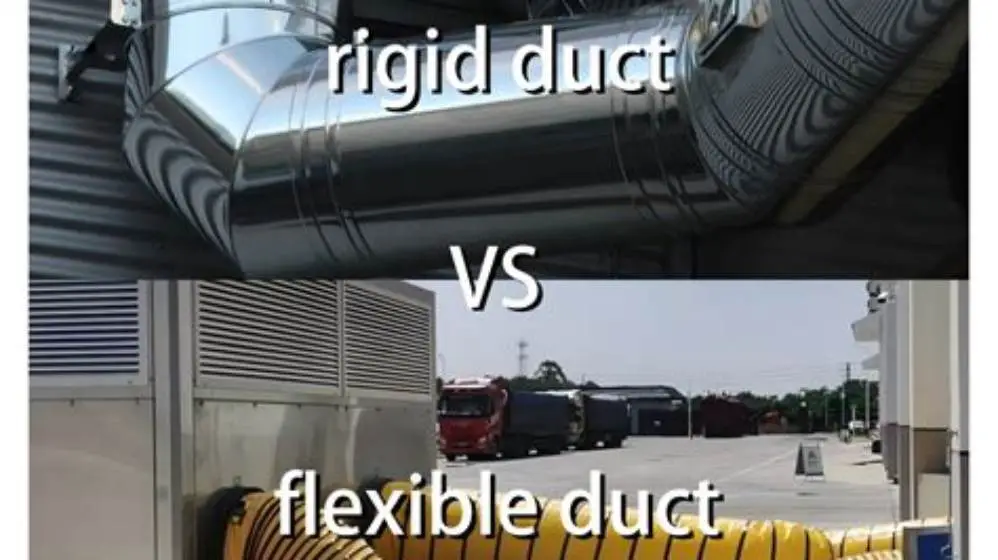
PIV is simpler and cheaper to install but offers less control. Its airflow rates are lower and less targeted. MVHR systems are costlier upfront but provide uniform moisture control, heat recovery savings, and improved air quality. The other half of this decision is rigid duct vs flexible duct for mvhr in small loft.
If installed poorly, both systems can exacerbate condensation: PIV by bringing cold or humid air from unconditioned lofts; MVHR by creating negative pressure that draws moisture into walls if ducts leak.
The user’s maintenance habits heavily affect outcomes. Without upkeep, PIV fans lose airflow and MVHR filters clog, both raising indoor moisture levels.
| Feature | PIV | MVHR |
|---|---|---|
| Airflow type | Unidirectional fresh air supply | Balanced supply and extract |
Typical airflow rate (m³/h) | 100-150 | 150-250 |
| Heat recovery | None | 70-90% efficiency |
| Moisture removal | Dilution only | Active extraction |
| Installation complexity | Simple | Complex |
| Maintenance frequency | Occasional fan check | Regular filter replacement |
| Condensation risk control | Moderate in small homes | Strong in airtight homes |
Impact of installation and maintenance on condensation outcomes
Both PIV and MVHR systems require professional installation to perform as intended. For PIV, incorrect fan sizing or placing the inlet in a cold, unventilated loft can increase condensation risk by blowing moist air into the home. People in this spot often ask about vent axia mvhr replacement filters where to buy as well.
MVHR units need precise duct balancing and airtight ductwork to avoid pressure issues causing condensation within cavity walls or cold bridges. Commissioning tests measuring airflow in each room ensure system effectiveness.
Maintenance habits directly influence condensation control. PIV fans clogged with dust or lint reduce fresh air input below the 100 m³/h effective threshold, allowing humidity to build. MVHR filters blocked beyond recommended replacement intervals raise relative humidity above the target 60%, risking condensation.
Ignoring maintenance also increases energy costs as systems work harder for less ventilation. Homeowners should set reminders for annual MVHR filter changes and biannual PIV fan inspections.
DIY installation often fails to meet airtightness and airflow standards, invalidating warranties and increasing condensation risk dramatically.
PIV vs MVHR for condensation indoor control under UK conditions
UK homes aiming for airtightness around 5 m³/h/m² at 50 Pa find MVHR better suited for consistent indoor condensation control, especially in colder months when indoor-outdoor temperature differences cause moisture to condense on fabric.
PIV can help in smaller, well-insulated homes with low internal moisture loads but often needs supplementary heating or humidistat control to avoid cold spots and surface condensation.
MVHR’s heat recovery feature keeps the home warmer, reducing cold surface areas where condensation forms. Its continuous extraction of moist air from kitchens and bathrooms controls peak humidity events better than PIV.
Choosing depends on the home's size, airtightness, layout, and budget. MVHR suits large or multi-storey homes with significant moisture generation, whereas PIV might be cost-effective for modest dwellings with low moisture production.
Both systems should be paired with good occupant behaviour like using extractor fans during cooking or bathing and maintaining indoor temperatures above 18°C to minimize condensation.
Under UK conditions, ventilation effectiveness also hinges on occupant behaviour; opening windows during high humidity events can disrupt MVHR balancing, reducing its condensation control performance. PIV systems can be more tolerant to such behaviour since they supply continuous background ventilation but risk over-dilution of internal heat in colder months.
A practical example: in a 100 m² UK semi-detached house with airtightness of 5 m³/h/m² at 50 Pa, MVHR running at 150 m³/h balanced airflow can maintain indoor humidity at 50% during winter when outdoor RH is 80% at 5°C, whereas PIV at 120 m³/h might allow indoor RH to rise above 65%, increasing condensation risk on single-glazed windows.
PIV performance may decline during heavy rainfall or high external humidity periods when loft air humidity rises, leading to diminished moisture removal effectiveness. MVHR units with heat exchangers reduce heat loss by approximately 75% compared to natural ventilation or PIV, which translates to warmer internal surfaces and reduced condensation potential.
What system should UK homeowners choose to prevent condensation effectively
For reliable condensation prevention in airtight UK homes, MVHR is generally the preferred choice due to its active moisture extraction and heat recovery. Though the initial cost is higher, the system balances indoor humidity between 40-60% consistently and improves EPC ratings.
If opting for PIV, ensure the loft is well insulated and ventilated, the fan is sized above 100 m³/h, and regular maintenance is planned. Use a humidity monitor to track indoor RH, especially in bedrooms and living spaces.
Installation quality and commissioning are decisive. Buy or rent a calibrated airflow meter and hygrometer to verify system performance post-installation and to adjust if condensation symptoms appear.
Maintain MVHR filters on schedule to avoid airflow drop below 150 m³/h, and check for duct leaks which may cause hidden condensation.
In some cases, combining PIV with localised extract fans can supplement ventilation but cannot replace MVHR in homes with high condensation risk.
MVHR generally outperforms PIV at preventing condensation in airtight UK homes due to its balanced airflows and heat recovery.
Quick questions
Can PIV cause condensation problems if the loft is cold or damp?
Yes. If loft air is cold or humid, PIV can introduce moist air into the home, increasing condensation risk. Proper loft insulation and ventilation are essential before installing PIV.
Does MVHR guarantee no condensation in a home?
No ventilation system alone guarantees zero condensation. MVHR significantly reduces risk by controlling humidity and heat but requires correct installation, maintenance, and occupant habits.
How often should I replace MVHR filters to maintain condensation control?
MVHR filters should be replaced or cleaned at least annually, or more frequently in dusty environments, to sustain airflow and moisture extraction effectiveness.
Is PIV suitable for large or multi-storey homes?
PIV is less effective in large or multi-storey homes due to limited airflow and dilution capacity, often resulting in uneven moisture control and condensation patches.
Can poor installation make MVHR increase condensation risk?
Yes. Improper duct sealing or balancing can cause negative pressure zones drawing moist air into wall cavities, increasing hidden condensation and mould risk.