Understand which solar inverters run AC without batteries, how they handle power priority, and their limits on loads like air conditioners.
Solar inverters designed for grid-tie setups run AC loads directly without batteries by feeding power to the grid first and your home second. Off-grid and hybrid inverters usually need batteries to power AC continuously, especially for loads like air conditioning.
On this page
- The short version
- Can a solar inverter still work without batteries
- How solar UPS power source priority affects operation without batteries
- Grid tie inverters with limiters and their role in battery-free solar systems
- String vs hybrid inverters for battery backup and AC load handling
- Can solar power air conditioning without batteries
- Steps to determine if your solar inverter can run loads without batteries
- Questions people still ask
Part of our guide on solar battery installation process
| Grid-tie inverter | No batteries needed |
|---|---|
| Off-grid inverter | Batteries required |
| Hybrid inverter | Batteries recommended |
| AC load support | Depends on inverter type |
| Power priority | Solar, grid, battery |
The short version
- Grid-tie inverters run AC loads without batteries by prioritizing solar and grid power.
- Off-grid inverters need batteries to operate AC loads reliably.
- Hybrid inverters can work with or without batteries but perform best with backup storage.
- Solar power can run air conditioning without batteries only if the inverter and grid support it.
- Load limiters prevent overloading when running AC without battery backup.
Can a solar inverter still work without batteries
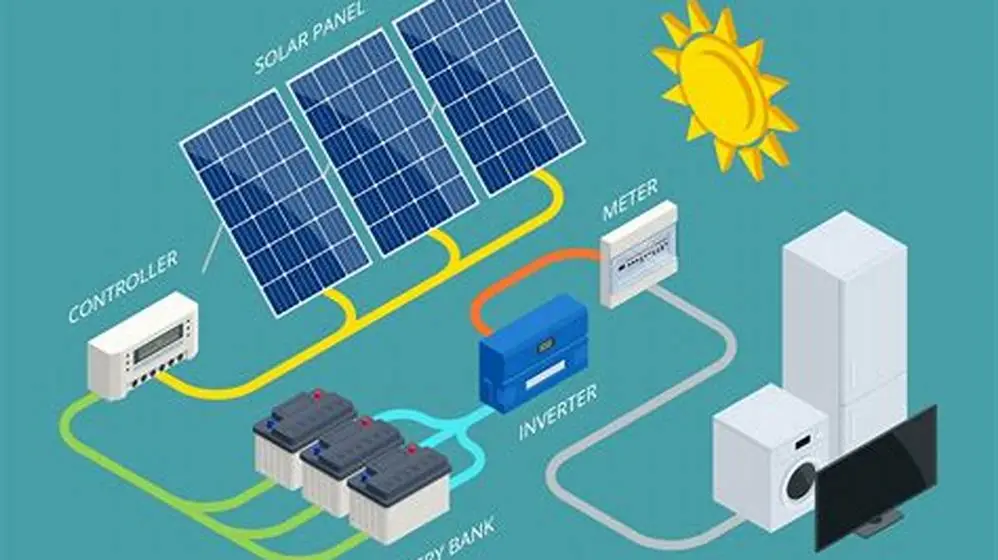
Solar inverters differ fundamentally depending on whether they are grid-tied, off-grid, or hybrid types. Grid-tie inverters deliver AC power directly to your home and the utility grid and do not require batteries. They convert DC from solar panels into AC when the grid is available, so your home’s AC loads run normally provided the sun shines or the grid supplies power.
Off-grid inverters, by contrast, depend on batteries because they must provide stable 230/120V AC power independently of the grid. Without batteries, these inverters cannot supply continuous power or maintain voltage when solar generation dips.
Hybrid inverters combine grid-tie and battery backup functions. They can operate without batteries but lose backup capability and load support during grid outages if batteries are absent.
| Inverter Type | Battery Needed? | AC Load Support Without Battery | Grid Dependency |
|---|---|---|---|
| Grid-tie | No | Yes, while grid is available | Required |
| Off-grid | Yes | No | No |
| Hybrid | Recommended | Limited | Optional |
How solar UPS power source priority affects operation without batteries
Solar UPS (Uninterruptible Power Supply) systems prioritize power sources to maintain AC output. Typically, they use solar power first, grid second, and batteries third. Without batteries, the inverter switches between solar and grid smoothly but lacks stored energy for outages. People in this spot often ask about solar power battery function as well.
Power source priority ensures your home uses free solar electricity before importing from the grid. When solar output drops below load demand, the system pulls from the grid instantly if batteries aren’t installed.
Without batteries, the UPS cannot provide backup power during blackouts. The inverter disables AC output until grid or solar power returns. This limitation is crucial if you rely on solar for critical loads.
In some solar UPS systems, the priority order can be configurable to optimize for specific needs, such as maximizing solar usage or preserving battery life if present. When no batteries exist, the inverter's firmware may enter a mode limiting the power output to prevent rapid fluctuations, which can otherwise cause instability in connected loads. This limitation is especially important for sensitive electronics or appliances that require a steady, reliable power supply. For example, a system might restrict instantaneous power output to between 80% and 95% of peak solar generation to avoid voltage spikes that could trip breakers or damage equipment. We go through calculating home kwh needs step by step elsewhere on the site.
A practical check to confirm your solar UPS's behavior without batteries is to monitor the switching response during transient cloud cover. If the inverter immediately switches to the grid without delay or interruption, it indicates proper priority handling without stored energy. However, any delay or power cut suggests the inverter relies on battery buffering and may not perform well during intermittent solar generation. Knowing this helps in planning whether to install batteries or adjust load schedules to avoid disruptions.
Grid tie inverters with limiters and their role in battery-free solar systems
Grid tie inverters often include limiters to restrict maximum power fed into the grid or home load. This prevents overloading circuits or exceeding grid export limits set by utilities.
Limiters manage how much solar energy can displace grid consumption, which can affect running high-demand AC appliances without battery buffers. People in this spot often ask about enphase battery compatibility with microinverters as well.
Without batteries, these limiters ensure the inverter curbs output when the home’s load is low and export caps are reached, avoiding power wastage or grid issues.
This feature is critical when running air conditioning loads on solar alone, as the inverter must throttle to prevent surges without stored energy smoothing.
String vs hybrid inverters for battery backup and AC load handling
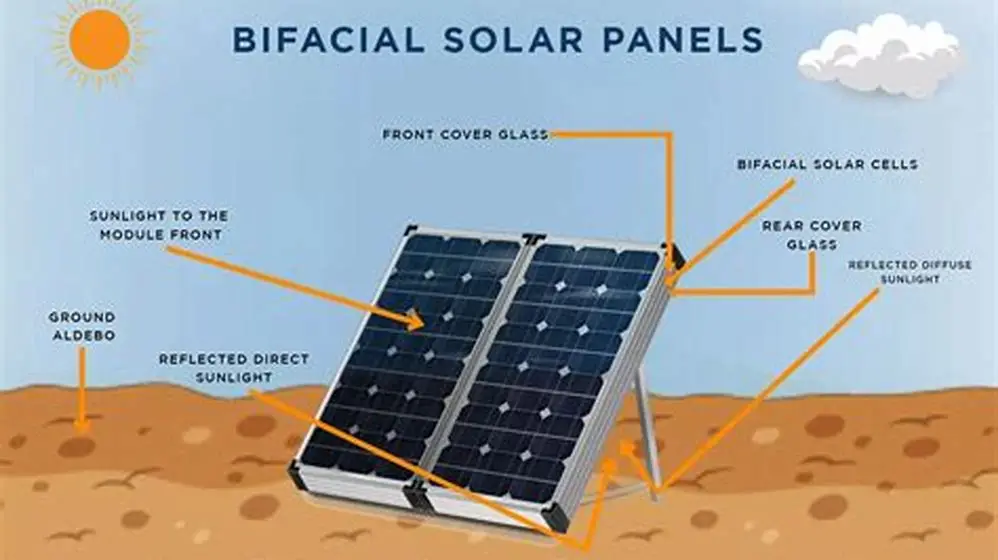
String inverters typically lack battery integration and rely fully on grid connection to supply AC loads. They convert DC from matched solar panel strings but cannot store energy. People in this spot often ask about bifacial solar panel design as well.
Hybrid inverters combine string inverter functions with battery management, enabling load support and backup power during grid outages.
Without batteries, string inverters run AC loads only with grid availability, while hybrids retain some functionality but lose backup resilience.
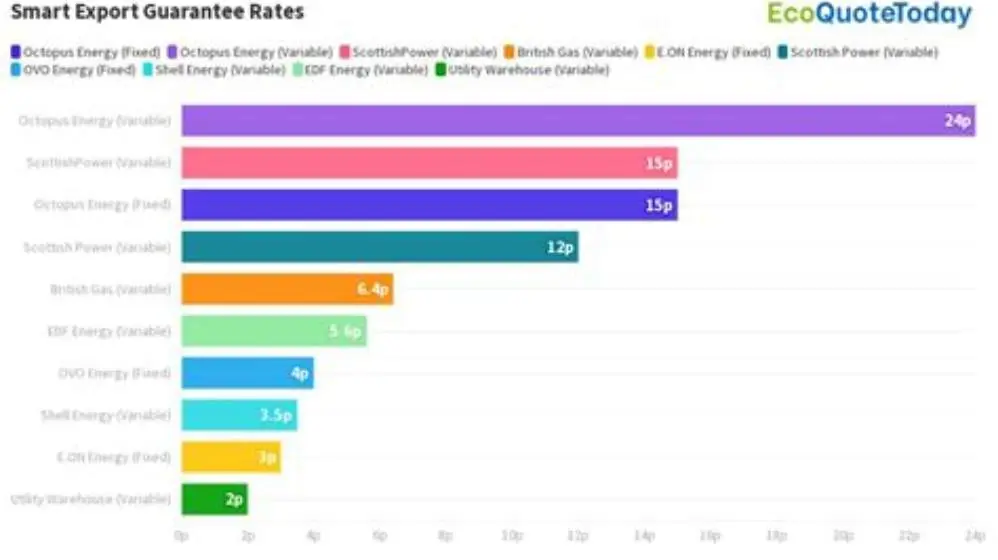
Choosing between these depends on your preference for backup, your grid reliability, and your goal to run high-power AC devices like air conditioning. We cover smart export guarantee rates compared in its own article.
| Inverter Type | Battery Integration | Backup Power | AC Load Support Without Battery |
|---|---|---|---|
| String | No | No | Yes, with grid |
| Hybrid | Yes | Yes | Limited, no backup |
Can solar power air conditioning without batteries
Running air conditioning on solar power without batteries is possible but depends heavily on inverter type and grid conditions. Grid-tie inverters can power AC units directly during sunny periods if the grid is present to stabilize voltage.
Without batteries, sudden solar dips can cause voltage drops, tripping the AC compressor. Limiters and proper inverter sizing are essential to prevent overloads and frequent interruptions.
Off-grid setups require batteries to supply the high starting current and continuous load of air conditioning.
Hybrid systems with batteries provide the best reliability and smooth load handling but at higher cost.
A worked example illustrates the challenges of running air conditioning on solar alone without batteries. Suppose your AC unit has a starting current of 15 amps and a running current of 7 amps at 230V. The inverter must deliver approximately 3.45 kW at startup (15 A × 230 V), which can exceed the typical continuous solar inverter rating of around 3 kW without batteries to supply the surge. Without stored energy, the inverter may shut down or cause nuisance trips, particularly if solar production dips suddenly.
To mitigate this, some systems incorporate soft-start technologies or require oversizing the inverter by 25–30% to handle such surges reliably. Integrating grid support during startup helps stabilize voltage. Without batteries, ensure your inverter can handle these transient loads, or expect cycling interruptions on your air conditioning during variable solar conditions.
A useful verification method is to observe the AC load behavior on a sunny day without battery backup. If the compressor cycles on and off frequently or the inverter’s output drops below the AC’s startup threshold, it confirms insufficient surge capacity. In this case, adding batteries or upgrading the inverter can improve continuous operation.
Steps to determine if your solar inverter can run loads without batteries
Begin by physically inspecting your solar inverter for model numbers and labels indicating its type and capabilities. Refer to the manufacturer's website or manual for detailed specifications, focusing on battery compatibility and backup functions. Some inverters display this information clearly, while others require input from installation documents.
Next, use a clamp meter or your electricity monitor to gauge your home's peak load during solar generation hours. Compare this to the inverter's rated output, accounting for any export limits or power curtailment settings. This comparison helps determine if your inverter can sustain your desired load without relying on batteries for peak shaving.
Inquire with your utility company regarding grid stability and net metering policies. If your grid frequently experiences outages or does not allow export, relying on a battery-free setup may compromise your power availability. These steps collectively confirm whether your solar inverter can adequately run loads without battery storage.
- Identify inverter type on your system label or manual: grid-tie, off-grid, or hybrid.
- Check if the inverter specification mentions battery compatibility or backup function.
- Measure your home load and compare it to inverter capacity; note any limiters or export restrictions.
- Determine if your grid is stable and allows net metering or export of solar energy.
- Decide which loads you want to run without batteries and ensure your inverter supports that load without backup.
Questions people still ask
Can I use a hybrid inverter without batteries at all?
Yes, some hybrid inverters can run without batteries but lose the backup function and cannot supply loads during grid outages.
Will a grid-tie inverter work during a power outage without batteries?
No, grid-tie inverters shut down during outages to protect utility workers and require grid power to operate.
What happens if my solar inverter overloads without batteries?
The inverter may shut off or reduce output using limiters to protect itself and your home electrical system.
Is it cost-effective to install batteries just to run air conditioning?
It depends on your local electricity prices and outage frequency; batteries are recommended for reliable AC operation off-grid.
How do I know if my system has power limiters installed?
Check your inverter settings or manual; some inverters have configurable export or load limiters built-in.