Solar power batteries store electricity chemically, releasing it as needed to balance supply and demand. Solar farms need them to smooth output and supply power when sunlight is unavailable. Battery lifespan depends mainly on charge-discharge cycles and calendar years.
On this page
- Quick recap
- How do solar power batteries store and release energy
- Why do solar farms need batteries
- How solar batteries lifespan is measured in cycles versus calendar years
- How solar power batteries compare by chemistry and performance
- How solar power batteries connect to home or grid and control energy flow
- How to interpret solar battery lifespan tests and warranties
- Quick questions
Part of our guide on blackout use with solar battery
Quick facts
- Battery chemistry
- Lithium-ion or lead-acid
- Cycle lifespan
- 3000–6000 cycles typical
- Calendar lifespan
- 5–15 years
- Charge/discharge rate
- 0.5–1C typical
- Capacity loss threshold
- 20% decline normal
- Solar farm battery size
- Thousands kWh
- Home battery size
- 5–20 kWh
Quick recap
- Solar batteries convert electricity to chemical energy and back for storage.
- Solar farms use batteries to stabilize power and shift energy delivery times.
- Lifespan is measured by how many full charge-discharge cycles a battery can handle before capacity drops significantly.
- Calendar years affect battery life due to chemical aging even without use.
- Choosing the right battery depends on use case, space, and lifespan needs.
How do solar power batteries store and release energy
Solar power batteries store electricity by converting electrical energy into chemical energy inside cells. When charging, electricity drives a chemical reaction that stores energy; during discharge, the reaction reverses, releasing electricity to power devices or the grid. This process is highly efficient but varies by battery type.
Most home and farm solar batteries use lithium-ion chemistry, which provides 85-95% round-trip efficiency, meaning you get back most of the energy stored. Lead-acid batteries, still common in some setups, have around 70-85% efficiency. Efficiency depends on factors like temperature, charge rate, and battery age.
Battery capacity is measured in kilowatt-hours (kWh), indicating how much energy can be stored. For example, a typical home solar battery stores between 5 and 20 kWh, enough for several hours of average household use. Large-scale solar farms require batteries sized in thousands of kWh to smooth power output over hours or days.
- Charging: electricity converts to chemical energy in cells
- Discharging: chemical energy reconverts to electricity
- Efficiency: lithium-ion around 85-95%, lead-acid 70-85%
- Capacity: stored energy in kWh, varies by battery size
Why do solar farms need batteries
Solar farms require batteries because sunlight is intermittent and solar panels generate electricity only during daylight hours. Batteries store excess power generated when the sun is strong, then release it during cloud cover, dusk, or night. This makes solar power more reliable and dispatchable on demand. People in this spot often ask about solar battery size for homes as well.
Without batteries, solar farms struggle to maintain a steady output, causing grid instability or requiring backup power from fossil fuels. Batteries smooth the output curve, reducing sudden drops or spikes in supplied electricity. This function is vital for integrating large solar farms into existing grids.
Solar farm batteries are typically very large, often several thousand kWh. They must handle high charge and discharge rates, cycling daily or multiple times per day. The economic value lies in shifting electricity supply to peak demand periods when prices are highest or meeting grid services requirements.
- Store excess daytime solar generation for use at night
- Smooth power output to stabilize the grid
- Shift supply to high-demand hours for economic benefits
- Reduce reliance on fossil fuel backup generation
How solar batteries lifespan is measured in cycles versus calendar years
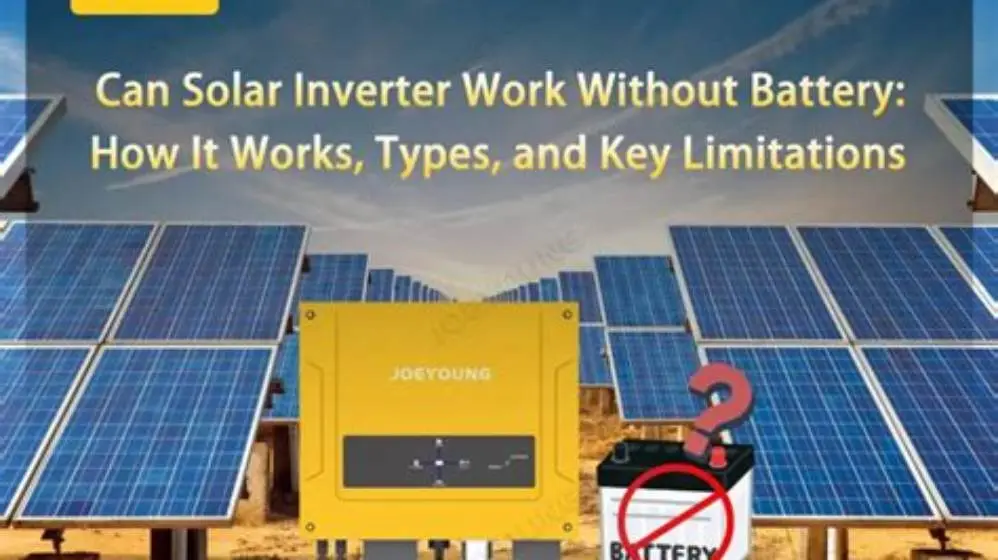
A key metric for solar battery lifespan is the number of full charge-discharge cycles it can sustain before capacity falls to about 80% of original. Most lithium-ion batteries endure around 3000 to 6000 cycles under typical home use conditions, meaning daily cycling lasts roughly 8 to 16 years. We cover limitations without battery storage in its own article.
Calendar lifespan is another factor: even if a battery is rarely used, chemical aging degrades capacity over time. Lithium-ion batteries typically last between 10 and 15 years regardless of cycle count, depending on storage conditions and temperature.
Cycle lifespan depends on depth of discharge (DoD), temperature, and charge rates. Using only shallow discharges (say 20-50%) can extend cycle life significantly. Conversely, deep discharges or high temperatures accelerate degradation.
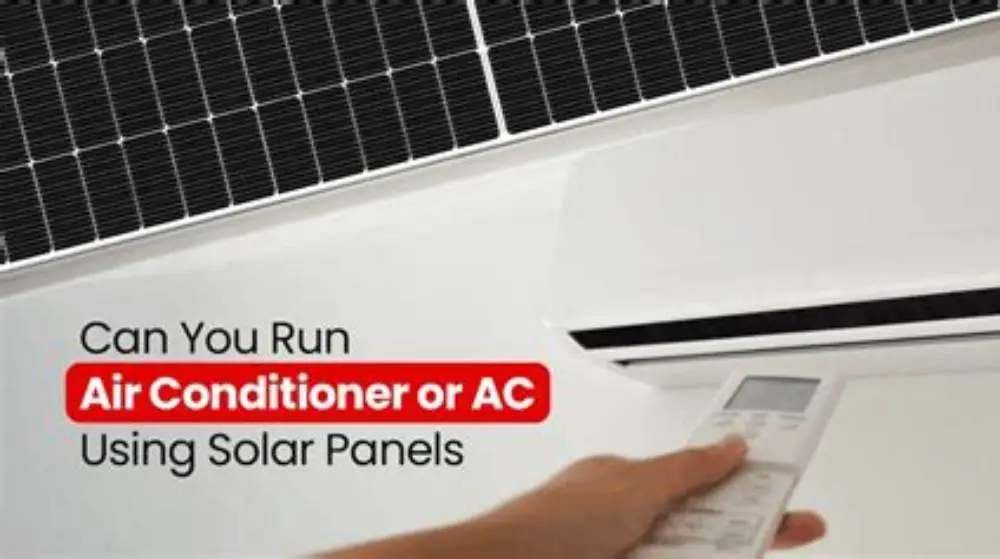
Solar farm batteries face different stresses: rapid cycling rates and large power throughput reduce calendar lifespan to sometimes under 10 years, requiring lifecycle cost analysis that balances upfront price, capacity fade, and replacement timing. We go through running AC directly from solar step by step elsewhere on the site.
- Cycle lifespan: 3000–6000 full cycles typical for lithium-ion
- Calendar lifespan: 10–15 years affected by chemical aging
- Depth of discharge affects cycles: shallower extends life
- Temperature impacts chemical stability and lifespan
| Measure | Typical Range | Depends On | Effect |
|---|---|---|---|
| Cycle Count | 3000–6000 cycles | Depth of discharge, charge rate | Capacity drops to 80% |
| Calendar Years | 10–15 years | Temperature, storage state | Gradual capacity loss independent of use |
How solar power batteries compare by chemistry and performance
Lithium-ion batteries dominate residential and commercial solar storage because of their high energy density, efficiency, and cycle life. Variants include lithium iron phosphate (LiFePO4), which trades slightly lower energy density for better thermal stability and longer life.
Lead-acid batteries are cheaper upfront but heavier, less efficient, and have shorter cycle lives, typically under 1000 cycles for deep-cycle types. They also require maintenance and have limited usable depth of discharge, usually 50%.
Flow batteries, though less common in homes, are scalable and have long cycle lives with minimal degradation. They suit large solar farms where space and weight are less constrained. For the detail, see our notes on sonnen 10kw battery backup with generator.
Choosing a battery chemistry requires balancing cost, lifespan, efficiency, weight, and safety based on the installation's priorities and conditions.
| Chemistry | Energy Density (Wh/kg) | Cycle Life (cycles) | Usable DoD (%) | Cost | Typical Use |
|---|---|---|---|---|---|
| Lithium-ion (Li-ion) | 150–250 | 3000–6000 | 80–90 | High | Homes, commercial |
| Lithium Iron Phosphate (LiFePO4) | 90–160 | 4000–7000 | 80–90 | Moderate | Long-life home, commercial |
| Lead-acid Deep Cycle | 30–50 | 500–1000 | 50 | Low | Budget home, offgrid |
| Flow Battery | 20–40 | 10000+ | 100 | High | Large-scale solar farms |
- Lithium-ion high efficiency
- LiFePO4 better stability
- Lead-acid low upfront cost
- Flow very long cycle life
- Lithium-ion cost
- LiFePO4 weight
- Lead-acid limited cycles
- Flow cost and size
How solar power batteries connect to home or grid and control energy flow
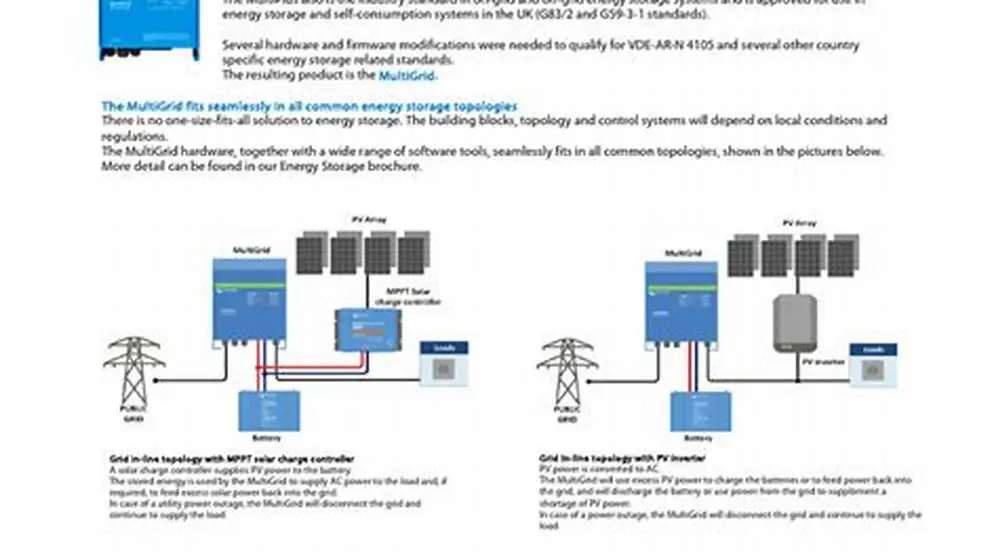
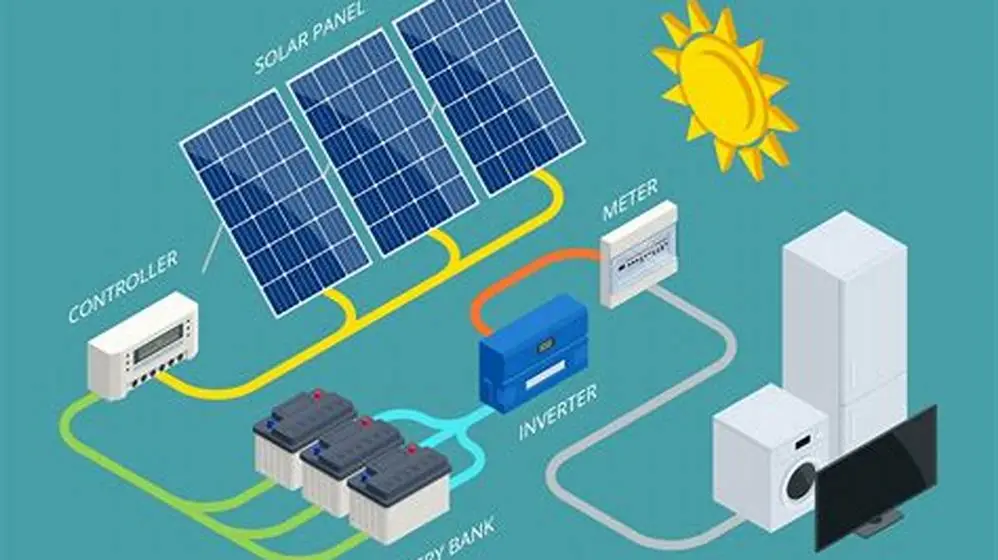
Solar batteries connect to home solar panel systems via inverters and battery management systems (BMS). They store excess solar electricity generated during the day and discharge when demand exceeds immediate solar supply or during grid outages.
A BMS monitors voltage, temperature, and state of charge, protecting the battery from damage. It manages charging and discharging rates to optimize lifespan. The inverter converts DC battery power to AC for household use or to the grid. There is more on victron multigrid battery backup export limit in a separate guide.
Systems vary: ‘AC-coupled’ batteries connect on the home AC side, allowing retrofit without rewiring solar panels; ‘DC-coupled’ batteries connect on the DC side, often improving efficiency but typically installed with new solar arrays.
The control system can prioritize solar use, battery storage, or grid import/export based on tariffs, user settings, or grid demands. Sophisticated setups integrate smart meters and home energy management systems.
- Battery management system protects battery health
- Inverter converts stored DC to AC electricity
- AC-coupled systems retrofit to existing solar setups
- DC-coupled systems offer higher efficiency for new installations
- Control logic optimizes energy use vs grid costs
How to interpret solar battery lifespan tests and warranties
Battery warranties often guarantee capacity retention above 70-80% for a specified number of years or cycles, whichever comes first. For example, a warranty may cover 10 years or 5000 cycles at 80% capacity.
Lifespan tests measure capacity retention after repeated full or partial cycles under controlled conditions. Real-world performance can vary due to temperature, usage patterns, and maintenance.
Be cautious with cycle count claims: some manufacturers count partial cycles (e.g., two half discharges equal one full cycle), which can extend perceived lifespan. Also, calendar aging reduces capacity independently of cycles.
When comparing warranties and lifespan data, focus on the guaranteed usable capacity and how it matches your expected usage. A higher upfront cost may be justified by a longer, more reliable lifespan.
Regular monitoring with a battery analyzer or smart BMS interface helps track capacity fade and predict replacement timing. This tool is essential to avoid unexpected failure and optimize returns.
- Warranties specify years and cycle count limits
- Tests simulate charging cycles and measure capacity fade
- Partial cycles count differently and may inflate cycle claims
- Calendar aging reduces capacity even if unused
- Monitoring tools help plan battery replacement
Lithium-ion solar batteries offer the best combination of energy density, lifespan, and efficiency for most homeowners, despite higher upfront cost.
Quick questions
Can solar batteries work without solar panels connected?
Yes, solar batteries can be charged from the grid or other sources if designed to do so. However, their main purpose is to store solar-generated electricity. Using them standalone requires compatible inverters and possibly regulatory approval.
What happens if a solar battery is left unused for a long time?
Chemical aging reduces capacity even when unused. Batteries should be stored at partial charge and moderate temperatures to slow degradation. Long periods without cycling can harm battery health.
How do temperature extremes affect solar batteries?
High temperatures accelerate chemical degradation and reduce lifespan. Freezing temperatures can damage cells or reduce available capacity temporarily. Proper installation with temperature control or ventilation improves battery longevity.
Are solar batteries safe indoors?
Most lithium-ion solar batteries are safe indoors if installed with manufacturer guidelines on ventilation and fire protection. Lead-acid batteries require ventilation due to possible gas release. Professional installation reduces risk.
What size battery do I need for my home solar system?
Battery size depends on your daily energy use and backup needs. Typically, a 5 to 20 kWh battery covers essential loads and shifts daytime solar for evening use. Larger homes or offgrid setups require proportionally bigger batteries.