Yes, you can run a heat pump on solar in a UK home, but not off-grid year-round. Solar generation covers much of the heat pump in spring to autumn and cuts grid use by day. In winter, solar output drops sharply, so the heat pump draws most electricity from the grid. Solar yield varies with location, roof orientation and shading, and heat pump use depends on flow temperature and emitter type.
On this page
- Quick recap
- Can you run a heat pump on solar in a UK home?
- Check what your heat pump actually draws through the year
- Size solar and battery to match the heat pump without wasting cash
- Plan a staged retrofit that keeps disruption low and savings real
- Wire it so solar helps the heat pump first
- Get the paperwork, grants and EPC gain in the right order
- Quick questions
Part of our guide on cost-effective retrofit strategies
Quick facts
- Heat pump draw
- Typically 0.7-2.5 kW running, varies by weather and flow temperature
- UK solar yield
- Around 750-950 kWh per kWp per year, depending on location and roof
- Typical UK array
- 3.5-4.5 kWp, 8-12 panels
- Grid still needed
- Yes, especially in winter
- Best pairing
- Cylinder + controls
Quick recap
- Solar helps a heat pump most from March to October; winter heat still comes largely from the grid.
- Size solar to your daytime base load plus heat pump draw, not to the heat pump peak alone.
- A staged retrofit does insulation and airtightness first, then heat pump, then solar and battery.
- A hot water cylinder lets you store solar as heat for evening use without a large battery.
Can you run a heat pump on solar in a UK home?
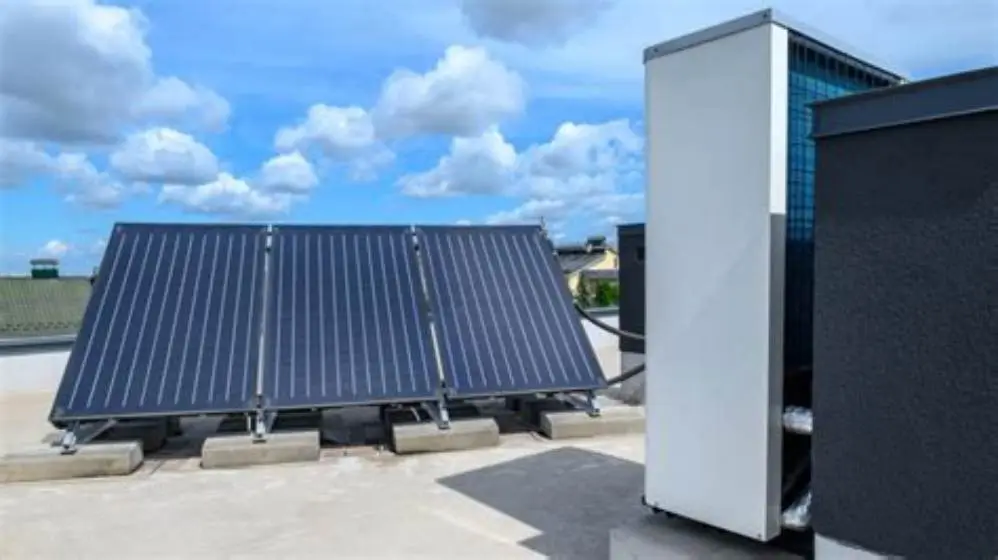
You can run a heat pump on solar whenever the sun produces more electricity than the heat pump draws. The house stays grid-connected and solar offsets imported electricity in real time. This setup works well from March to October.
Monitoring and PVGIS data for south-facing roofs at 30-35° pitch in central England estimate annual yields around 850 kWh per kWp for typical unshaded arrays. Yields are lower in Scotland, around 750-800 kWh per kWp per year. Daily output varies with weather and season.
On clear spring days, a 3.5 kWp array can peak near 3 kW and produce around 10-14 kWh, enough to cover a well-sized heat pump for several hours. In dull winter days, output can fall to around 1-2 kWh per kWp per day, so the heat pump draws mostly from the grid.
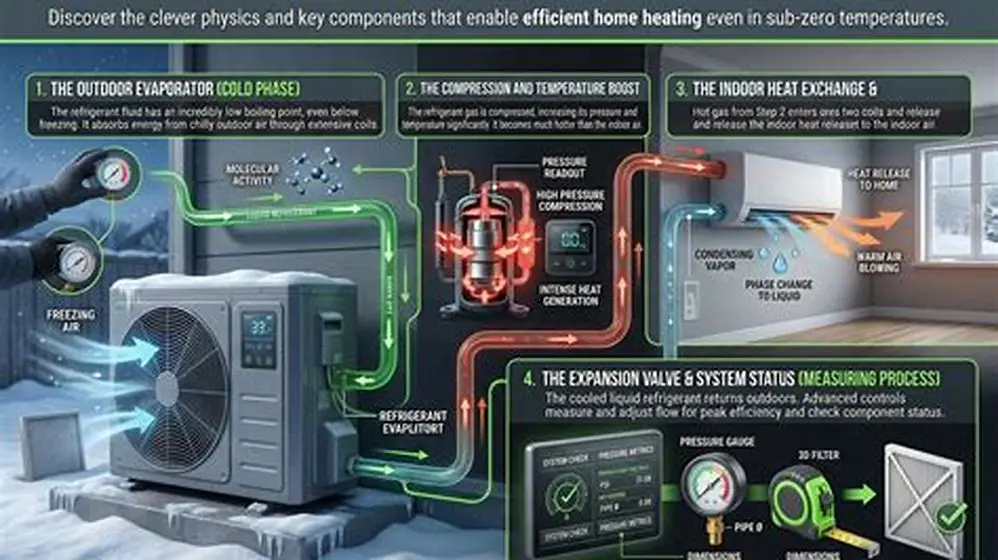
Heat pumps draw between 0.7 and 2.5 kW while running depending on outside temperature and flow temperature. They cycle and modulate, so solar does not need to match peak power. You need enough solar to cover running draw during daylight and other daytime loads. Before you commit to anything, it is worth looking at whole house retrofit plan uk in the right order.
Running fully off-grid with solar alone is not practical for space heating in the UK. You would need a very large array and battery to cover dark winter evenings when demand is highest and solar generation lowest. Keeping the grid connection and using solar to cut daytime imports works better. Store solar heat in water rather than trying to store weeks of electricity.
- Grid-connected solar and heat pump: solar offsets daytime imports, grid supplies shortfall and night use
- Off-grid solar requires oversized array and battery, high cost and risk during cold, dull spells
- Best value: use solar for daytime heating and hot water, export surplus
| Season | Typical solar output per 4 kWp array (kWh per day) | Heat pump share covered |
|---|---|---|
| Summer | Up to 15 kWh | Most daytime heating and hot water |
| Spring/Autumn | Around 7-13 kWh | About half of daily heat |
| Winter | Usually below 3 kWh | Small fraction of daily heat |
Check what your heat pump actually draws through the year
Start with your home's heat loss and the heat pump's flow temperature, not just the brochure COP. A typical UK semi-detached home of 80-120 m² with good insulation needs around 5-8 kW heat output at design temperature (about -3°C). An air source heat pump sized for that will draw roughly 1.5-2.5 kW on cold days with flow temperatures of 35-45°C, less at lower flow temperatures with underfloor heating.
Ask your installer for seasonal performance (SCOP) at your design flow temperature and expected electricity use per year for space heating and hot water. Many retrofitted semis use between 6,000 and 9,000 kWh of heat yearly, which at SCOP 3.2-3.8 means about 1,800-2,800 kWh of electricity. Hot water adds 800-1,200 kWh of heat, often with lower efficiency in summer. People in this spot often ask about heat pump solar grant as well.
Record your current heating pattern before sizing solar. Most homes heat mainly 06:00-09:00 and 16:00-22:00, while solar peaks between 11:00 and 15:00. This mismatch affects how much solar you can use directly and whether a cylinder or battery helps.
Test your home's electricity use over a week in cold weather. Use a clip-on CT energy monitor or smart meter to log kW and kWh when the heat pump runs. Compare this with local solar output data from an app or monitoring site. This shows the winter gap clearly before you invest.

Nestool WiFi Home Energy Monitor with 3 80A CT Clamps
Lets you see what your heat pump really pulls through the year with 3 clamps logging power and energy per circuit in the app to size solar correctly.
Size solar and battery to match the heat pump without wasting cash
Size solar to your roof space and daytime load, not the heat pump's peak power. Most UK roofs fit 8-12 panels, around 3.5-4.5 kWp. This size balances self-use, export, and cost without too much complexity. Larger arrays generate more export in summer when you need heat least, which might not be economical. If that sounds like your situation, read up on saving money with renewable upgrades next.
Aim for solar capacity that covers your daytime base load (about 0.3-0.6 kW) plus the heat pump's steady draw during mild weather (about 0.7-1.2 kW). A 4 kWp array in spring typically delivers 2-3 kW for several hours, covering that combined load well. In winter, output drops to around 0.5-1 kW, so you import the rest.
A hot water cylinder is the cheapest way to store solar heat. Heat water to 50-55°C when solar production is high and use it later. A 180-250 litre cylinder holds about 8-12 kWh of heat, enough for daily hot water and some space heating if controls allow. It costs less per stored kWh than a battery and avoids cycling the heat pump at night.
Add a battery only if evening use is high or you have a time-of-use tariff. A 5-10 kWh battery shifts surplus solar to evening heat pump use but won't cover heating through a cold, dull week. Compare battery cost and round-trip efficiency against a larger cylinder and smarter controls. Export tariffs under the Smart Export Guarantee range widely; check current rates with your supplier. There is more on cold climate heat pump insulation in a separate guide.
- 4 kWp solar: suits a 2-3 bedroom semi with a 180 litre cylinder, no battery needed initially
- 5 kWh battery: useful if you have significant evening load, check cycle life and warranty (often ~6,000 cycles)
- 10 kWh battery: consider if also charging an electric vehicle or have high daytime export
- Solar first: quick install, low disruption
- Cylinder store: affordable heat storage, long-lived
- Battery cost: long payback if replacing gas heating
- Oversized array: more summer export, less self-use
Plan a staged retrofit that keeps disruption low and savings real
Start with fabric improvements: loft insulation up to 270-300 mm, draught-proofing, and cavity or internal wall insulation where practical. Each step reduces heat loss and allows the heat pump to run at lower flow temperatures, improving efficiency.
Next install the heat pump and controls. Choose a unit with weather compensation and a cylinder if possible. Retain radiators that work and upsize only smaller ones needing lower flow temperatures. Expect 3-5 days for plumbing and electrical work plus a new 240 V supply check and condensate drain installation.
Add solar panels, a diverter, and optionally a battery. Scaffolding is the main disruption, typically 1-2 days for install and half a day for DNO paperwork and meter checks. Install solar after the heat pump so you can set timers to prioritize solar for hot water, then space heating. People in this spot often ask about how does a heat pump extract heat from cold air as well.
Budget and EPC improvements follow this order. Fabric upgrades raise comfort and EPC points cheaply. Heat pumps improve the heating section and qualify for the Boiler Upgrade Scheme grant of £7,500 in England and Wales when installed by an MCS-certified contractor. Solar reduces electricity bills and helps EPC electricity use. Landlords often stop after stage two and add solar later during roof replacement.
- Step 1 - Fabric: loft, draught sealing, low-cost insulation; do an air test if possible
- Step 2 - Heating: heat loss survey, radiator check, install heat pump and cylinder with weather compensation
- Step 3 - Power: install solar array and hot water diverter; add battery only if justified
- Step 4 - Tune: lower flow temperature, time hot water heating to solar peak, monitor SCOP
Wire it so solar helps the heat pump first
Keep the system simple and grid-tied. The solar inverter feeds the consumer unit, and the house uses electricity as needed. The grid supplies any shortfall. No special wiring is needed for the heat pump to benefit. Inverter interlock and G98/G99 approval handle export limits.
Add controls that direct solar power to heating. A solar diverter sends surplus solar to the immersion heater in the cylinder before export. Set the heat pump hot water schedule to 11:00-15:00 when solar production peaks, then let the diverter top up. Field monitoring shows this combination can use a high share of surplus solar on sunny spring days, depending on cylinder size and household use.
Use heat pump controls, not plug timers, to shift load. Weather compensation lowers flow temperature on mild days, matching solar hours. If your controls allow, set a slightly higher room temperature or preheat the slab early afternoon when solar is strong, letting it coast through evening. Keep night setback modest (1-2°C lower) to avoid big cold starts that waste energy.
Check export and metering requirements. Most homes need a smart meter that records export kWh and an MCS certificate for solar payments. Keep the heat pump on its own 32A circuit with RCD protection and the inverter on a separate breaker. Label circuits clearly for service.
- Priority: house loads first, then cylinder via diverter, then battery, then export
- Heat pump hot water: schedule to solar peak hours, diverter uses surplus before export
- Space heating: preheat early afternoon when COP and solar output are higher
Get the paperwork, grants and EPC gain in the right order
Arrange paperwork before booking scaffolding. In England and Wales, the Boiler Upgrade Scheme pays £7,500 towards an air or ground source heat pump installed by an MCS-certified contractor. You need an EPC issued within the last 10 years with no outstanding insulation recommendations. Complete insulation upgrades first to avoid application delays.
Solar has no national grant for most owners, but 0% VAT applies on install in Great Britain. Many suppliers offer variable export tariffs under the Smart Export Guarantee; rates vary and typically range from a few pence per kWh to over 10p. Check current tariffs with your supplier and contract terms. Batteries installed with solar may also qualify for 0% VAT. Keep all certificates for EPC assessors and future sales.
EPC gains are real but vary. A gas-heated D-rated semi often improves to C with a heat pump and controls alone, then gains more points with solar added. Exact gains depend on floor area, insulation, and assessor software. Ask your assessor to model options before committing to see which stage achieves your target rating.
Renters and landlords should agree plans in writing. Tenants get lower bills and warmer homes; landlords get better EPC and compliance. Agree access, thermostat control, and servicing responsibilities. Annual heat pump service and yearly solar check, including panel cleaning if needed, maintain performance near modeled SCOP and solar yield.
- Grant first: BUS reduces upfront costs without complex stacking
- VAT relief: solar and battery installations cost less upfront
- EPC scores vary with software and assumptions
- Export rates vary by supplier and contract; check current terms
Pair solar with a heat pump and a hot water cylinder for best value in UK homes. Add a battery only if evening loads justify it.
Quick questions
Can solar run the heat pump at night?
No. Solar generates electricity only during the day, so night heating relies on grid electricity or a battery. Batteries help for a few evening hours but cannot cover a cold night fully. A hot water cylinder stores daytime solar heat for evening use efficiently.
How many panels do I need for a 5 kW heat pump?
A 5 kW heat pump typically draws about 1.2-2.0 kW when running. A 4 kWp solar array with 8-12 panels can produce 2-3 kW at midday during spring and autumn, covering much daytime heat pump use. In winter, solar output is much lower, so you still import electricity.
Do I need a battery to use solar with a heat pump?
You don’t need a battery to start. Use solar with a diverter to heat the cylinder during the day. Add a 5-10 kWh battery later only if you have significant evening load or a time-of-use tariff that rewards shifting use.
Will solar improve my EPC if I already have a heat pump?
Usually, yes, by a few points, because solar reduces grid electricity use. The exact gain depends on solar array size and EPC software. Ask your assessor to model options before installation.